

UHP graphite electrode is mainly used for ultra high power electric arc furnaces in steel smelting industry




Mineral flotation is a widely used separation technique in the mining industry that selectively separates valuable minerals from gangue based on differences in surface properties. The efficiency and effectiveness of the flotation process depend on a range of interrelated factors. Understanding these critical factors is essential for optimizing recovery rates, improving concentrate grade, and reducing operational costs.
The mineralogical composition of the ore is one of the most influential factors in flotation performance. Key characteristics include:
Flotation relies heavily on chemical reagents to modify mineral surfaces and enhance separation.
Proper reagent selection, dosage, and conditioning time are crucial. Overdosing can lead to poor selectivity and higher costs, while underdosing may result in low recovery.
The chemical environment within the flotation cell significantly impacts mineral behavior.
Careful control of pulp chemistry ensures consistent flotation results and improved selectivity.
Grinding plays a vital role in determining flotation efficiency.
Maintaining proper grinding conditions ensures a balance between liberation and flotation efficiency.
Air dispersion directly affects the attachment of mineral particles to bubbles.
Optimizing air flow and bubble distribution enhances mineral recovery and froth stability.
The design and operation of flotation equipment also influence performance.
Efficient equipment design and well-controlled operating parameters contribute to stable and high-performing flotation circuits.
The froth phase is where separation is finalized.
Proper froth management ensures high-grade concentrates and minimal losses.
The performance of the mineral flotation process is influenced by a complex interplay of ore properties, reagent chemistry, pulp conditions, equipment design, and operational parameters. Successful flotation optimization requires a holistic approach that considers all these factors simultaneously. By carefully controlling these critical variables, operators can maximize recovery, improve concentrate quality, and enhance overall plant efficiency.
A: Mineral characteristics vary significantly even within the same ore body. A professional test (such as chemical analysis, XRD, and SEM) ensures the flowchart is optimized for your specific ore grade and liberation size. This prevents costly equipment mismatches and guarantees the highest possible recovery rates for your project.
A: We maintain a permanent stock of core wear parts (such as crusher liners, screen meshes, and grinding media). For international clients, we provide a recommended “2-year spare parts list” with the initial purchase. Technical support is available 24/7 via remote video, and site visits can be arranged for complex maintenance needs.
A: Yes. We send a team of senior mechanical and electrical engineers to the site to oversee the installation, commissioning, and load testing of the equipment. We also provide comprehensive on-site training for your local operators to ensure smooth long-term operation.
A: Absolutely. We specialize in providing EPCM (Engineering, Procurement, Construction Management) services. This includes everything from initial ore testing and mine design to equipment manufacturing, logistics, and full-scale plant integration, ensuring a seamless transition from greenfield to production.
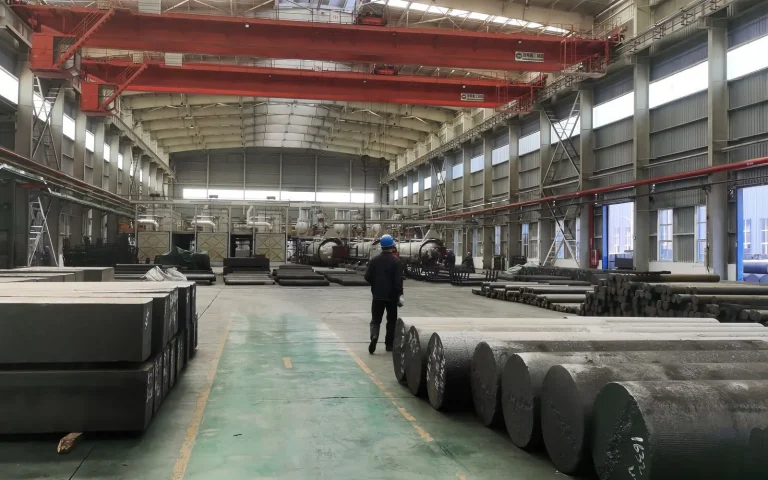
UHP graphite electrode is mainly used for ultra high power electric arc furnaces in steel smelting industry
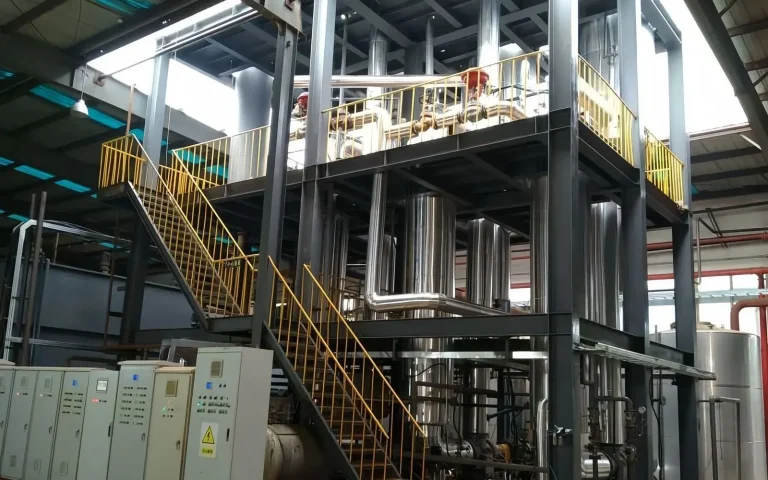
We can provide direct lithium extraction (DLE) solution to recover the lithium from salt lake brine
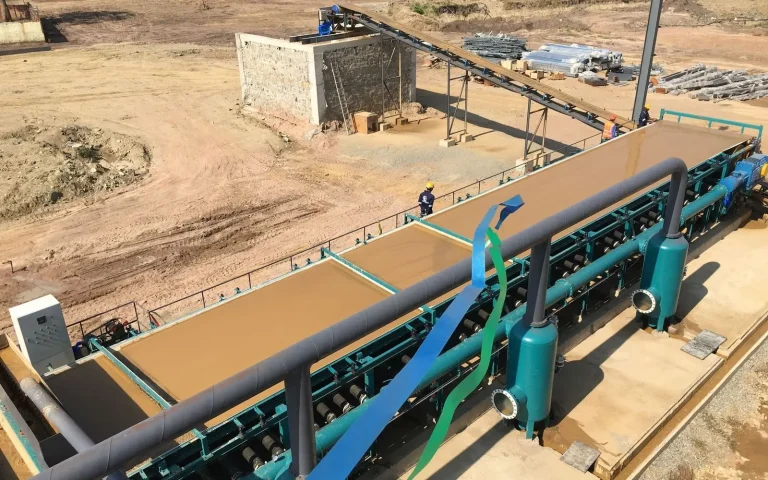
Gold CIL process (carbon in leaching) is very popular way to process the high grade oxide type gold ore

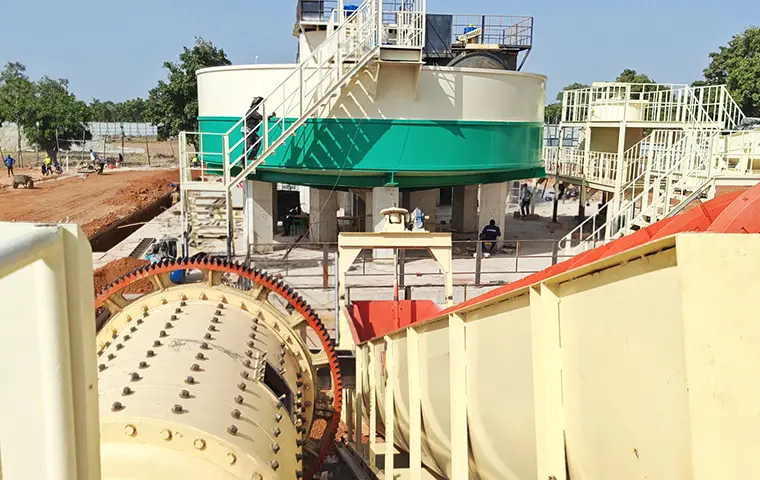
Raw Ore: Oxide and Sulfide Type Gold Ore Gold Grade: 2.5 g/t Final Product: Gold Bullion
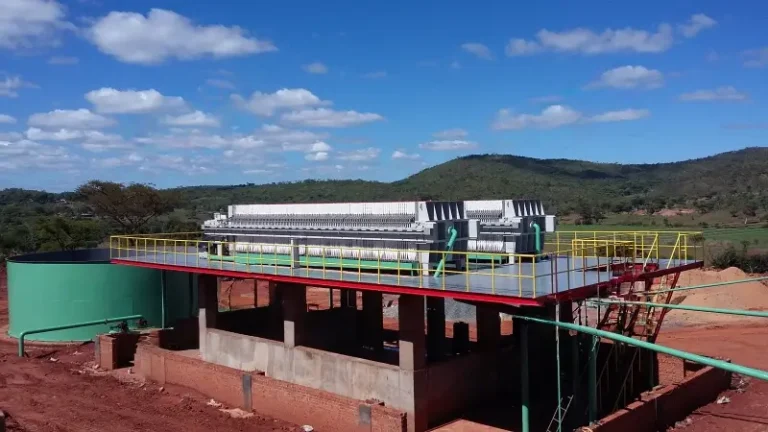
Raw Ore: Sulfide-Bearing Gold Ore (30% Sulfide) Gold Grade: 3.2 g/t Final Product: 98.99% Gold Ingot
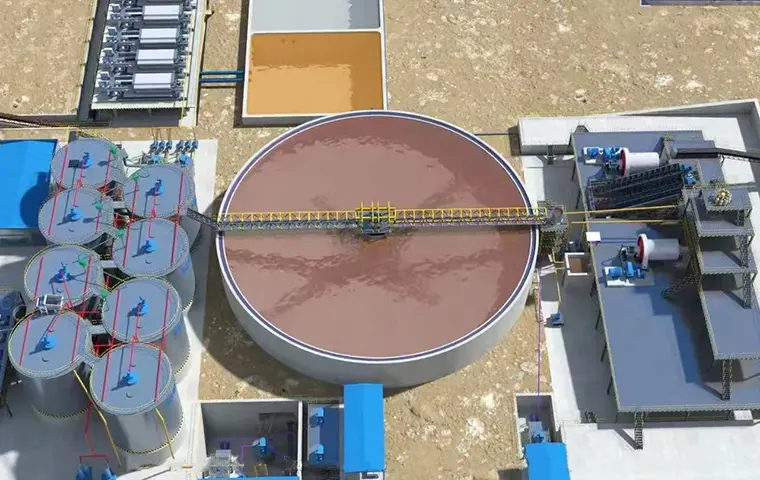
Raw Ore: Sulfide Type Copper Ore (Mainly Chalcopyrite) Copper Grade: 0.8% Final Product: Copper Concentrate
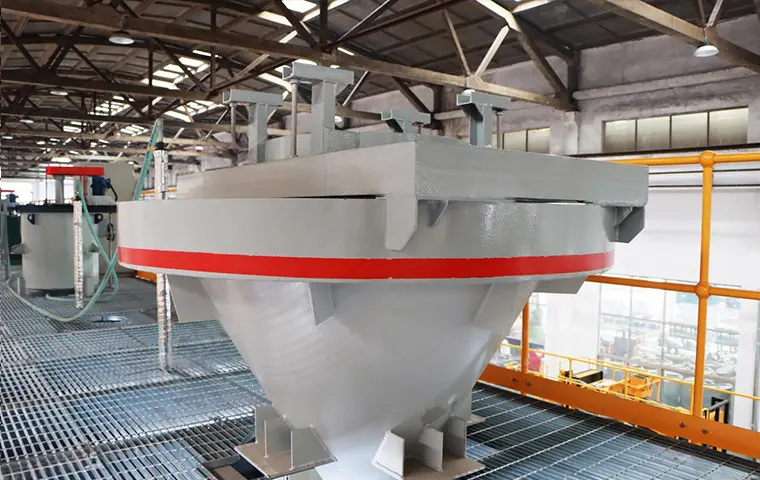
Raw Ore: Sulfide Type Gold Ore Gold Grade: 3.5 g/t Final Product: Gold Ingot Gold Recovery Rate: 96%
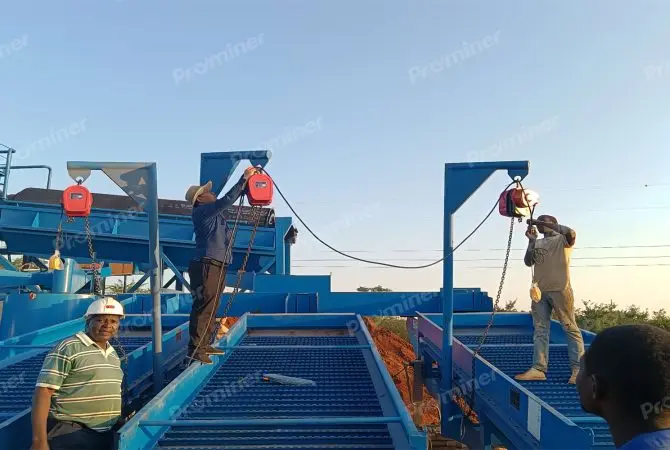
Raw Ore: Alluvial gold ore from river bed Gold Grade: 0.8 g/t
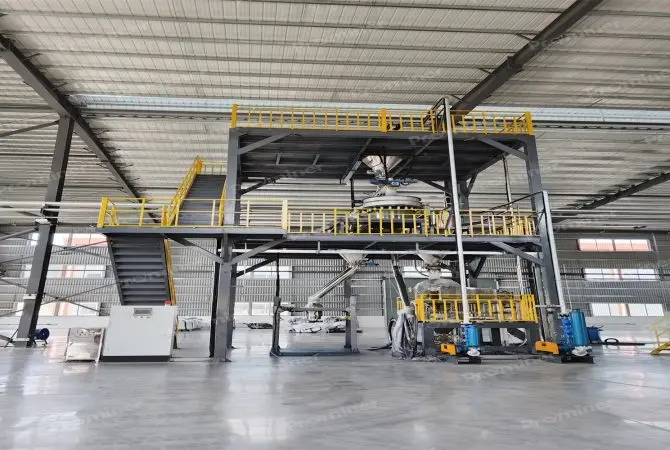
Raw Material: Artificial graphite anode, Natural graphite anode
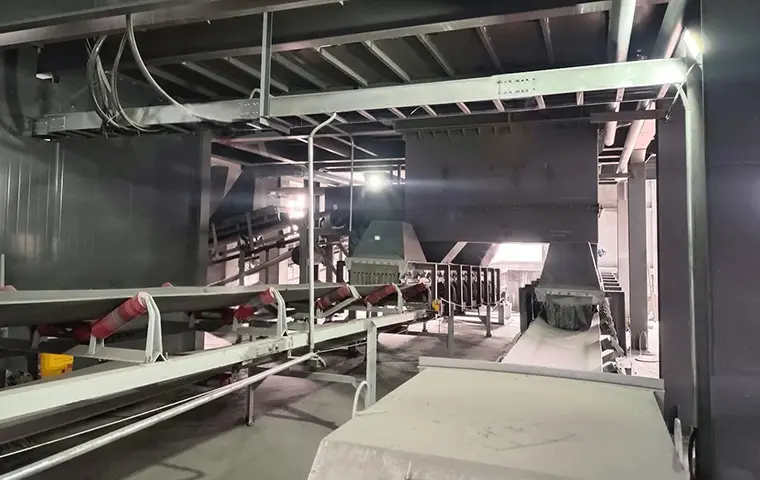
Boosting copper recovery and reducing energy consumption through cutting-edge pre-concentration and Prominer’s 15+ years of EPC expertise
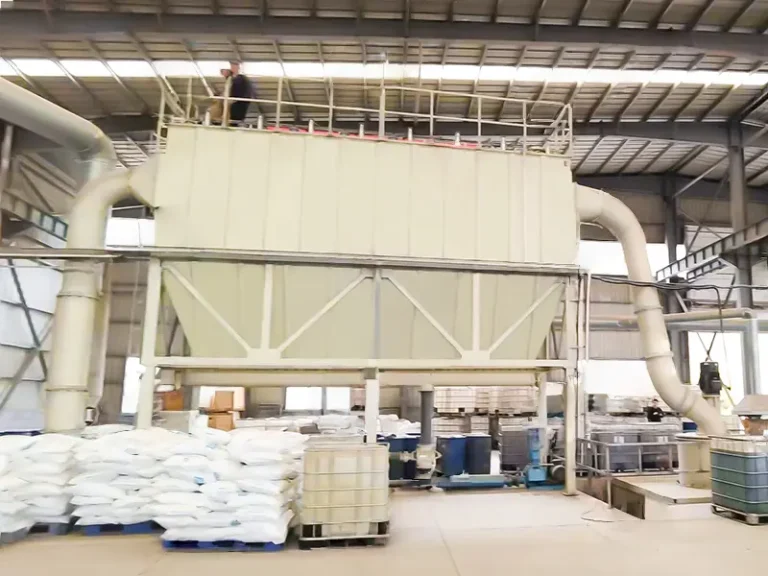
Raw Ore: Dolomite Rock (CaMg(CO₃)₂) Feed Size: ≤10 mm Final Product: Ultra Fine Dolomite Powder
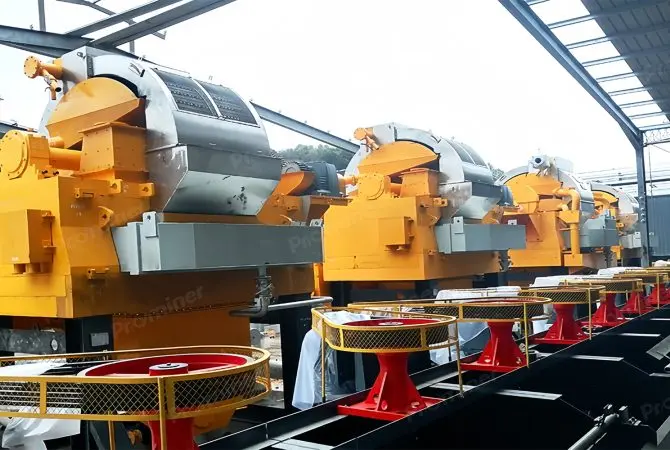
Prominer can provide different HIMS (High Intensity Magnetic separator) magnetic separators
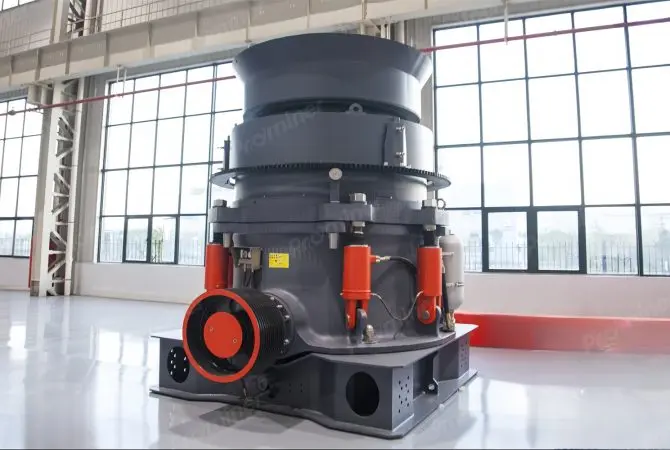
Multi-cylinder hydraulic cone crusher combines crusher speed, eccentricity and cavity profile
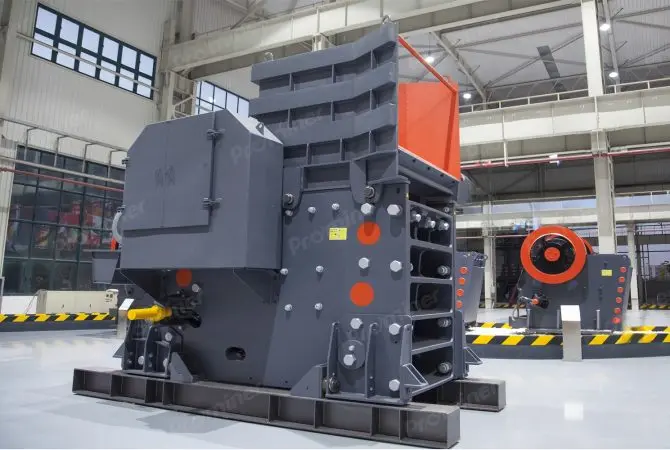
Jaw Crusher, its opening size determines its max feeding size. The crushing chamber of a jaw crusher
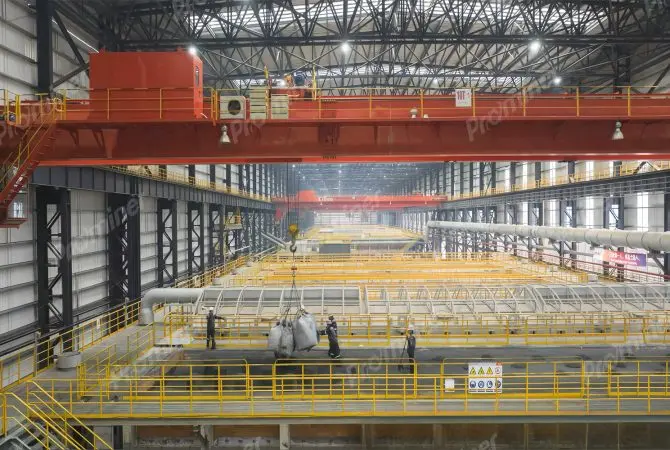
We can provide different type graphitization furnace for changing carbon material
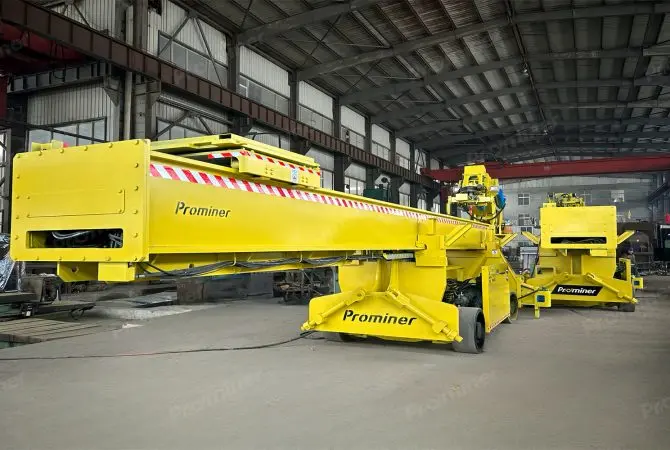
We can design and manufacture the mill relining machine (or called mill relining manipulator)
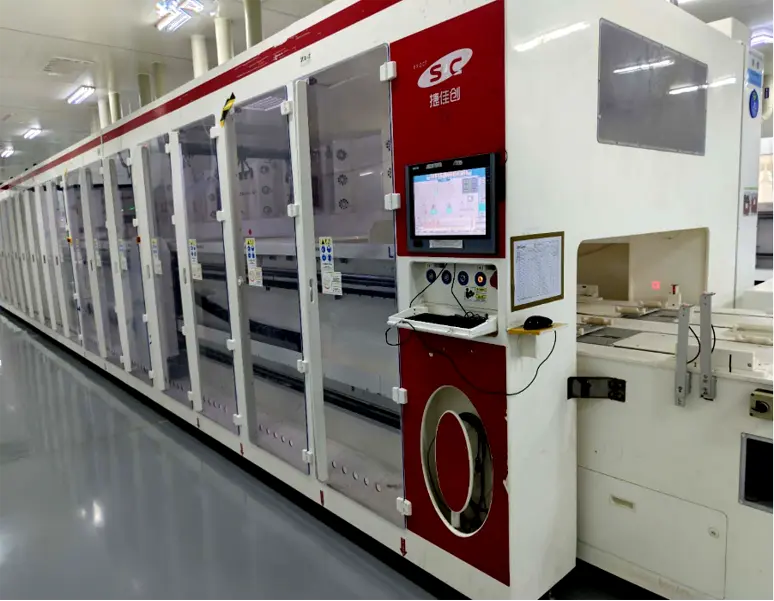
Such as: Boron diffusion furnace, BSG removal, Alkali polishing machine, PE-POLY…
To find out more about our products and solutions, please fll out the form below and one of our experts will get back to you shortly
3000 TPD Gold Flotation Project in Shandong Province
2500TPD Lithium Ore Flotation in Sichuan
Fax: (+86) 021-60870195
Address: No.2555,Xiupu Road, Pudong, Shanghai
Copyright © 2023. Prominer (Shanghai) Mining Technology Co.,Ltd.


