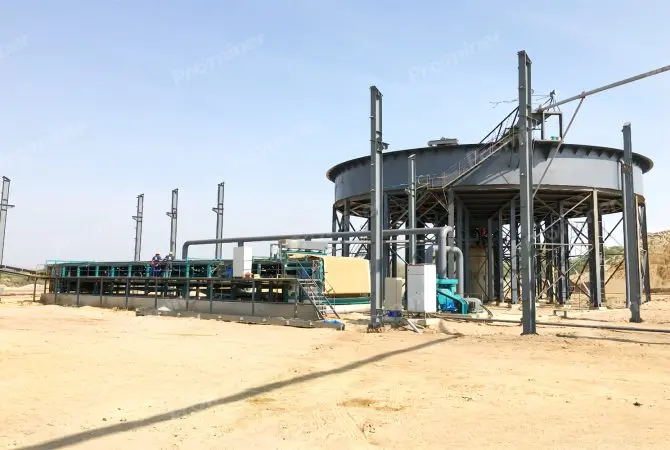

Vat leaching is a good option for the project owner to start at initial stage to save investment


/
/
What Key Aspects Should Be Considered in the Design of an Iron Ore Processing Plant?
Designing an iron ore processing plant requires a comprehensive approach that balances technical efficiency, economic viability, environmental responsibility, and operational safety. Each project presents unique challenges based on ore characteristics, location, and market requirements. Below are the key aspects that should be considered when planning and designing an iron ore processing plant.
The foundation of any successful processing plant design is a thorough understanding of the ore body. Detailed mineralogical and metallurgical testing must be conducted to determine:
These characteristics dictate the selection of beneficiation methods such as crushing, screening, gravity separation, magnetic separation, flotation, or a combination of processes. Without accurate ore characterization, plant performance and product quality can suffer significantly.
The process flow sheet outlines the sequence of operations required to convert raw ore into a marketable product. Key steps typically include:
Designing an efficient flow sheet involves optimizing recovery rates, minimizing energy consumption, and ensuring consistent product quality. Simulation software and pilot testing are often used to validate process design before full-scale implementation.
Determining the plant’s throughput capacity is critical. The design must consider:
Scalability is especially important in long-term mining projects. Designing modular systems or allocating space for additional equipment can reduce future expansion costs and downtime.
Selecting the right equipment ensures operational efficiency and reliability. Factors to consider include:
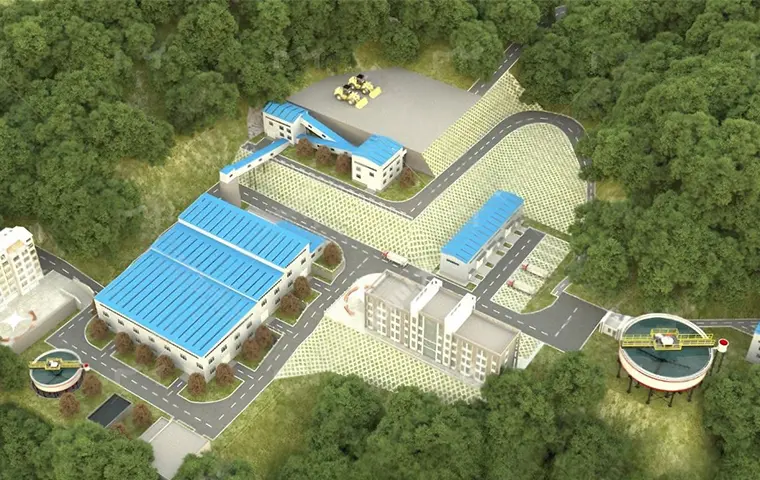
The plant layout should promote smooth material flow, minimize material handling distances, and reduce bottlenecks. Proper layout planning also enhances worker safety and simplifies maintenance activities.
Iron ore processing plants are resource-intensive operations. Sustainable management of water and energy is crucial.
Water management considerations include:
Energy efficiency measures may involve:
Reducing resource consumption lowers operating costs and improves environmental performance.
Environmental compliance is a central aspect of plant design. Regulatory requirements vary by region but commonly address:
Incorporating environmental safeguards from the early design stages reduces permitting delays and mitigates long-term liabilities.
Tailings management is one of the most critical elements of iron ore plant design. Engineers must determine:
Modern best practices increasingly favor dry stacking or paste tailings to reduce environmental risks and water consumption.
Advanced automation improves plant performance and reliability. Key technologies include:
Automation reduces human error, enhances process stability, and supports data-driven decision-making.
Safety must be integrated into every stage of plant design. Important factors include:
A well-designed plant minimizes risks to personnel while maintaining high productivity.
Finally, financial feasibility is a decisive factor. A comprehensive economic assessment should cover:
Balancing technical performance with cost efficiency ensures long-term profitability.
The design of an iron ore processing plant is a multidisciplinary task that requires careful consideration of geological, technical, environmental, and economic factors. By thoroughly evaluating ore characteristics, optimizing the process flow, selecting appropriate equipment, and prioritizing sustainability and safety, project developers can create efficient and resilient processing facilities that deliver consistent product quality and long-term value.
A: Mineral characteristics vary significantly even within the same ore body. A professional test (such as chemical analysis, XRD, and SEM) ensures the flowchart is optimized for your specific ore grade and liberation size. This prevents costly equipment mismatches and guarantees the highest possible recovery rates for your project.
A: We maintain a permanent stock of core wear parts (such as crusher liners, screen meshes, and grinding media). For international clients, we provide a recommended “2-year spare parts list” with the initial purchase. Technical support is available 24/7 via remote video, and site visits can be arranged for complex maintenance needs.
A: Yes. We send a team of senior mechanical and electrical engineers to the site to oversee the installation, commissioning, and load testing of the equipment. We also provide comprehensive on-site training for your local operators to ensure smooth long-term operation.
A: Absolutely. We specialize in providing EPCM (Engineering, Procurement, Construction Management) services. This includes everything from initial ore testing and mine design to equipment manufacturing, logistics, and full-scale plant integration, ensuring a seamless transition from greenfield to production.
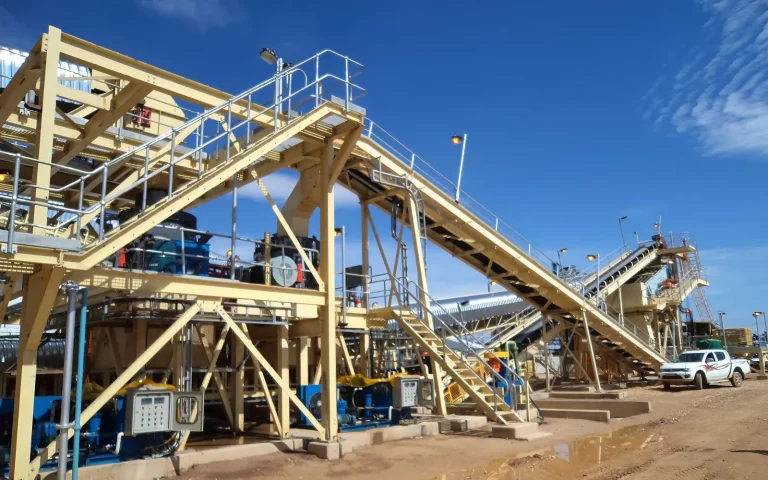
Vat leaching is a good option for the project owner to start at initial stage to save investment
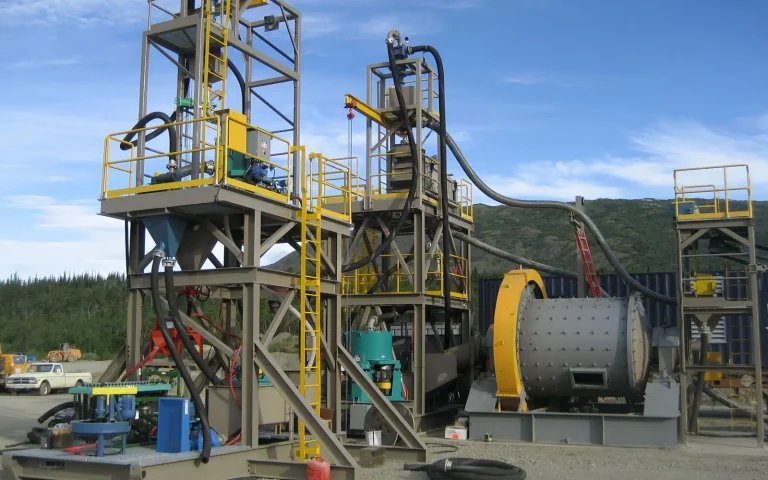
The best-known of the exogenetic ores is alluvial gold which also called placer gold. Alluvial gold refers
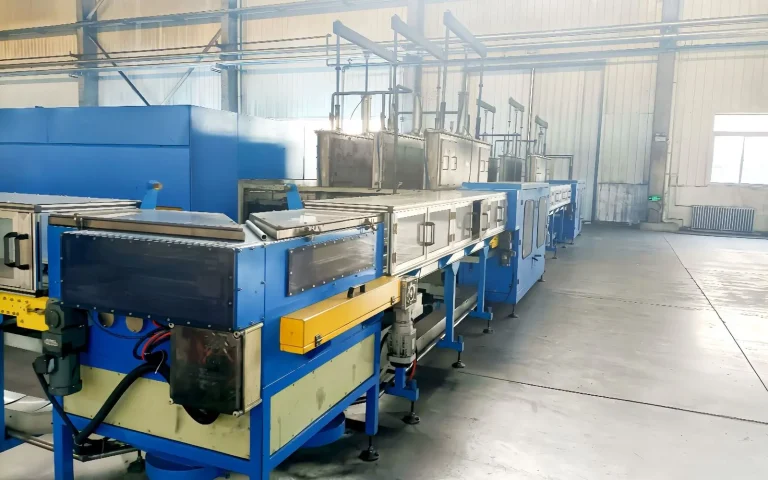
Hard carbon anode material is the most preferred materials for commercialization of sodium-ion battery

Raw Material: Fluorite Ore (CaF₂) Fluorspar Grade: 35% CaF₂ Concentrate Grade: 97% CaF₂
Raw Ore: High-Silica Phosphate Ore P2O5 Grade: 22% SiO2 Content: 35%
Raw Ore: Alluvial / Hard Rock Oxide Gold Ore (with free milling gold) Gold Grade: 2.5 g/t Gold Recovery Rate: > 88%
Raw Material: Artificial graphite anode, Natural graphite anode
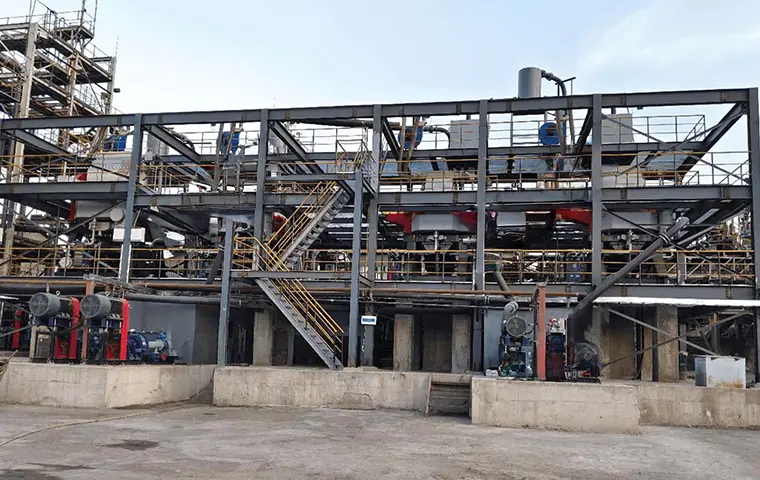
Raw Ore: South African Chrome Ore Original Cr₂O₃ Grade: 38% Upgraded Concentrate Grade: 46%
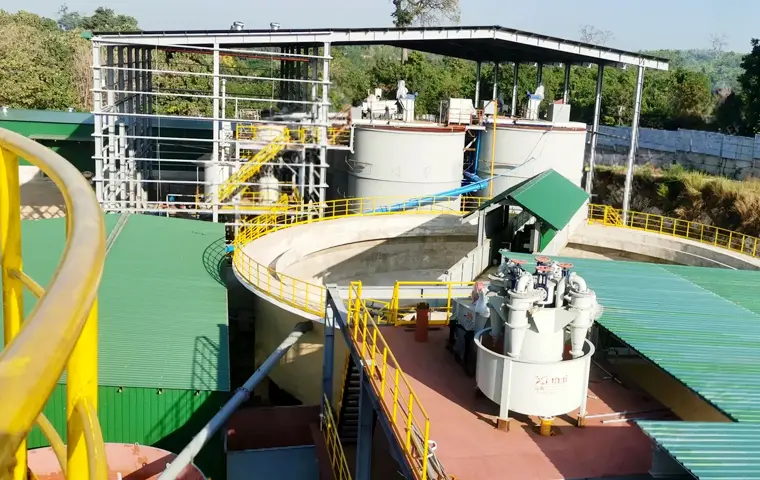
Raw Ore: Dual Oxide & Sulfide Gold Ore (Refractory in parts) Gold Grade: 3.5-4.2 g/t Final Product: Gold Doré (Au ≥96.5%)
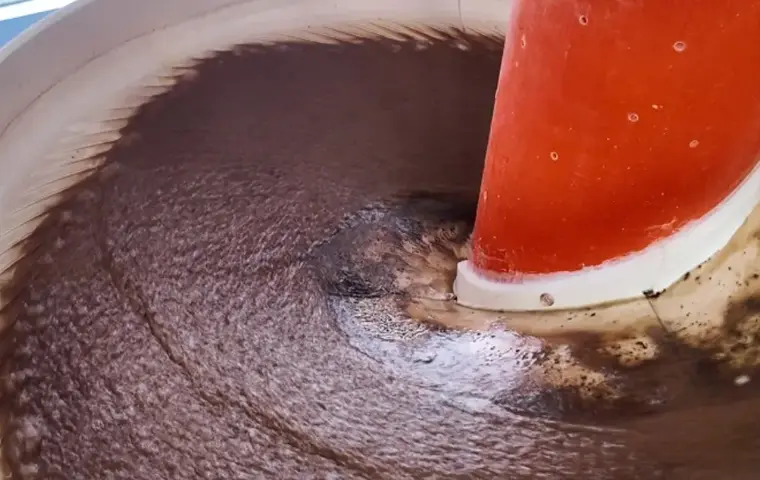
Raw Material: Iron ore tailings Processing Capacity: 800 tons per day
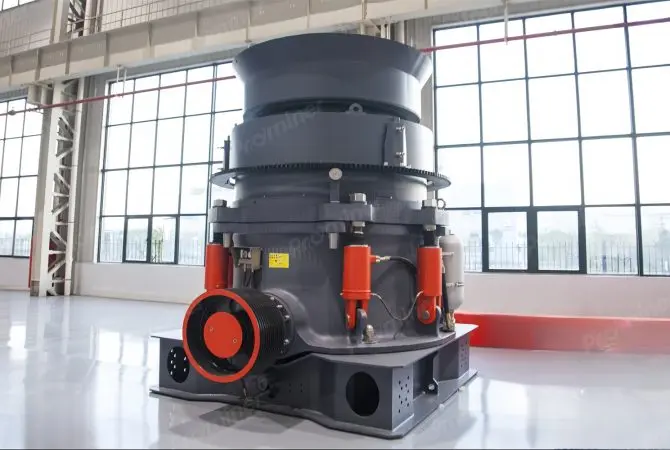
Multi-cylinder hydraulic cone crusher combines crusher speed, eccentricity and cavity profile
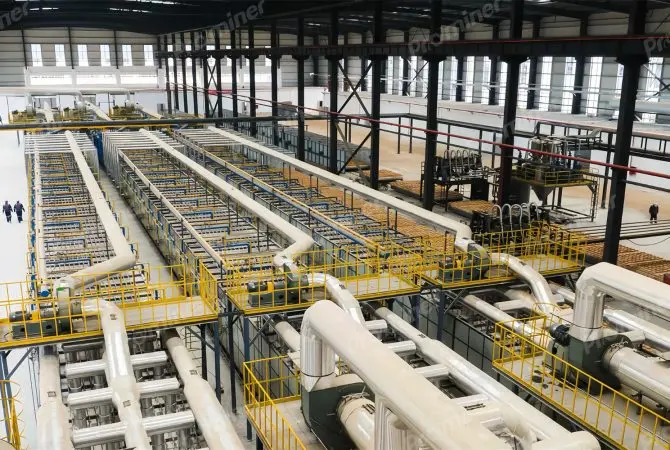
Prominer provides various types of furnaces for primary and secondary baking of carbon
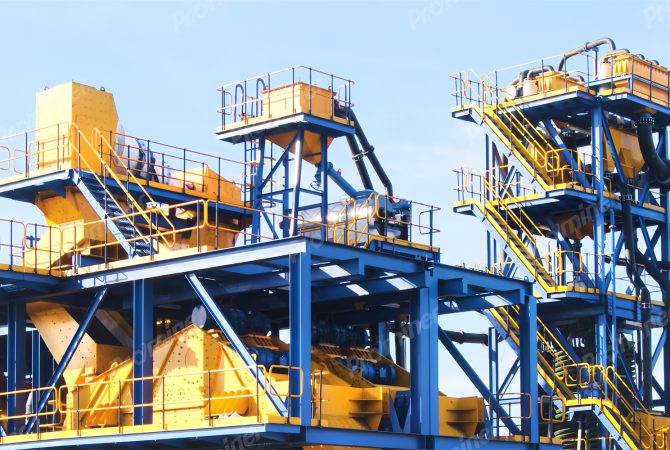
Prominer can provide different LIMS (Low Intensity Magnetic separator) magnetic separators
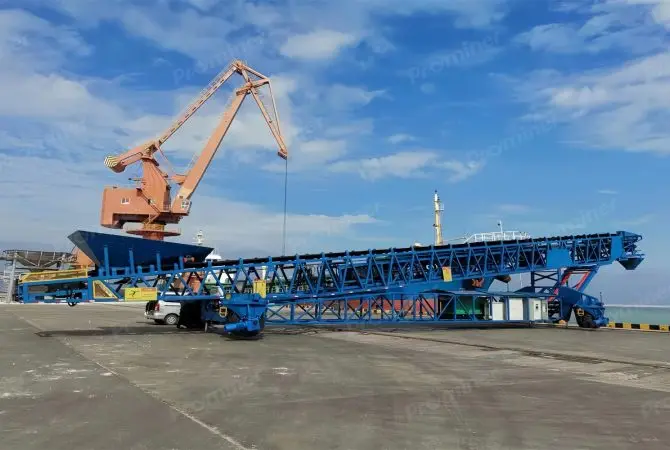
Our engineer team can design and manufacture the mobile type radial stacker, loader
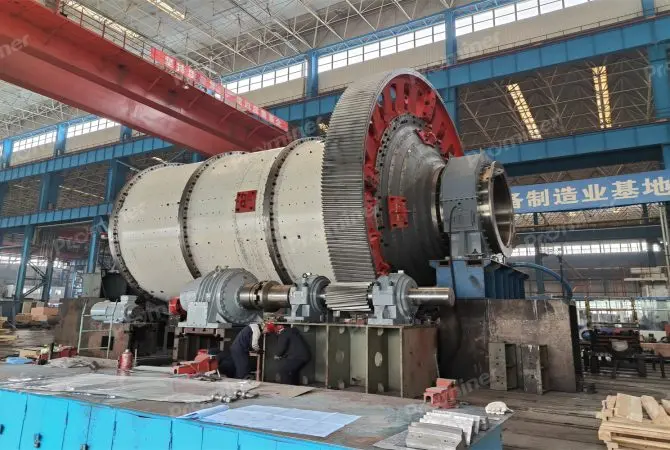
We can design and manufacture grate type ball mill for mineral primary grinding
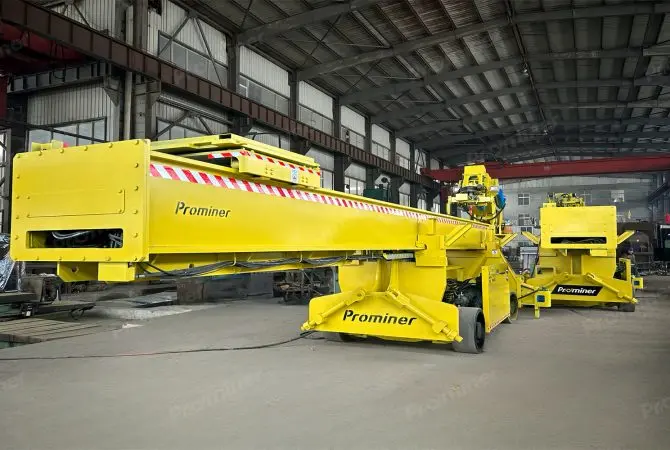
We can design and manufacture the mill relining machine (or called mill relining manipulator)
To find out more about our products and solutions, please fll out the form below and one of our experts will get back to you shortly
3000 TPD Gold Flotation Project in Shandong Province
2500TPD Lithium Ore Flotation in Sichuan
Fax: (+86) 021-60870195
Address: No.2555,Xiupu Road, Pudong, Shanghai
Copyright © 2023. Prominer (Shanghai) Mining Technology Co.,Ltd.