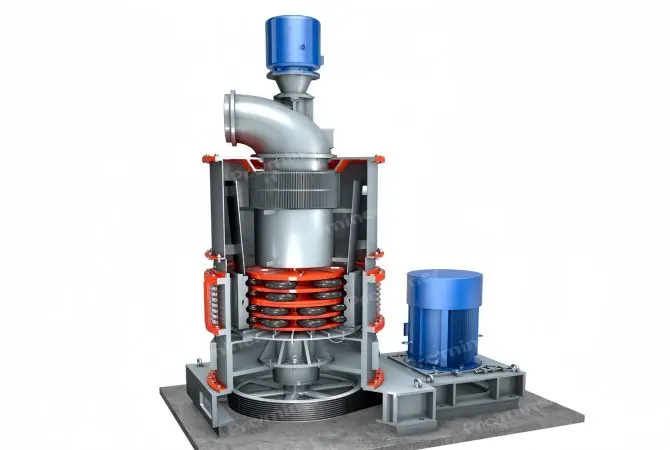
There are two types natural graphite ore include crystalline graphite and amorphous graphite




Recovering precious metals such as gold, silver, platinum, and palladium from ore is a complex process that depends on ore type, mineralogy, particle size, and plant design. High recovery rates are not achieved through a single machine or method, but through a combination of technologies that improve liberation, separation, extraction, and process control. When properly integrated, these technologies can significantly increase metal yield, reduce losses to tailings, and improve overall project economics.
The first step in optimizing recovery is understanding the ore itself. Advanced ore characterization technologies help operators determine how precious metals occur in the deposit, whether they are free-milling, locked in sulfides, associated with gangue minerals, or present in microscopic particles.
Techniques such as automated mineralogy, X-ray diffraction, scanning electron microscopy, and assaying provide detailed information about mineral composition and texture. This data supports better decisions on grinding size, flotation strategy, leaching conditions, and reagent selection. Without accurate characterization, even the most advanced recovery circuit may underperform.
Precious metals must often be liberated from surrounding rock before they can be recovered. Crushing and grinding technologies are therefore essential to recovery performance. The goal is to reduce ore to the optimal particle size for downstream separation without producing excessive fines or wasting energy.
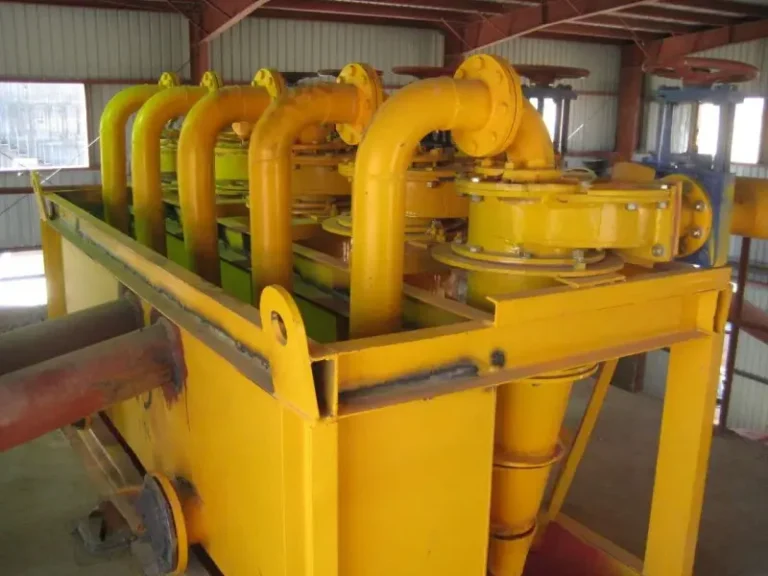
High-pressure grinding rolls, semi-autogenous grinding mills, ball mills, and stirred mills are commonly used depending on ore hardness and required grind size. Modern comminution circuits are often paired with classification equipment such as hydrocyclones or screens to maintain consistent particle size distribution. Efficient grinding improves liberation and gives gravity, flotation, and leaching systems a better chance to recover metal.
Gravity recovery is one of the oldest and most effective methods for capturing free precious metals, especially coarse gold. It works by exploiting differences in density between valuable minerals and waste rock.
Modern gravity technologies include centrifugal concentrators, shaking tables, spirals, jigs, and sluice systems. These tools are particularly useful in gold processing plants where a portion of the gold occurs as free particles. Recovering metal early through gravity separation can reduce the amount lost in later stages and lower the load on chemical extraction circuits. In many operations, gravity circuits are a cost-effective way to improve total plant recovery.
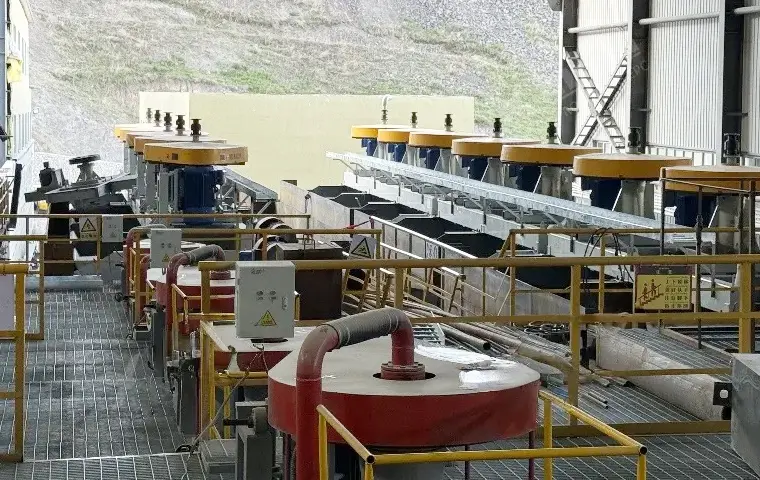
When precious metals are associated with sulfide minerals, flotation becomes a key recovery technology. This process uses reagents and air bubbles to selectively separate valuable minerals from gangue.
Flotation cells, columns, and advanced reagent schemes can be optimized to recover gold-bearing pyrite, arsenopyrite, silver sulfides, and platinum group mineral carriers. The effectiveness of flotation depends on careful control of particle size, pulp chemistry, reagent dosage, and residence time. Improvements in flotation design, including better air dispersion and froth management, can significantly raise concentrate grade and metal recovery.
For many gold and silver ores, leaching remains the most important extraction method. Cyanidation is widely used because of its ability to dissolve precious metals efficiently under controlled conditions. Technologies such as carbon-in-pulp, carbon-in-leach, and heap leaching are selected based on ore grade, permeability, and project scale.
Recovery can be improved through better oxygen management, pH control, cyanide dosing, and residence time optimization. In some cases, alternative lixiviants are also being explored where cyanide use is restricted or where ores are refractory. Well-designed leaching circuits are critical to maximizing dissolved metal extraction while controlling reagent consumption and environmental impact.
Some precious metal ores are classified as refractory because the metals are trapped within sulfides, carbonaceous matter, or other minerals that prevent direct leaching. In these cases, pre-treatment technologies are essential.
Key refractory ore technologies include pressure oxidation, roasting, bio-oxidation, and ultra-fine grinding. These methods break down the mineral matrix and expose the precious metals for subsequent leaching. Choosing the right pre-treatment route depends on mineralogy, capital cost, environmental requirements, and recovery targets. For difficult ores, refractory treatment can make the difference between poor recovery and economically viable extraction.
Once precious metals are dissolved in solution, they must be efficiently recovered. In gold and silver plants, activated carbon systems are widely used to adsorb dissolved metal from leach slurry or solution. Carbon screening, elution, and regeneration systems help maintain adsorption efficiency and minimize metal losses.
Electrowinning is then used to recover the metal from the eluate onto cathodes, followed by smelting to produce doré. The performance of these systems affects final recovery significantly. Poor carbon management, fouling, or inefficient stripping can lead to measurable losses even when leaching performance is strong.
Sensor-based ore sorting is increasingly used to improve recovery economics before material even enters the mill. These systems use X-ray transmission, optical sensors, near-infrared analysis, or laser-based detection to separate waste from ore or identify high-value material.
By rejecting barren rock early, ore sorting increases feed grade, reduces downstream processing volume, and allows more focused treatment of valuable material. In precious metal operations, this technology is particularly useful where mineralization is visually or chemically distinguishable. Although ore sorting does not directly recover metal, it improves the efficiency of the entire recovery chain.
Recovery optimization today depends heavily on digital technologies. Process automation systems help operators monitor and adjust plant conditions in real time, reducing variability and improving consistency.
Advanced control platforms track variables such as particle size, slurry density, reagent dosing, oxygen levels, pH, flotation froth behavior, and leach kinetics. Online analyzers and predictive software can identify recovery losses before they become major problems. With better data and automated response, plants can maintain operation closer to optimum conditions and improve overall metal yield.
Even well-run plants may lose valuable precious metals to tailings. As metal prices rise and technologies improve, tailings reprocessing has become an important opportunity for increasing recovery.
Technologies used in tailings retreatment include fine grinding, flotation, enhanced gravity separation, intensive leaching, and hydrometallurgical methods. Reprocessing old tailings can recover residual gold, silver, or platinum group metals while also reducing long-term environmental liabilities. In some operations, secondary recovery from tailings contributes meaningful additional revenue.
Recovery rates are strongly influenced by the chemistry of the process environment. Reagent selection and dosage affect flotation response, leach efficiency, adsorption behavior, and impurity control. Even small adjustments to collectors, frothers, depressants, cyanide, lime, or flocculants can have large impacts on recovery.
Water quality also matters. Recycled water, dissolved ions, suspended solids, and pH fluctuations can alter plant performance. Effective water treatment and circuit management help maintain stable conditions, especially in regions where fresh water is limited. Consistent chemistry supports consistent recovery.
The highest recovery rates usually come from an integrated approach rather than reliance on a single technology. A well-designed flowsheet combines ore characterization, proper comminution, appropriate gravity recovery, selective flotation, efficient leaching, and reliable downstream metal recovery.
Each technology must be matched to the specific ore body and operating goals. Pilot testing, metallurgical balancing, and continuous optimization are essential to finding the best combination. Plants that treat recovery as a system-wide challenge rather than an isolated unit operation are far more likely to achieve strong and sustainable results.
The key technologies that optimize recovery rates for precious metal ores include advanced mineralogical analysis, efficient crushing and grinding, gravity separation, flotation, leaching, refractory ore pre-treatment, carbon recovery, electrowinning, sensor-based sorting, automation, and tailings reprocessing. Their value lies not only in individual performance, but in how well they work together within a carefully engineered process.
As ore bodies become more complex and margins become tighter, the operations that invest in smart, data-driven, and ore-specific recovery technologies will be best positioned to maximize precious metal output and long-term profitability.
A: The choice depends entirely on your ore’s mineral characteristics:
Gravity Separation: Best for coarse-grained minerals with large density differences (e.g., placer gold).
Flotation: Ideal for fine-grained base metals (e.g., copper oxide) or removing impurities from non-metallic minerals (e.g., quartz sand).
Cyanidation (CIP): Necessary for fine, encapsulated precious metals (e.g., rock gold) to maximize chemical extraction.
A: This approach prevents over-grinding (creating excessive ultra-fine particles), which ruins flotation efficiency. By grinding in stages and immediately separating recovered minerals or waste at each stage, you significantly reduce energy consumption, minimize steel media wear, and protect valuable minerals from turning into unrecoverable slime.
A: Fine particles have low mass and high surface areas, making them hard to float. Key solutions include:
Advanced Reagents: Using highly selective collectors and flocculants to aggregate fine particles.
Micro-bubble Technology: Utilizing flotation columns that generate smaller bubbles to increase particle-bubble collision rates.
Desliming: Removing harmful ultra-fine slimes before the flotation stage to clear the process environment.
A: Relying on a single method is rarely enough. The key is a combined metallurgical flowsheet:
For High-Purity Quartz: Integrate scrubbing, magnetic separation (to remove iron), flotation (for feldspar), and acid leaching for the ultimate purity.
For Precious Metals: Combine gravity separation (to catch coarse gold early) with flotation and CIP (to extract fine gold), ensuring zero valuable minerals are wasted.
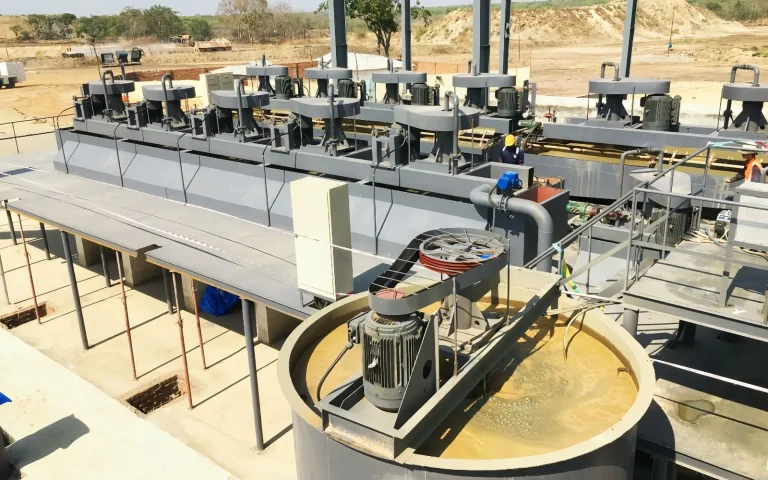
There are two types natural graphite ore include crystalline graphite and amorphous graphite
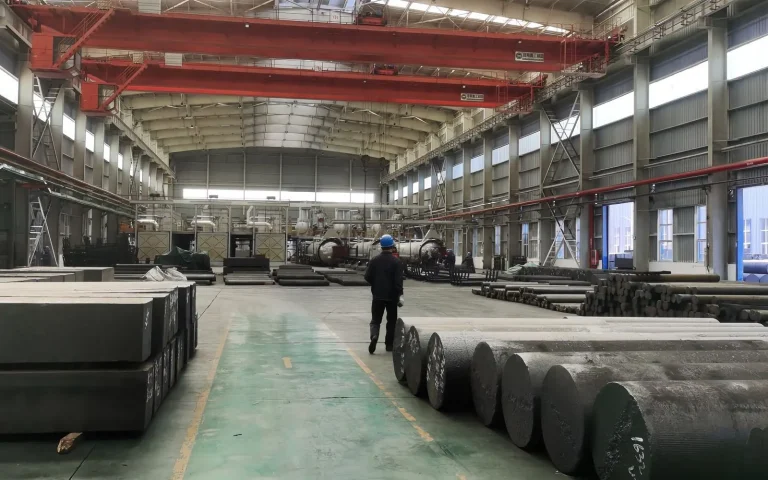
UHP graphite electrode is mainly used for ultra high power electric arc furnaces in steel smelting industry
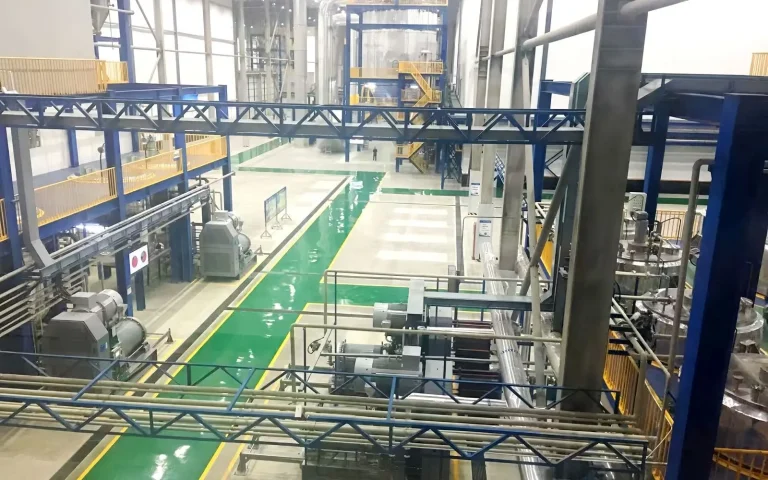
Cathode material is one of the key materials to determine the performance of lithium-ion batteries

Raw Ore: Alluvial Tin Ore (Cassiterite) Tin Grade: 0.8% Concentrate Grade: 65%
Raw Feed: Lithium Pegmatite Ore (Spodumene Dominant) Li₂O Grade: 1.2% Final Product: Battery-Grade Lithium
Raw Ore: Sulfide Type Gold Ore (with associated Pyrite and Arsenopyrite) Gold Grade: 4.2 g/t
Raw Material: Petroleum Coke, Needle Coke, Pitch Binder Project Capacity: 50,000 Tons Per Annum
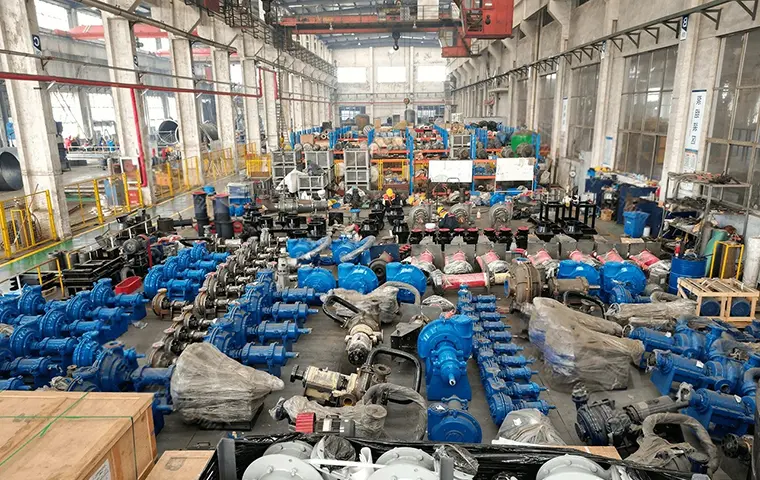
Raw Ore: Crystalline Flake Graphite Ore Feed Carbon Grade: 8–12% (Variable) Final Product: High-Purity Flake Graphite Concentrate
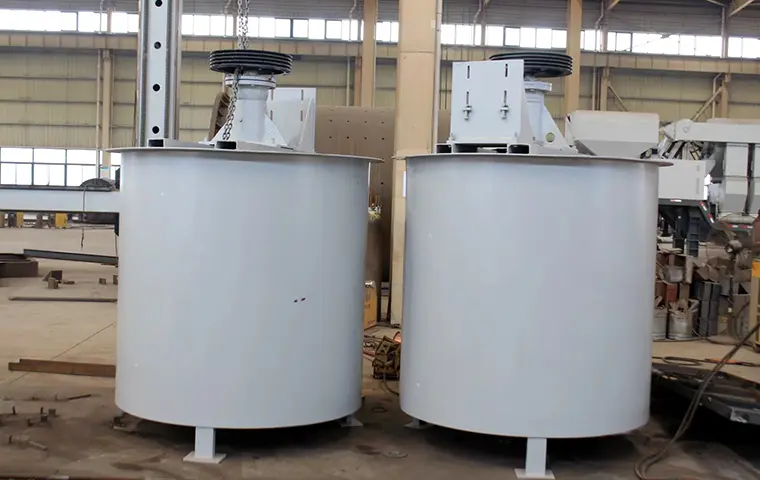
Raw Ore: Oxide Type Gold Ore Gold Grade: 2.5 g/t Gold Ingot Purity: 92%
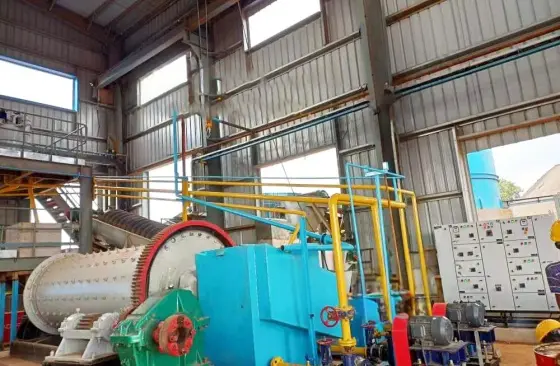
Raw Material: Sulfide Flotation Copper Tailings Metal Concentrate: Copper: 0.8%,Gold: 0.3 g/t,Silver: 5 g/t,Iron: 25%
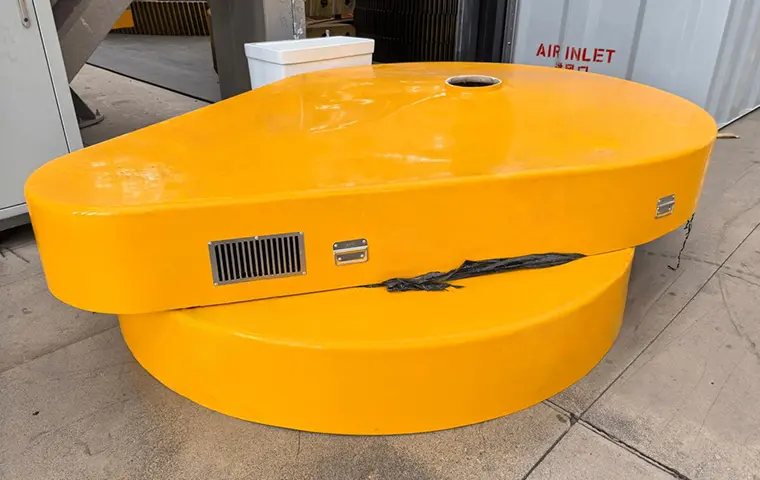
Raw Ore: Suitable for sulfide/oxide gold, copper, lithium, zinc, lead, and other non-ferrous metals
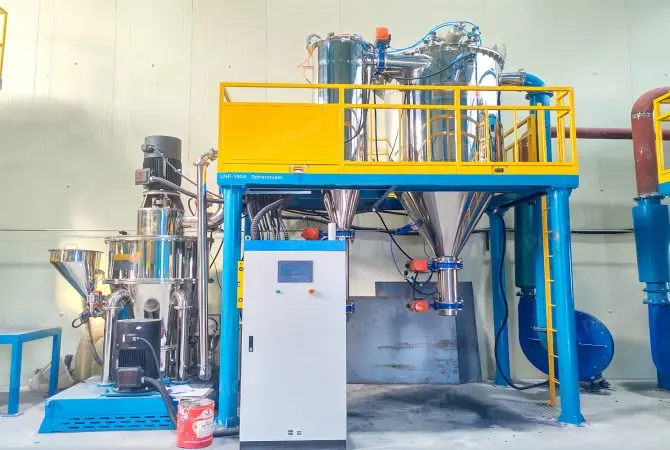
Besides strict PSD requirements, Anode Graphite also requires a spherical shape in order
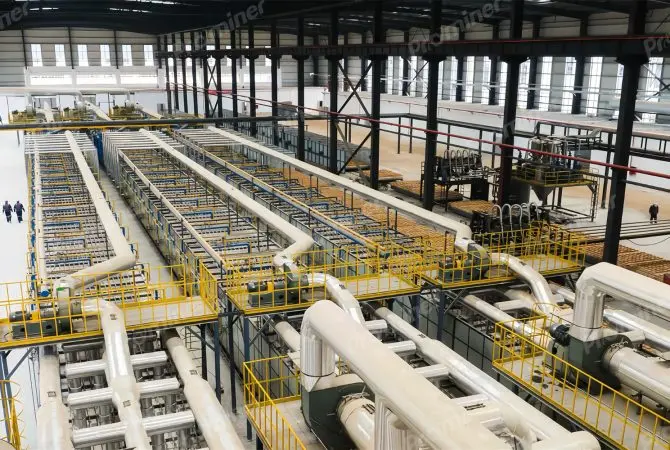
Prominer provides various types of furnaces for primary and secondary baking of carbon
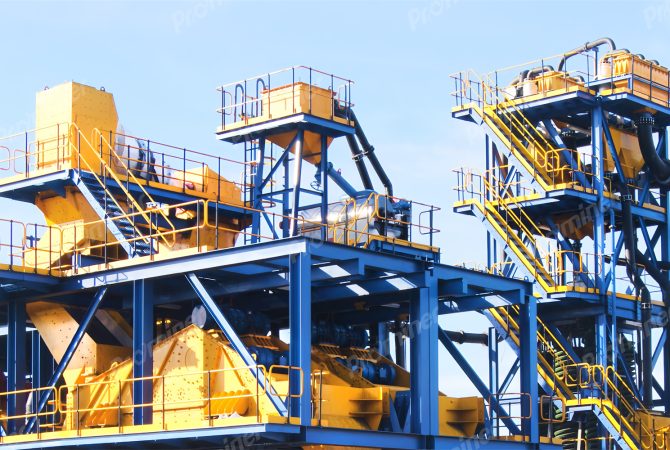
Prominer can provide different LIMS (Low Intensity Magnetic separator) magnetic separators
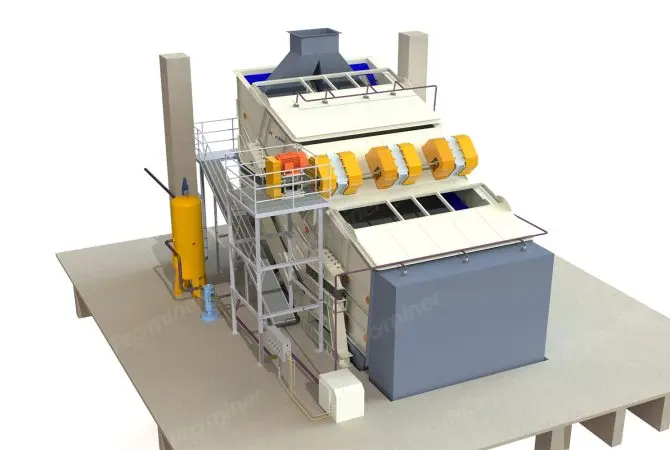
Flip-flow screen panel continues expanding and contracting so achieve a high acceleration rates
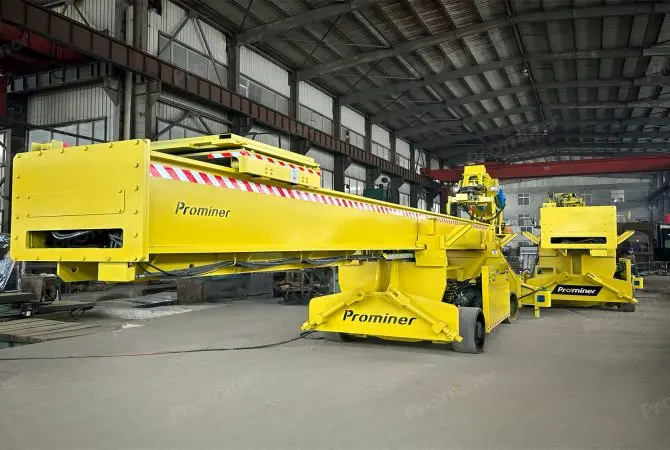
We can design and manufacture the mill relining machine (or called mill relining manipulator)
To find out more about our products and solutions, please fll out the form below and one of our experts will get back to you shortly
3000 TPD Gold Flotation Project in Shandong Province
2500TPD Lithium Ore Flotation in Sichuan
Fax: (+86) 021-58779592
Address: Room 606, Building D3, Phase II, Chuansha Business Center, 777 Long, Miaochuan Road, Pudong New Area, Shanghai,China
Copyright © 2023. Prominer (Shanghai) Mining Technology Co.,Ltd.