

Prominer can provide the complete solution for making natrual graphite anode materials include grinding




Designing a tungsten ore concentrator requires careful consideration of numerous factors to maximize recovery while maintaining efficiency and adhering to environmental and safety standards. The following are key rules and guidelines to follow:
By adhering to these principles, a tungsten ore concentrator can be developed to effectively recover valuable minerals while maintaining cost efficiency, safety, and environmental sustainability.
A: Mineral characteristics vary significantly even within the same ore body. A professional test (such as chemical analysis, XRD, and SEM) ensures the flowchart is optimized for your specific ore grade and liberation size. This prevents costly equipment mismatches and guarantees the highest possible recovery rates for your project.
A: We maintain a permanent stock of core wear parts (such as crusher liners, screen meshes, and grinding media). For international clients, we provide a recommended “2-year spare parts list” with the initial purchase. Technical support is available 24/7 via remote video, and site visits can be arranged for complex maintenance needs.
A: Yes. We send a team of senior mechanical and electrical engineers to the site to oversee the installation, commissioning, and load testing of the equipment. We also provide comprehensive on-site training for your local operators to ensure smooth long-term operation.
A: Absolutely. We specialize in providing EPCM (Engineering, Procurement, Construction Management) services. This includes everything from initial ore testing and mine design to equipment manufacturing, logistics, and full-scale plant integration, ensuring a seamless transition from greenfield to production.
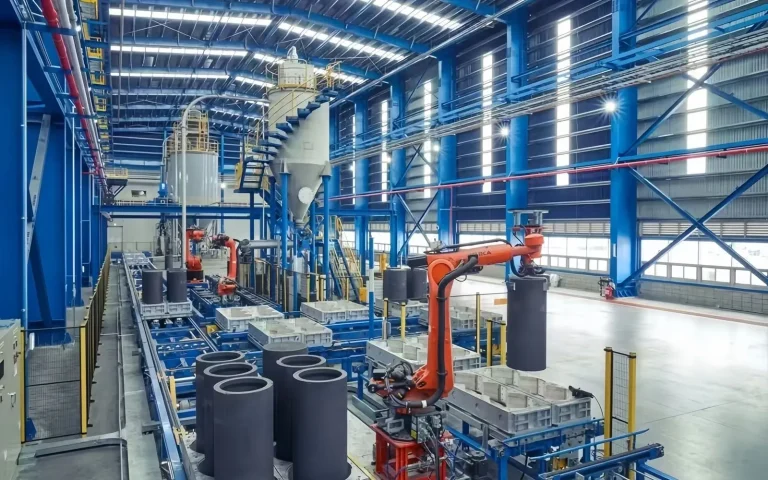
Prominer can provide the complete solution for making natrual graphite anode materials include grinding
Provide the complete solution for making graphite anode materials include grinding, shaping, purification…
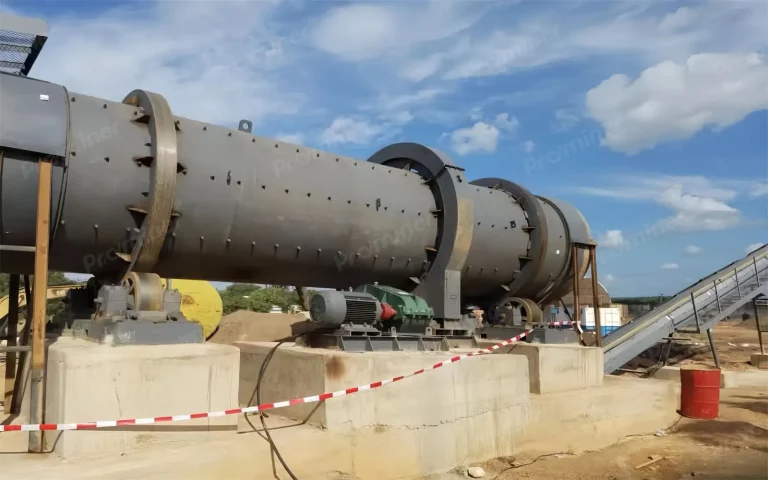
Heap leaching is a traditional cyanide leaching processing way which is flexible and economic to extract gold

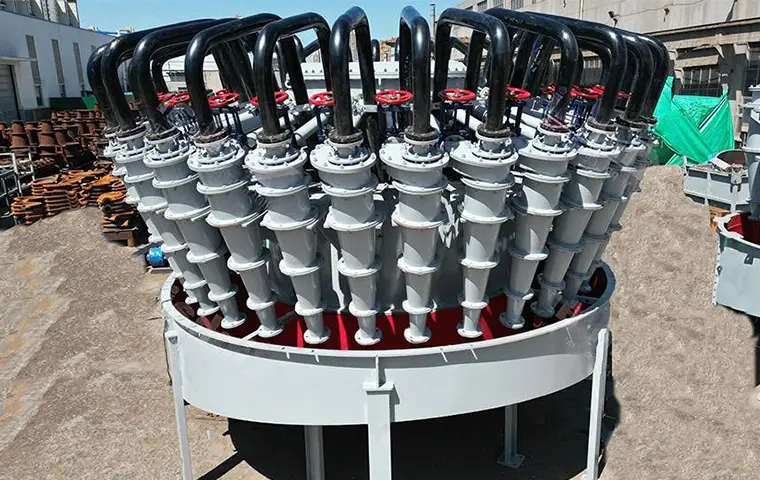
Raw Ore: Lithium Spodumene Ore Li₂O Grade: 1.45% Concentrate Grade: 6.20%
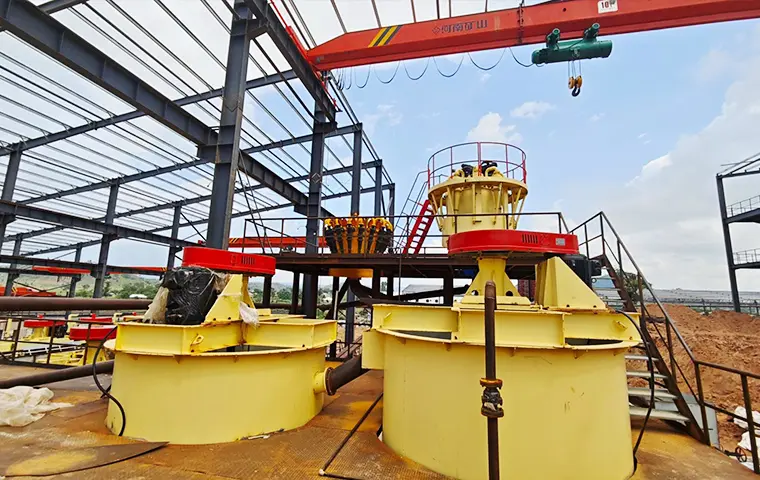
Raw Ore: Lithium-bearing pegmatite ore (spodumene) Li₂O Grade: 1.0–1.5% Target Concentrate Grade: ≥5.5% Li₂O
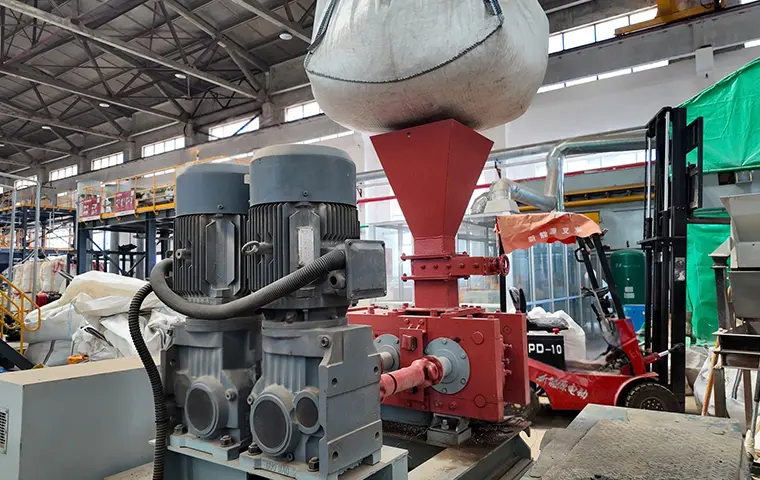
Project Objective: To determine the optimal processing flowsheet and provide scale-up data for a full-scale plant.
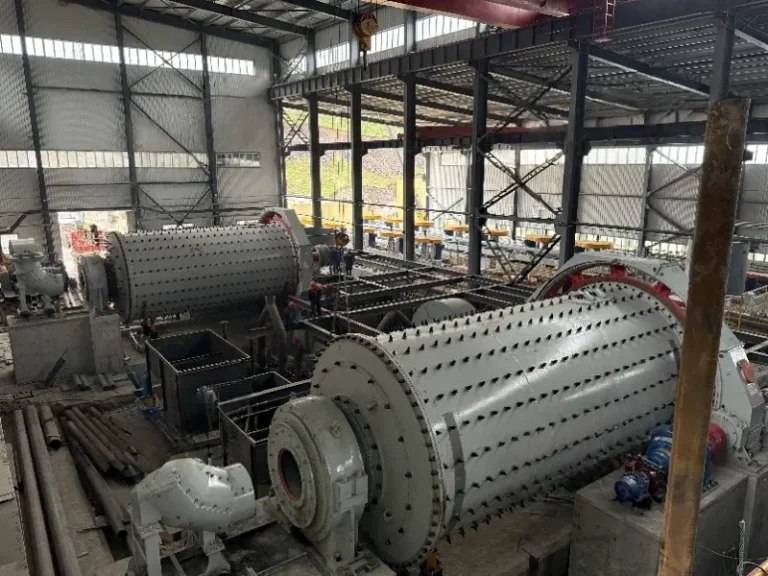
Raw Ore: Limonite Type Laterite Nickel Ore Ni Grade: 1.2% Co Grade: 0.12%
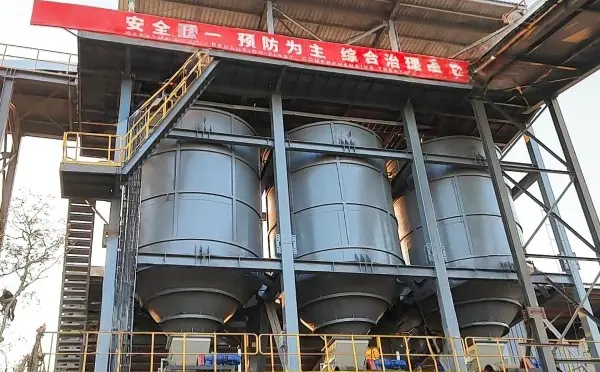
Raw Ore: Lepidolite, Spodumene, Gangue minerals: Quartz, Feldspar, Mica Li₂O Grade: 0.8%
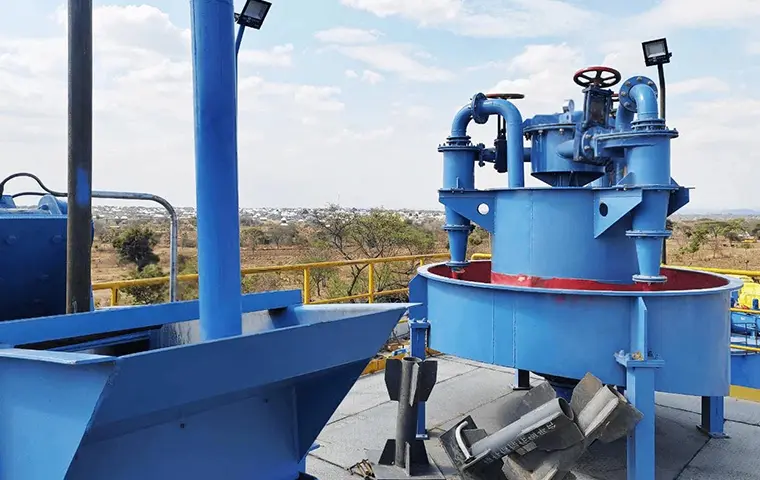
Capacity Target: Increase processing capacity from 500 TPD to 850 TPD in phases without halting production.
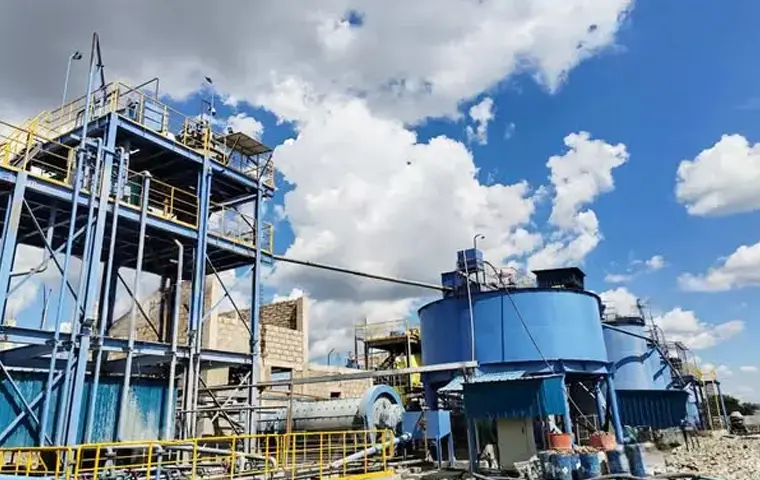
Raw Ore: Copper-Gold Ore Copper Grade: 1.2% Gold Grade: 1.5 g/t Recovery Rate: Copper 89%, Gold 88%
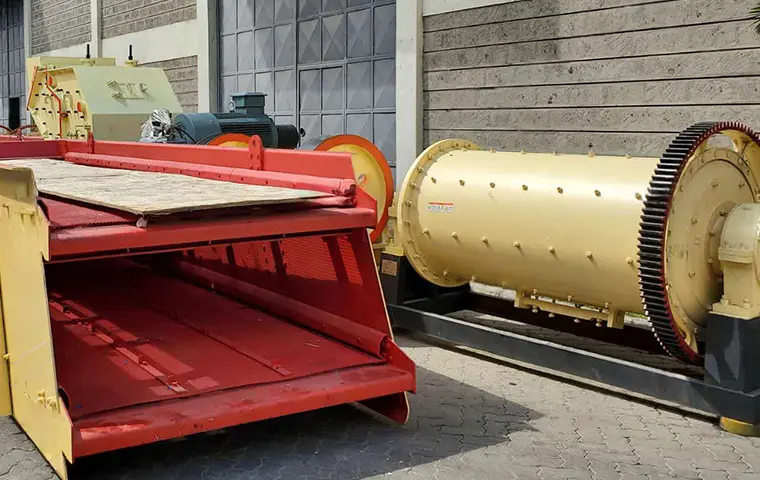
Raw Ore: Mixed Oxide and Sulfide Gold Ore Gold Grade: 3.5 g/t Gold Recovery Rate: 92%
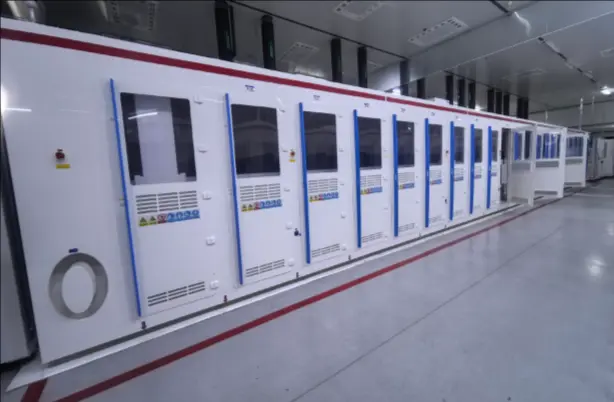
Include: Monocrystalline Batch Texturing Equipment, Batch Texturing Loader/Unloader, Low-Pressure…
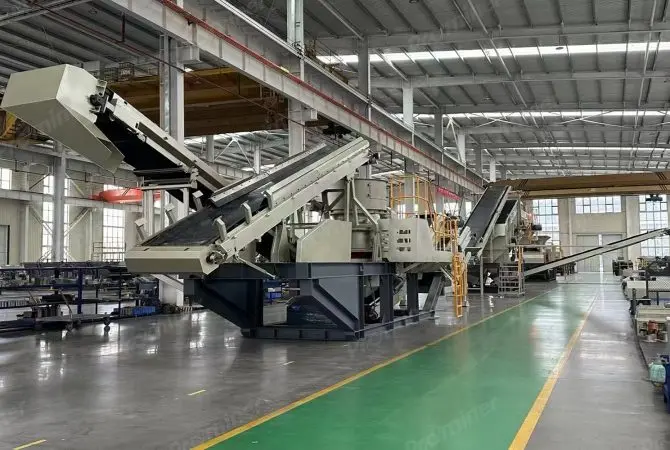
Skid mounted Portable Crusher, based on market requirements of easier moving from one site
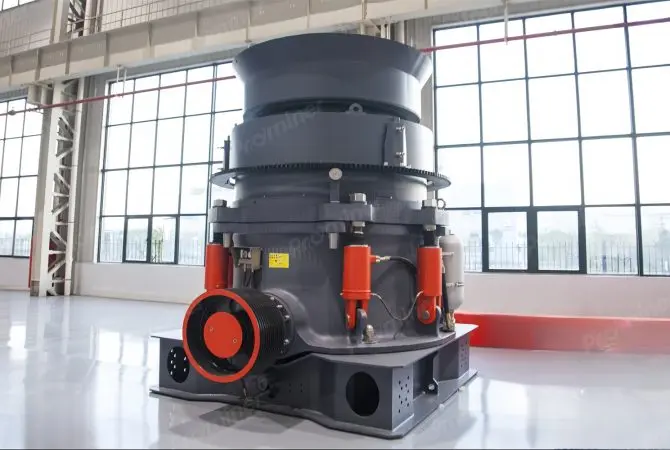
Multi-cylinder hydraulic cone crusher combines crusher speed, eccentricity and cavity profile
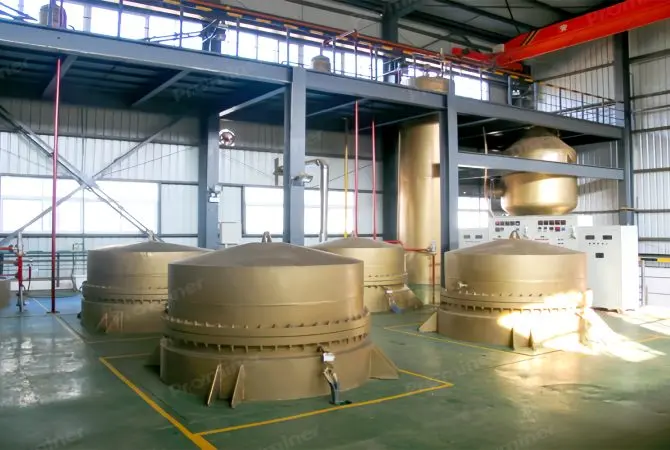
Prominer can design and provide the complete refinery and smelting system for gold CIL project
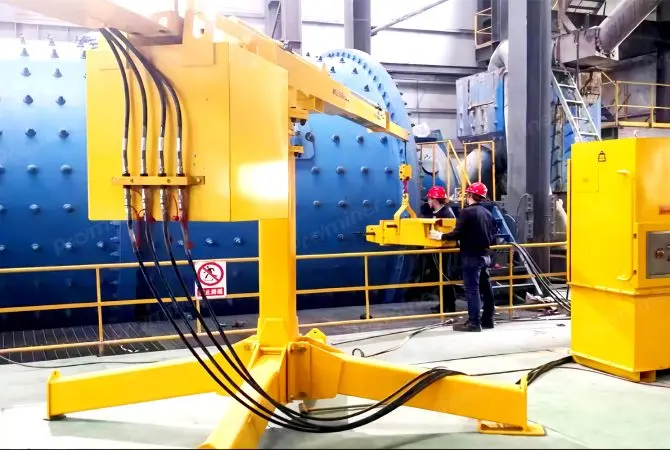
We can manufacture the highly automated and powerful recoilless Bolt Hammer to remove
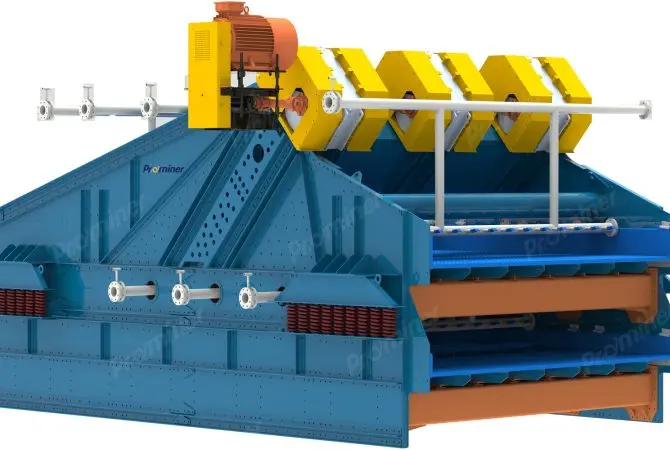
Prominer can provide all kinds of linear screen for mineral grading, material sizing, dewatering
To find out more about our products and solutions, please fll out the form below and one of our experts will get back to you shortly
3000 TPD Gold Flotation Project in Shandong Province
2500TPD Lithium Ore Flotation in Sichuan
Fax: (+86) 021-60870195
Address: No.2555,Xiupu Road, Pudong, Shanghai
Copyright © 2023. Prominer (Shanghai) Mining Technology Co.,Ltd.


