

Spodumene and lepidolite are very important lithium bearing minerals and they are very easy to recover



The flotation techniques used to separate chalcopyrite (a copper-iron sulfide mineral) from pyrrhotite (an iron sulfide mineral) typically involve differences in their surface properties and interaction with flotation reagents. To achieve effective separation, froth flotation with appropriate reagents and conditions is employed. Below are the main techniques used for their separation:
In practice, a combination of these techniques is tailored to the specific ore being processed in order to achieve successful separation of chalcopyrite from pyrrhotite.
Prominer (Shanghai) Mining Technology Co., Ltd. specializes in providing complete mineral processing and advanced materials solutions globally. Our core focus includes: gold processing, lithium ore beneficiation, industrial minerals. Specializing in anode material production and graphite processing.
Products include: Grinding & Classification, Separation & Dewatering, Gold Refining, Carbon/Graphite Processing and Leaching Systems.
We offer end-to-end services including engineering design, equipment manufacturing, installation, and operational support, backed by 24/7 expert consultation.
Our Website Url: https://www.prominetech.com/
Our Email: [email protected]
Our Sales: +8613918045927(Richard), +8617887940518(Jessica), +8613402000314(Bruno)
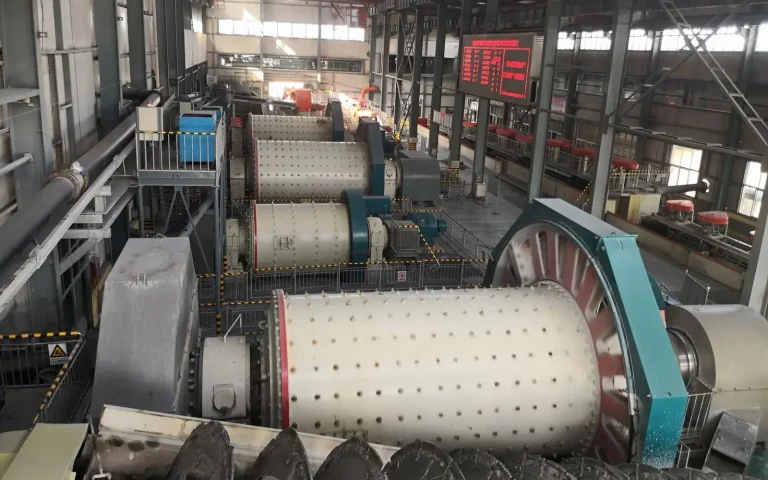
Spodumene and lepidolite are very important lithium bearing minerals and they are very easy to recover
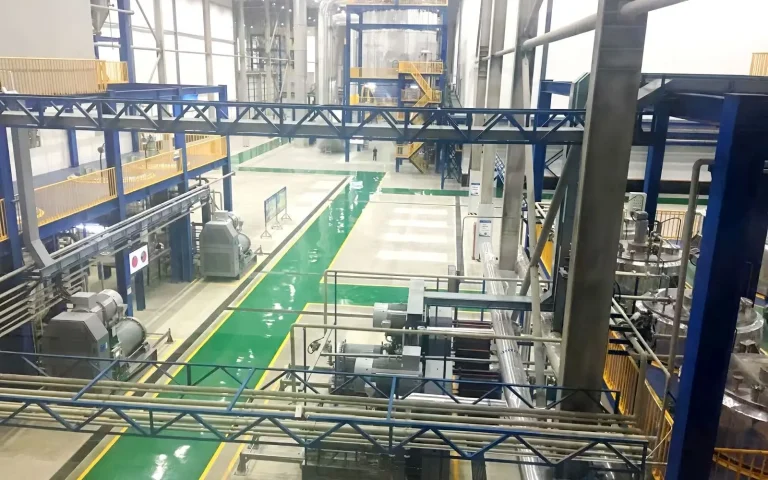
Cathode material is one of the key materials to determine the performance of lithium-ion batteries
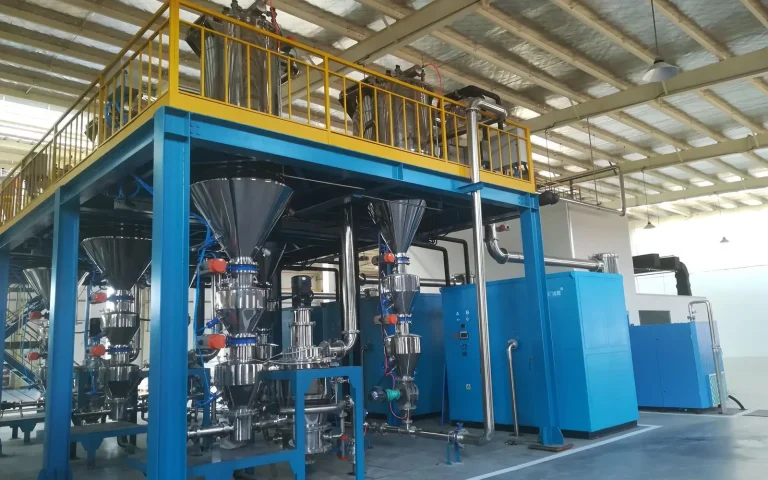
Silicon based anode is one kind of composite anode material by compounding silicon

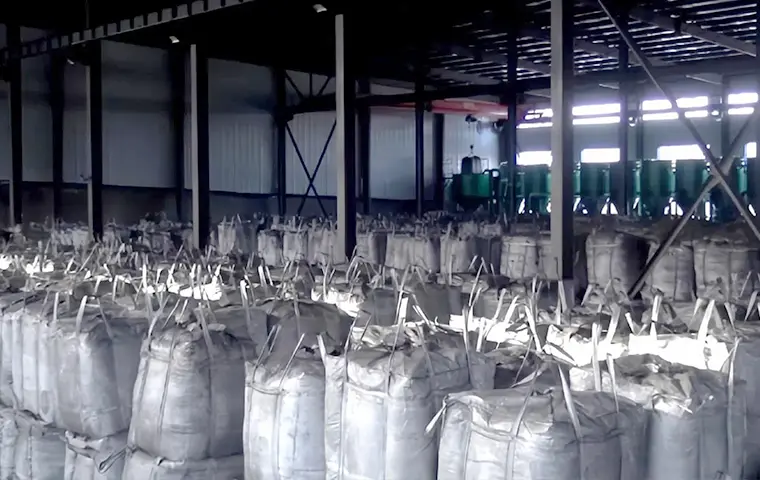
Raw Material: Graphite Flotation Concentrate (95% C) Project Capacity: 10,000 tons per annum
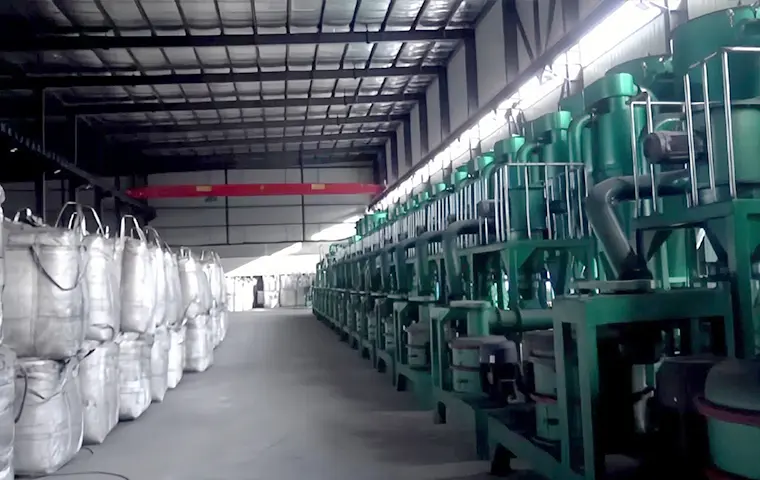
Raw Material: High-Purity Graphite (99.95% C) Project Capacity: 10,000 tons per annum
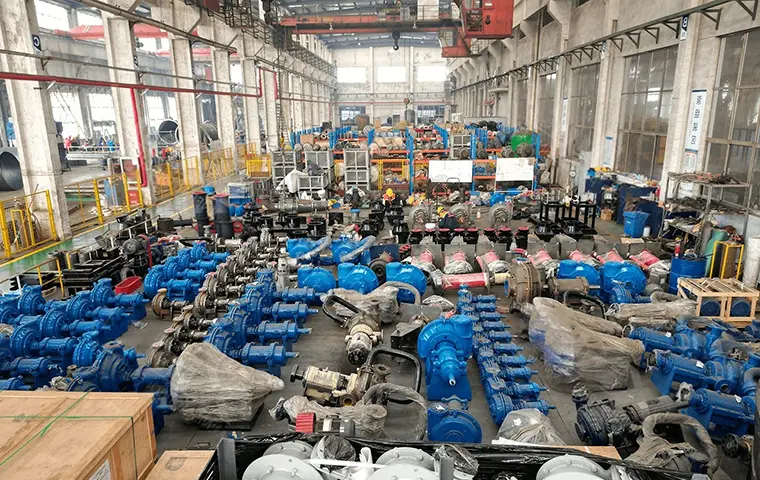
Raw Ore: Crystalline Flake Graphite Ore Feed Carbon Grade: 8–12% (Variable) Final Product: High-Purity Flake Graphite Concentrate
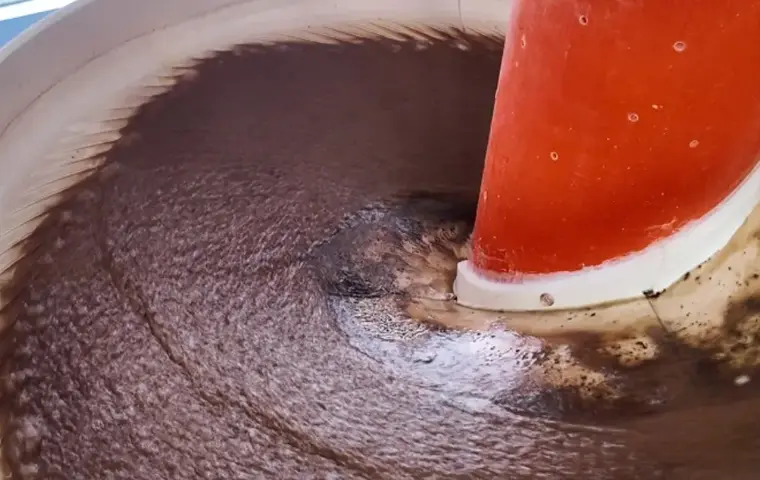
Raw Material: Iron ore tailings Processing Capacity: 800 tons per day
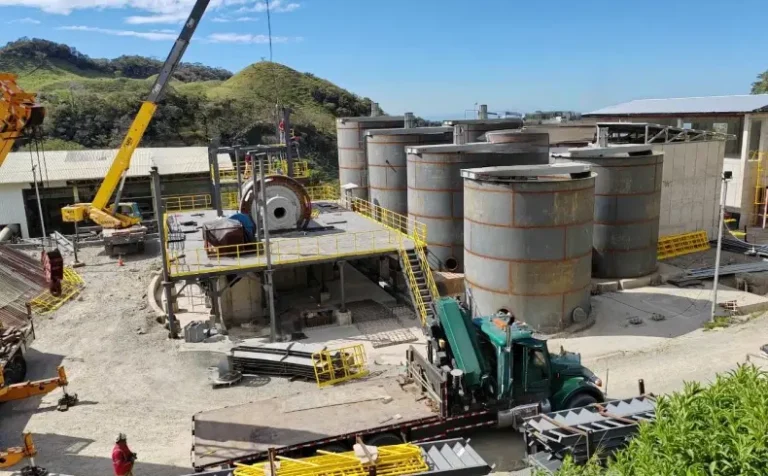
Raw Ore: Oxide-Sulfide Mixed Gold Ore Gold Grade: 3.5-7 g/t Gold Ingot Purity: 99.5%
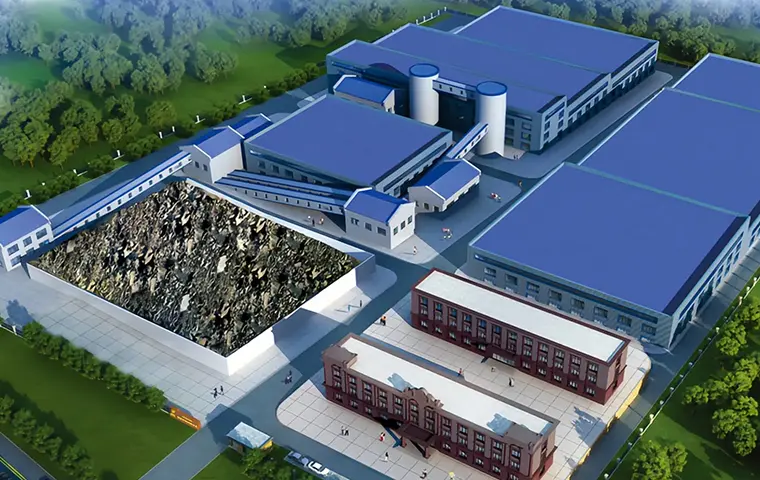
Raw Material: Natural Graphite Ore Concentrate Grade: 95% C TGC Final Product: Graphite Flotation Concentrate
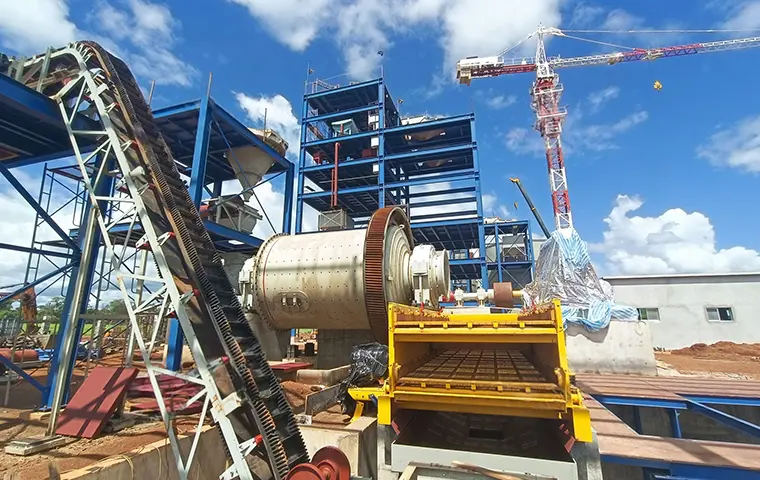
Raw Ore: Oxide Type Gold Ore Gold Grade: 3.5 g/t Gold Ingot Purity: 96%
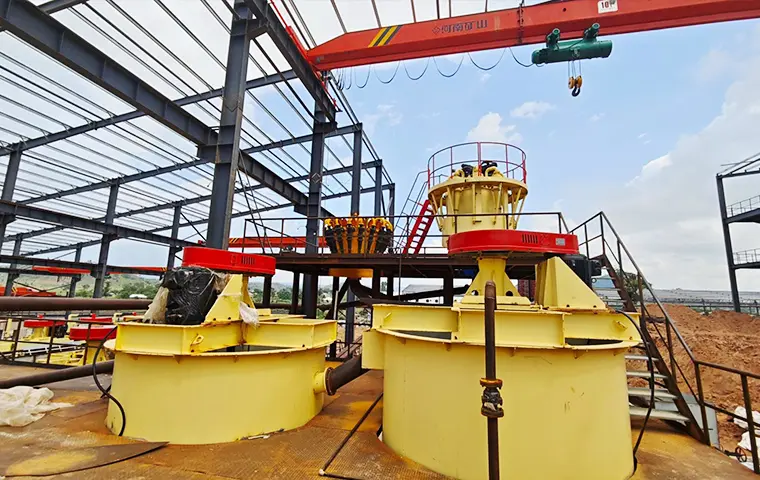
Raw Ore: Lithium-bearing pegmatite ore (spodumene) Li₂O Grade: 1.0–1.5% Target Concentrate Grade: ≥5.5% Li₂O
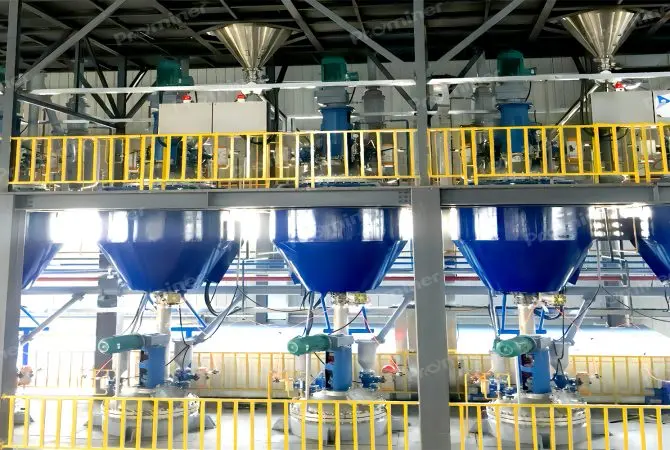
Our granulation reactor combines the coating and granulation processing functions together
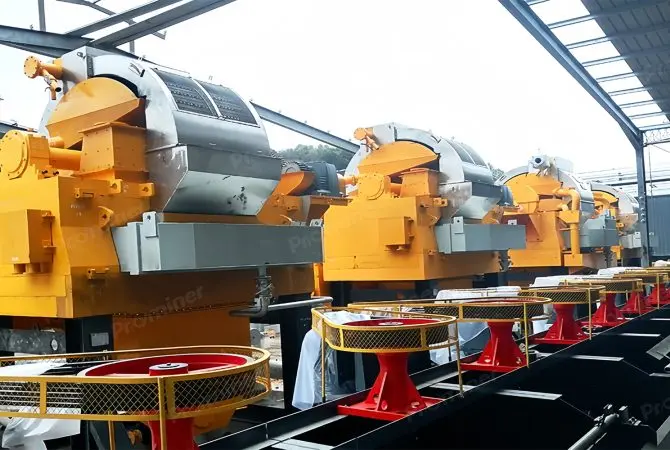
Prominer can provide different HIMS (High Intensity Magnetic separator) magnetic separators
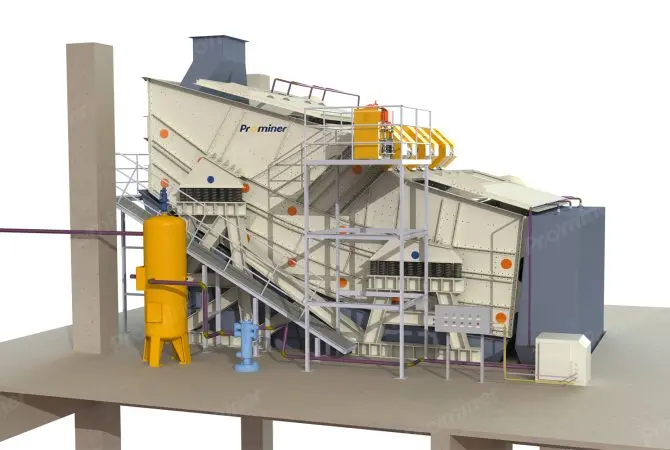
Banana screen is also well known as constant bed thickness screen. Prominer has the ability to supply dry
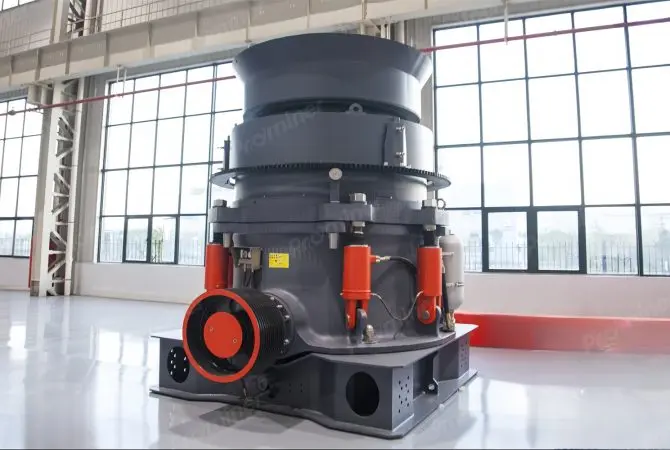
Multi-cylinder hydraulic cone crusher combines crusher speed, eccentricity and cavity profile
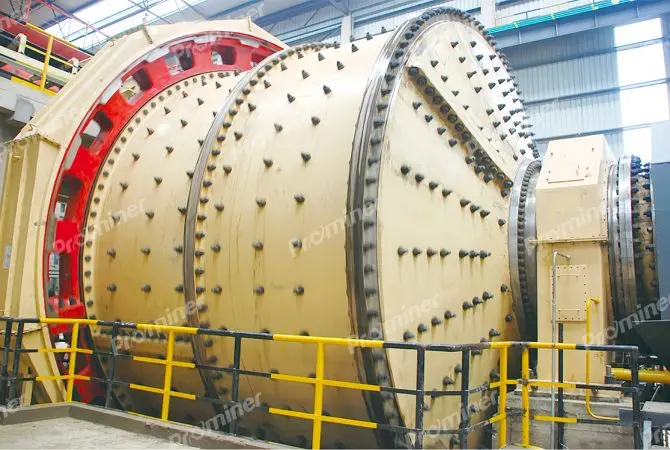
AG/SAG is short for autogenous mill and semi-autogenous mill, it combines with two functions of crushing
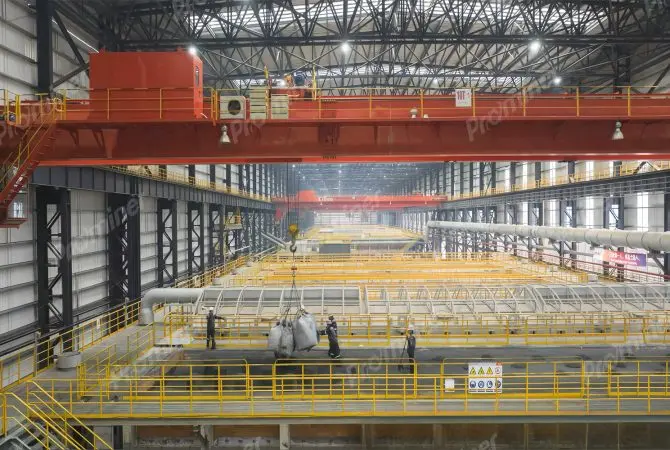
We can provide different type graphitization furnace for changing carbon material
To find out more about our products and solutions, please fll out the form below and one of our experts will get back to you shortly
3000 TPD Gold Flotation Project in Shandong Province
2500TPD Lithium Ore Flotation in Sichuan
Fax: (+86) 021-60870195
Address: No.2555,Xiupu Road, Pudong, Shanghai
Copyright © 2023. Prominer (Shanghai) Mining Technology Co.,Ltd.


