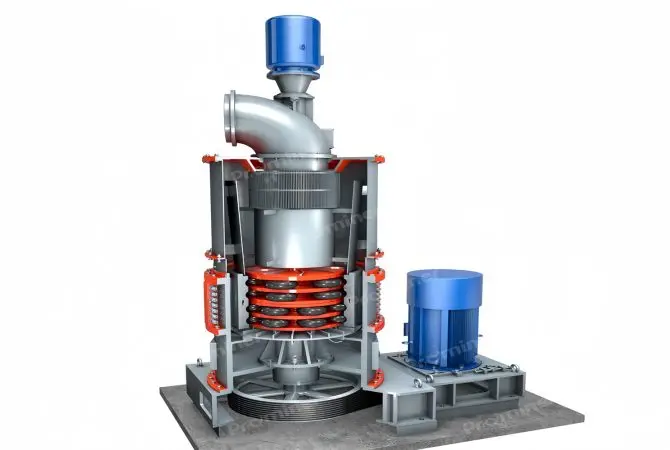
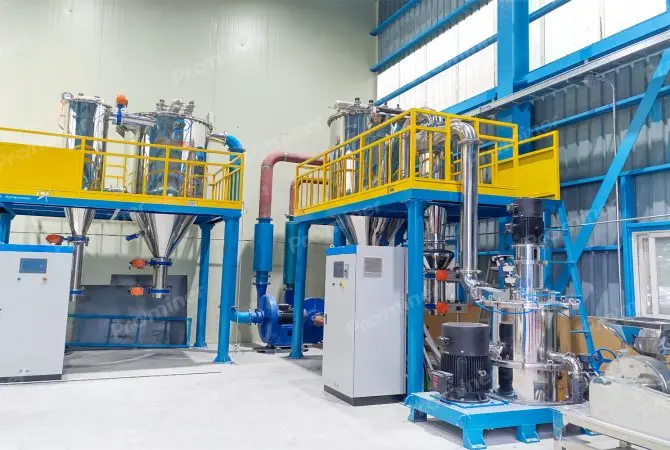
Vat leaching is a good option for the project owner to start at initial stage to save investment



The best impurity removal technique for quartz contamination depends on the type of impurities present as well as the intended use of the quartz. Here are some common techniques employed to solve quartz contamination:
The best technique will depend on the type and level of contamination in your quartz as well as your industry’s purity requirements. For example:
If you provide more details about the impurities you’re targeting and the desired level of quartz purity, I can help refine the recommendation.
Prominer (Shanghai) Mining Technology Co., Ltd. specializes in providing complete mineral processing and advanced materials solutions globally. Our core focus includes: gold processing, lithium ore beneficiation, industrial minerals. Specializing in anode material production and graphite processing.
Products include: Grinding & Classification, Separation & Dewatering, Gold Refining, Carbon/Graphite Processing and Leaching Systems.
We offer end-to-end services including engineering design, equipment manufacturing, installation, and operational support, backed by 24/7 expert consultation.
Our Website Url: https://www.prominetech.com/
Our Email: [email protected]
Our Sales: +8613918045927(Richard), +8617887940518(Jessica), +8613402000314(Bruno)
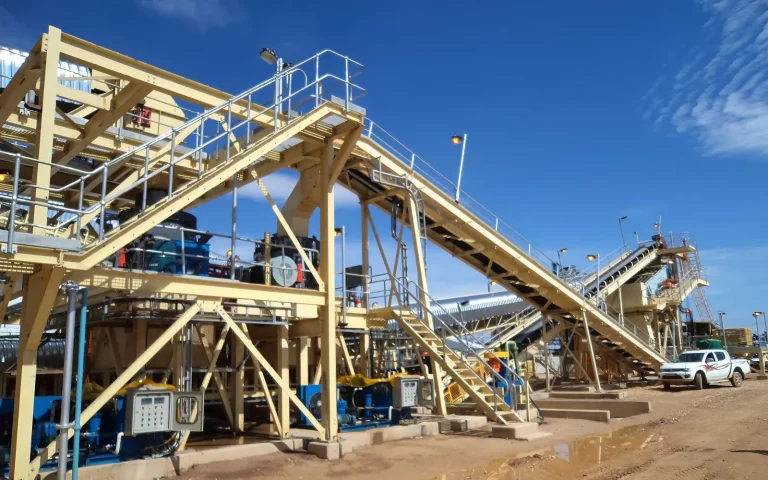
Vat leaching is a good option for the project owner to start at initial stage to save investment
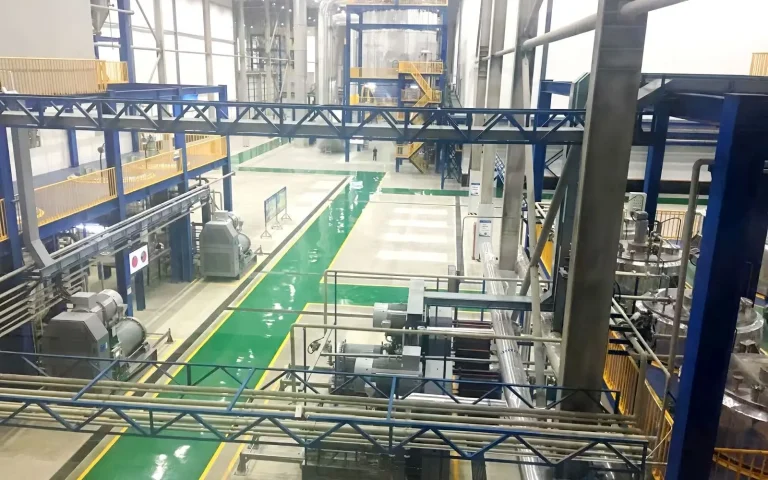
Cathode material is one of the key materials to determine the performance of lithium-ion batteries
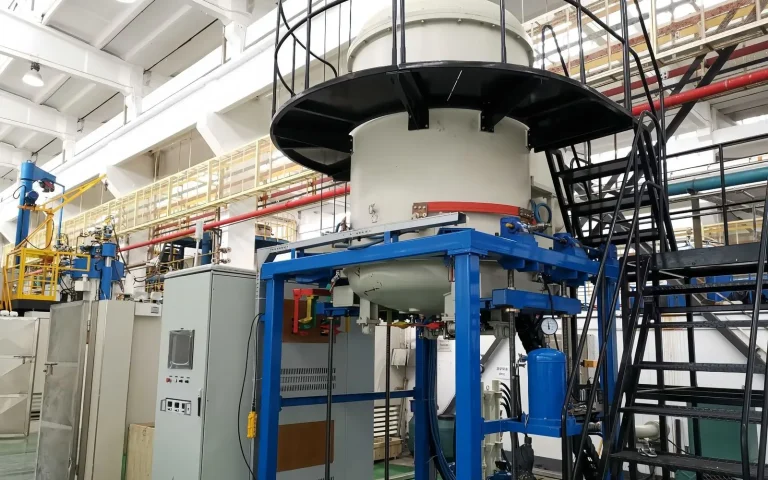
The demand from the industry over the years has been for special graphite and carbon with increasingly tighter

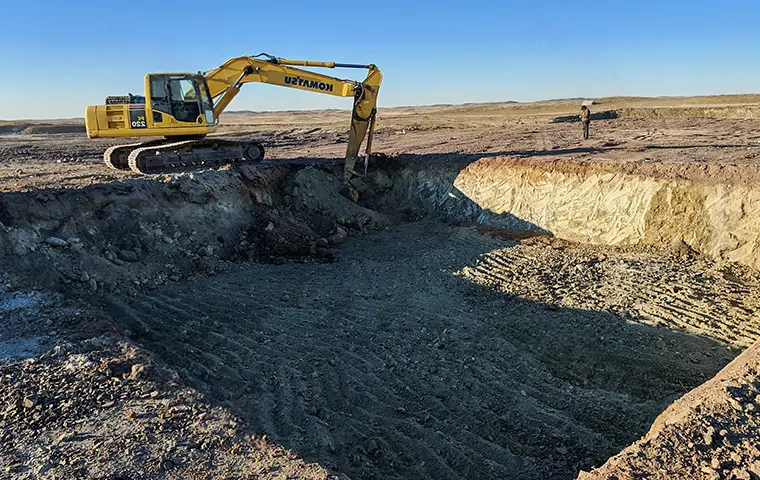
Raw Material: Gold mine tailings slurry from CIL plant Tailings Solids Content: 35-40% Final Stacking Density: 1.6-1.8 t/m³
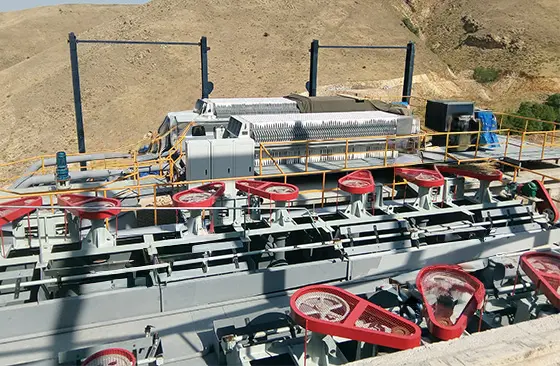
Raw Ore: Siliceous-Phosphate with Magnetite Inclusions Feed Composition: P₂O₅: 19-23%;Fe₂O₃: 8-12%;SiO₂: 25-35%;CaO: 32-38%
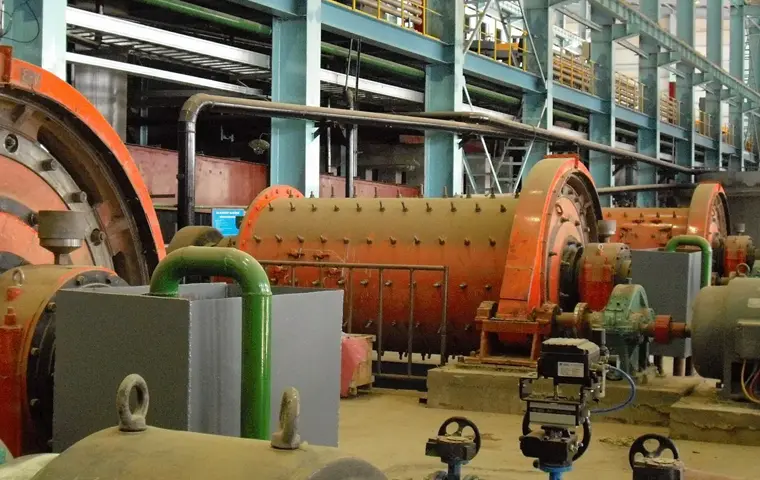
Raw Ore: Sulfide Type Molybdenum Ore (Mainly Molybdenite) Mo Grade: 0.15% Concentrate Grade: 45% Mo
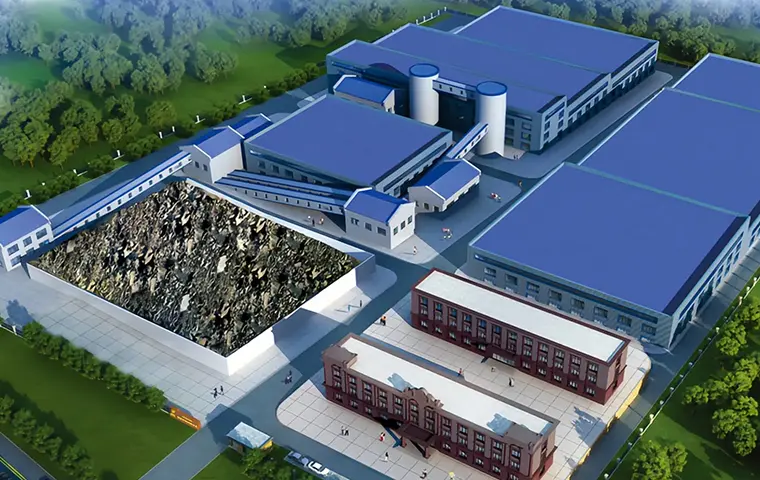
Raw Material: Natural Graphite Ore Concentrate Grade: 95% C TGC Final Product: Graphite Flotation Concentrate
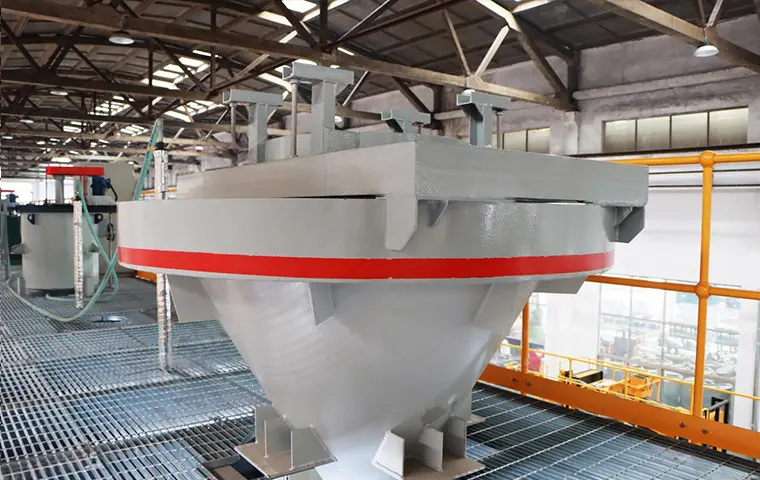
Raw Ore: Sulfide Type Gold Ore Gold Grade: 3.5 g/t Final Product: Gold Ingot Gold Recovery Rate: 96%
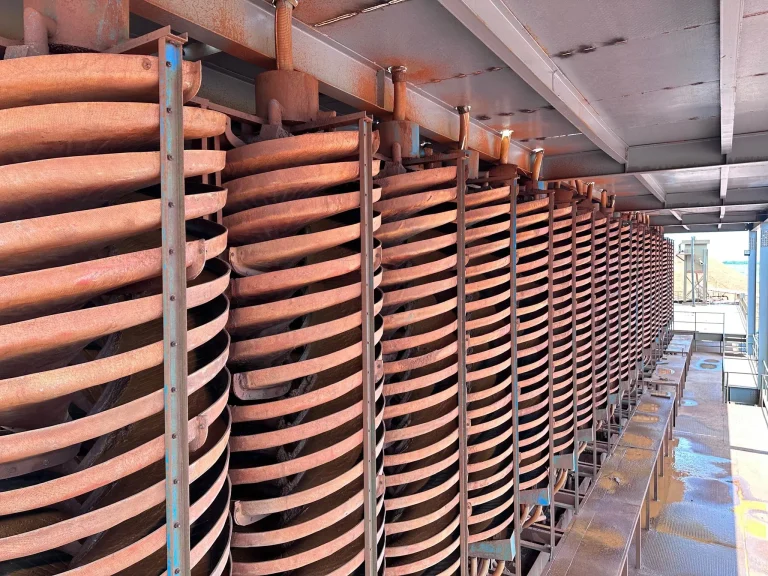
Raw Ore: Titanium Zirconium Beach Sand Ore TiO₂ Grade: 4.5% ZrO₂ Grade: 3.2%
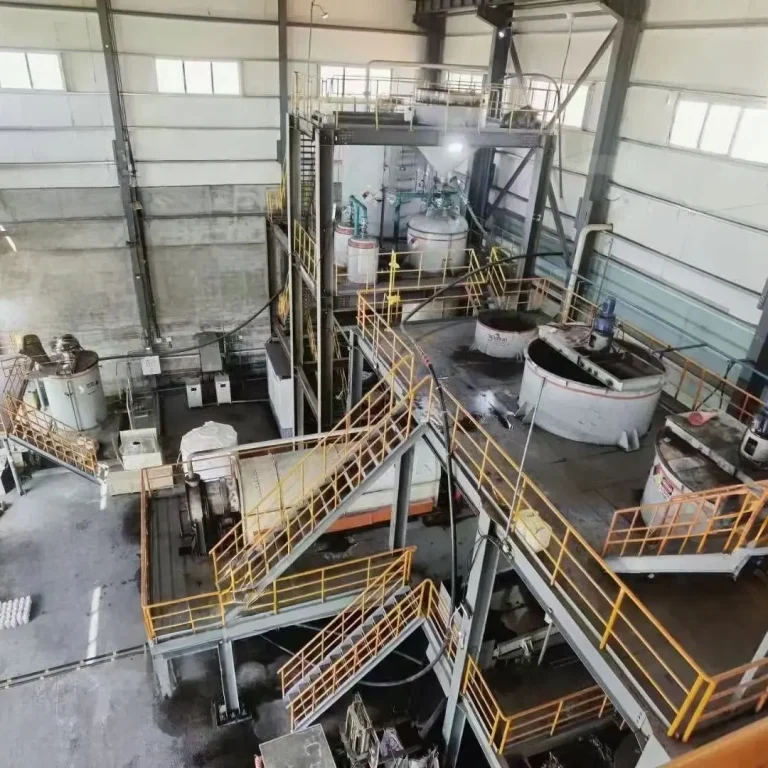
Raw Ore: Oxide/Sulfide Mixed Gold Ore Gold Grade: 3.5 g/t Gold Ingot Purity: 99.5%
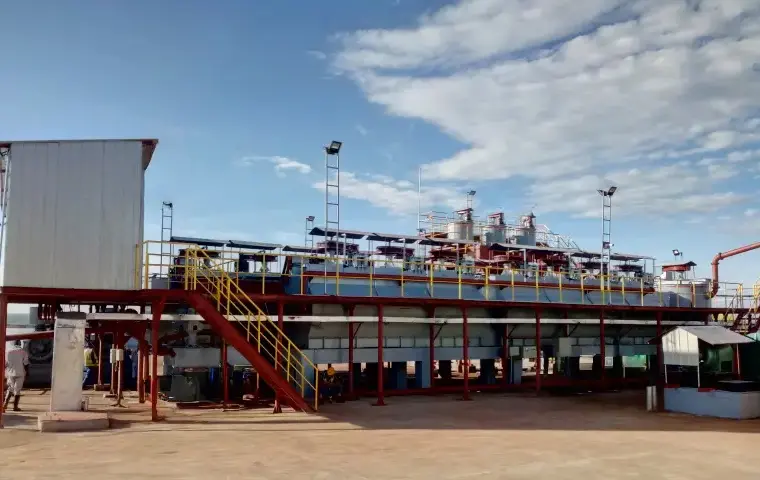
Raw Ore: Complex phosphate ore with silica and carbonates P2O5 Grade: 18.5% Concentrate Grade: 32% P2O5
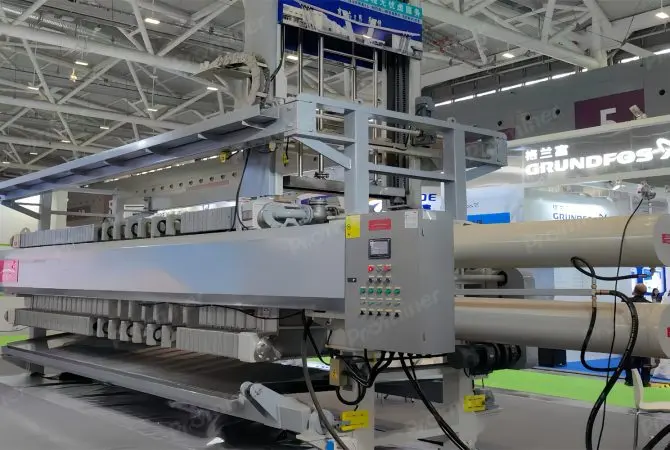
Prominer can provide press filter, belt vacuum filter, disk vacuum filter and ceramic filter
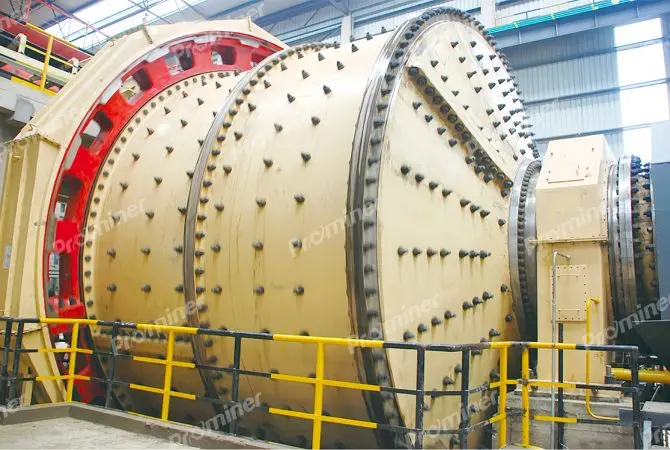
AG/SAG is short for autogenous mill and semi-autogenous mill, it combines with two functions of crushing
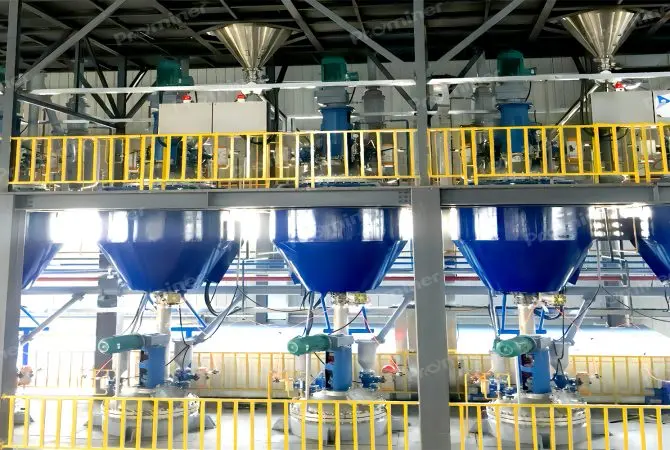
Our granulation reactor combines the coating and granulation processing functions together
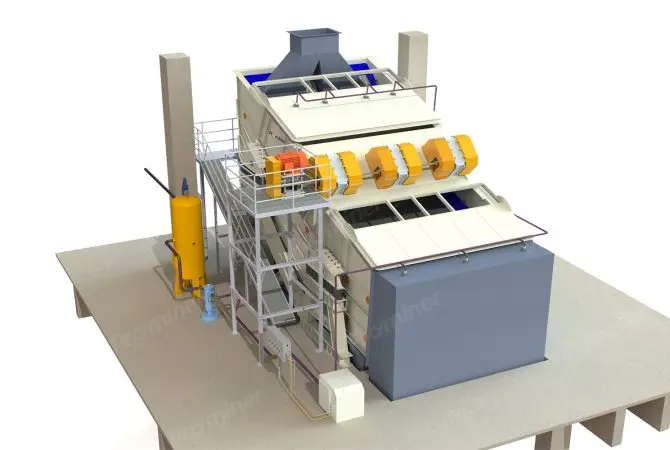
Flip-flow screen panel continues expanding and contracting so achieve a high acceleration rates
To find out more about our products and solutions, please fll out the form below and one of our experts will get back to you shortly
3000 TPD Gold Flotation Project in Shandong Province
2500TPD Lithium Ore Flotation in Sichuan
Fax: (+86) 021-60870195
Address: No.2555,Xiupu Road, Pudong, Shanghai
Copyright © 2023. Prominer (Shanghai) Mining Technology Co.,Ltd.