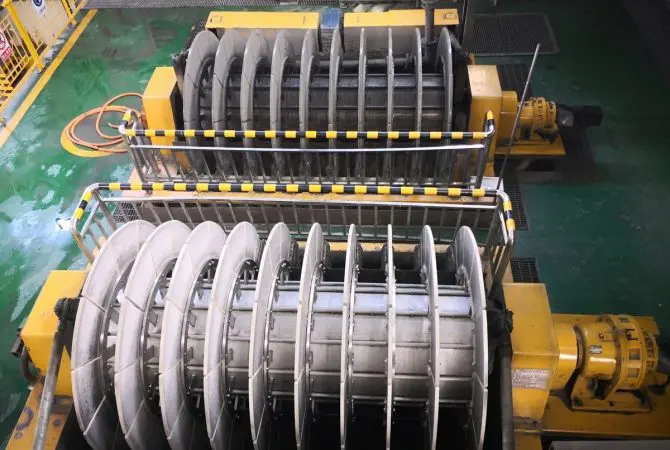
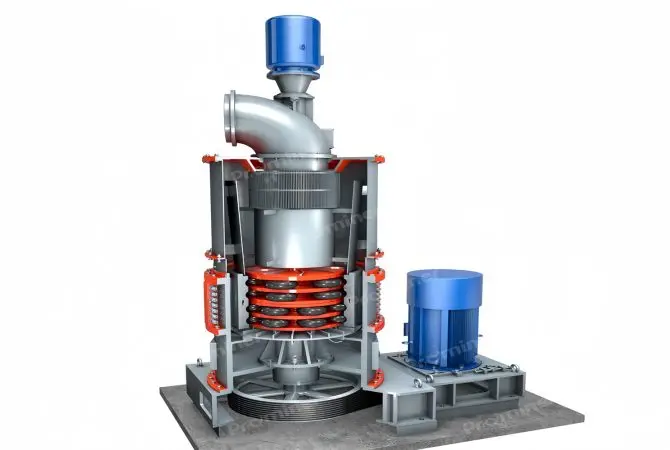
Flotation is the most popular processing way in gold ore processing project. Because the flotation process



Maximizing spodumene recovery, especially in the context of lithium extraction, requires the use of advanced technologies and optimized reagents tailored to specific ore properties. Effective processing of spodumene typically involves a combination of beneficiation, thermal treatment, and hydrometallurgy. Below are key technologies and reagents that enable enhanced recovery:
Dense Media Separation (DMS):
Flotation Technology:
Calcination:
Hydrometallurgical Processes:
High-Intensity Magnetic Separation:
Collectors (Flotation):
Frothers:
Depressants (Flotation):
Flocculants:
Acids and Alkalis (Leaching):
Modifiers:
Bioleaching:
Sensor-Based Sorting:
Ultrafine Grinding:
Green Reagents:
These technologies and reagents, when employed appropriately and tailored to ore-specific challenges, enable maximized recovery of spodumene with minimal waste and environmental impact.
Prominer (Shanghai) Mining Technology Co., Ltd. specializes in providing complete mineral processing and advanced materials solutions globally. Our core focus includes: gold processing, lithium ore beneficiation, industrial minerals. Specializing in anode material production and graphite processing.
Products include: Grinding & Classification, Separation & Dewatering, Gold Refining, Carbon/Graphite Processing and Leaching Systems.
We offer end-to-end services including engineering design, equipment manufacturing, installation, and operational support, backed by 24/7 expert consultation.
Our Website Url: https://www.prominetech.com/
Our Email: [email protected]
Our Sales: +8613918045927(Richard), +8617887940518(Jessica), +8613402000314(Bruno)
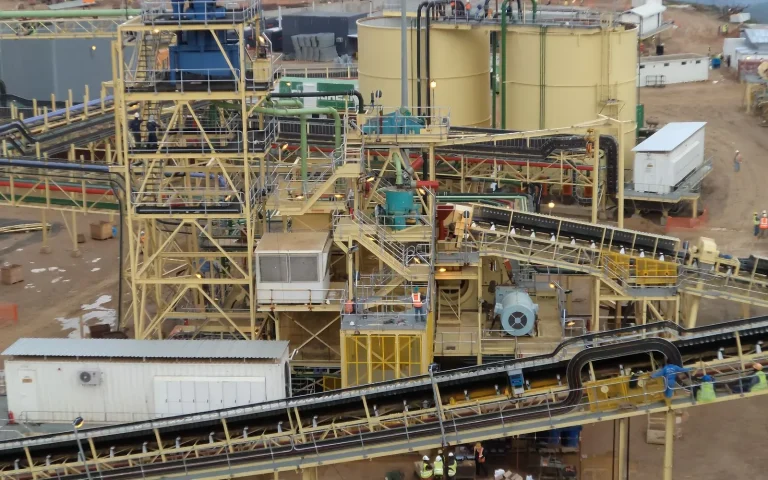
Flotation is the most popular processing way in gold ore processing project. Because the flotation process
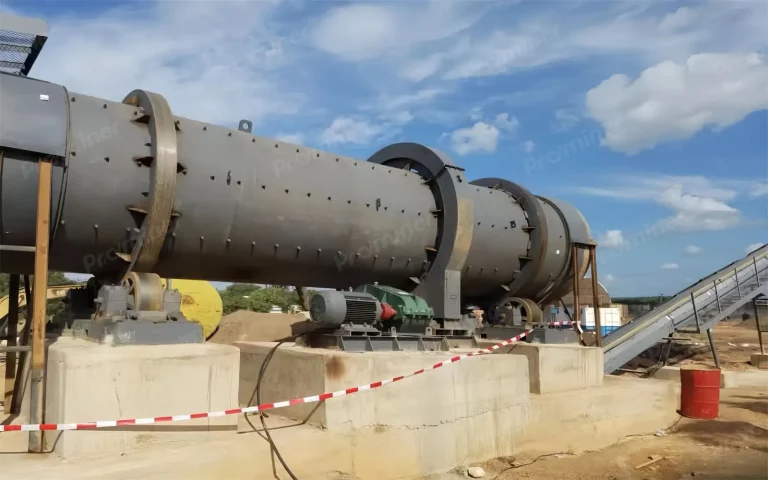
Heap leaching is a traditional cyanide leaching processing way which is flexible and economic to extract gold
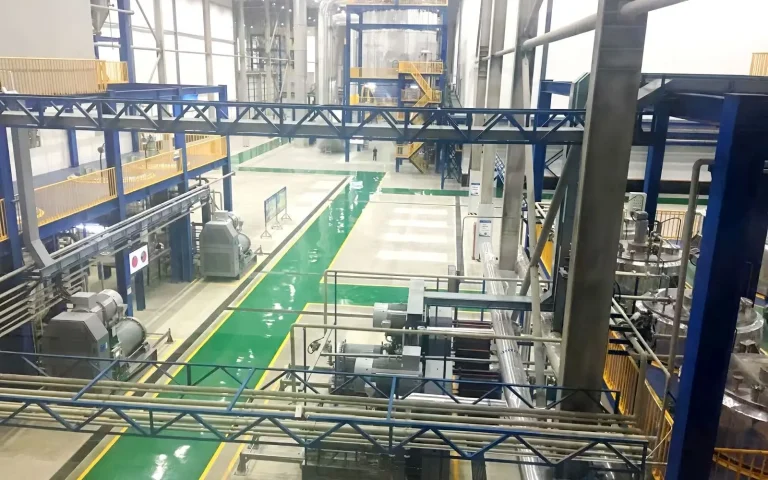
Cathode material is one of the key materials to determine the performance of lithium-ion batteries

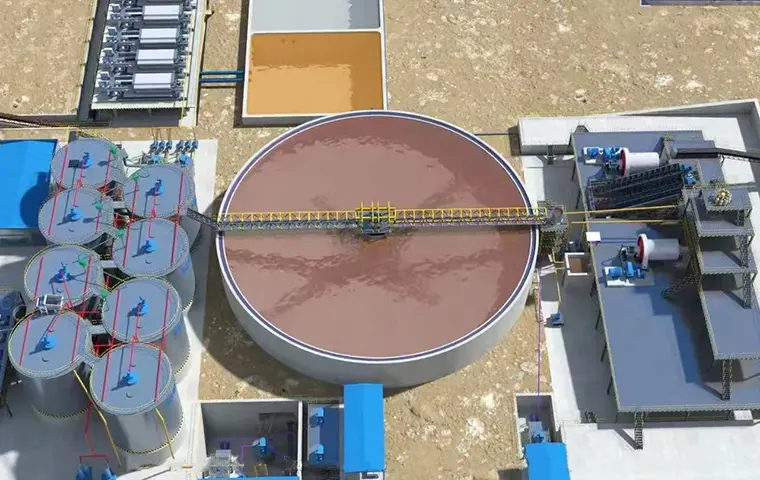
Raw Ore: Sulfide Type Copper Ore (Mainly Chalcopyrite) Copper Grade: 0.8% Final Product: Copper Concentrate
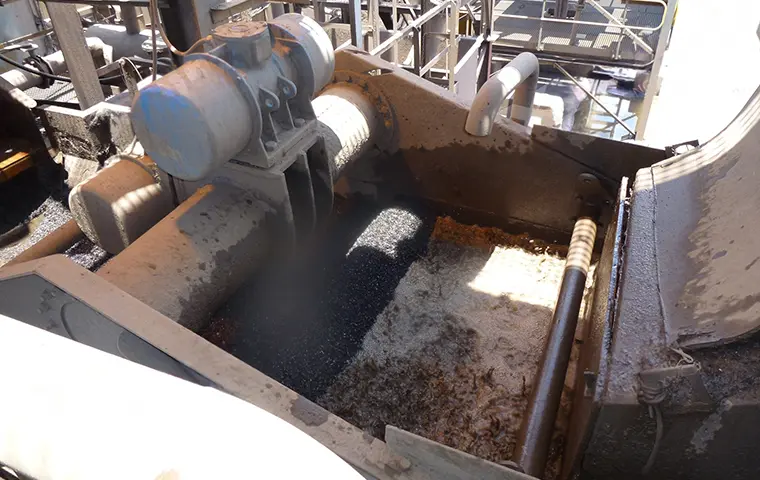
Raw Material: Weathered Granite Type Gold Ore & Associated Granitic Saprolite
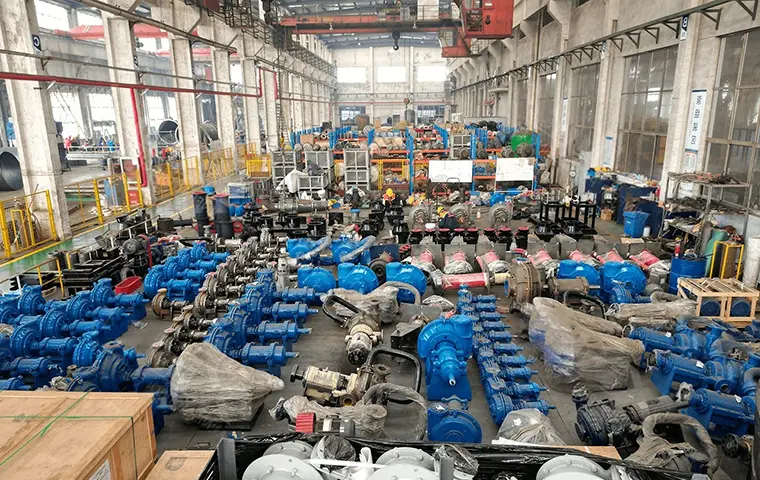
Raw Ore: Crystalline Flake Graphite Ore Feed Carbon Grade: 8–12% (Variable) Final Product: High-Purity Flake Graphite Concentrate
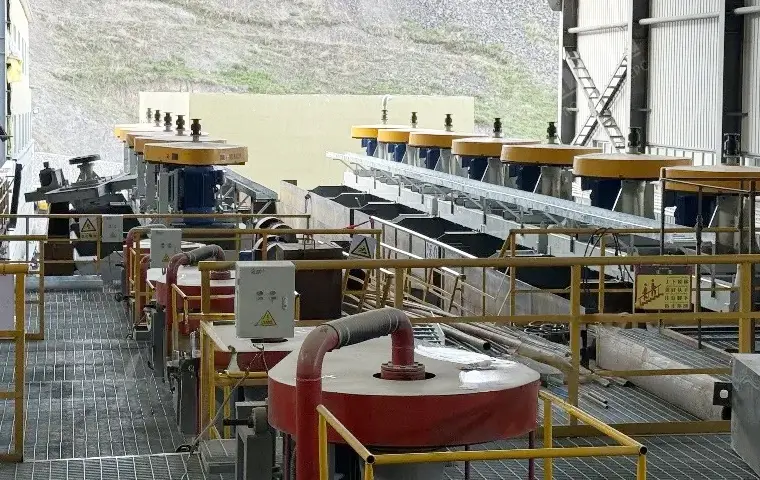
Raw Ore: Sulfide Type Gold Ore (with associated Pyrite and Arsenopyrite) Gold Grade: 4.2 g/t
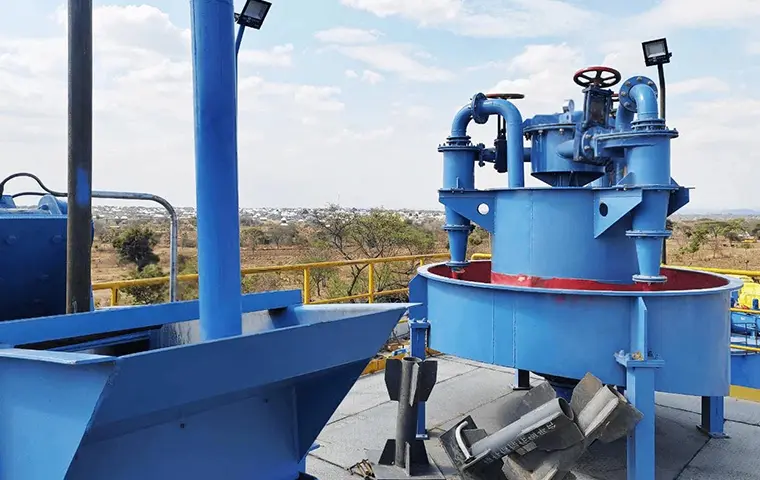
Capacity Target: Increase processing capacity from 500 TPD to 850 TPD in phases without halting production.
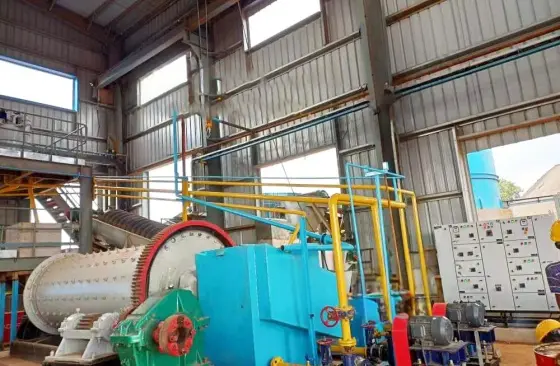
Raw Material: Sulfide Flotation Copper Tailings Metal Concentrate: Copper: 0.8%,Gold: 0.3 g/t,Silver: 5 g/t,Iron: 25%
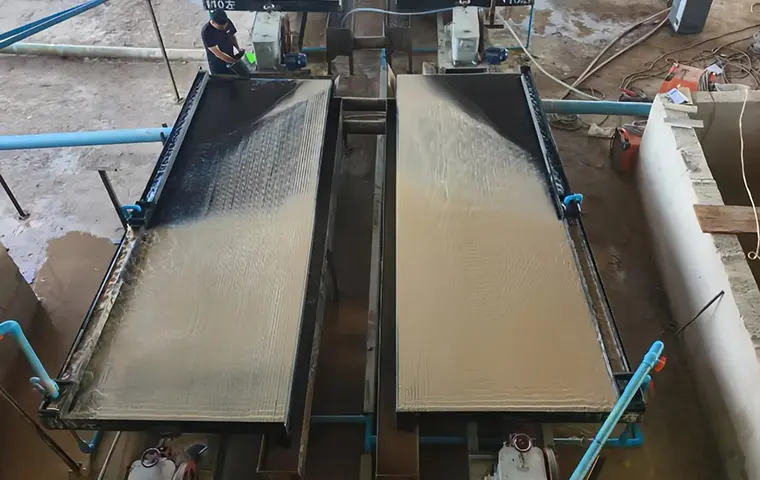
Raw Ore: Antimony sulfide ore with quartz vein Sb Grade: 3.5% Concentrate Grade: 55%
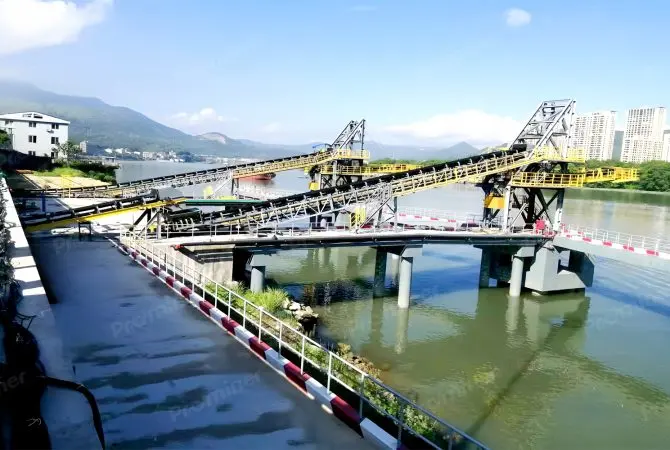
We can provide the solution of belt conveyors for different purposes include steeply inclined belt conveyor
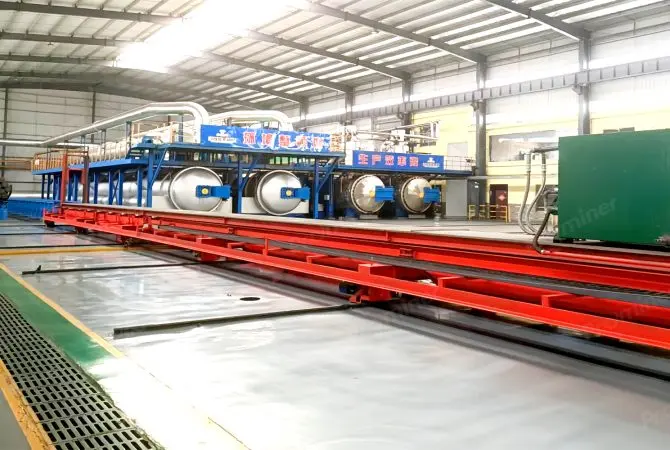
We can provide hot-in and cold-out type high-pressure impregnation of once-baked graphite
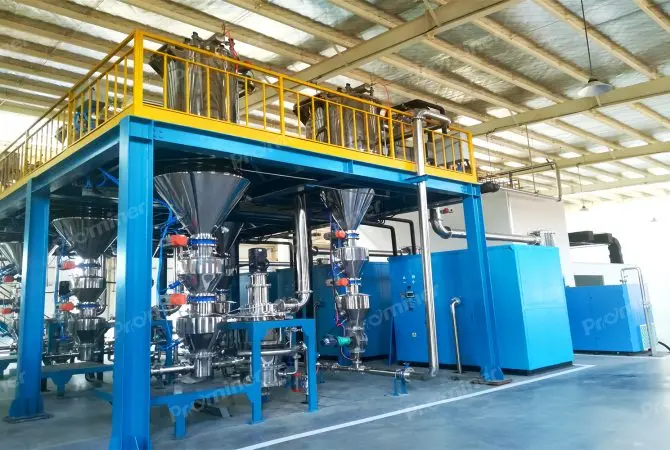
Jet mill is also called fluidized bed jet mill by using multiple nozzles to form sonic speed air flow
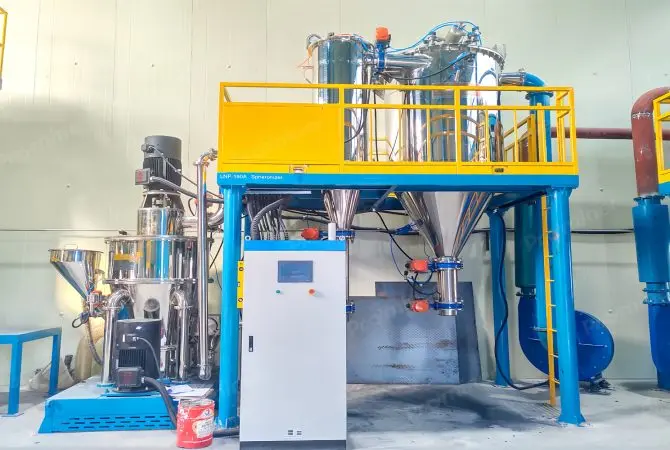
Besides strict PSD requirements, Anode Graphite also requires a spherical shape in order
Prominer can provide different LIMS (Low Intensity Magnetic separator) magnetic separators
To find out more about our products and solutions, please fll out the form below and one of our experts will get back to you shortly
3000 TPD Gold Flotation Project in Shandong Province
2500TPD Lithium Ore Flotation in Sichuan
Fax: (+86) 021-60870195
Address: No.2555,Xiupu Road, Pudong, Shanghai
Copyright © 2023. Prominer (Shanghai) Mining Technology Co.,Ltd.