

Artificial graphite anode material are mainly made from high quality low sulphur content petroleum coke




Reverse flotation and magnetic separation are two common methods used in mineral beneficiation to remove silica impurities, especially from iron ores. The reason reverse flotation can often be three times cheaper than magnetic separation in removing silica lies in the following key factors:
In summary, reverse flotation is often three times cheaper than magnetic separation for silica removal because it uses simpler and less energy-intensive equipment, offers higher selectivity, and is more effective for fine particles. It also benefits from lower operating and maintenance costs, making it a more economically viable solution in many scenarios. However, the choice of the method also depends on ore characteristics and the specific requirements of the beneficiation process.
A: Mineral characteristics vary significantly even within the same ore body. A professional test (such as chemical analysis, XRD, and SEM) ensures the flowchart is optimized for your specific ore grade and liberation size. This prevents costly equipment mismatches and guarantees the highest possible recovery rates for your project.
A: We maintain a permanent stock of core wear parts (such as crusher liners, screen meshes, and grinding media). For international clients, we provide a recommended “2-year spare parts list” with the initial purchase. Technical support is available 24/7 via remote video, and site visits can be arranged for complex maintenance needs.
A: Yes. We send a team of senior mechanical and electrical engineers to the site to oversee the installation, commissioning, and load testing of the equipment. We also provide comprehensive on-site training for your local operators to ensure smooth long-term operation.
A: Absolutely. We specialize in providing EPCM (Engineering, Procurement, Construction Management) services. This includes everything from initial ore testing and mine design to equipment manufacturing, logistics, and full-scale plant integration, ensuring a seamless transition from greenfield to production.
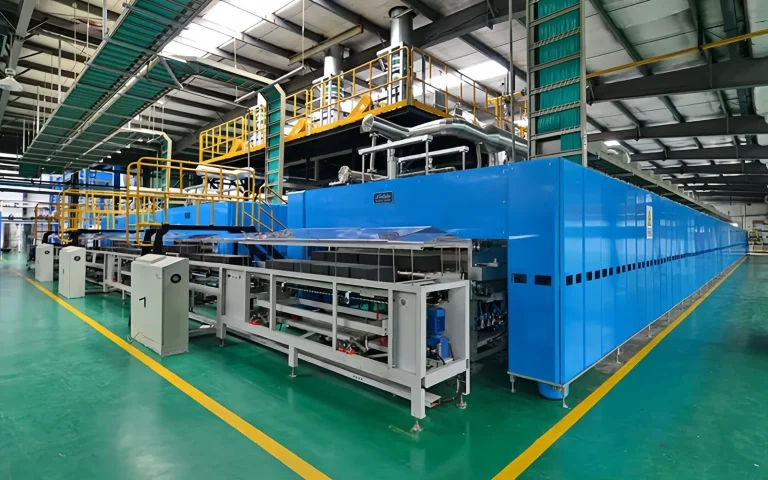
Artificial graphite anode material are mainly made from high quality low sulphur content petroleum coke
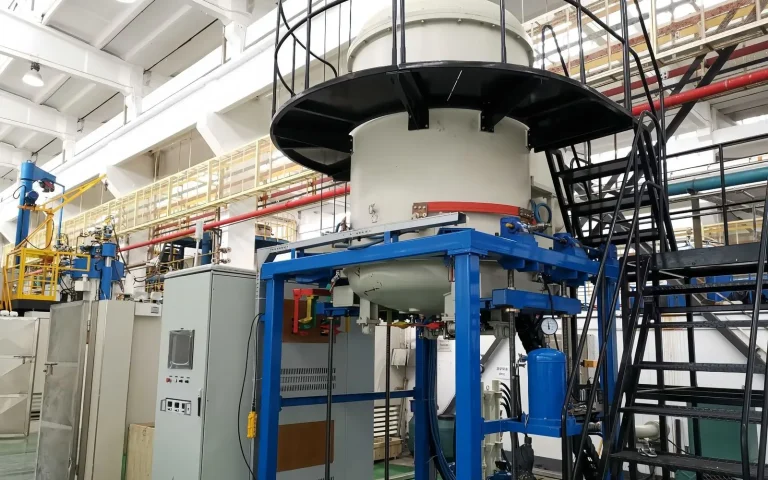
The demand from the industry over the years has been for special graphite and carbon with increasingly tighter
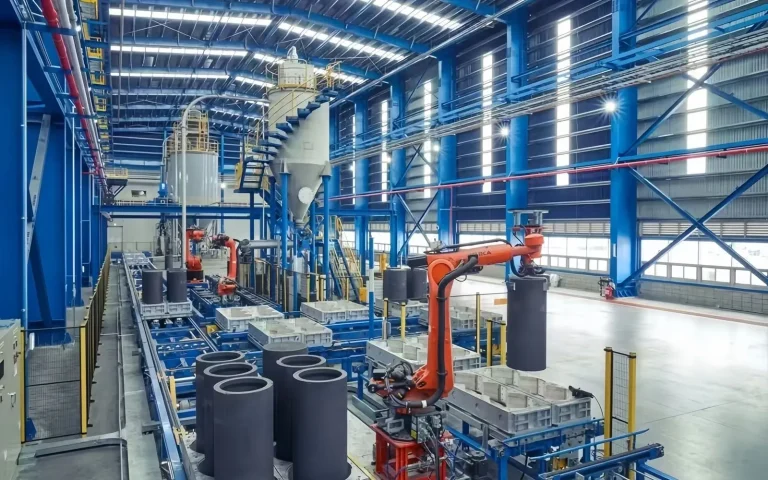
Provide the complete solution for making graphite anode materials include grinding, shaping, purification…

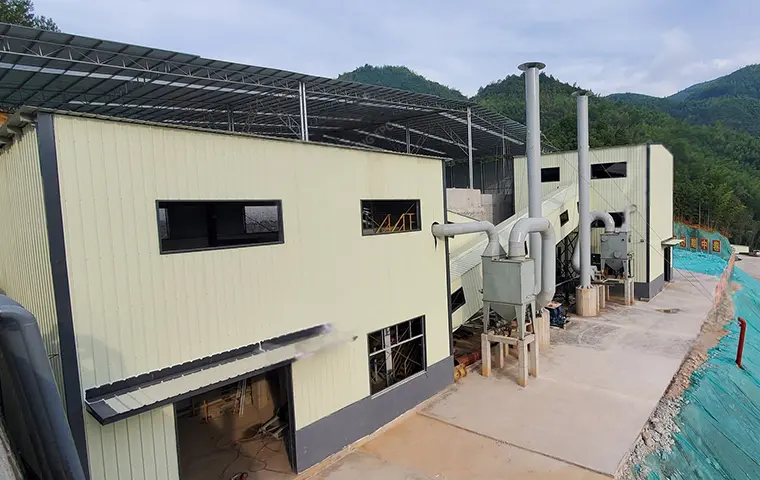
Raw Ore: High-Grade Fluorite Ore from Deep Veins Fluorspar Grade: 38% CaF₂ Concentrate Grade: 97.2% CaF₂
Raw Material: Carbon-slag from aluminum electrolysis Feed Grade: 15–20% Cryolite content Final Product: Recycled Cryolite ( purity ≥ 92% )
Raw Ore: Lithium Spodumene Ore Li₂O Grade: 1.45% Concentrate Grade: 6.20%
Raw Ore: Complex phosphate ore with silica and carbonates P2O5 Grade: 18.5% Concentrate Grade: 32% P2O5
Raw Ore: Alluvial Gold Ore & Primary Hard Rock Gold Ore (Mixed Feed Capability) Feed Gold Grade: 1.2 – 3.5 g/t (variable)
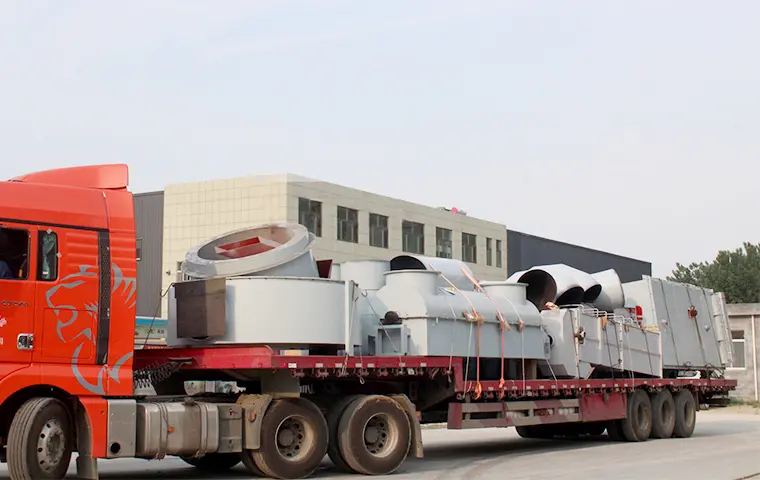
Raw Material: Quartz Ore Project Type: Equipment Supply & Installation Support
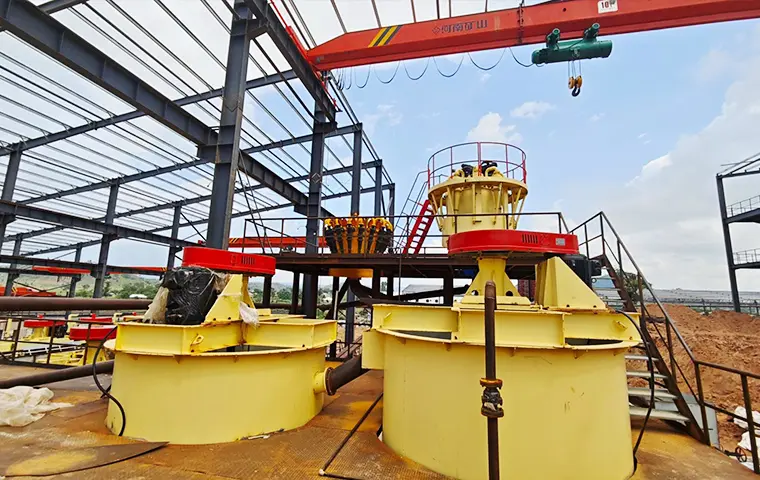
Raw Ore: Lithium-bearing pegmatite ore (spodumene) Li₂O Grade: 1.0–1.5% Target Concentrate Grade: ≥5.5% Li₂O
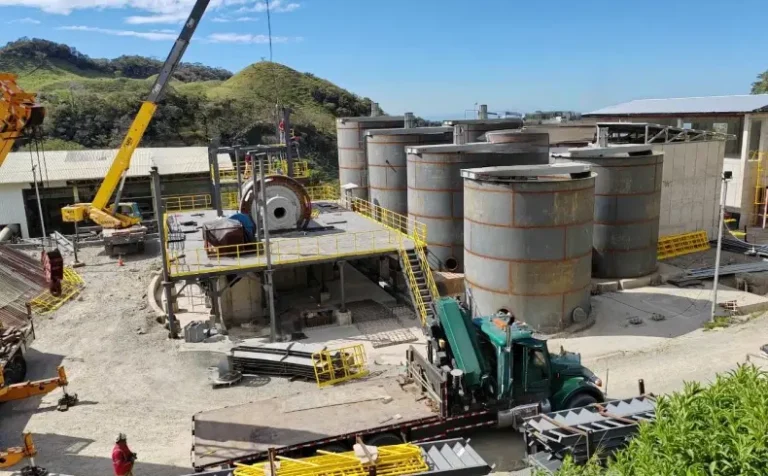
Raw Ore: Oxide-Sulfide Mixed Gold Ore Gold Grade: 3.5-7 g/t Gold Ingot Purity: 99.5%
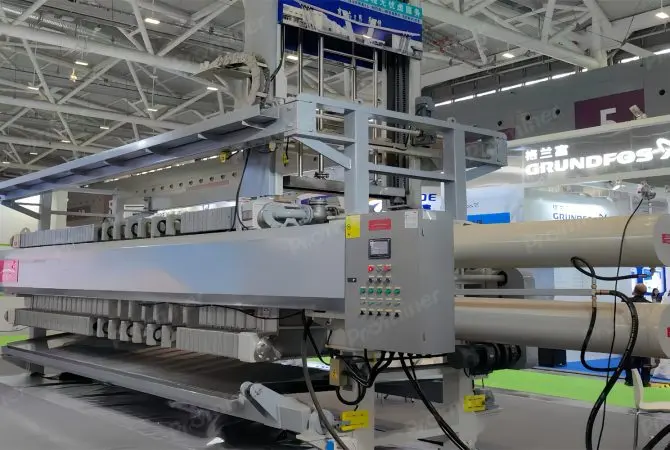
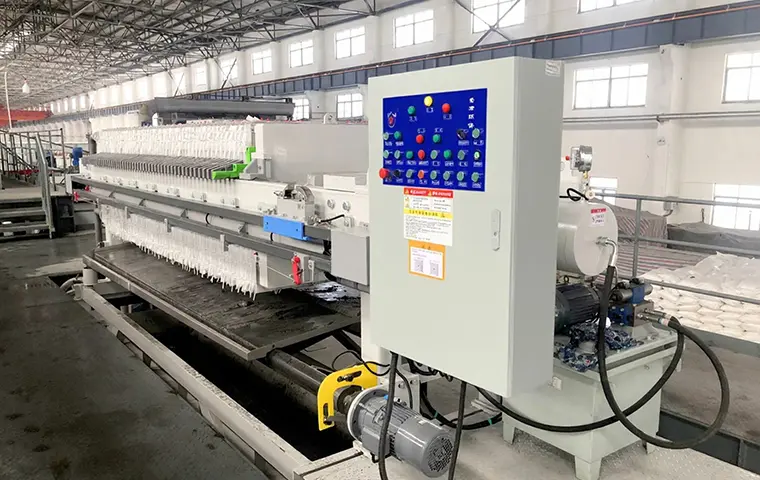
Prominer can provide press filter, belt vacuum filter, disk vacuum filter and ceramic filter
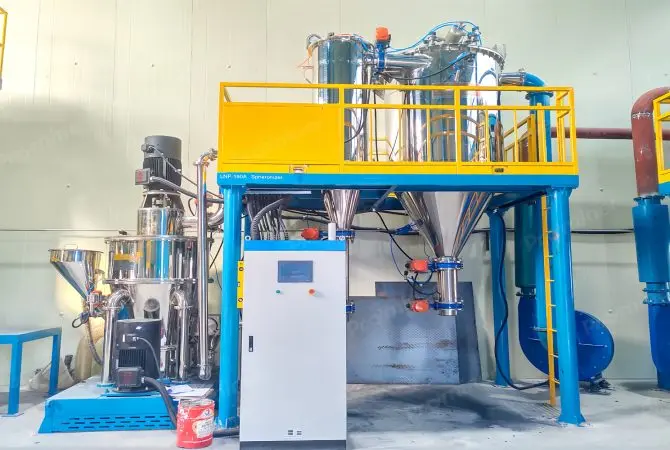
Besides strict PSD requirements, Anode Graphite also requires a spherical shape in order
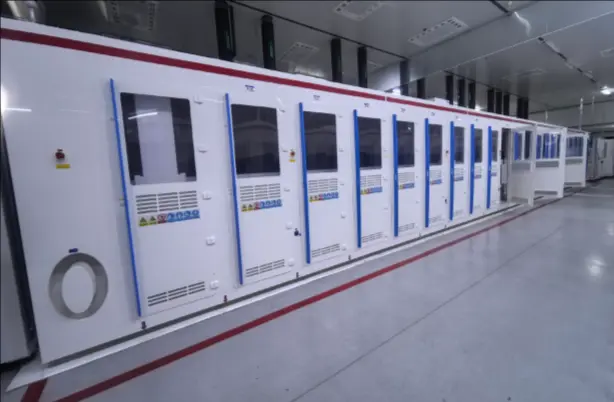
Include: Monocrystalline Batch Texturing Equipment, Batch Texturing Loader/Unloader, Low-Pressure…
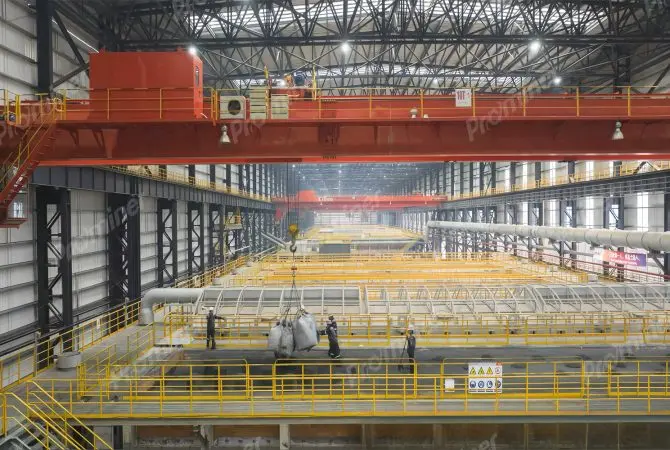
We can provide different type graphitization furnace for changing carbon material
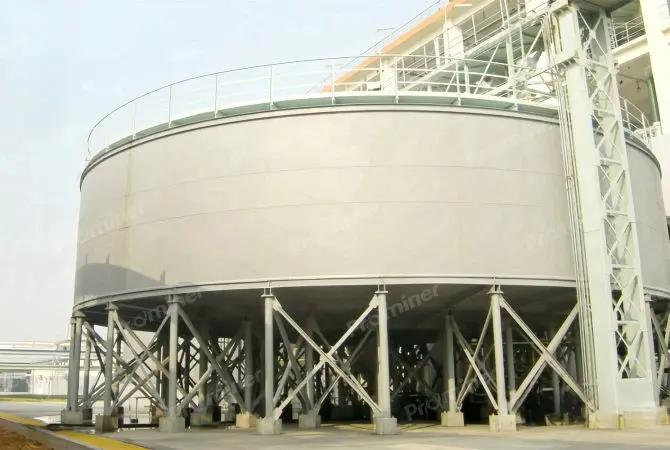
Prominer can provide different kinds of thickeners include center driving thickener, peripheral traction thickener
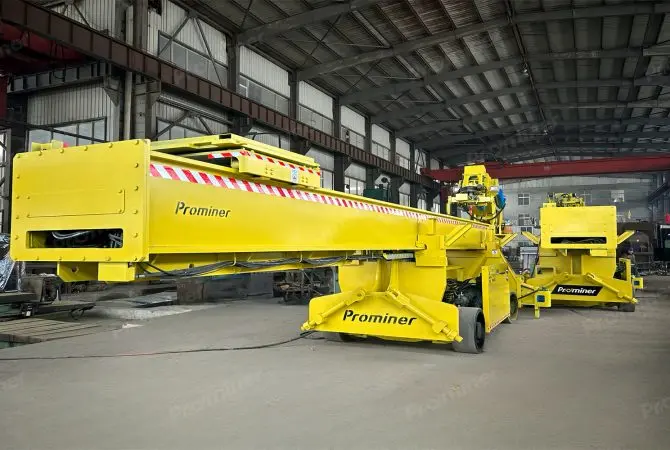
We can design and manufacture the mill relining machine (or called mill relining manipulator)
To find out more about our products and solutions, please fll out the form below and one of our experts will get back to you shortly
3000 TPD Gold Flotation Project in Shandong Province
2500TPD Lithium Ore Flotation in Sichuan
Fax: (+86) 021-60870195
Address: No.2555,Xiupu Road, Pudong, Shanghai
Copyright © 2023. Prominer (Shanghai) Mining Technology Co.,Ltd.


