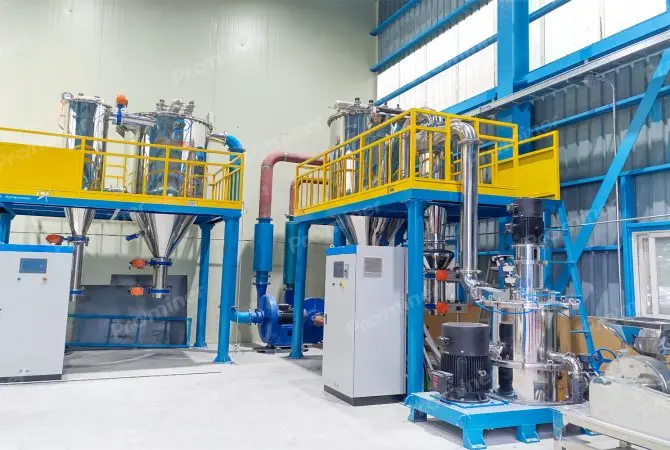

Vat leaching is a good option for the project owner to start at initial stage to save investment


/
/
Why is “More Crushing and Less Grinding” a Wise Way to Save Energy and Improve Productivity?
In mineral processing and aggregate production, crushing and grinding are two essential size-reduction stages. However, they differ significantly in energy consumption. Crushing typically uses compressive forces to reduce large rocks into smaller pieces, while grinding further reduces material into fine particles through impact and attrition.
Grinding is far more energy-intensive than crushing. In fact, grinding processes—especially in ball mills or similar equipment—can account for up to 40–50% of total plant energy consumption. This is because grinding requires finer particle sizes, which demand exponentially greater energy input. By shifting more size reduction work to the crushing stage, operations can dramatically reduce overall energy usage.
The concept of “more crushing and less grinding” involves maximizing particle size reduction during the crushing stage so that less work is required in the grinding stage. This is achieved by:
By producing finer material before it enters the mill, the grinding system operates under reduced load, improving both efficiency and throughput.
Energy savings are one of the most compelling reasons to adopt this approach. Crushing equipment generally consumes less energy per ton compared to grinding mills. When more work is done upfront in crushing:
In large-scale operations, even a small percentage reduction in grinding energy can translate into substantial annual cost savings.
When grinding mills process coarser, less optimized feed, their capacity is limited. However, if the feed is pre-crushed to a finer, more uniform size:
This leads to higher overall plant productivity without necessarily investing in additional grinding capacity. Essentially, better crushing enables the grinding circuit to operate closer to its optimal performance range.
Grinding equipment, such as ball mills and liners, is subject to significant wear due to continuous impact and abrasion. Excessive grinding workload accelerates component degradation.
By transferring more size reduction to the crushing stage:
Lower maintenance frequency means less downtime and higher operational availability.
A well-optimized crushing circuit produces more uniform feed material. Consistent feed size distribution improves the stability of downstream grinding and separation processes.
Benefits include:
Stable operation not only enhances product quality but also simplifies process control.
Energy efficiency directly correlates with environmental performance. Lower energy consumption means:
As industries face increasing environmental regulations and carbon reduction targets, adopting “more crushing and less grinding” becomes both an economic and strategic decision.
“More crushing and less grinding” is a wise strategy because it addresses one of the most energy-intensive stages in mineral processing. By shifting more size reduction work to the crushing phase, operations can reduce energy consumption, increase throughput, lower maintenance costs, and improve overall process stability.
In a competitive and sustainability-driven industrial environment, optimizing the balance between crushing and grinding is not just a technical improvement—it is a smart business decision.
A: Mineral characteristics vary significantly even within the same ore body. A professional test (such as chemical analysis, XRD, and SEM) ensures the flowchart is optimized for your specific ore grade and liberation size. This prevents costly equipment mismatches and guarantees the highest possible recovery rates for your project.
A: We maintain a permanent stock of core wear parts (such as crusher liners, screen meshes, and grinding media). For international clients, we provide a recommended “2-year spare parts list” with the initial purchase. Technical support is available 24/7 via remote video, and site visits can be arranged for complex maintenance needs.
A: Yes. We send a team of senior mechanical and electrical engineers to the site to oversee the installation, commissioning, and load testing of the equipment. We also provide comprehensive on-site training for your local operators to ensure smooth long-term operation.
A: Absolutely. We specialize in providing EPCM (Engineering, Procurement, Construction Management) services. This includes everything from initial ore testing and mine design to equipment manufacturing, logistics, and full-scale plant integration, ensuring a seamless transition from greenfield to production.
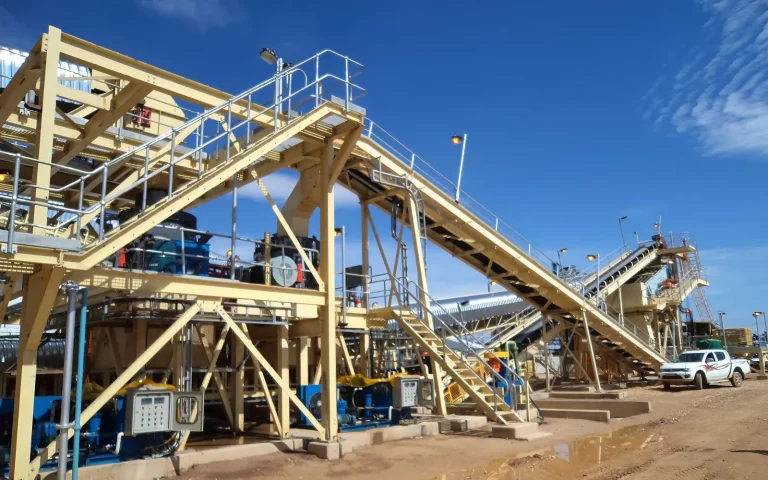
Vat leaching is a good option for the project owner to start at initial stage to save investment
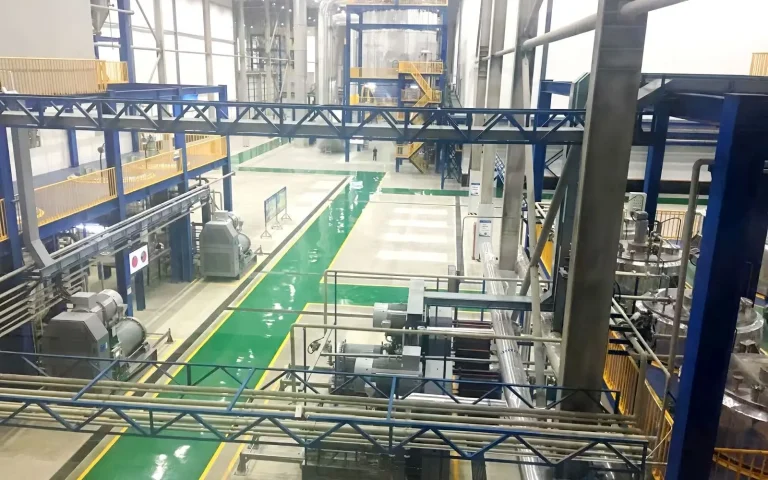
Cathode material is one of the key materials to determine the performance of lithium-ion batteries
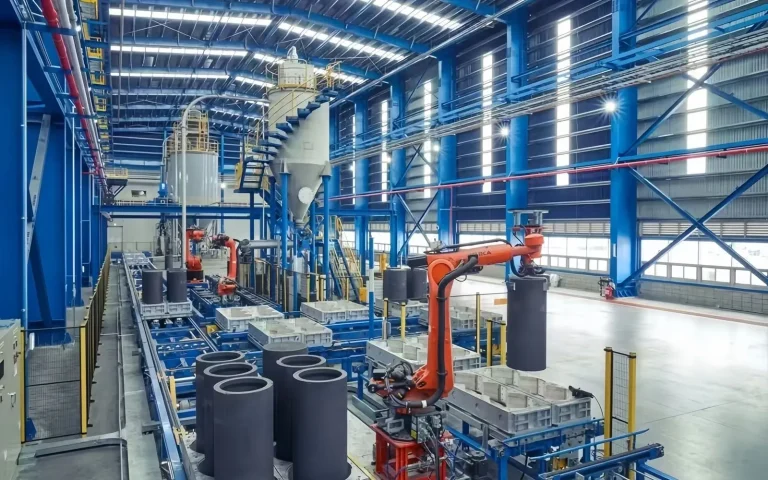
Prominer can provide the complete solution for making natrual graphite anode materials include grinding

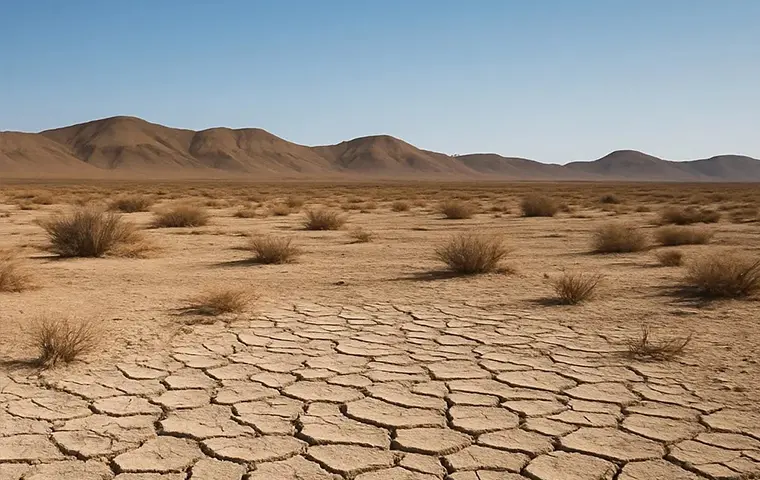
Raw Ore: Oxide Type Gold Ore Gold Grade: 3.5 g/t Gold Recovery Rate: 92% Gold Ingot Purity: 96%
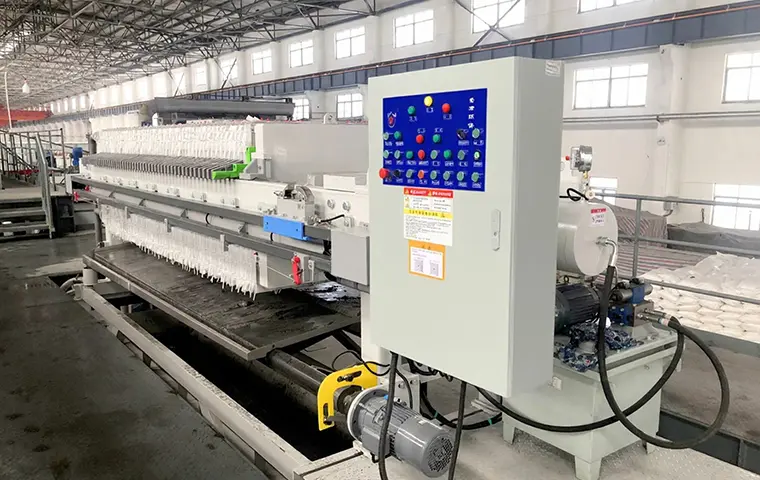
Raw Material: Carbon-slag from aluminum electrolysis Feed Grade: 15–20% Cryolite content Final Product: Recycled Cryolite ( purity ≥ 92% )
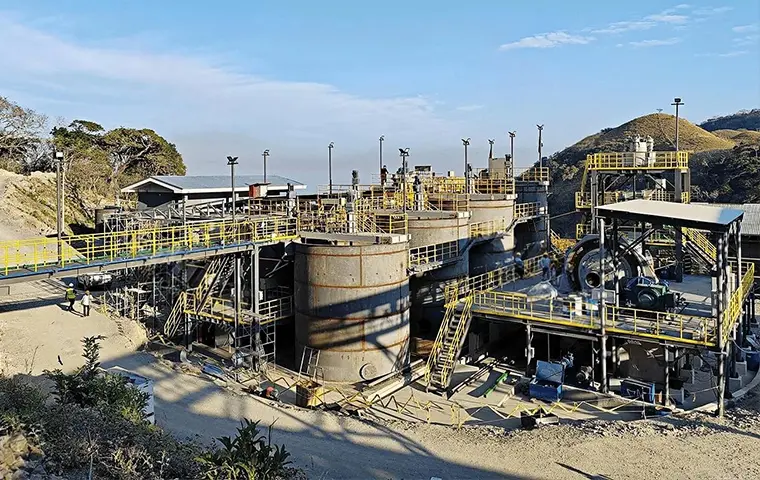
Raw Ore: Sulfide Type Copper Ore (Low-grade, heterogeneous) Feed Copper Grade: 0.45% Concentrate Copper Grade: 25%
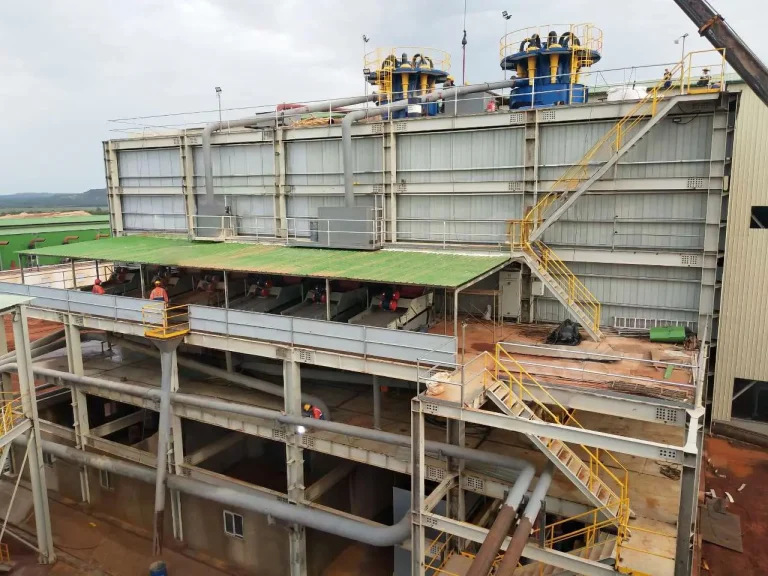
Raw Ore: Alluvial Gold Ore from River Deposits Gold Grade: 0.7 g/t (average) Recovery Rate: 90%
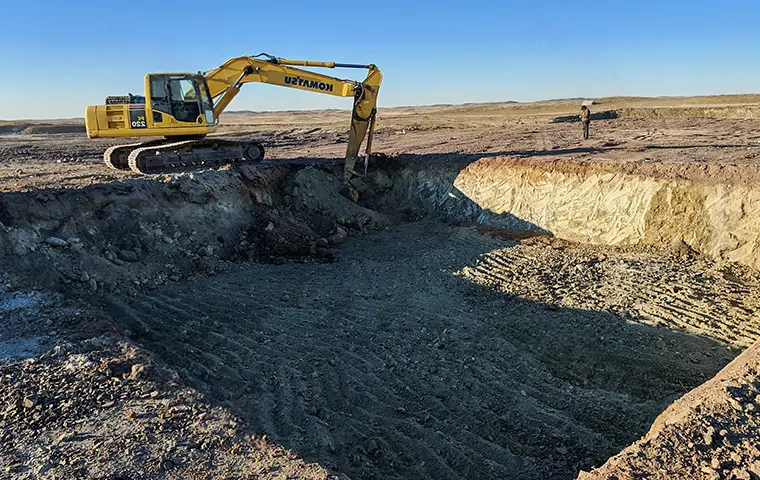
Raw Material: Gold mine tailings slurry from CIL plant Tailings Solids Content: 35-40% Final Stacking Density: 1.6-1.8 t/m³
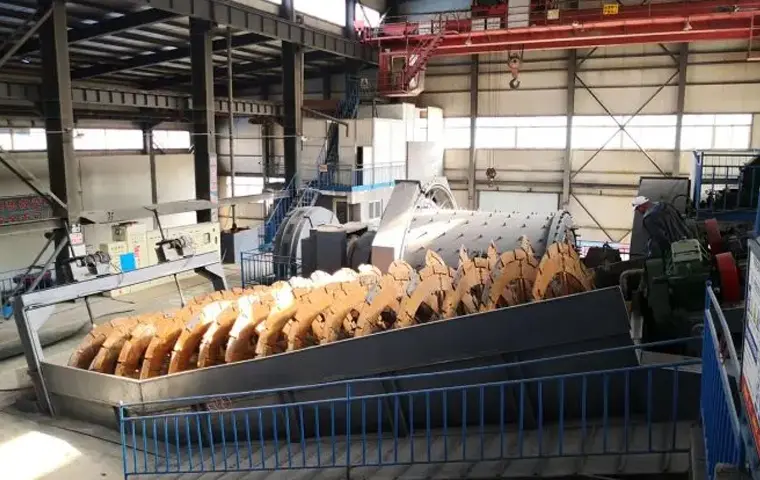
Raw Ore: Sulfide Type Gold Ore Gold Grade: 3 g/t
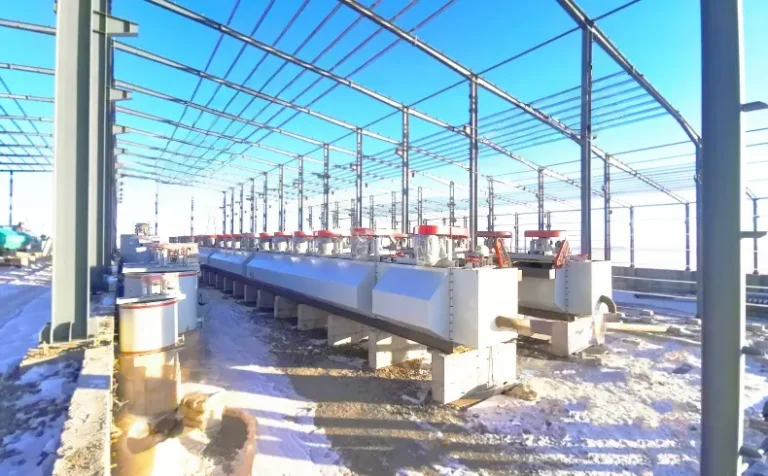
Raw Ore: Copper Sulfide Ore Copper Grade: 0.85% Final Product: Copper Concentrate
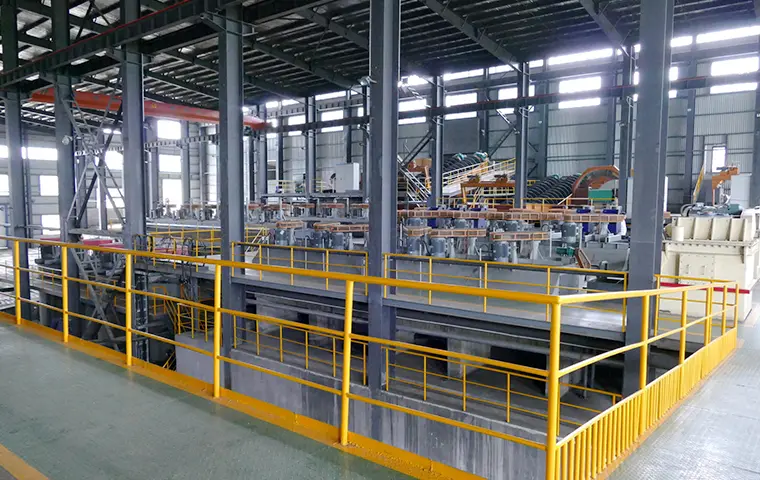
Raw Material: Spherical Graphite, Pitch Binder, Additives Project Capacity: 5,000 tons anode material; 20 tons graphene per annum
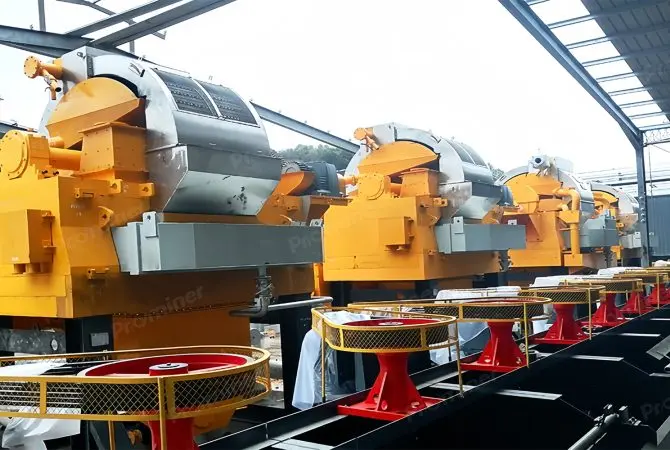
Prominer can provide different HIMS (High Intensity Magnetic separator) magnetic separators
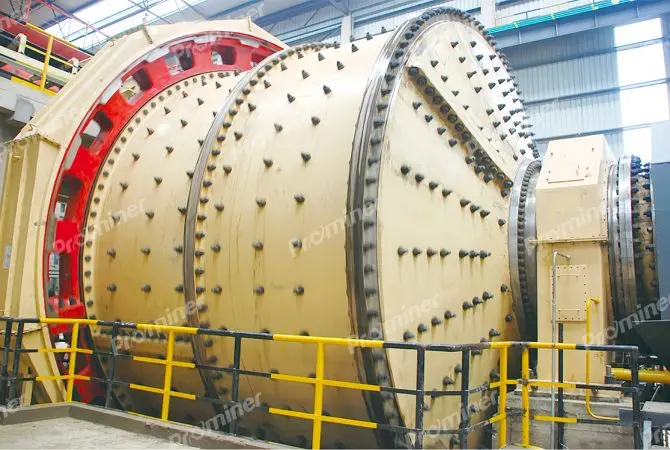
AG/SAG is short for autogenous mill and semi-autogenous mill, it combines with two functions of crushing
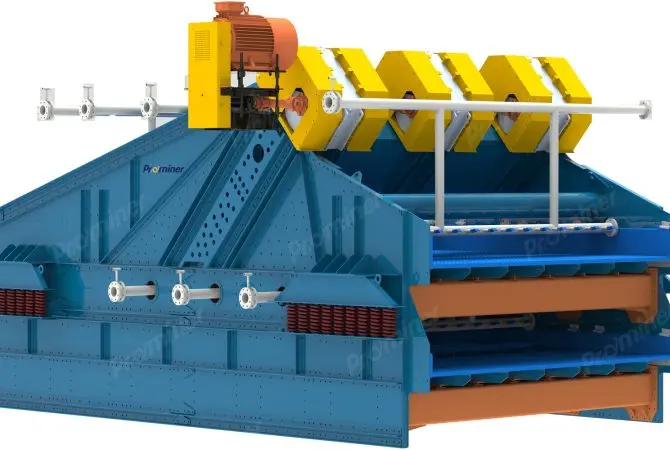
Prominer can provide all kinds of linear screen for mineral grading, material sizing, dewatering
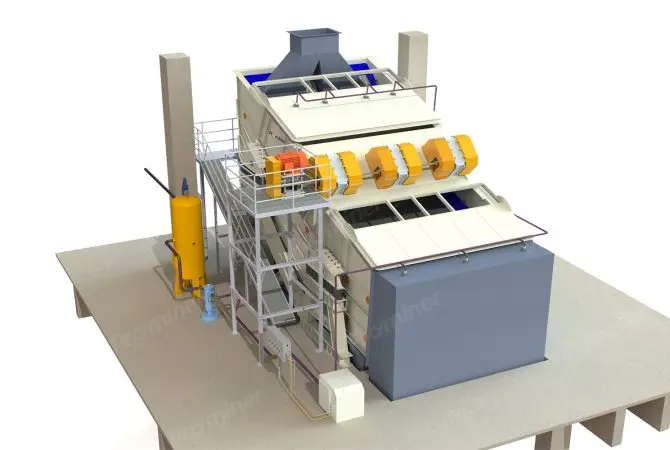
Flip-flow screen panel continues expanding and contracting so achieve a high acceleration rates
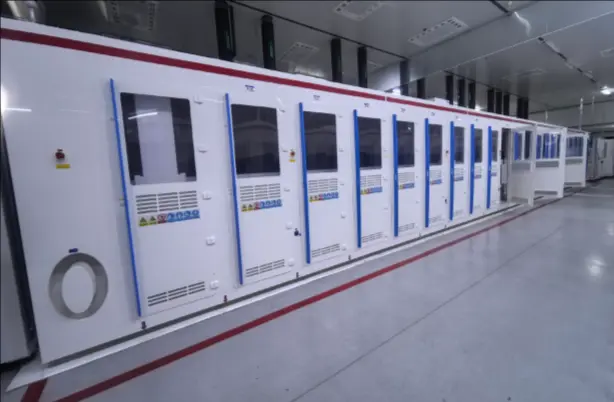
Include: Monocrystalline Batch Texturing Equipment, Batch Texturing Loader/Unloader, Low-Pressure…
To find out more about our products and solutions, please fll out the form below and one of our experts will get back to you shortly
3000 TPD Gold Flotation Project in Shandong Province
2500TPD Lithium Ore Flotation in Sichuan
Fax: (+86) 021-60870195
Address: No.2555,Xiupu Road, Pudong, Shanghai
Copyright © 2023. Prominer (Shanghai) Mining Technology Co.,Ltd.