

Spodumene and lepidolite are very important lithium bearing minerals and they are very easy to recover


/
/
How Do Advanced Flotation Technologies Optimize Phosphate Ore Recovery Across Diverse Deposit Types?


Phosphate ore is a critical raw material for global fertilizer production, and efficient recovery of phosphate minerals is essential for both economic performance and resource sustainability. As high-grade deposits become harder to find and operators increasingly work with complex, low-grade, or impurity-rich ores, advanced flotation technologies have become central to improving recovery and concentrate quality.
Modern flotation systems do far more than simply separate valuable phosphate minerals from gangue. They are now designed to respond to mineralogical variability, fine particle behavior, reagent selectivity challenges, water chemistry constraints, and the specific characteristics of different deposit types. By combining improved equipment, tailored reagent schemes, process control tools, and better upstream ore characterization, advanced flotation technologies help operators maximize value across sedimentary, igneous, weathered, and mixed phosphate resources.
Phosphate flotation is inherently complex because phosphate ores vary widely in mineralogy, texture, liberation size, and gangue composition. The main target mineral is typically apatite, but its surface behavior can be strongly influenced by associated minerals such as quartz, carbonates, clays, silicates, iron oxides, and organic matter.
The effectiveness of flotation depends on creating enough contrast between the floatability of phosphate minerals and that of gangue. This can be difficult when:
Advanced flotation technologies optimize recovery by addressing these challenges in a more precise and deposit-specific way than conventional circuits.
Phosphate deposits are not uniform, and flotation performance depends heavily on deposit origin and mineral association.
Sedimentary phosphates are the most widely processed and often contain apatite associated with silica, clays, carbonates, and organic material. In these ores, flotation is typically used to remove silica or carbonates after desliming and size classification.
Advanced flotation improves performance in sedimentary deposits by:
These innovations are especially important where ores show frequent compositional variation across mining benches.
Igneous phosphate ores are often more complex and may contain apatite intergrown with magnetite, nepheline, feldspar, pyroxene, or carbonate minerals. Their beneficiation may require multi-stage flotation with magnetic separation and fine grinding.
In igneous systems, advanced flotation helps by:
Because igneous ores can be highly variable in texture and mineral associations, process flexibility is especially valuable.
Weathered phosphate ores and carbonate-rich deposits often present some of the most difficult flotation conditions. Carbonates, in particular, can have surface chemistry similar to apatite, making selective separation challenging.
Advanced technologies optimize these ores through:
These methods can significantly improve concentrate grade while minimizing phosphate losses.
A range of technological developments now contributes to better phosphate ore flotation across diverse deposit types.
One of the most important advances is the design of deposit-specific reagent schemes. Rather than relying on generic collectors and depressants, operators increasingly use reagent blends formulated for particular mineral assemblages.
These may include:
The key advantage is improved selectivity, which leads to higher recovery, better concentrate grade, and lower reagent waste.
Column flotation has become an important tool in phosphate processing, particularly for fine particle recovery and cleaning stages. Compared with conventional mechanical cells, columns can offer:
At the same time, advances in conventional cell design, rotor-stator systems, air dispersion, and hydrodynamics have improved bubble generation and particle attachment rates. This helps recover phosphate values more effectively, especially in ores with difficult fine fractions.
As more operations process lower-grade and more weathered ores, fine particle management has become crucial. Slimes can impair flotation by consuming reagents, reducing selectivity, and increasing gangue entrainment.
Advanced strategies include:
These approaches help plants recover more phosphate from material that might previously have been lost.
Advanced flotation begins with understanding the ore. Modern process mineralogy tools allow operators to identify mineral associations, liberation patterns, particle size effects, and impurity distribution much more accurately than before.
This information supports:
For operations dealing with multiple ore types, ore characterization is often the foundation of recovery optimization.
Modern phosphate flotation circuits increasingly rely on automation and digital monitoring to maintain performance in the face of changing feed conditions. Online sensors, machine learning tools, and advanced control systems can track variables such as pulp density, pH, air rate, reagent dosage, froth behavior, and product quality.
Benefits include:
In complex deposits, real-time optimization can make a substantial difference in both recovery and operating cost.
No advanced technology works in isolation. The best phosphate recovery results usually come from integrating multiple tools into a flowsheet adapted to the ore body.
For example, a sedimentary ore high in silica may benefit from desliming, direct flotation, and amine-based reverse flotation. A carbonate-rich ore may require intensive conditioning, selective depressants, and cleaner stages with strict water chemistry control. An igneous ore may demand regrinding, staged flotation, magnetic separation, and advanced cleaner-scavenger recirculation.
The optimization process often includes:
This deposit-responsive approach allows operators to extract more value from ores that would otherwise be considered marginal or difficult.
Advanced flotation technologies do not only improve metallurgical performance. They also contribute to broader operational and environmental goals.
Key benefits include:
As phosphate producers face rising pressure to improve efficiency and reduce environmental impact, these benefits are becoming increasingly important.
The future of phosphate flotation lies in greater precision, adaptability, and integration. Plants are moving toward more data-driven and ore-specific processing systems in which mineralogical insight, reagent engineering, smart equipment, and automation work together.
Emerging directions include:
These developments will help producers recover phosphate more efficiently from increasingly diverse and challenging deposits.
Advanced flotation technologies optimize phosphate ore recovery by making separation more selective, flexible, and responsive to ore characteristics. Across sedimentary, igneous, weathered, and carbonate-rich deposits, modern flotation systems improve recovery through tailored reagent chemistry, enhanced cell design, fine particle management, process mineralogy, and real-time control.
Because phosphate deposits differ so widely, the most successful operations are those that match flotation strategy to deposit type and continuously adapt the process as ore conditions change. In an industry where both resource quality and sustainability pressures are evolving, advanced flotation has become a decisive tool for maximizing phosphate recovery and long-term operational value.
A: The choice depends entirely on your ore’s mineral characteristics:
Gravity Separation: Best for coarse-grained minerals with large density differences (e.g., placer gold).
Flotation: Ideal for fine-grained base metals (e.g., copper oxide) or removing impurities from non-metallic minerals (e.g., quartz sand).
Cyanidation (CIP): Necessary for fine, encapsulated precious metals (e.g., rock gold) to maximize chemical extraction.
A: This approach prevents over-grinding (creating excessive ultra-fine particles), which ruins flotation efficiency. By grinding in stages and immediately separating recovered minerals or waste at each stage, you significantly reduce energy consumption, minimize steel media wear, and protect valuable minerals from turning into unrecoverable slime.
A: Fine particles have low mass and high surface areas, making them hard to float. Key solutions include:
Advanced Reagents: Using highly selective collectors and flocculants to aggregate fine particles.
Micro-bubble Technology: Utilizing flotation columns that generate smaller bubbles to increase particle-bubble collision rates.
Desliming: Removing harmful ultra-fine slimes before the flotation stage to clear the process environment.
A: Relying on a single method is rarely enough. The key is a combined metallurgical flowsheet:
For High-Purity Quartz: Integrate scrubbing, magnetic separation (to remove iron), flotation (for feldspar), and acid leaching for the ultimate purity.
For Precious Metals: Combine gravity separation (to catch coarse gold early) with flotation and CIP (to extract fine gold), ensuring zero valuable minerals are wasted.
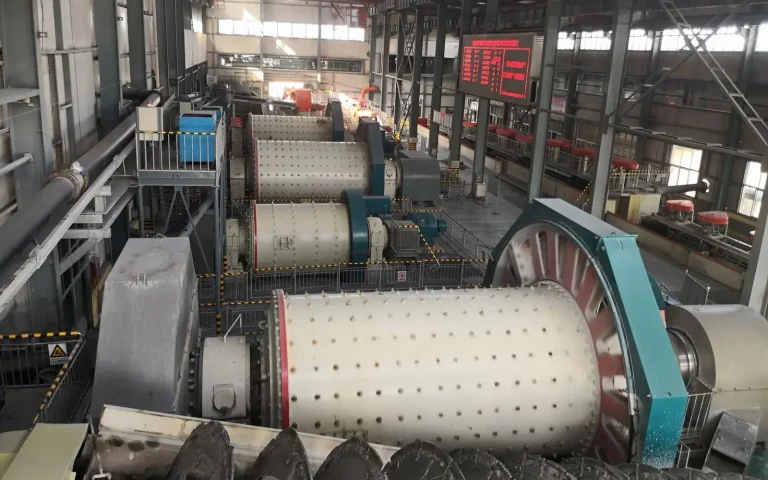
Spodumene and lepidolite are very important lithium bearing minerals and they are very easy to recover
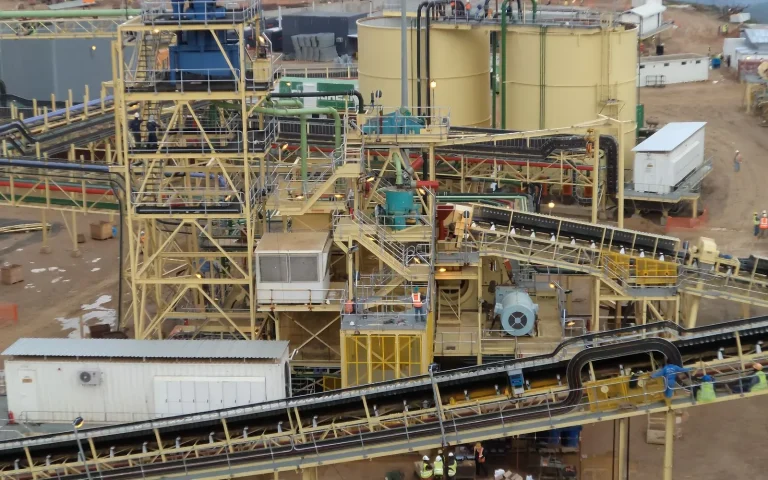
Flotation is the most popular processing way in gold ore processing project. Because the flotation process
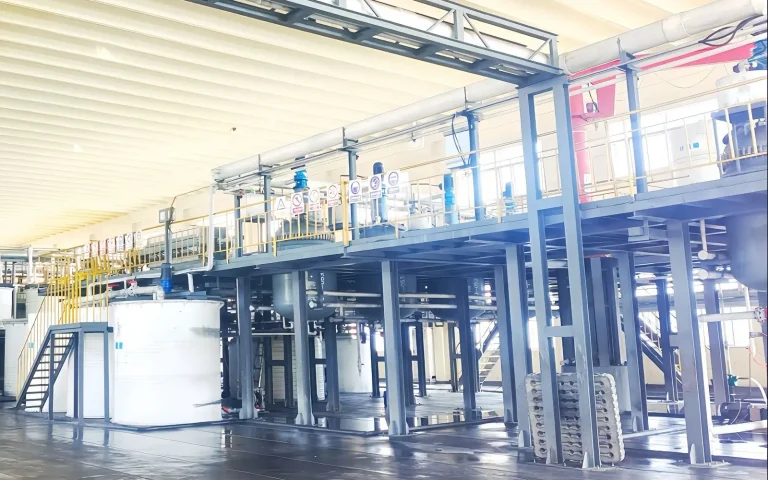
Flake graphite can be used to produce high carbon graphite, high purity graphite, expandable graphite

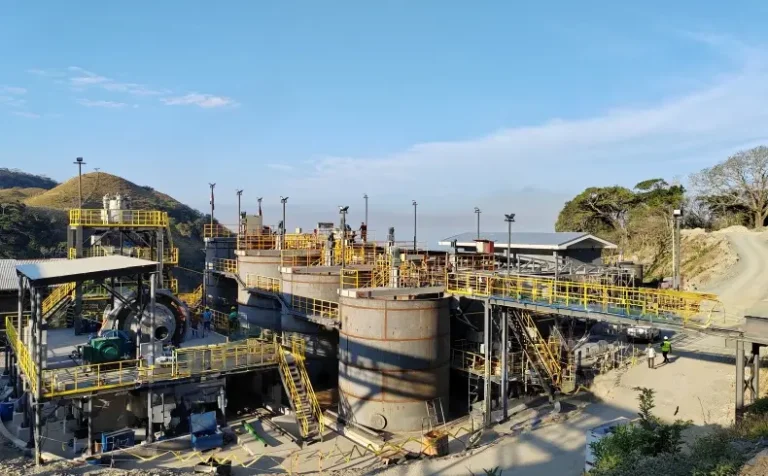
Raw Ore: Sulfide-Refractory Gold Ore (25% Sulfide) Gold Grade: 2.8-4.1 g/t Final Product: 99.99% Gold Ingot
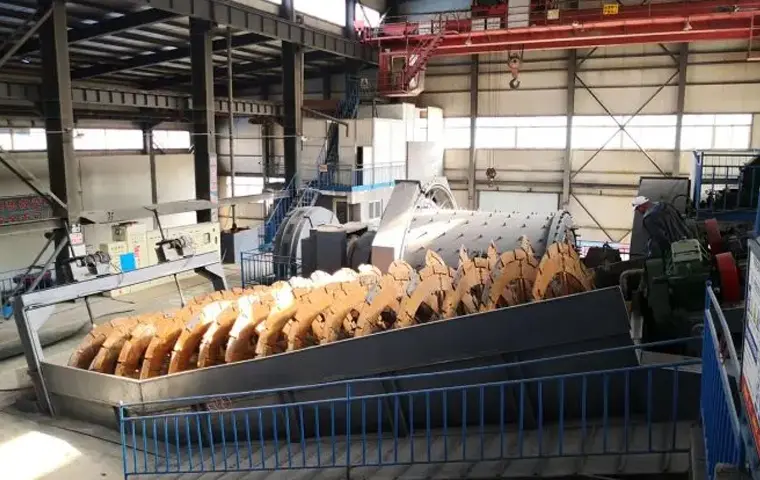
Raw Ore: Sulfide Type Gold Ore Gold Grade: 3 g/t
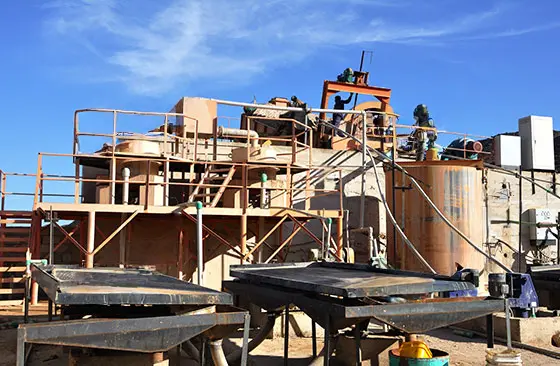
Raw Ore: Sulfide Gold-Copper Ore (Au-Cu ratio: 1:1.2) Gold Grade: 2.8 g/t Copper Grade: 0.85%
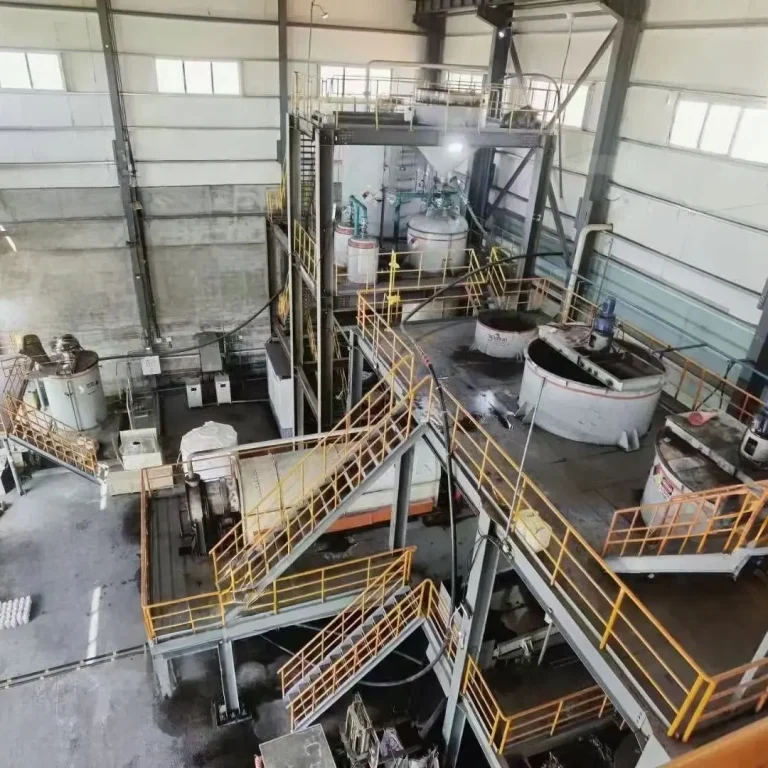
Raw Ore: Oxide/Sulfide Mixed Gold Ore Gold Grade: 3.5 g/t Gold Ingot Purity: 99.5%

Raw Ore: Sulfide Type Copper Ore (with associated gold) Gold Grade: 0.6 g/t Copper Grade: 1.2%
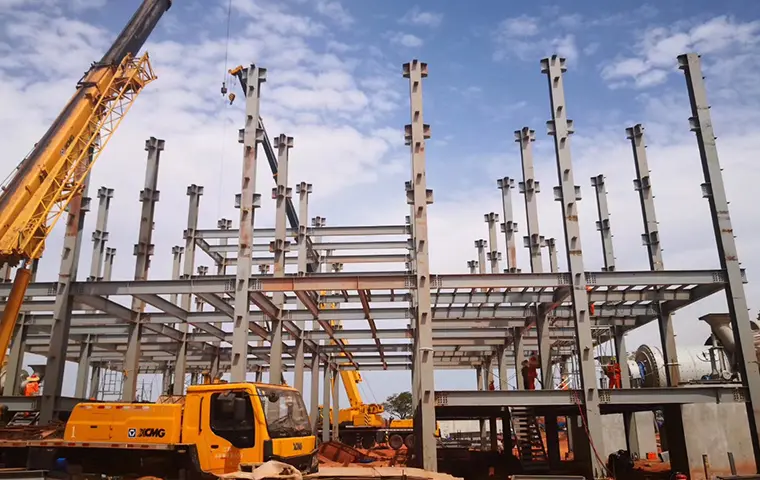
Located in Guinea, this large-scale project features a processing capacity of 15,000 TPD (Tons Per Day).
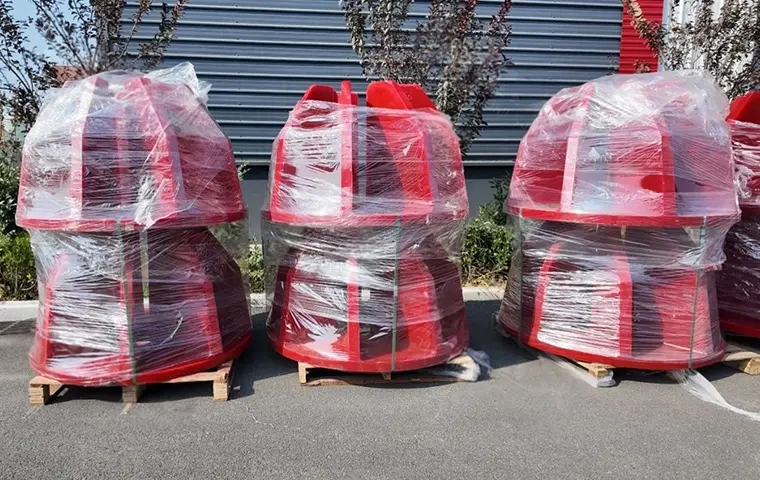
Raw Ore: Sulfide Copper Ore Copper Grade: 1.2% Target Flotation Recovery Rate: 92%
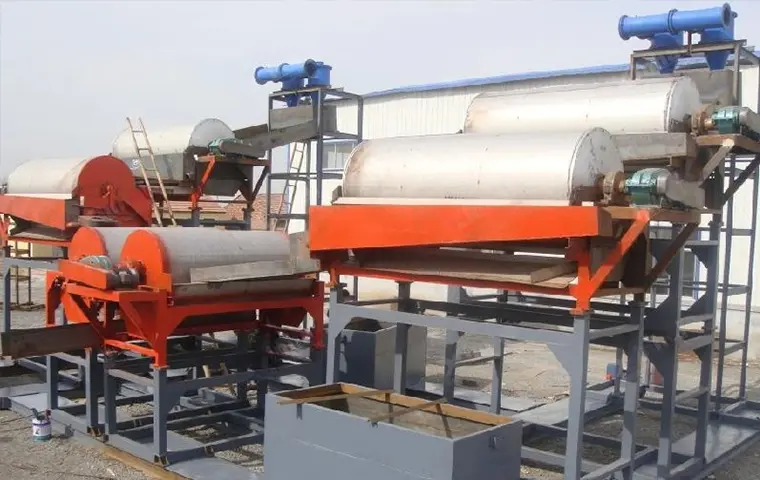
Raw Ore: Hausmannite Ore (Mn₃O₄) Mn Grade: 35% Final Product: Hausmannite Concentrate Mn Recovery Rate: 88%
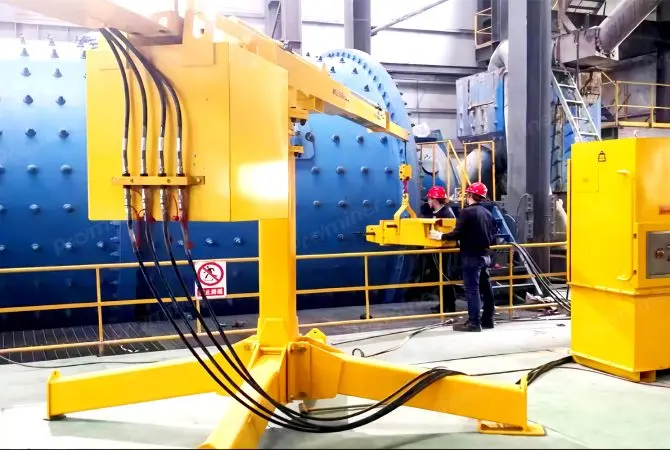
We can manufacture the highly automated and powerful recoilless Bolt Hammer to remove
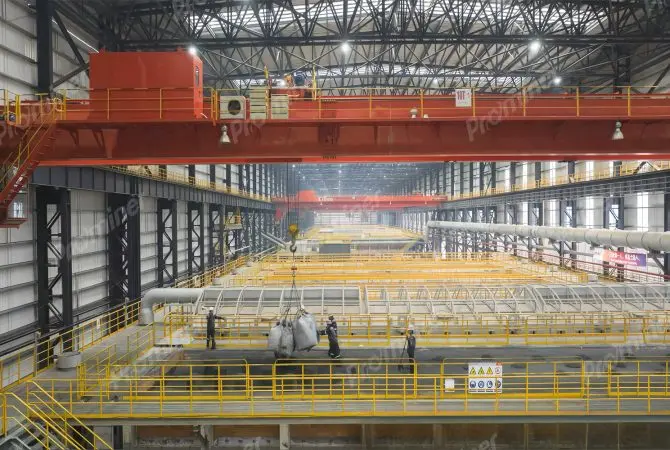
We can provide different type graphitization furnace for changing carbon material
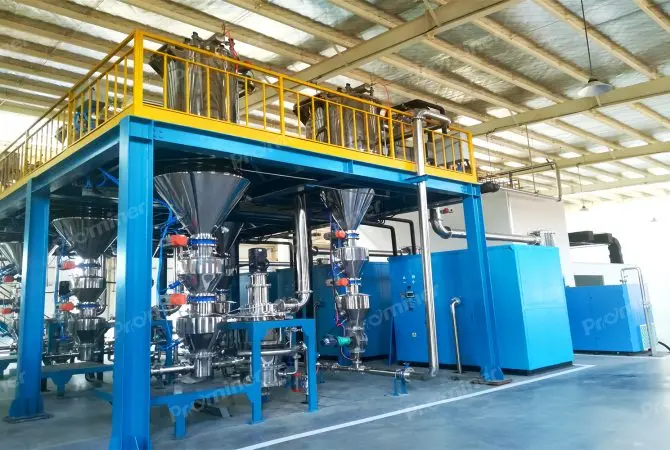
Jet mill is also called fluidized bed jet mill by using multiple nozzles to form sonic speed air flow
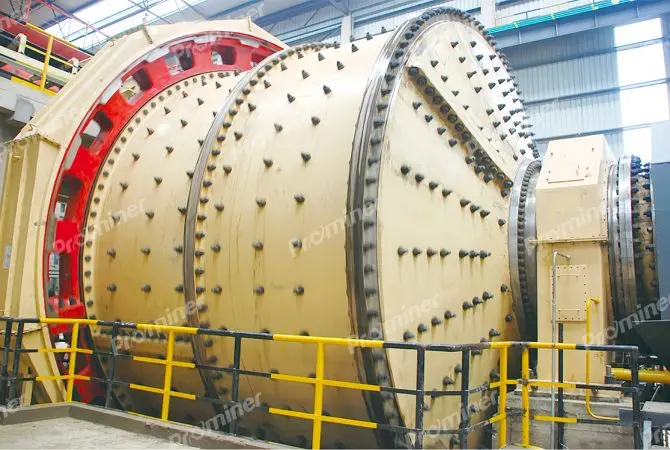
AG/SAG is short for autogenous mill and semi-autogenous mill, it combines with two functions of crushing
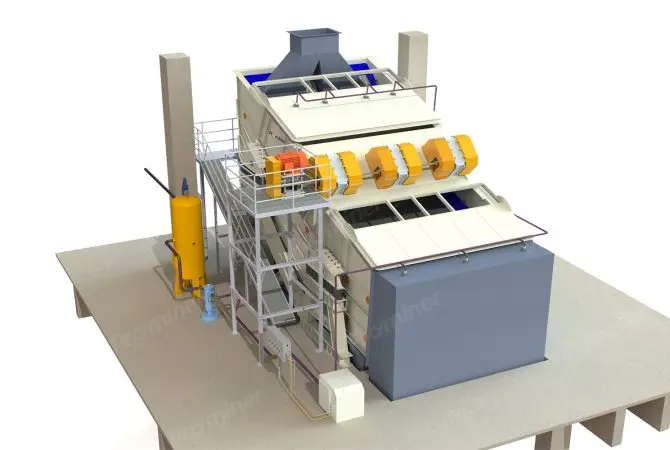
Flip-flow screen panel continues expanding and contracting so achieve a high acceleration rates
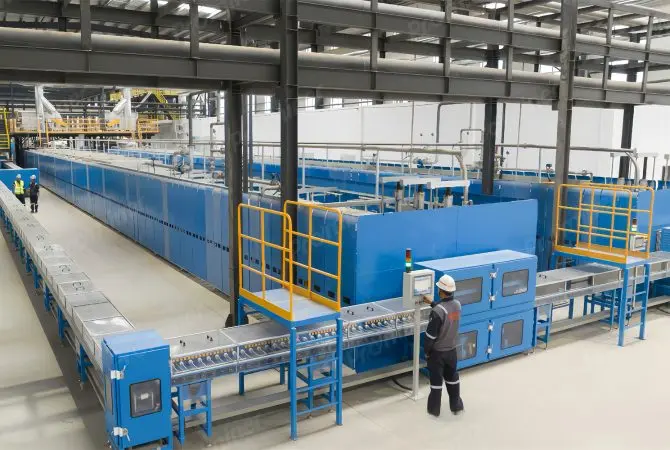
We can provide the complete solution for high temperature carbonization treatment system
To find out more about our products and solutions, please fll out the form below and one of our experts will get back to you shortly
3000 TPD Gold Flotation Project in Shandong Province
2500TPD Lithium Ore Flotation in Sichuan
Fax: (+86) 021-58779592
Address: Room 606, Building D3, Phase II, Chuansha Business Center, 777 Long, Miaochuan Road, Pudong New Area, Shanghai,China
Copyright © 2023. Prominer (Shanghai) Mining Technology Co.,Ltd.


