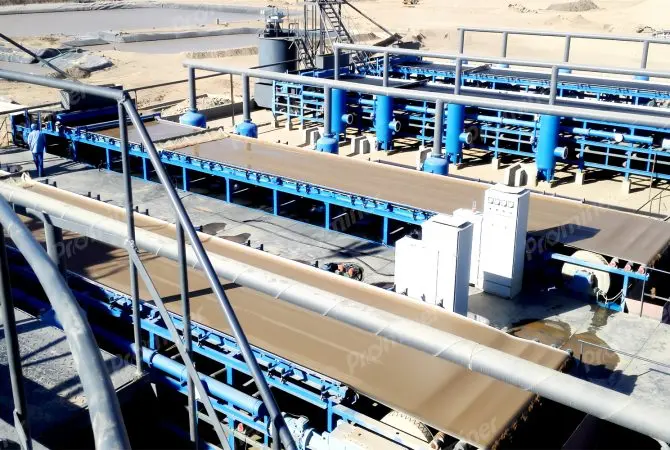
Provide important equipment in the gold ore processing process, such as CIL/CIP System, Flotation Cell…




Phosphate ore dressing is the process of separating valuable phosphate minerals from unwanted gangue such as silica, carbonates, clays, and organic matter. Because many phosphate deposits are complex and finely disseminated, physical separation alone is often not enough to achieve the required concentrate grade and recovery. This is where reagents play a critical role.
Reagents are chemical substances added during beneficiation to modify the surface properties of minerals, improve selectivity, reduce impurities, and enhance process stability. When properly selected and dosed, they can significantly increase phosphate recovery, improve concentrate quality, lower operating costs, and make downstream processing more efficient.
In phosphate beneficiation, reagents are mainly used to support processes such as flotation, dispersion, desliming, and impurity control. Their primary purpose is to create a stronger contrast between phosphate minerals and gangue minerals so that separation becomes easier and more efficient.
Phosphate ores often contain apatite as the target mineral, mixed with quartz, calcite, dolomite, and clay minerals. Since these minerals may have similar physical properties, reagents help by changing wettability, surface charge, or particle interactions. This makes it possible to selectively float phosphate or reject impurities, depending on the process route.
The use of reagents also helps stabilize plant performance. Variations in ore composition can cause inconsistent results, but a well-designed reagent scheme can improve control over recovery, grade, froth behavior, and water quality.
Several reagent categories are commonly used in phosphate ore dressing, each serving a distinct purpose:
Collectors are used to make target minerals hydrophobic so they can attach to air bubbles during flotation. In phosphate flotation, fatty acids and their soaps are widely used as collectors for apatite, especially in direct flotation systems. In reverse flotation, amine collectors may be used to float silica away from phosphate.
Frothers help create and stabilize bubbles in the flotation cell. A proper froth structure improves particle-bubble attachment and supports efficient separation. The right frother can improve recovery while reducing mechanical losses and entrainment of unwanted fine particles.
Depressants prevent certain minerals from floating. They are essential when selective separation is required between phosphate and gangue minerals. For example, starch, dextrin, or modified polymers may be used to depress carbonate or silicate gangue under certain conditions.
Dispersants reduce particle agglomeration and improve the separation of fine particles, particularly in clay-rich phosphate ores. They help keep slime coatings from covering apatite surfaces, allowing collectors to work more effectively. Common dispersants include sodium silicate, sodium hexametaphosphate, and other phosphate-based compounds.
pH regulators such as sulfuric acid, phosphoric acid, soda ash, or caustic soda are used to create the chemical conditions needed for reagent performance. Since flotation selectivity is highly sensitive to pH, controlling it is essential for maximizing separation efficiency.
Reagents improve phosphate ore dressing efficiency in several important ways.
One of the main benefits of reagents is improved selectivity between phosphate minerals and gangue. By altering surface chemistry, reagents allow operators to target valuable apatite more precisely while minimizing the flotation of impurities. This results in higher concentrate grade and better overall metallurgical performance.
Appropriate reagent combinations help recover more phosphate from the ore, including fine particles that might otherwise be lost. Improved particle-bubble attachment and reduced slime interference can significantly increase total recovery.
Phosphate concentrates must often meet strict limits for silica, magnesium, iron, and aluminum. Reagents help reject these impurities during beneficiation, making the final product more suitable for fertilizer production or chemical processing.
As high-grade phosphate resources decline, more operations are processing low-grade or difficult ores with higher clay or carbonate content. Reagents make it possible to treat these complex ores more effectively by improving dispersion, selectivity, and flotation response.
Consistent reagent use can reduce fluctuations caused by ore variability. Stable froth formation, controlled pulp chemistry, and predictable mineral response all contribute to smoother plant operation and more reliable results.
The success of reagents in phosphate ore dressing depends on more than simply adding chemicals to the system. Their performance is influenced by several operating and mineralogical factors.
Different phosphate ores respond differently to the same reagent system. The proportions of apatite, carbonates, silica, and clays strongly affect which reagents are most effective. Detailed mineralogical analysis is therefore essential when designing a reagent scheme.
Flotation efficiency is highly dependent on particle size. If particles are too coarse, they may not attach well to bubbles; if they are too fine, they may be entrained or consume excessive reagent. Reagent dosage and type often need adjustment based on grinding and classification results.
Dissolved ions in process water can interact with reagents and mineral surfaces, affecting flotation performance. Hard water, recycled water, and high salinity can all influence collector adsorption, froth stability, and selectivity.
Parameters such as pH, temperature, ionic strength, and conditioning time determine how well reagents work. Even a high-quality reagent program can underperform if pulp conditions are not properly controlled.
Too little reagent may lead to poor recovery, while too much can reduce selectivity, increase cost, and create downstream issues. The order in which reagents are added also matters, since some require specific conditioning times or interactions before flotation begins.
Although reagents offer major benefits, their use also presents challenges.
Finding the right reagent combination often requires extensive laboratory testing, pilot trials, and plant adjustments. A reagent system that works well for one deposit may not be suitable for another.
Reagents can represent a significant portion of operating costs in phosphate beneficiation. Overdosing not only wastes money but may also reduce performance. Careful monitoring and optimization are necessary to balance efficiency and cost.
Some flotation reagents may have environmental impacts if not properly managed. Plants must consider effluent treatment, reagent toxicity, biodegradability, and regulatory compliance when selecting products.
Phosphate ores with high clay content are particularly difficult to treat. Slimes can consume reagents, coat mineral surfaces, and disrupt froth behavior. In such cases, dispersants, desliming steps, and tailored reagent strategies become especially important.
To get the best results from reagents in phosphate ore dressing, operators typically combine chemical optimization with strong process control.
Bench-scale flotation tests, mineralogical studies, and reagent screening are essential for selecting the most suitable chemicals. This helps identify the most effective collectors, depressants, and operating conditions for a specific ore body.
Ore characteristics can change over time, so reagent dosage should not remain fixed indefinitely. Real-time monitoring and periodic adjustment can improve both metallurgical performance and cost efficiency.
Proper liberation and slime removal make reagents much more effective. If apatite surfaces are clean and adequately liberated, collectors and depressants can perform with greater selectivity.
Maintaining stable water chemistry and pH levels is critical for consistent reagent action. Water treatment or controlled recycling may be necessary in plants where dissolved ions interfere with flotation.
In some cases, blended collectors or custom reagent formulations provide better performance than standard products. These specialized reagents can improve selectivity for difficult ores and help plants handle changing feed conditions.
Reagents are a key factor in improving phosphate ore dressing efficiency. They enhance the separation of apatite from gangue, increase recovery, reduce impurities, and enable the treatment of more complex and lower-grade ores. Their effectiveness depends on proper selection, dosage, and control of operating conditions such as pH, water quality, and particle size.
As phosphate deposits become more challenging to process, reagent technology will remain central to achieving economical and efficient beneficiation. Plants that invest in ore characterization, reagent optimization, and process monitoring are best positioned to maximize concentrate quality and overall plant performance.
A: A handful of variables drive most of the variation in recovery and grade: grind size (liberation), pulp density, reagent type and dosage, residence time, pH, and — for magnetic separation — field intensity and feed rate. Changing one without adjusting the others usually backfires. The practical way to find your optimum is a structured test program: vary one parameter at a time on your actual ore and measure recovery and grade at each point. We run this kind of parameter study during lab and pilot testing, then carry the settings into the plant design and re-tune them during commissioning.
A: Three properties matter most: whether the valuable mineral is sulfide or oxide, how coarsely or finely it is disseminated in the gangue, and what gangue minerals accompany it. Coarse, high-density minerals respond well to gravity separation; magnetic minerals to magnetic separation; fine sulfide minerals to flotation; oxide or low-grade ores often to leaching. Many ores need a staged combination. Because two deposits carrying the same metal can behave completely differently, the flowsheet has to be built from your ore’s own test data — not copied from a similar project.
A: A single method rarely hits both target recovery and target grade when the ore contains multiple valuable minerals, spans a wide particle size range, or carries problematic gangue. Then a combined flowsheet is justified — for example, gravity pre-concentration to reject coarse waste early, magnetic separation ahead of flotation to remove magnetic minerals, or staged grinding and classification to liberate progressively. The added circuit costs more, but it usually pays back through higher overall recovery and lower reagent and energy consumption per tonne.
A: Refractory ores resist standard processing — gold locked inside sulfide minerals, ores that consume excessive reagents, carbonaceous ores that re-adsorb dissolved gold, fine or clay-rich ores that slime badly, or oxide ores that float poorly. Treatment usually adds a step ahead of or instead of the conventional circuit: finer grinding, oxidation pre-treatment, roasting, or a switch from flotation to leaching. Identifying the specific cause through diagnostic testwork is essential, because each cause has a different fix and the wrong one wastes capital.
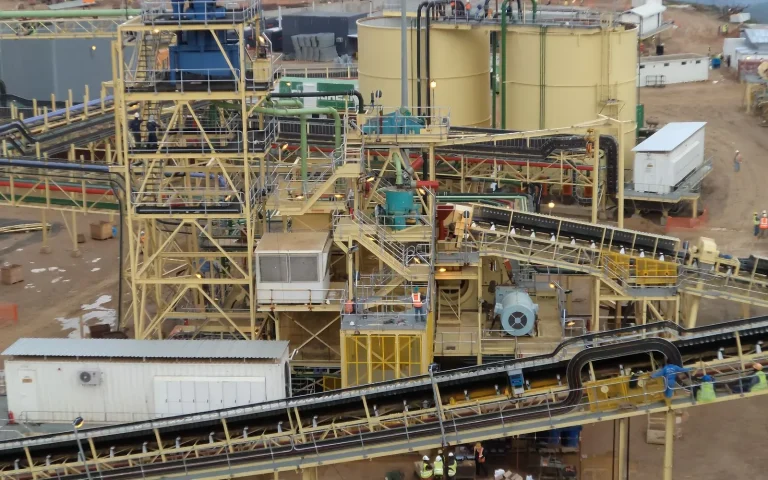
Provide important equipment in the gold ore processing process, such as CIL/CIP System, Flotation Cell…
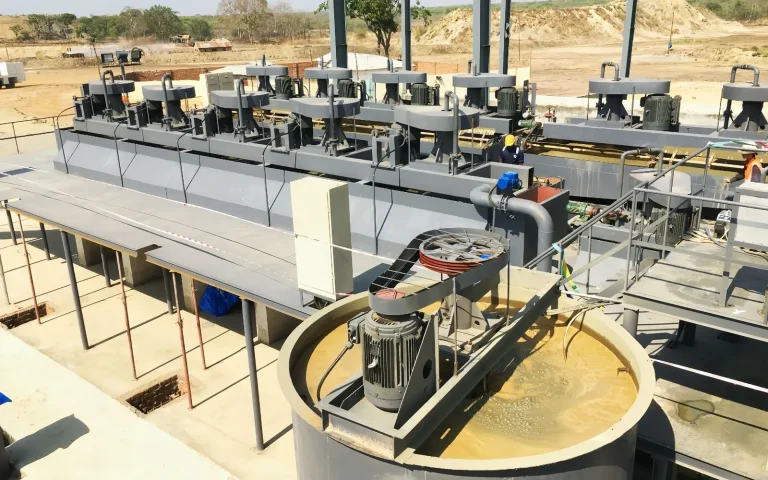
There are two types natural graphite ore include crystalline graphite and amorphous graphite
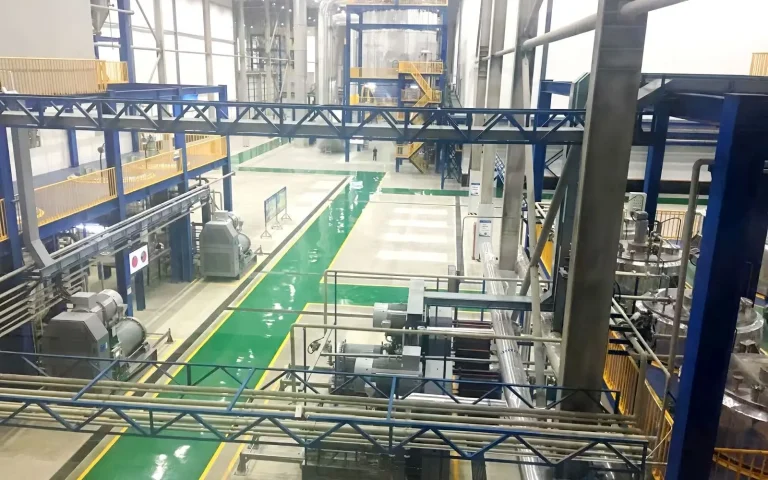
Cathode material is one of the key materials to determine the performance of lithium-ion batteries

Raw Material: Needle coke and petroleum coke Project Capacity: 50 kgs per hour
Raw Ore: Oxide Type Gold Ore Gold Grade: 2.5 g/t Gold Ingot Purity: 92%
Project Objective: To determine the optimal processing flowsheet and provide scale-up data for a full-scale plant.
Raw Ore: Sulfide Type Molybdenum Ore (Mainly Molybdenite) Mo Grade: 0.15% Concentrate Grade: 45% Mo
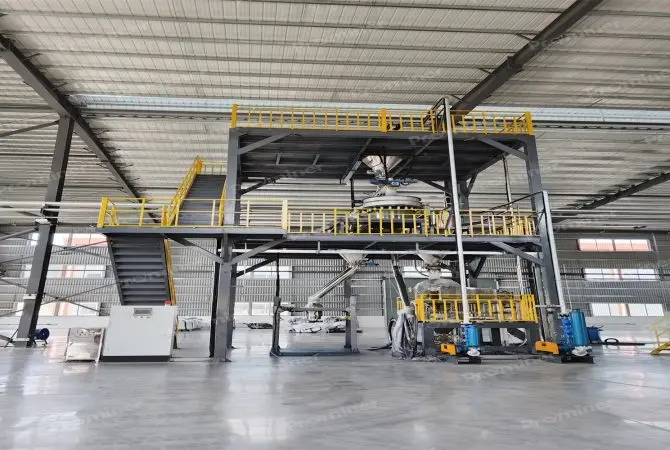
Raw Material: Artificial graphite anode, Natural graphite anode
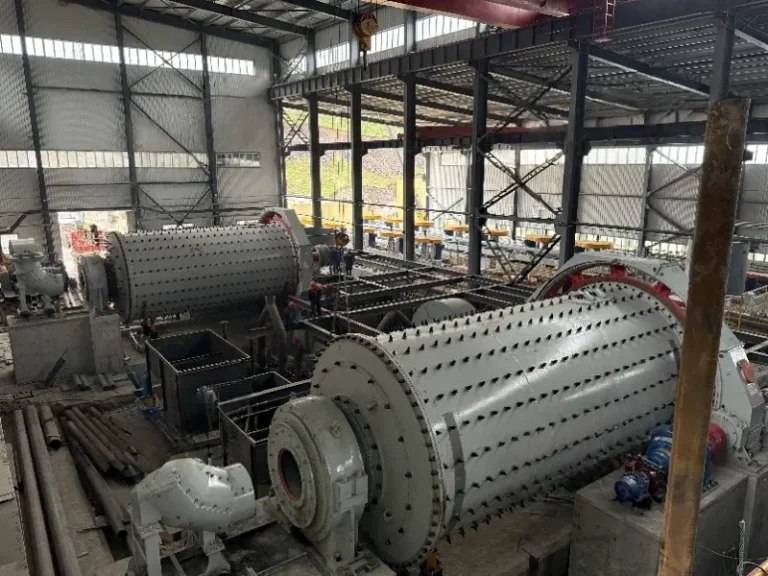
Raw Ore: Limonite Type Laterite Nickel Ore Ni Grade: 1.2% Co Grade: 0.12%
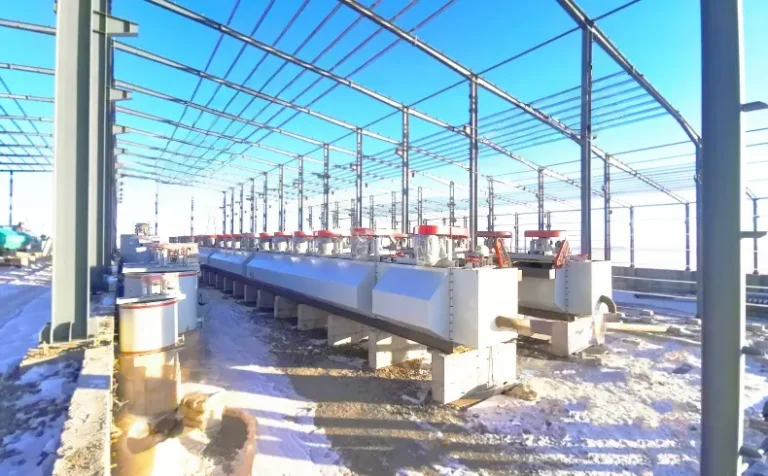
Raw Ore: Copper Sulfide Ore Copper Grade: 0.85% Final Product: Copper Concentrate
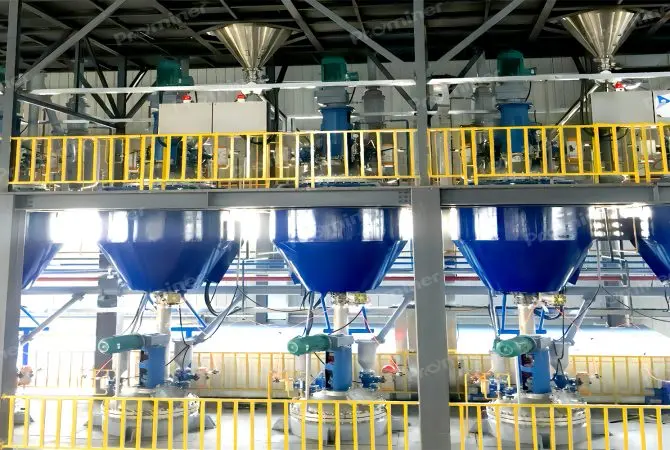
Our granulation reactor combines the coating and granulation processing functions together
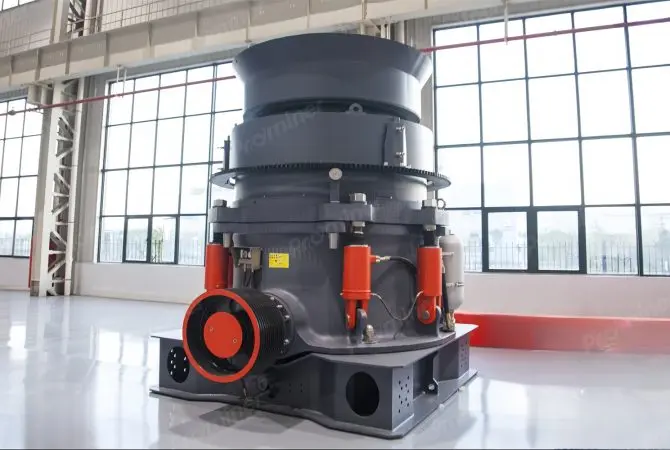
Multi-cylinder hydraulic cone crusher combines crusher speed, eccentricity and cavity profile
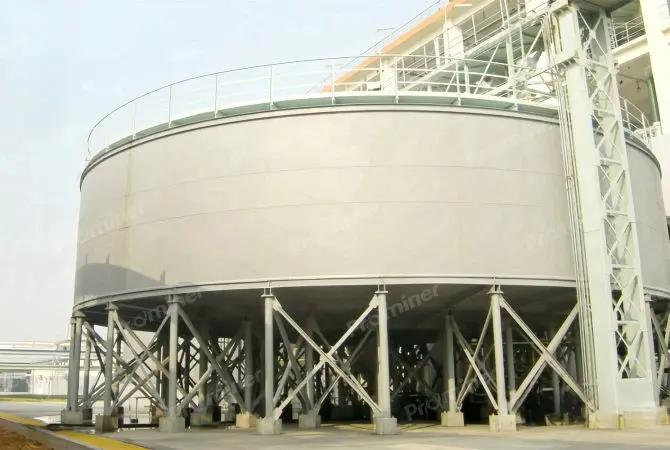
Prominer can provide different kinds of thickeners include center driving thickener, peripheral traction thickener
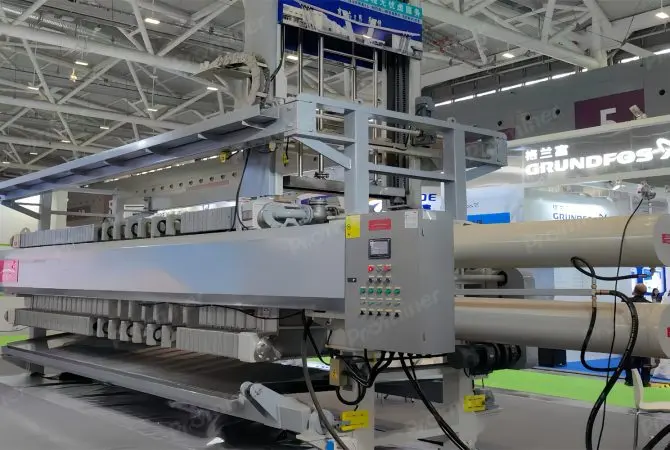
Prominer can provide press filter, belt vacuum filter, disk vacuum filter and ceramic filter
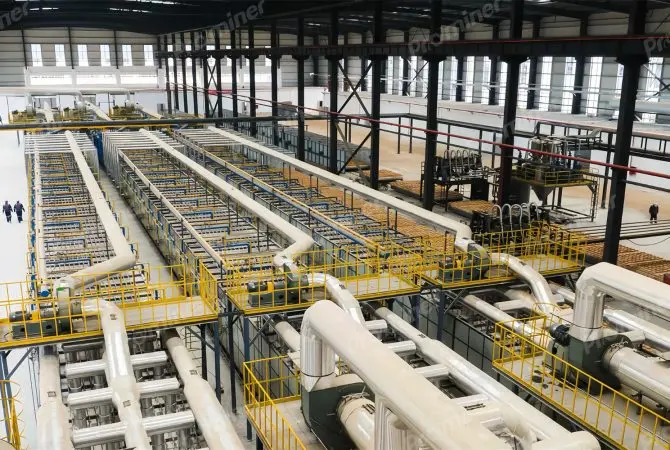
Prominer provides various types of furnaces for primary and secondary baking of carbon
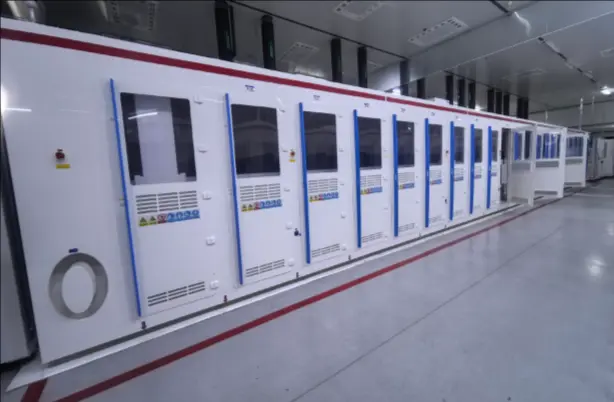
Include: Monocrystalline Batch Texturing Equipment, Batch Texturing Loader/Unloader, Low-Pressure…
To find out more about our products and solutions, please fll out the form below and one of our experts will get back to you shortly
3000 TPD Gold Flotation Project in Shandong Province
2500TPD Lithium Ore Flotation in Sichuan
Fax: (+86) 021-58779592
Address: Room 606, Building D3, Phase II, Chuansha Business Center, 777 Long, Miaochuan Road, Pudong New Area, Shanghai,China
Copyright © 2023. Prominer (Shanghai) Mining Technology Co.,Ltd.