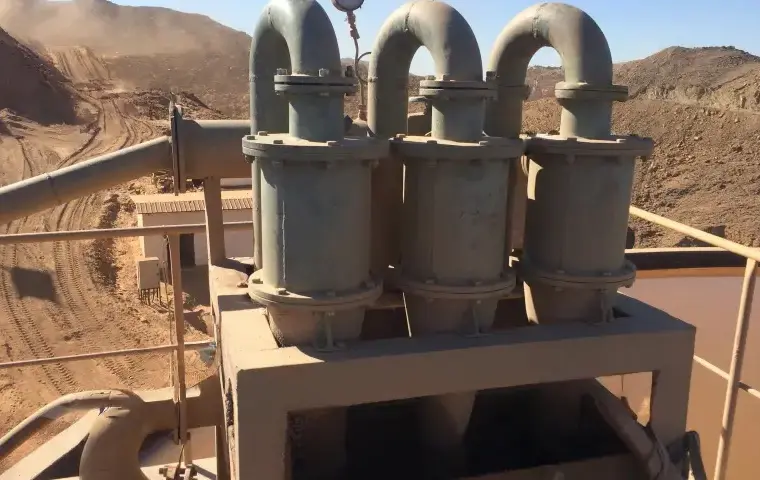
Heap leaching is a traditional cyanide leaching processing way which is flexible and economic to extract gold




Heap construction has a major impact on gold heap leaching efficiency because it controls how solution moves through the ore, how evenly the ore is irrigated, and how much gold-bearing liquid can be recovered. Even with good ore and chemistry, poor heap design can reduce recovery, increase costs, and slow production.
The way ore is stacked affects permeability. If fine particles dominate or the heap becomes compacted during stacking, leach solution may channel unevenly or pond on the surface. Proper crushing, screening, and controlled stacking help create a porous heap that allows solution to flow freely.
Heap height influences pressure within the pile. Taller heaps can improve tonnage per area, but they may also cause compaction and reduced permeability at lower levels. Slope design matters too, because it affects drainage and stability. A well-designed heap balances height, safety, and solution movement.
A properly built liner prevents solution loss and environmental contamination. Beneath the heap, drainage systems collect pregnant leach solution efficiently. If these systems are uneven or damaged, solution can pool, reducing contact with ore and lowering recovery.
Conveyor stacking, radial stacking, or truck dumping each create different heap structures. Controlled stacking generally gives better distribution and less segregation of coarse and fine materials. Poor stacking can lead to dense zones that block flow and lower leaching efficiency.
Heap construction determines how well leach solution is distributed across the surface. Uneven heap surfaces can cause dry spots and over-saturated areas. Uniform irrigation improves contact between cyanide solution and gold particles, which increases extraction efficiency.
If the ore contains a lot of fines or clay, agglomeration may be needed before stacking. Heap construction must accommodate this step by allowing the agglomerated ore to remain stable and permeable. Without it, the heap may compact and reduce solution flow.
Some heap leaching systems benefit from oxygen movement through the pile. Good construction supports both aeration and drainage, which can improve leaching kinetics. Saturated or tightly packed heaps limit oxygen transfer and slow gold dissolution.
Heap construction directly affects gold heap leaching efficiency by controlling permeability, drainage, solution distribution, and overall heap stability. A well-designed and well-built heap improves recovery, shortens leach time, and lowers operating costs.
A: The right process depends on your ore’s mineralogy, grade, particle size, and liberation characteristics — not on guesswork. The reliable way is to run laboratory and pilot tests first. These tests define whether flotation, gravity separation, magnetic separation, or leaching (or a combination) will deliver the best recovery and grade. We start every project with ore characterization and bench-scale tests, then scale up to pilot validation before committing to plant design — a testing-first approach that avoids costly process mistakes later.
A: Reagent selection depends on the mineral’s surface chemistry and the ore’s gangue composition. Collectors, frothers, depressants, and modifiers are chosen — and their dosages fine-tuned — through laboratory flotation tests on your actual ore sample, not from generic recipes. Over- or under-dosing both hurt recovery. Our metallurgical lab tests reagents on your ore to lock in the right combination and dosage before plant-scale operation, then re-optimizes during commissioning.
A: Heap leaching suits low-grade, high-tonnage ores — crushed ore is stacked and irrigated with a leaching solution, giving low capital and operating cost but slower, weather-dependent recovery. CIL (carbon-in-leach) and CIP (carbon-in-pulp) both use cyanide solution and activated carbon, but differ in where adsorption happens: CIL adds carbon during leaching, which suits clayey or high-fines ores; CIP adds carbon after leaching, which suits clean, free-filtering pulps. The choice comes down to ore type, grade, and throughput — we evaluate all three against your ore to recommend the most economical route.
A: Start by diagnosing where the loss occurs — usually in grinding, classification, or the separation stage itself. Common levers include: optimizing grind size for better liberation, upgrading to more efficient separation equipment (flotation cells, magnetic separators, spirals), automating control for steadier operation, and re-running metallurgical tests when the ore type changes. A structured audit plus targeted equipment or process upgrades typically recovers 2–5% more metal. We provide exactly this — process audits, equipment upgrades, and full EPC retrofits — to lift both recovery and grade.
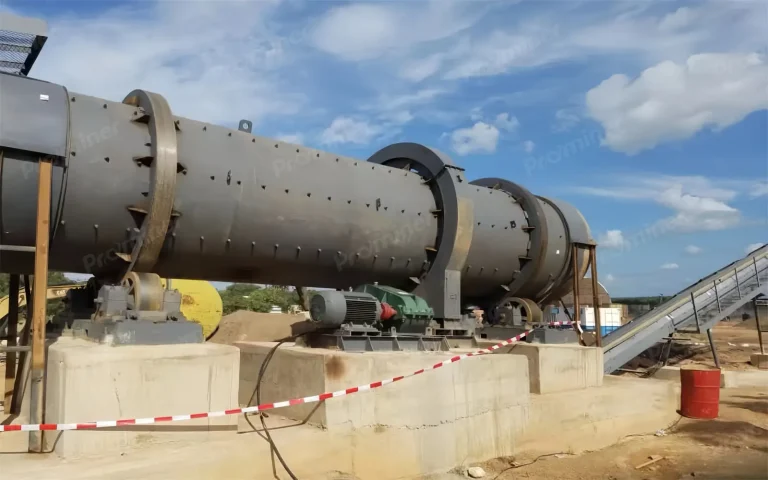
Heap leaching is a traditional cyanide leaching processing way which is flexible and economic to extract gold
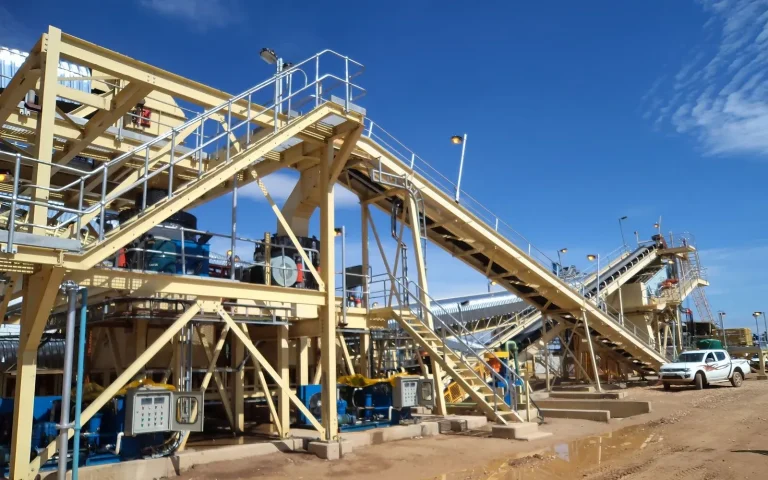
Vat leaching is a good option for the project owner to start at initial stage to save investment
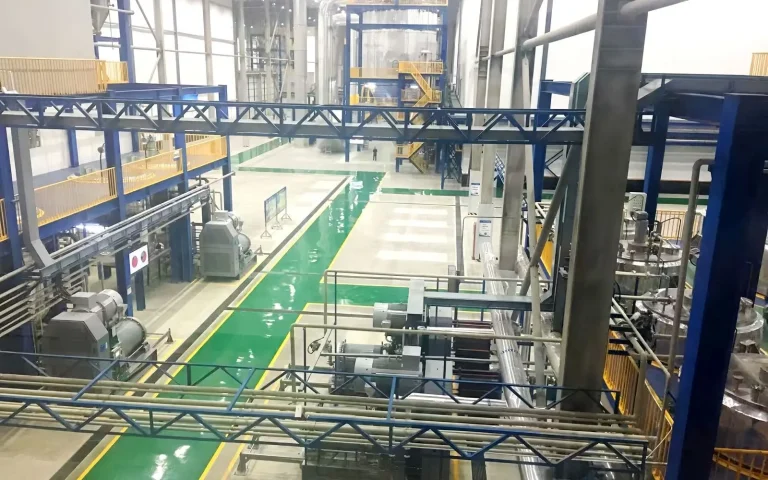
Cathode material is one of the key materials to determine the performance of lithium-ion batteries

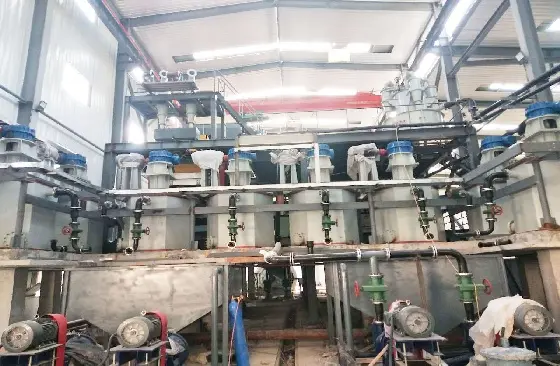
Raw Material: Quartzite Rock (SiO₂: 97.8%) Photovoltaic Grade: SiO₂≥99.99%, Fe₂O₃≤10ppm
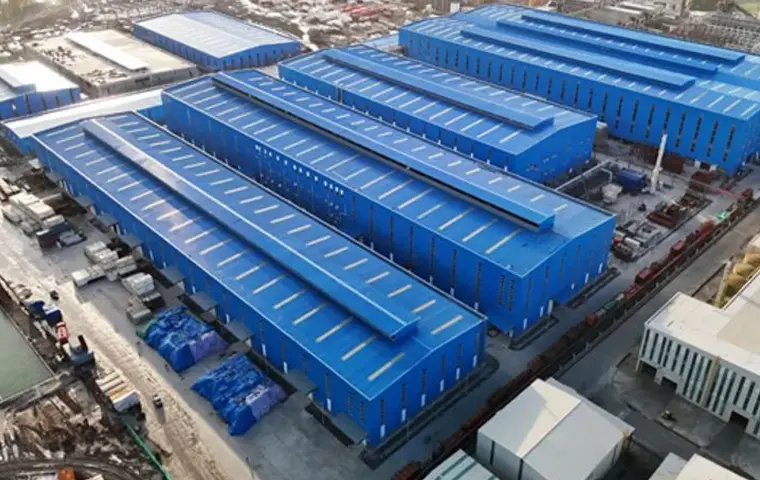
Raw Material: Petroleum Coke, Needle Coke, Pitch Binder Project Capacity: 50,000 Tons Per Annum
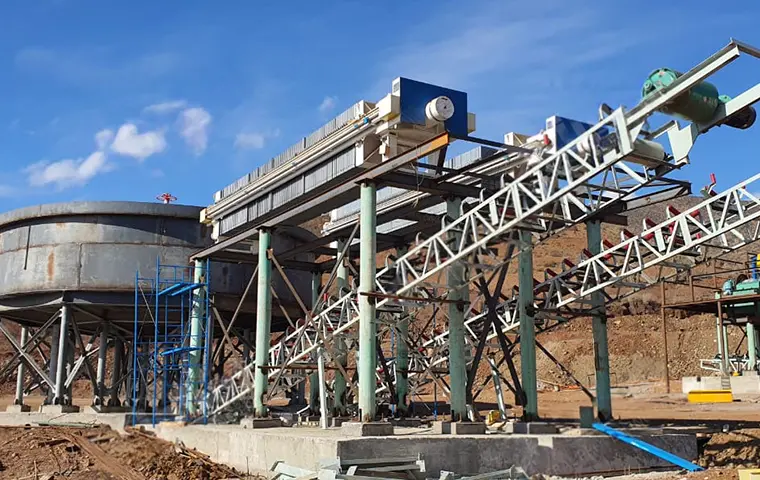
From laboratory testing to final commissioning, Prominer delivered a customized 20 TPH solution
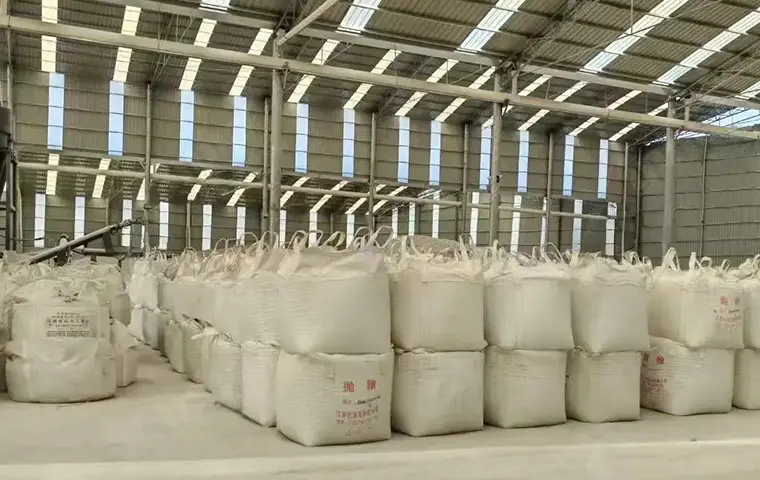
Raw Ore: High-grade Wollastonite ore with associated Garnet and Diopside Feed Grade: 65-70% Wollastonite
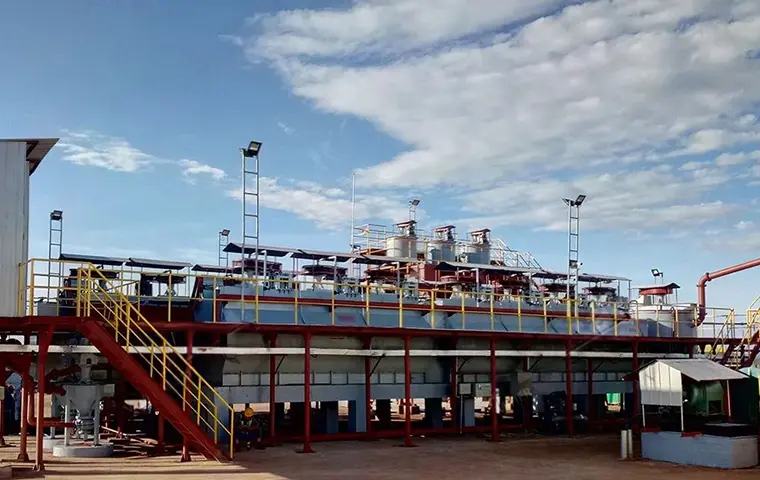
Raw Ore: Gold ore with high arsenic content Gold Grade: 3.5 g/t Arsenic Content: 2.1%

Raw Ore: Oxide Type Gold Ore Gold Grade: 3.5 g/t Gold Recovery Rate: 92% Gold Ingot Purity: 96%
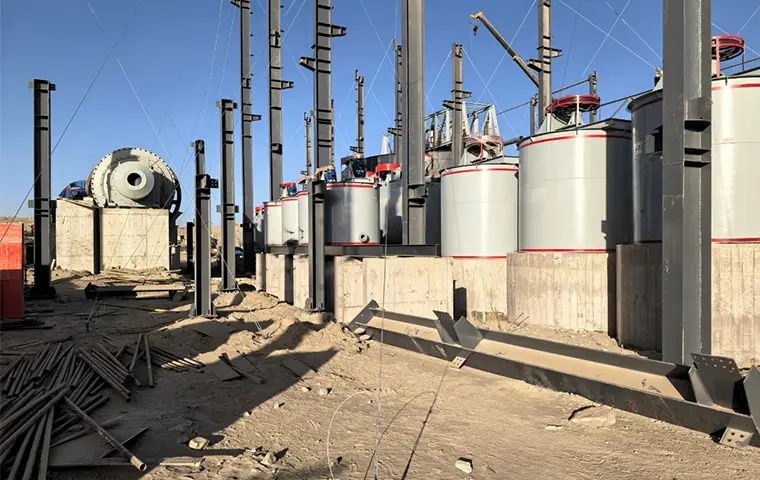
Raw Ore: Transitional & Oxide Gold Ore (with minor sulfides) Feed Gold Grade: 2.5 g/t Final Product: Gold Doré Ingot
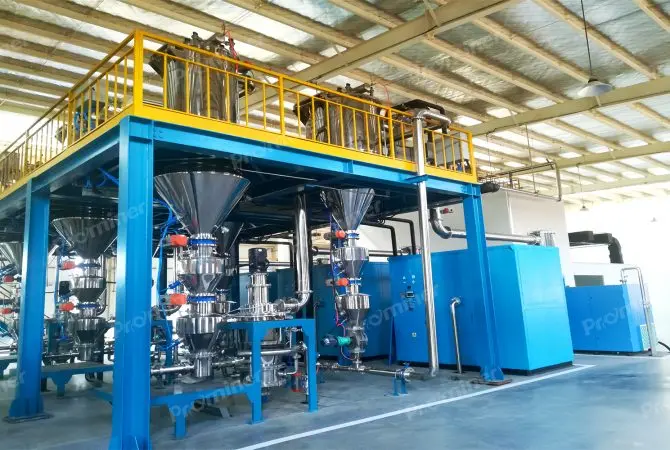
Jet mill is also called fluidized bed jet mill by using multiple nozzles to form sonic speed air flow
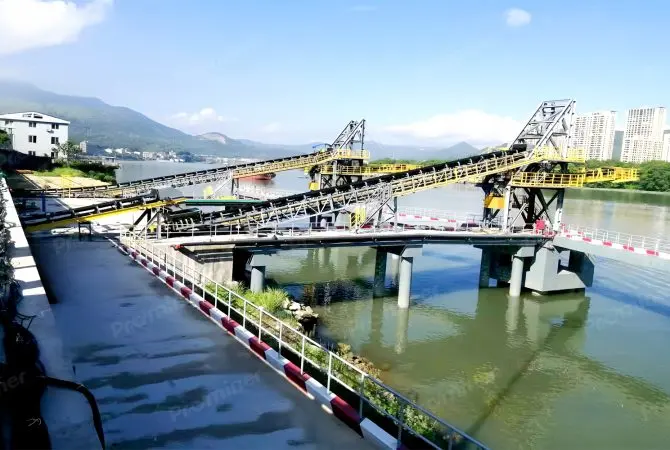
We can provide the solution of belt conveyors for different purposes include steeply inclined belt conveyor
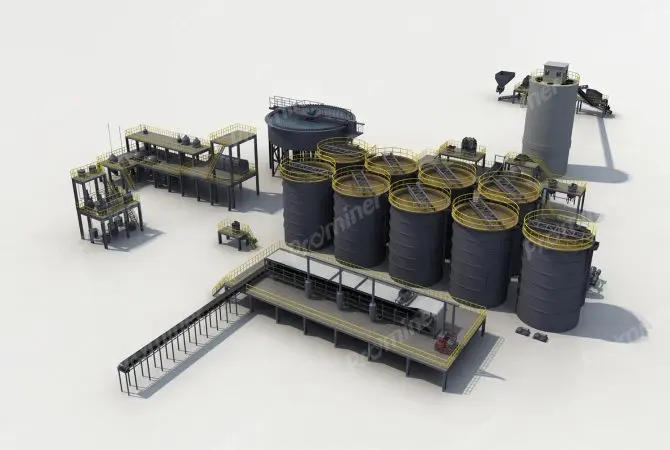
Prominer can provide the complete solution for CIL (carbon in leaching) system
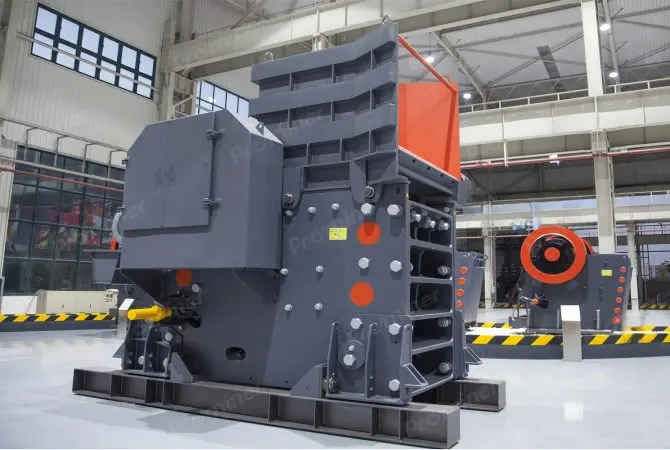
Jaw Crusher, its opening size determines its max feeding size. The crushing chamber of a jaw crusher
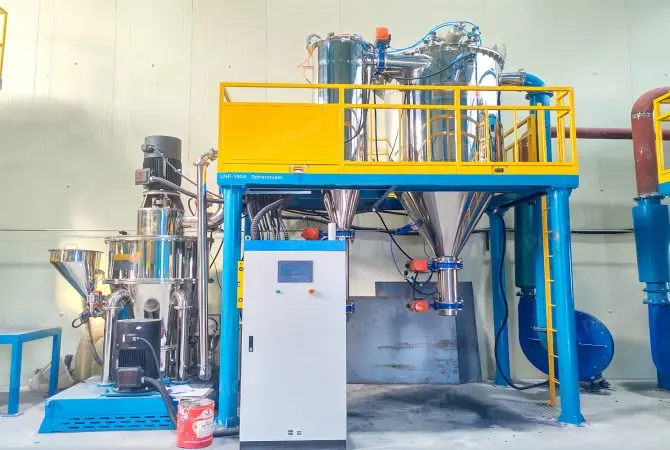
Besides strict PSD requirements, Anode Graphite also requires a spherical shape in order
To find out more about our products and solutions, please fll out the form below and one of our experts will get back to you shortly
3000 TPD Gold Flotation Project in Shandong Province
2500TPD Lithium Ore Flotation in Sichuan
Fax: (+86) 021-58779592
Address: Room 606, Building D3, Phase II, Chuansha Business Center, 777 Long, Miaochuan Road, Pudong New Area, Shanghai,China
Copyright © 2023. Prominer (Shanghai) Mining Technology Co.,Ltd.