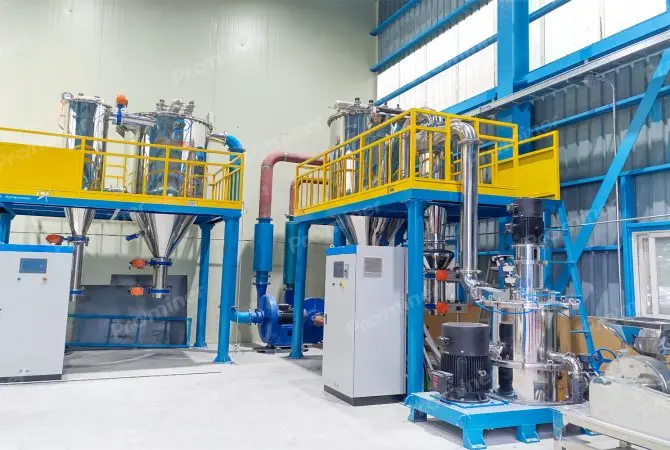

Spodumene and lepidolite are very important lithium bearing minerals and they are very easy to recover


Cyanide leaching is the most widely used method for extracting gold from low-grade ores. It works by dissolving gold into a cyanide solution, allowing the metal to be recovered economically from material that would be difficult to process by other methods.
Crushed ore is exposed to a dilute cyanide solution, usually sodium cyanide or potassium cyanide. In the presence of oxygen, cyanide forms a soluble gold-cyanide complex. The dissolved gold is then separated from the ore and recovered from the solution.
Modern gold plants typically use one of these approaches:
After leaching, gold is recovered from the solution by:
The recovered gold is then smelted into doré bars for further refining.
Cyanide leaching is favored because it:
Because cyanide is highly toxic, modern operations use strict controls such as:
Cyanide leaching can be less effective on ores containing copper, carbon, or certain sulfides. It also faces environmental scrutiny. For this reason, some mines use alternatives like thiosulfate or chloride leaching, though cyanide remains the industry standard for most gold deposits.
In modern gold extraction, cyanide leaching is a central processing method because it is efficient, scalable, and cost-effective. When properly controlled, it enables the recovery of gold from ores that would otherwise be uneconomic to mine.
A: The right process depends on your ore’s mineralogy, grade, particle size, and liberation characteristics — not on guesswork. The reliable way is to run laboratory and pilot tests first. These tests define whether flotation, gravity separation, magnetic separation, or leaching (or a combination) will deliver the best recovery and grade. We start every project with ore characterization and bench-scale tests, then scale up to pilot validation before committing to plant design — a testing-first approach that avoids costly process mistakes later.
A: Reagent selection depends on the mineral’s surface chemistry and the ore’s gangue composition. Collectors, frothers, depressants, and modifiers are chosen — and their dosages fine-tuned — through laboratory flotation tests on your actual ore sample, not from generic recipes. Over- or under-dosing both hurt recovery. Our metallurgical lab tests reagents on your ore to lock in the right combination and dosage before plant-scale operation, then re-optimizes during commissioning.
A: Heap leaching suits low-grade, high-tonnage ores — crushed ore is stacked and irrigated with a leaching solution, giving low capital and operating cost but slower, weather-dependent recovery. CIL (carbon-in-leach) and CIP (carbon-in-pulp) both use cyanide solution and activated carbon, but differ in where adsorption happens: CIL adds carbon during leaching, which suits clayey or high-fines ores; CIP adds carbon after leaching, which suits clean, free-filtering pulps. The choice comes down to ore type, grade, and throughput — we evaluate all three against your ore to recommend the most economical route.
A: Start by diagnosing where the loss occurs — usually in grinding, classification, or the separation stage itself. Common levers include: optimizing grind size for better liberation, upgrading to more efficient separation equipment (flotation cells, magnetic separators, spirals), automating control for steadier operation, and re-running metallurgical tests when the ore type changes. A structured audit plus targeted equipment or process upgrades typically recovers 2–5% more metal. We provide exactly this — process audits, equipment upgrades, and full EPC retrofits — to lift both recovery and grade.
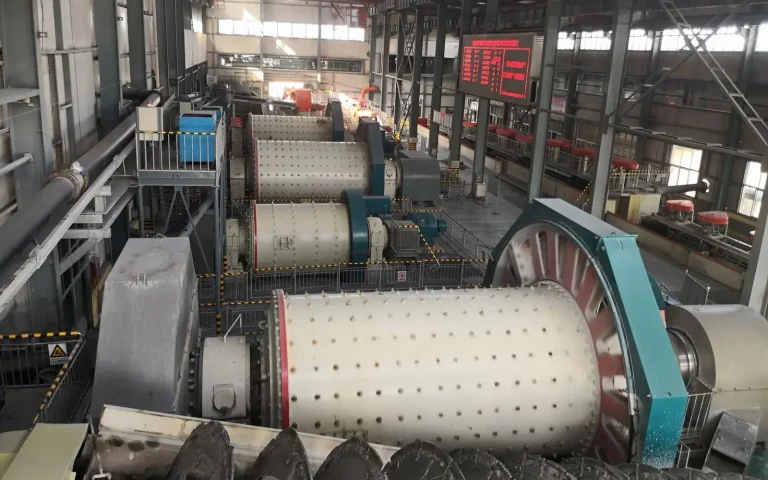
Spodumene and lepidolite are very important lithium bearing minerals and they are very easy to recover
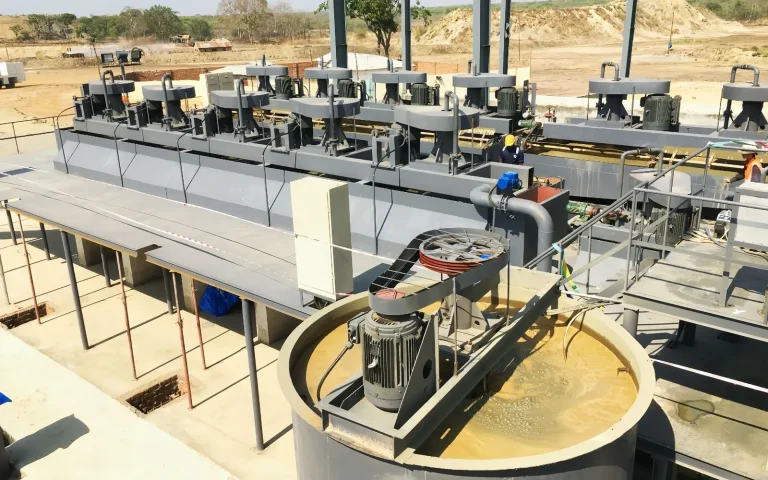
There are two types natural graphite ore include crystalline graphite and amorphous graphite
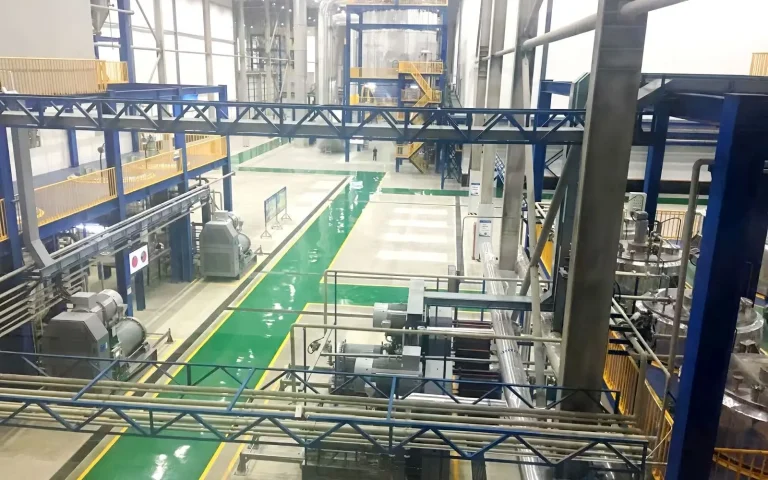
Cathode material is one of the key materials to determine the performance of lithium-ion batteries

Raw Ore: Alluvial Tin Ore (Cassiterite) Tin Grade: 0.8% Concentrate Grade: 65%
Raw Ore: High-Grade Crystalline Vein Graphite Ore Feed Grade: 18% C Concentrate Grade: 95% C (TGC)
Raw Material: Lithium Brine (from Lithium Triangle: Chile/Argentina/Bolivia); Spodumene Ore (from Australia and China)
Raw Ore: Alluvial Coltan (Tantalite-Columbite) with Cassiterite Ore Grade: Ta₂O₅: 0.025-0.04%; Nb₂O₅: 0.02-0.035%; SnO₂: 0.1-0.3%
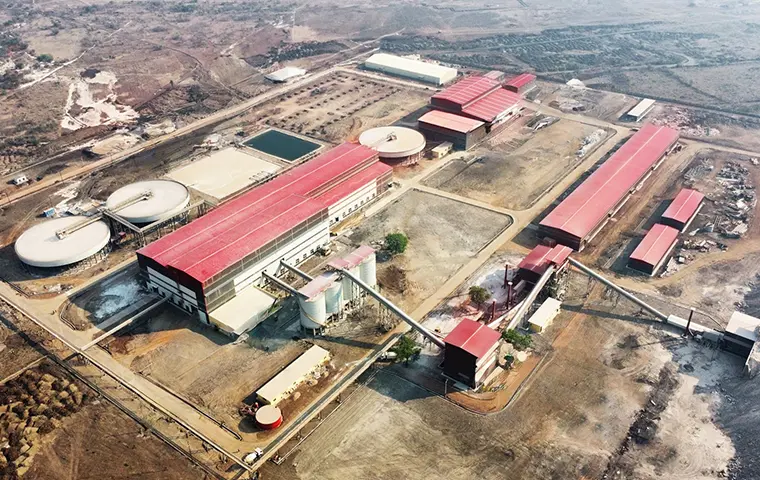
Raw Ore: Multi-metal sulfide ore (Cu, Zn, Au) Ore Grade: Cu 1.2%, Zn 2.5%, Au 1.5 g/t
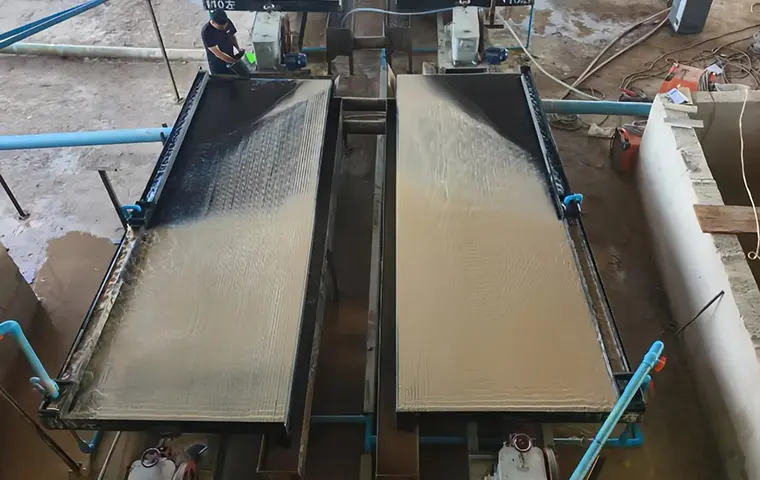
Raw Ore: Antimony sulfide ore with quartz vein Sb Grade: 3.5% Concentrate Grade: 55%
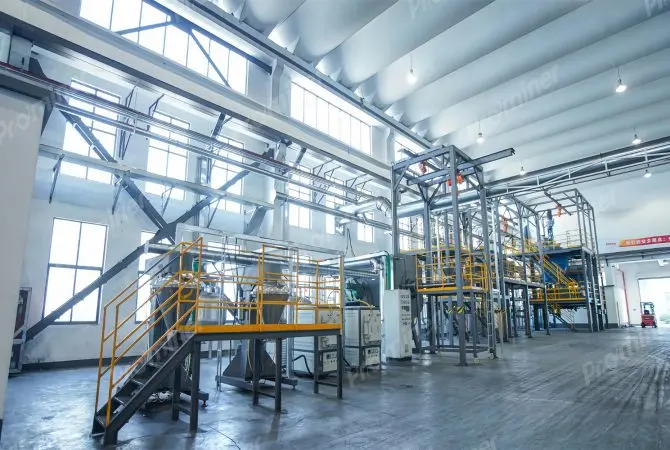
Raw Material: Needle coke and petroleum coke Project Capacity: 50 kgs per hour
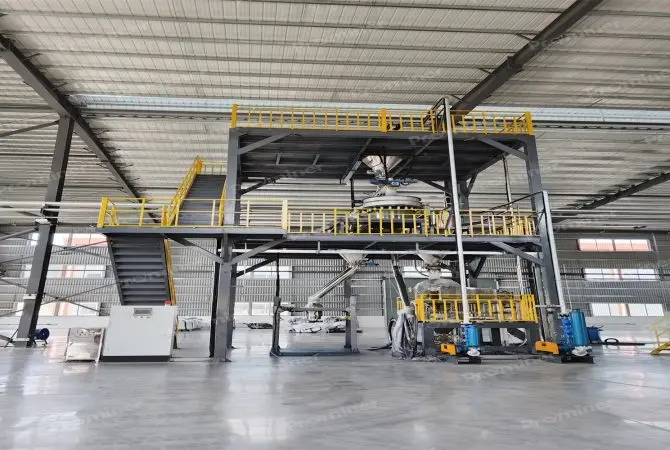
Raw Material: Artificial graphite anode, Natural graphite anode
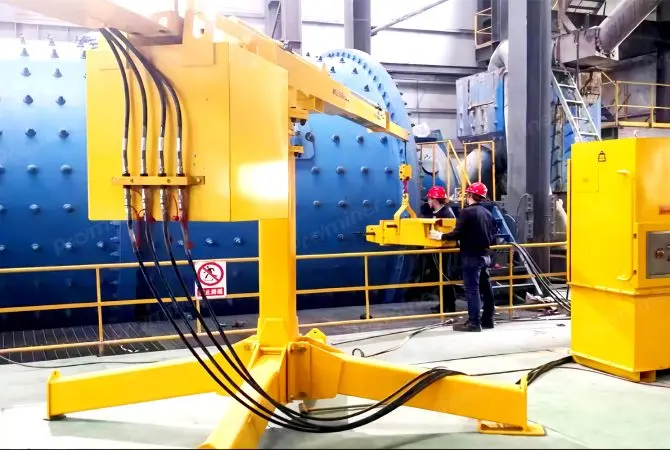
We can manufacture the highly automated and powerful recoilless Bolt Hammer to remove
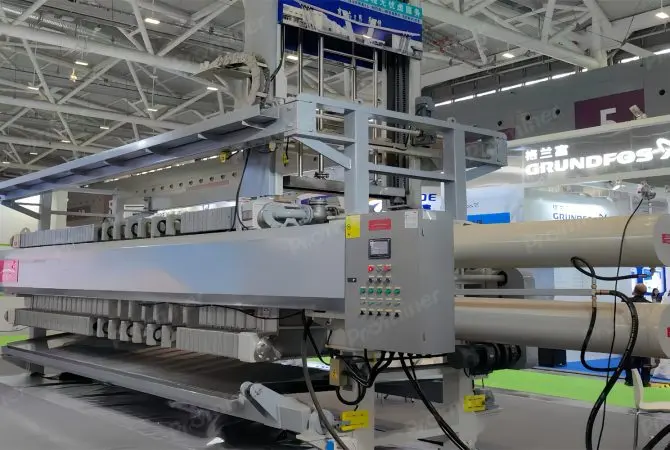
Prominer can provide press filter, belt vacuum filter, disk vacuum filter and ceramic filter
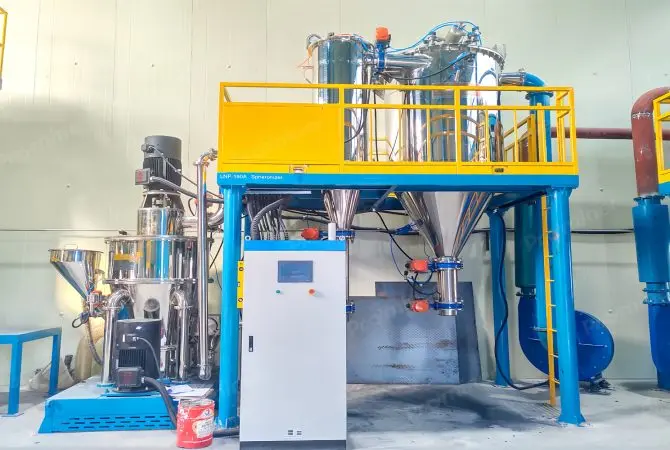
Besides strict PSD requirements, Anode Graphite also requires a spherical shape in order
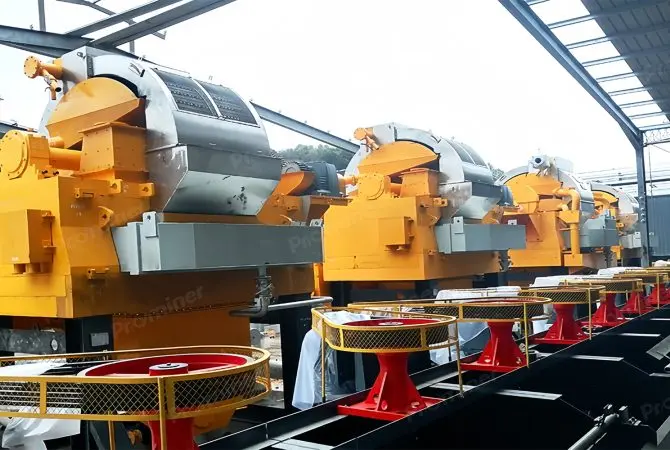
Prominer can provide different HIMS (High Intensity Magnetic separator) magnetic separators
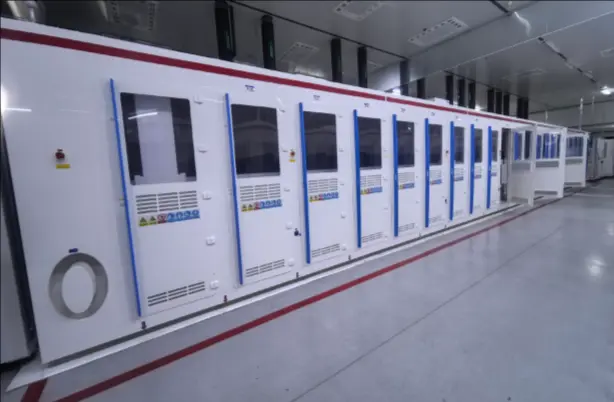
Include: Monocrystalline Batch Texturing Equipment, Batch Texturing Loader/Unloader, Low-Pressure…
To find out more about our products and solutions, please fll out the form below and one of our experts will get back to you shortly
3000 TPD Gold Flotation Project in Shandong Province
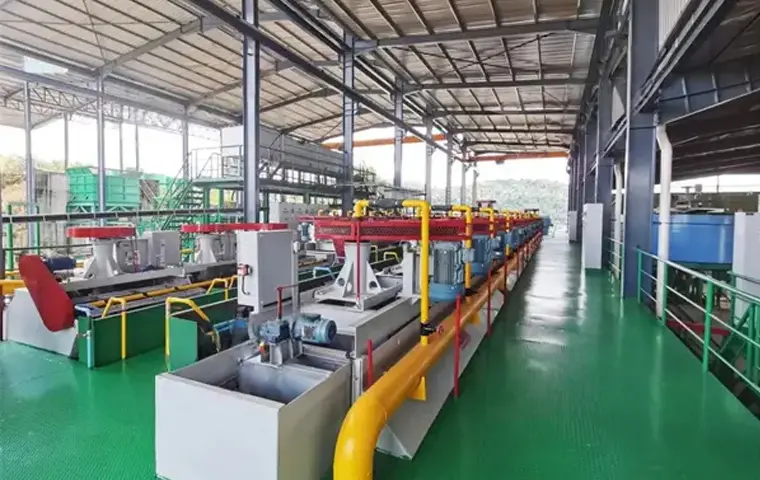
2500TPD Lithium Ore Flotation in Sichuan
Fax: (+86) 021-58779592
Address: Room 606, Building D3, Phase II, Chuansha Business Center, 777 Long, Miaochuan Road, Pudong New Area, Shanghai,China
Copyright © 2023. Prominer (Shanghai) Mining Technology Co.,Ltd.