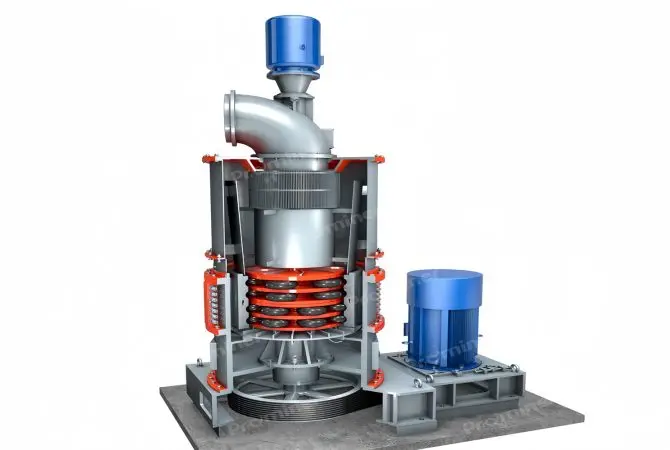
Hard carbon anode material is the most preferred materials for commercialization of sodium-ion battery




Copper-zinc sulfide ores are among the most valuable polymetallic resources, but they are also some of the most complex to process. Flotation is the primary method used to separate copper and zinc minerals from gangue and from each other. However, due to their similar surface properties and intricate mineral associations, achieving efficient separation can be challenging. Below are the main flotation process difficulties encountered with copper-zinc sulfide ores.
Copper-zinc sulfide ores often contain minerals such as chalcopyrite (CuFeS₂), sphalerite (ZnS), and pyrite (FeS₂) that are finely intergrown. The close association between chalcopyrite and sphalerite makes selective separation difficult.
In many cases, the minerals are disseminated at very fine particle sizes, requiring fine grinding to achieve liberation. However, overgrinding can lead to the production of slimes, which negatively affect flotation selectivity and recovery.
One of the most significant challenges is the similar floatability of chalcopyrite and activated sphalerite. Both minerals respond well to xanthate collectors, which makes selective flotation difficult.
Sphalerite can be inadvertently activated by copper ions dissolved in the pulp, causing it to float together with copper minerals during the copper flotation stage. This reduces copper concentrate grade and complicates downstream zinc recovery.
Copper ion activation is a common problem in copper-zinc flotation systems. Dissolved copper ions from oxidized copper minerals or recycled process water can activate sphalerite surfaces.
Once activated, sphalerite behaves similarly to copper minerals in flotation. This unintended activation makes it harder to depress zinc during the copper flotation stage and often leads to poor separation efficiency.
Surface oxidation of copper and zinc sulfide minerals can significantly affect flotation performance. Oxidized mineral surfaces reduce collector adsorption efficiency and alter surface chemistry.
Oxidation can also increase reagent consumption and reduce concentrate grade. In severe cases, secondary copper minerals or zinc oxidation products may form, further complicating flotation behavior.
Fine grinding is often required to liberate copper and zinc minerals, but it produces slimes that can coat valuable mineral surfaces. Slime coating reduces flotation selectivity and recovery.
Fine particles also have low collision efficiency with air bubbles, decreasing flotation recovery. Additionally, slimes can increase reagent consumption and pulp viscosity, leading to unstable flotation conditions.
Copper-zinc flotation requires precise control of reagent schemes, including collectors, depressants, activators, and pH regulators. Common depressants such as cyanide, zinc sulfate, or sodium sulfite must be carefully dosed to achieve selective separation.
Improper reagent dosage can either depress valuable minerals or fail to sufficiently suppress unwanted ones. Variations in ore composition further complicate reagent optimization and process stability.
pH plays a critical role in selective flotation. Copper flotation is typically conducted under alkaline conditions to depress pyrite and zinc minerals. However, maintaining stable pH throughout the circuit can be challenging.
Fluctuations in pH may result in inconsistent mineral depression or activation, affecting concentrate grade and recovery. Careful monitoring and automated control systems are often necessary to maintain stable operation.
Pyrite is commonly associated with copper-zinc ores and has natural floatability under certain conditions. If not properly depressed, pyrite can report to copper or zinc concentrates, lowering their quality.
Separating pyrite requires additional reagent control and sometimes extra flotation stages, increasing operational complexity and cost.
In summary, the flotation of copper-zinc sulfide ores is complicated by mineral intergrowth, similar surface properties, unintended sphalerite activation, oxidation, slime effects, and sensitive reagent control requirements. Overcoming these challenges requires detailed mineralogical analysis, optimized reagent schemes, precise pH control, and well-designed flotation circuits to achieve efficient and stable separation.
A: Absolutely. Mineral characteristics vary significantly by region. All our beneficiation machinery—from crushers and ball mills to flotation cells and magnetic separators—can be customized in terms of capacity, lining materials, and technical configurations based on your raw ore’s mineralogy and required output.
A: The most reliable way is through a professional mineral laboratory test. We highly recommend sending a representative ore sample ($20\text{–}50\text{ kg}$) to our engineers. We will conduct free or subsidized crushing, grinding, and separation tests to design an optimized, high-recovery flowchart backed by real data.
A: To give you the most cost-effective and precise solution, please share:The primary mineral type (e.g., copper sulfide, magnetite, oxide gold ore).Your expected processing capacity (e.g., Tons Per Hour or Tons Per Day).The feeding particle size and your target concentrate grade ($Fe\%$, $Cu\%$, etc.).
A: Yes, we provide comprehensive global support. Our experienced technical team offers layout planning, foundation drawing designs, and on-site or remote video guidance for equipment installation, commissioning, and local operator training to ensure your plant runs smoothly.
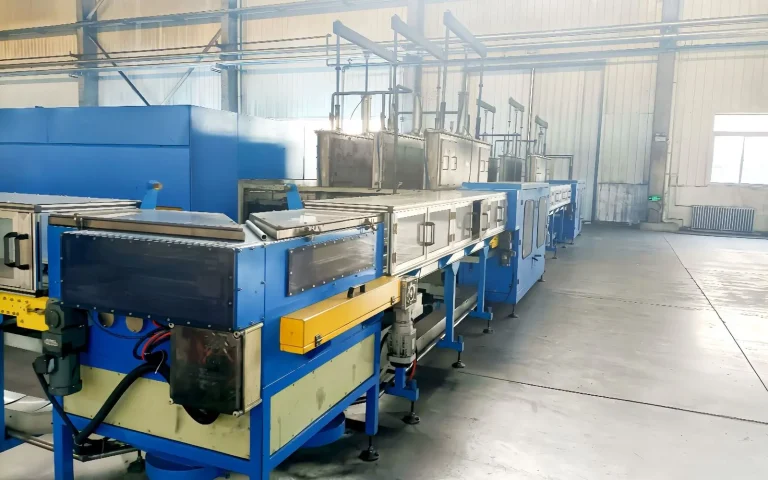
Hard carbon anode material is the most preferred materials for commercialization of sodium-ion battery
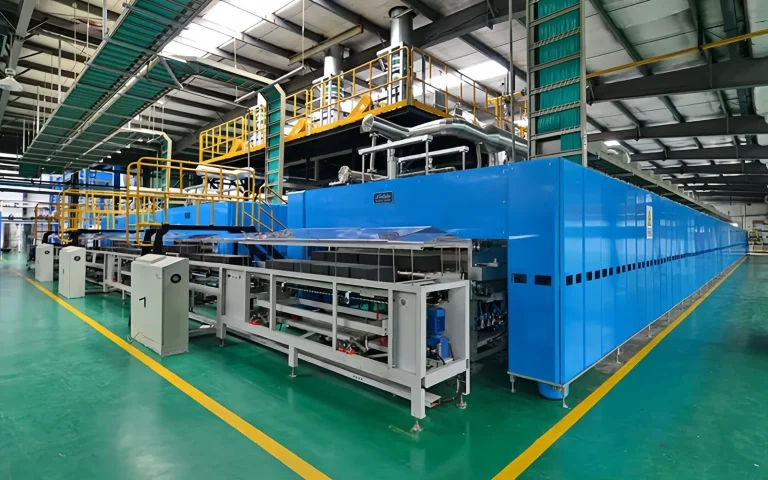
Artificial graphite anode material are mainly made from high quality low sulphur content petroleum coke
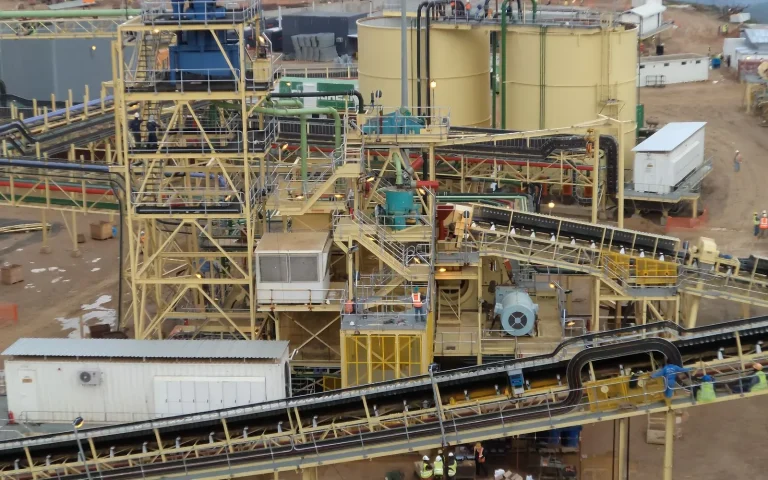
Provide important equipment in the gold ore processing process, such as CIL/CIP System, Flotation Cell…


Raw Material: Existing gold plant tailings (All-slime) Gold Grade in Tailings: 1.2 g/t Final Product: Gold Ingot
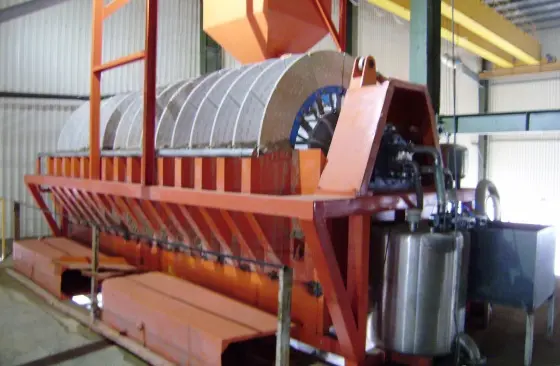
Client: Heavy Mineral Sands Producer Feedstock: Ilmenite Concentrate (TiO₂ 52-55%) Final Product: Rutile-Grade TiO₂ (≥94% purity)
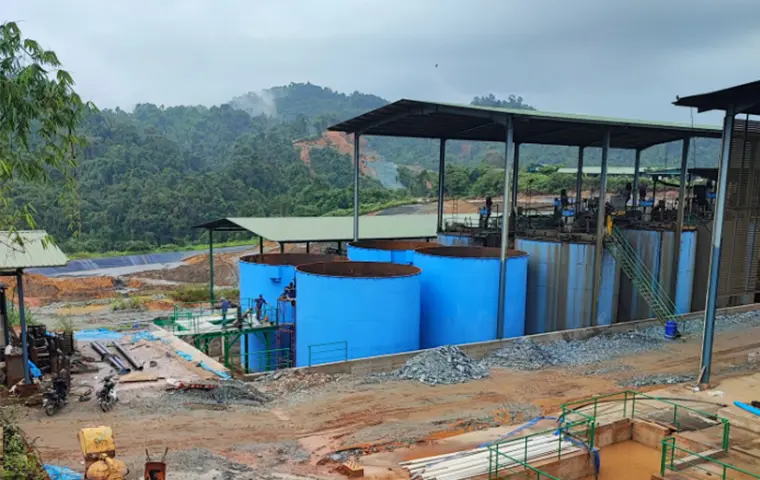
Raw Ore: Refractory and Semi-Refractory Sulfide Gold Ore Gold Grade: 2.65 g/t Gold Ingot Purity: ≥95.5%
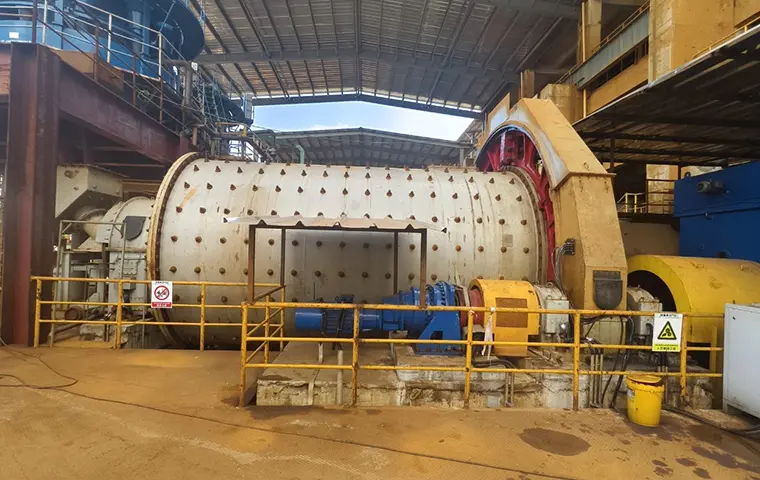
Located in Indonesia, this project focuses on the efficient regrinding of nickel ore to enhance mineral upgrading and deep processing. Prominer (Shanghai) Mining Technology Co., Ltd.
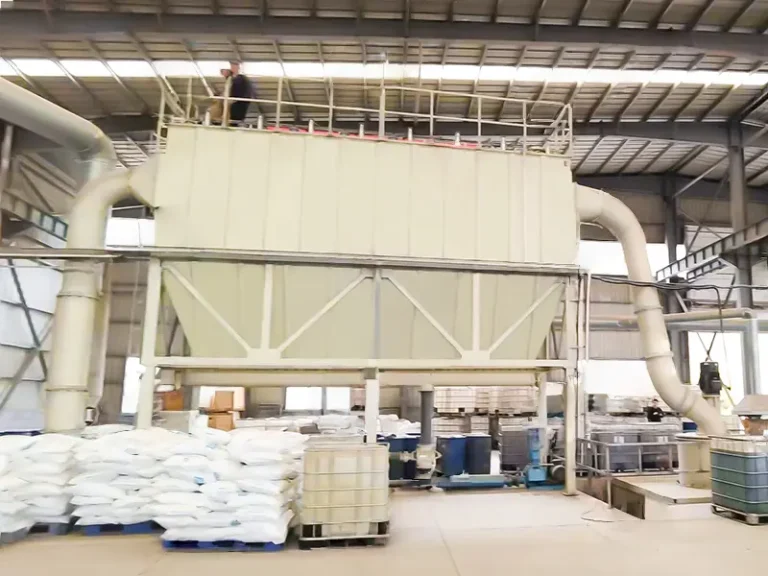
Raw Ore: Dolomite Rock (CaMg(CO₃)₂) Feed Size: ≤10 mm Final Product: Ultra Fine Dolomite Powder
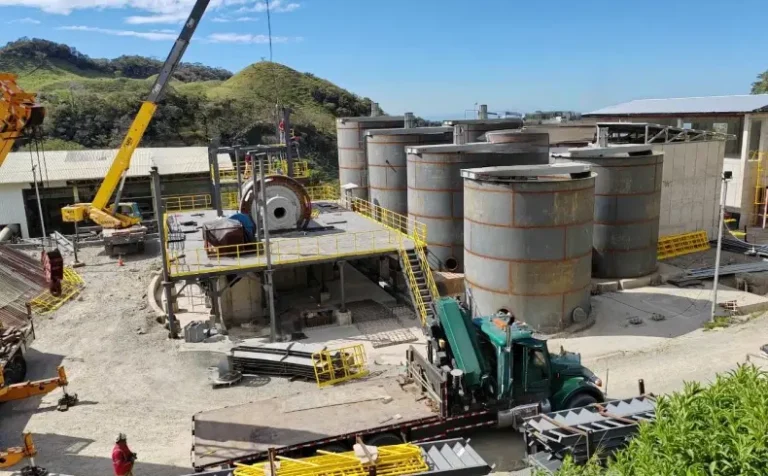
Raw Ore: Oxide-Sulfide Mixed Gold Ore Gold Grade: 3.5-7 g/t Gold Ingot Purity: 99.5%
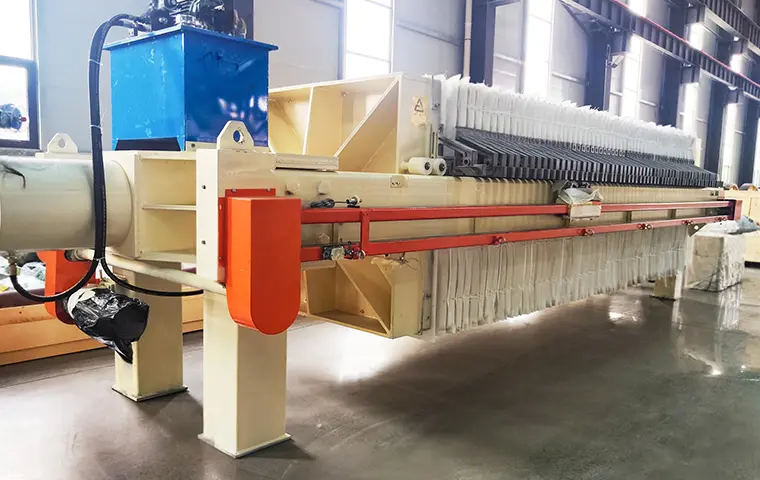
Project Background: Upgrade of dewatering circuit for flotation concentrate and plant tailings to reduce moisture content and enable dry stack disposal.
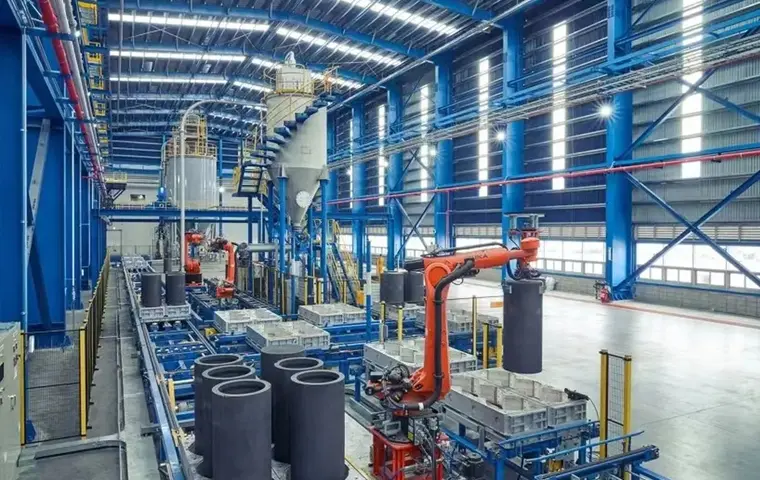
Raw Material: Green Petroleum Coke, Green Needle Coke and High soft point pitch
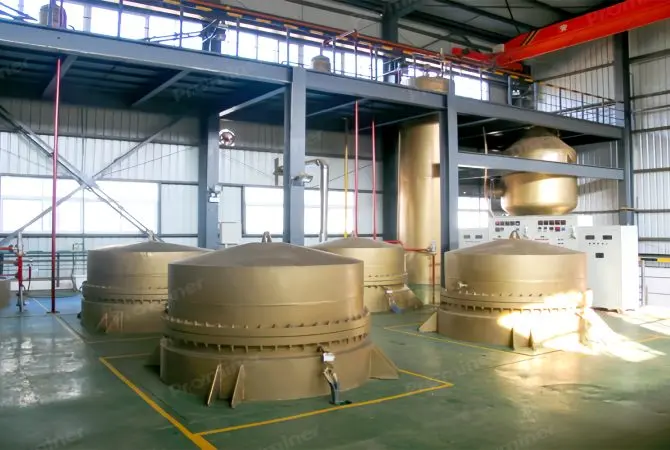
Prominer can design and provide the complete refinery and smelting system for gold CIL project
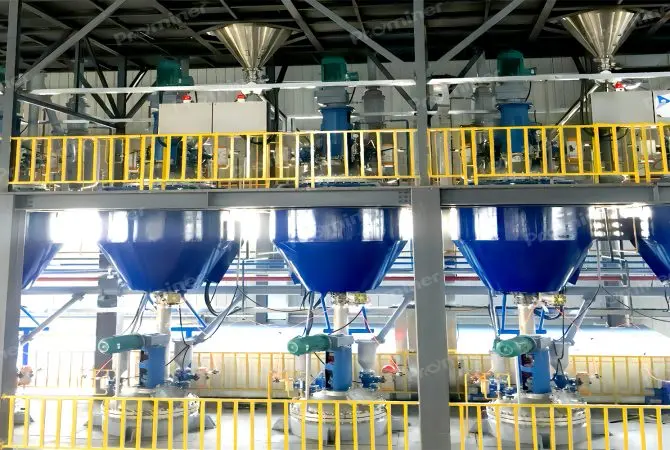
Our granulation reactor combines the coating and granulation processing functions together
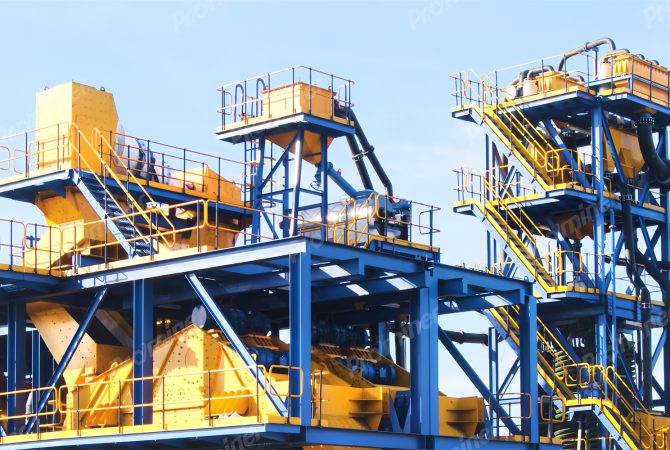
Prominer can provide different LIMS (Low Intensity Magnetic separator) magnetic separators
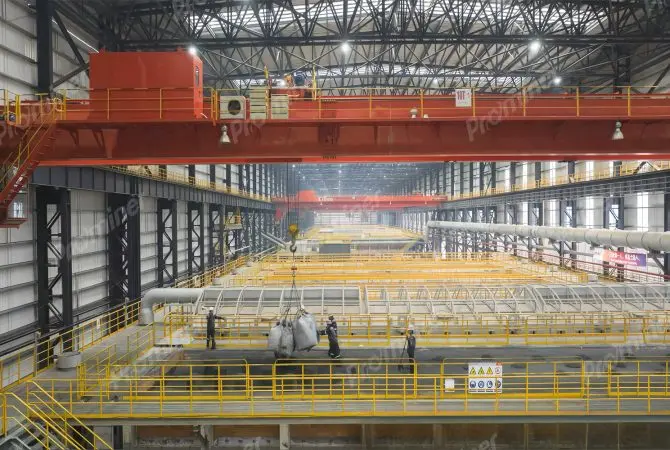
We can provide different type graphitization furnace for changing carbon material
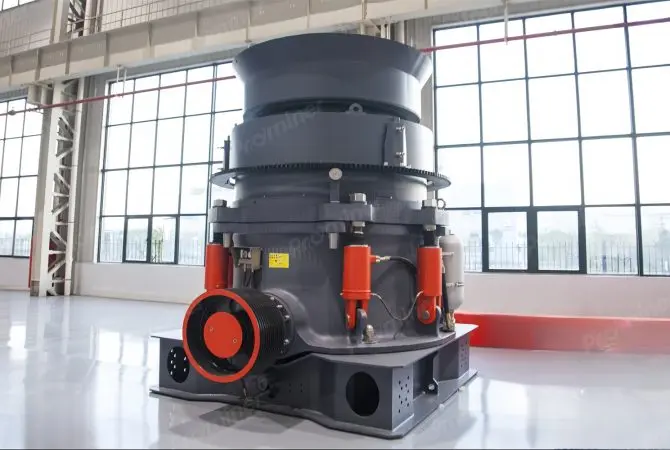
Multi-cylinder hydraulic cone crusher combines crusher speed, eccentricity and cavity profile
To find out more about our products and solutions, please fll out the form below and one of our experts will get back to you shortly
3000 TPD Gold Flotation Project in Shandong Province
2500TPD Lithium Ore Flotation in Sichuan
Fax: (+86) 021-58779592
Address: Room 606, Building D3, Phase II, Chuansha Business Center, 777 Long, Miaochuan Road, Pudong New Area, Shanghai,China
Copyright © 2023. Prominer (Shanghai) Mining Technology Co.,Ltd.