Hard carbon anode material is the most preferred materials for commercialization of sodium-ion battery


/
/
What Are Effective Methods for Quartz Processing via Flotation and Chemical Beneficiation?


Quartz is one of the most abundant minerals in the Earth’s crust and is widely used in glassmaking, ceramics, electronics, and high-purity silicon applications. However, raw quartz often contains impurities such as iron oxides, feldspar, mica, clay minerals, and heavy minerals. To meet industrial quality standards—especially for high-purity quartz—advanced processing techniques such as flotation and chemical beneficiation are employed.
Below is an overview of effective methods used in quartz purification.
The effectiveness of quartz beneficiation depends on the type and distribution of impurities. Common contaminants include:
The primary goal of processing is to increase SiO₂ content while minimizing metallic and non-metallic impurities. High-end industries, such as semiconductor and photovoltaic manufacturing, may require silica purity levels above 99.9%.
Flotation is one of the most efficient techniques for separating quartz from associated minerals based on differences in surface properties.
In this method, quartz is floated while impurities are depressed. Cationic collectors such as amines are commonly used under acidic or neutral pH conditions.
Key steps include:
This method is particularly effective when quartz is the primary valuable mineral.
Reverse flotation is widely used in quartz beneficiation. Instead of floating quartz, impurities such as feldspar and iron-bearing minerals are floated away.
Reverse flotation is often preferred for high-purity quartz production because it improves selectivity and reduces silica loss.
Iron impurities significantly affect quartz quality. Targeted flotation can remove iron-bearing minerals using:
This combination improves overall purification results.
When physical and flotation methods are insufficient to meet purity standards, chemical beneficiation is applied to remove trace contaminants.
Acid leaching is one of the most effective chemical purification techniques. It removes iron oxides and other metallic impurities from quartz surfaces and grain boundaries.
Common acids used:
Leaching is typically conducted under controlled temperature and agitation to maximize reaction efficiency.
For ultra-high purity quartz, mixed acid systems (e.g., HCl + HF) are used. This method:
Strict safety and environmental protocols are required due to the corrosive and toxic nature of these chemicals.
In some cases, alkali treatment followed by calcination helps loosen impurity phases before acid leaching. Thermal treatment can also:
This pre-treatment step increases the effectiveness of subsequent chemical purification.
The most effective quartz processing plants combine multiple techniques in a staged approach:
This integrated process maximizes silica recovery while achieving high purity levels suitable for demanding industrial applications.
Several factors affect flotation and chemical beneficiation performance:
Careful optimization of these parameters is essential to achieve both high recovery rates and superior product quality.
Effective quartz processing requires a combination of physical separation, flotation techniques, and chemical beneficiation. Flotation is highly efficient for removing feldspar, mica, and iron-bearing minerals, while acid leaching ensures the removal of trace contaminants for high-purity applications.
By integrating these methods into a well-designed process flow, producers can achieve the stringent purity standards required in modern industries such as glass manufacturing, electronics, and solar energy production.
A: For graphite resources, a complete solution should cover both natural graphite flotation and deep processing. The ball mill and hydrocyclone system serve as the basic grinding stage. For advanced anode material production, the shaping mill is essential to improve tap density and reduce specific surface area. Additionally, the Prominer coating system, which combines coating and granulation functions, is a key step in processing high-profit anode materials.
A: Process selection depends entirely on the ore’s characteristics. The Gold CIL/CIP process is a very popular and effective way to process high-grade oxide type gold ore. For many other gold projects, flotation remains the most popular processing method. For owners looking to save investment at the initial stage, vat leaching or heap leaching are flexible and economic options. We recommend starting with a lab & pilot test to determine the most efficient and scientific process flow.
A: Magnetic separation is critical for mineral upgrading. We provide both HIMS (High Intensity) and LIMS (Low Intensity) magnetic separators to handle different mineral magnetic properties. In an optimized plant design, this technology is integrated with a high-performance crushing system—utilizing single-cylinder or multi-cylinder hydraulic cone crushers—and a grinding system. This ensures that waste rock is rejected early, significantly improving productivity and saving energy.
A: Designing a successful plant requires a comprehensive EPC (Engineering, Procurement, and Construction) service. Key considerations include engineering design (site surveys, sampling guidance, and PFD drawings) and equipment customization to ensure machinery matches the specific ore characteristics. For example, Prominer can customize linear screens up to 5.1m in width for large-scale grading and dewatering. Finally, professional on-site services, including civil work supervision and commissioning, are vital for long-term stable operation.
Hard carbon anode material is the most preferred materials for commercialization of sodium-ion battery
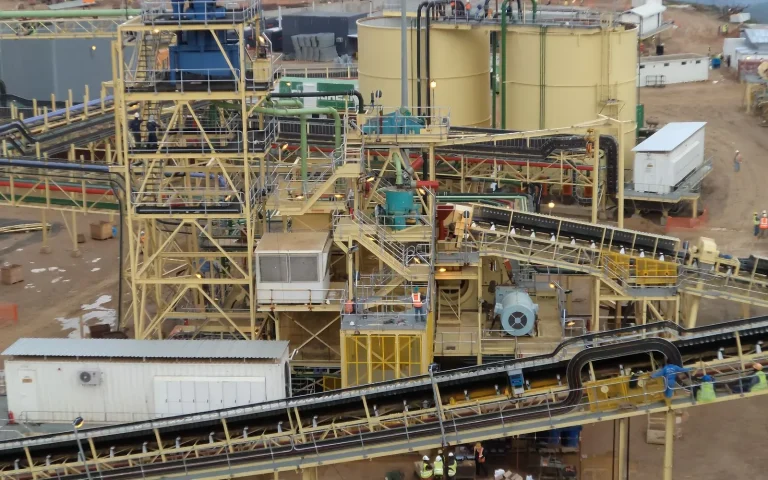
Flotation is the most popular processing way in gold ore processing project. Because the flotation process
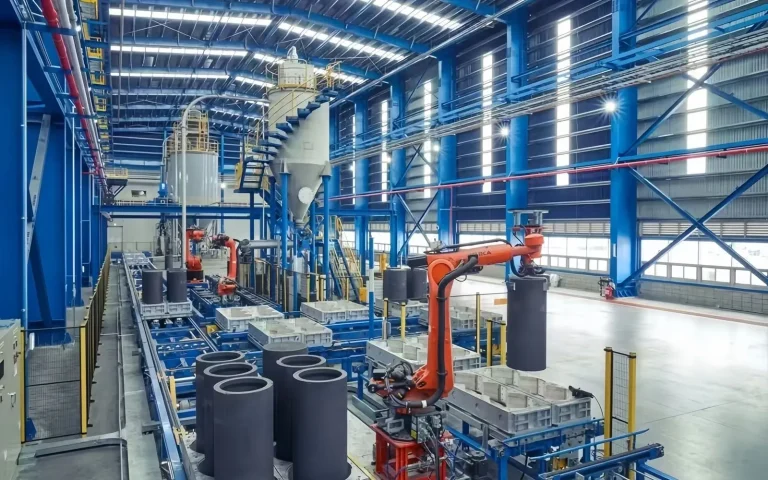
Provide the complete solution for making graphite anode materials include grinding, shaping, purification…

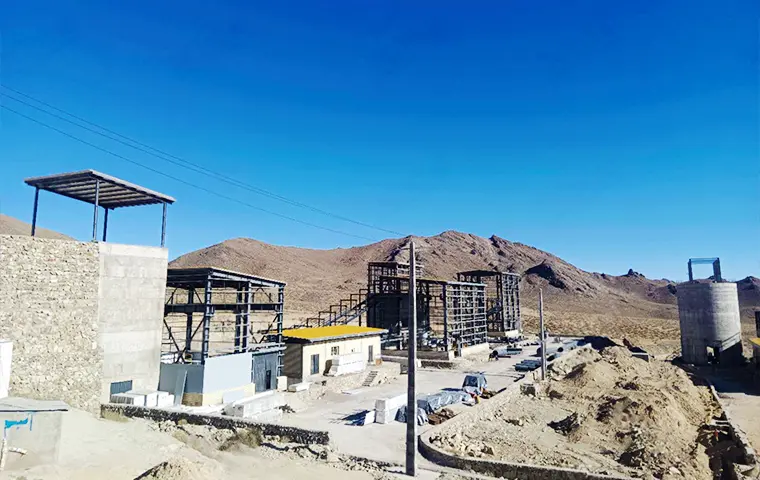
Raw Ore: Sulfide Type Copper Ore Copper Grade: 0.8% Final Product: Copper Concentrate
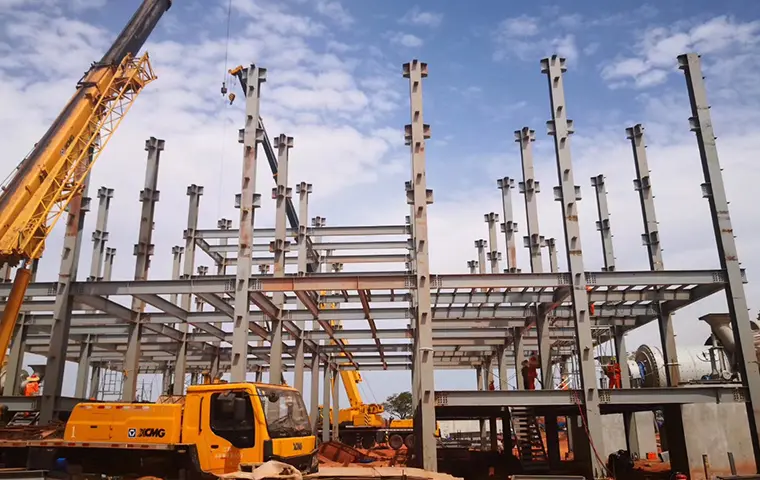
Located in Guinea, this large-scale project features a processing capacity of 15,000 TPD (Tons Per Day).

Raw Ore: Lithium-Rich Hectorite Clay (Li₂O: 0.6-1.0%) Final Product: Battery-Grade Lithium Carbonate
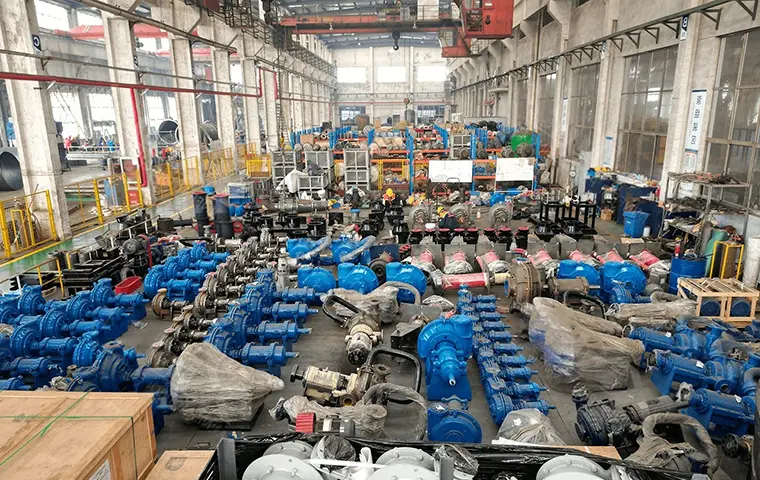
Raw Ore: Crystalline Flake Graphite Ore Feed Carbon Grade: 8–12% (Variable) Final Product: High-Purity Flake Graphite Concentrate
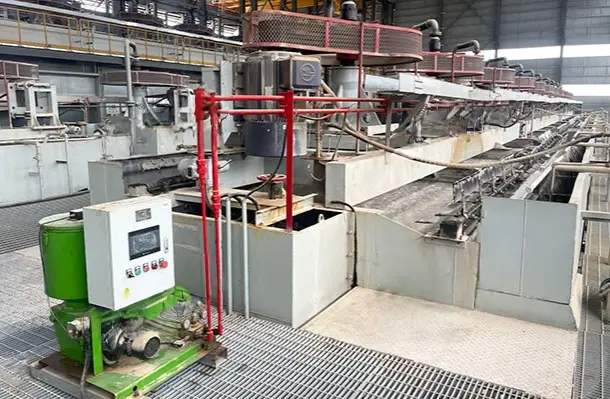
Raw Ore: Porphyry Gold-Copper Ore Gold Grade: 0.8-1.5 g/t Copper Grade: 0.6-0.9%
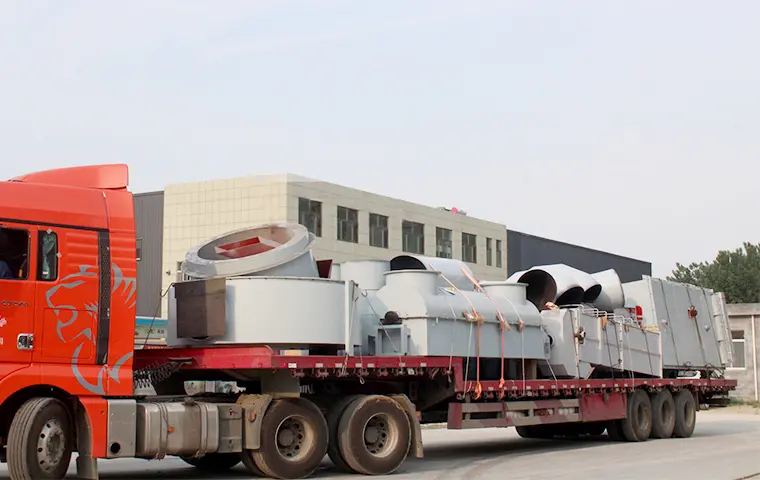
Raw Material: Quartz Ore Project Type: Equipment Supply & Installation Support
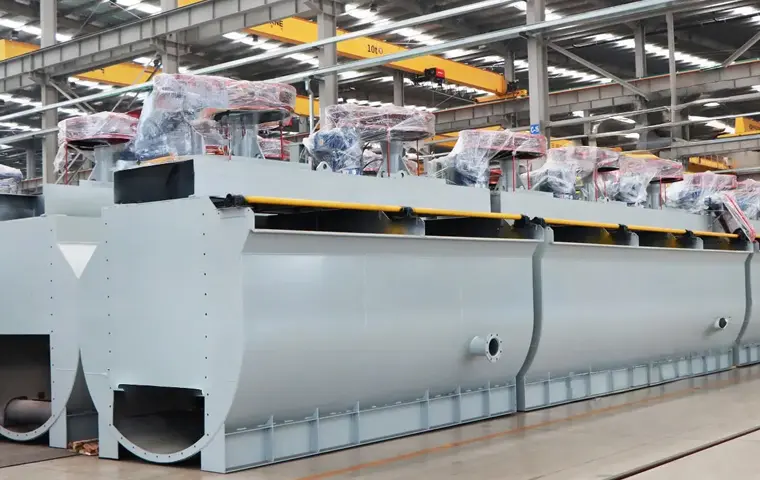
Raw Ore: Sulfide Type Gold Ore with Pyrite Gold Grade: 3.8 g/t Concentrate Grade: 42 g/t Au
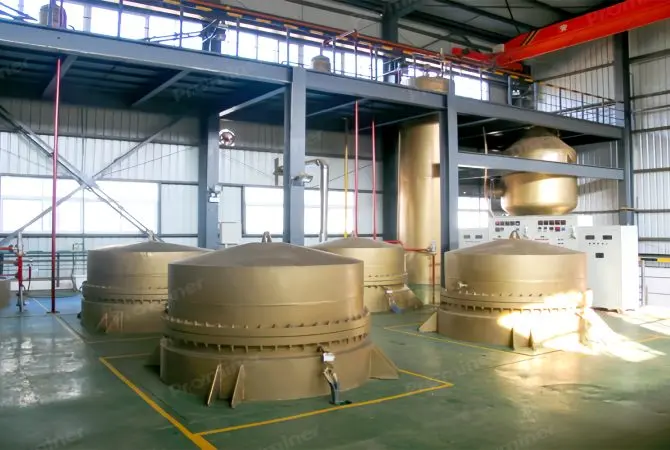
Prominer can design and provide the complete refinery and smelting system for gold CIL project
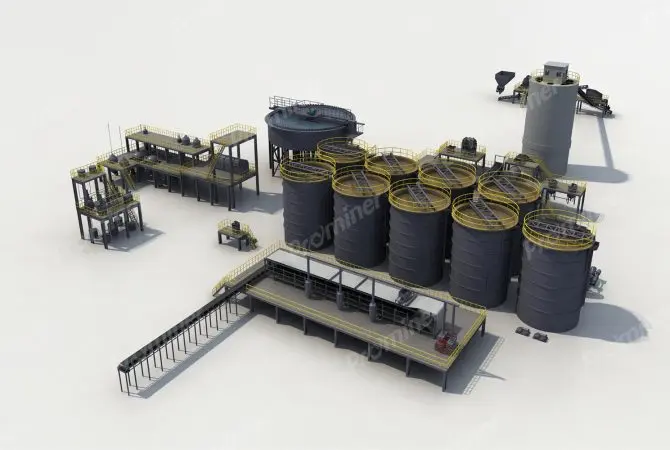
Prominer can provide the complete solution for CIL (carbon in leaching) system
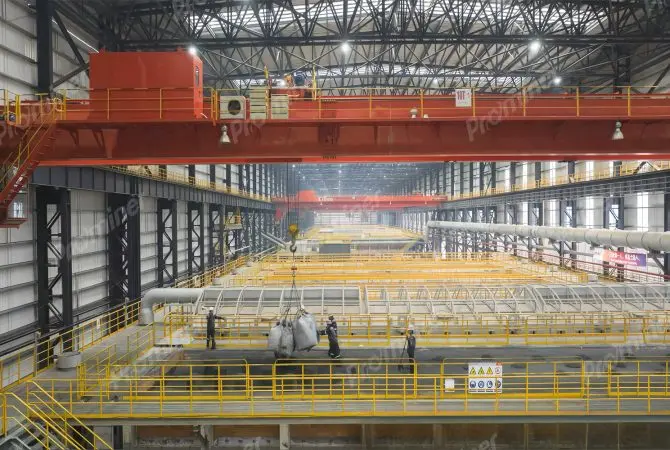
We can provide different type graphitization furnace for changing carbon material
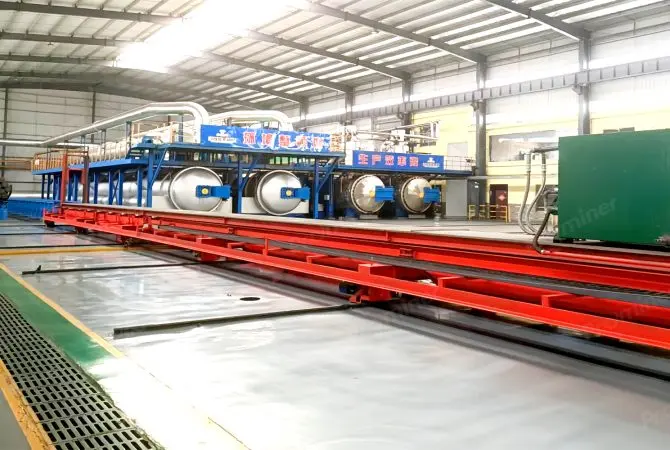
We can provide hot-in and cold-out type high-pressure impregnation of once-baked graphite
To find out more about our products and solutions, please fll out the form below and one of our experts will get back to you shortly
3000 TPD Gold Flotation Project in Shandong Province
2500TPD Lithium Ore Flotation in Sichuan
Fax: (+86) 021-58779592
Address: Room 606, Building D3, Phase II, Chuansha Business Center, 777 Long, Miaochuan Road, Pudong New Area, Shanghai,China
Copyright © 2023. Prominer (Shanghai) Mining Technology Co.,Ltd.