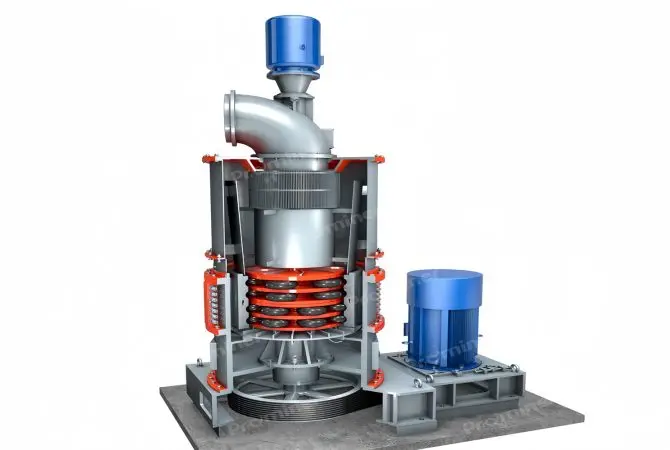
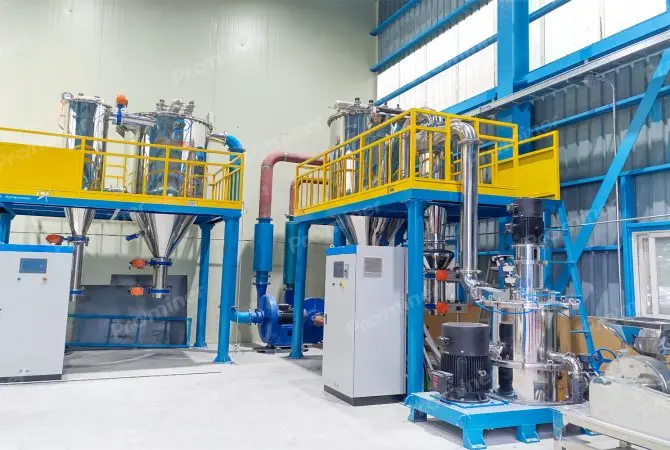
Spodumene and lepidolite are very important lithium bearing minerals and they are very easy to recover




Chrome ore beneficiation is the process of improving the grade and quality of chromite ore so it can be used more efficiently in metallurgical, chemical, and refractory industries. Since raw chrome ore often contains unwanted gangue minerals such as silica, iron-bearing impurities, and clay, beneficiation helps increase chromium content and improve the chromium-to-iron ratio.
The choice of beneficiation method depends on the ore’s mineralogy, liberation size, impurity levels, and the intended end use of the concentrate. In practice, chrome ore is commonly treated using a combination of techniques rather than a single process.
Gravity separation is one of the most widely used methods for chrome ore beneficiation because chromite typically has a higher specific gravity than the surrounding gangue minerals. This difference makes it possible to separate valuable chromite from lighter waste materials.
Common gravity separation equipment includes:
This method is especially effective for coarse to medium particle sizes and is often used as the primary beneficiation step. Gravity separation is valued for its relatively low operating cost, simplicity, and ability to produce marketable concentrates without the need for chemicals.
Magnetic separation is used when there is a difference in magnetic susceptibility between chromite and associated minerals. Although chromite itself is only weakly magnetic, certain iron-bearing gangue minerals may respond differently in a magnetic field, allowing separation.
Both low-intensity and high-intensity magnetic separators may be used depending on the ore characteristics. High-intensity magnetic separation is more common in chrome ore processing, particularly for fine particles and complex ores.
This method is often applied:
Magnetic separation can improve concentrate quality, especially when used in combination with gravity methods.
Flotation is less commonly used for chrome ore than gravity separation, but it can be effective for very fine particles or ores where chromite is closely associated with gangue minerals. In flotation, chemical reagents are added to selectively make certain minerals hydrophobic so they attach to air bubbles and separate from the slurry.
Depending on the ore, flotation may be used either to float the gangue away from chromite or, in some cases, to recover chromite directly. The success of flotation depends heavily on reagent selection, pH control, and ore mineralogy.
This method is generally considered when:
Although flotation can be more expensive and technically demanding, it may provide benefits in specialized applications.
In some cases, roasting or chemical treatment is used to modify the ore and improve subsequent separation or metallurgical performance. Roasting can alter the physical or chemical properties of associated minerals, making them easier to remove.
Chemical beneficiation methods may involve leaching or other treatments designed to reduce impurities or prepare the ore for downstream processing. These approaches are generally less common in conventional chrome ore concentration plants but may be relevant for low-grade, refractory, or chemically complex ores.
Because these methods can involve higher costs and greater process complexity, they are typically used only when physical beneficiation methods are not sufficient.
Screening and classification are essential supporting steps in chrome ore beneficiation. Before separation begins, the ore is usually crushed and screened into different size fractions. Proper size classification ensures that each beneficiation method operates under the most suitable conditions.
For example:
Hydrocyclones, vibrating screens, and classifiers are commonly used for this purpose. Good classification improves recovery, concentrate grade, and overall plant efficiency.
After beneficiation, the chrome concentrate must be dewatered to reduce moisture content for handling, transport, or smelting. Common dewatering equipment includes thickeners, filters, and drying units.
At the same time, tailings produced during beneficiation must be managed responsibly. Tailings handling systems often include:
Efficient dewatering and environmentally sound tailings management are important parts of a modern chrome ore beneficiation operation.
In most beneficiation plants, chrome ore is processed using a combined flowsheet rather than a single method. A typical approach may include:
This integrated strategy helps maximize chromium recovery while maintaining the desired concentrate quality. The exact flowsheet is developed based on ore testing and pilot-scale evaluation.
Several factors determine which beneficiation methods are most suitable for a particular chrome ore deposit:
Because chrome ores vary significantly from one deposit to another, laboratory testing is essential before selecting or designing a beneficiation process.
The key methods for chrome ore beneficiation include gravity separation, magnetic separation, flotation, roasting or chemical treatment, and supporting processes such as screening, classification, and dewatering. Among these, gravity separation remains the most important and widely used due to the high density of chromite.
However, no single method is universally ideal. The most effective beneficiation strategy depends on the characteristics of the ore and usually involves a combination of techniques. With proper testing and process design, chrome ore beneficiation can significantly improve concentrate grade, recovery, and commercial value.
A: A handful of variables drive most of the variation in recovery and grade: grind size (liberation), pulp density, reagent type and dosage, residence time, pH, and — for magnetic separation — field intensity and feed rate. Changing one without adjusting the others usually backfires. The practical way to find your optimum is a structured test program: vary one parameter at a time on your actual ore and measure recovery and grade at each point. We run this kind of parameter study during lab and pilot testing, then carry the settings into the plant design and re-tune them during commissioning.
A: Three properties matter most: whether the valuable mineral is sulfide or oxide, how coarsely or finely it is disseminated in the gangue, and what gangue minerals accompany it. Coarse, high-density minerals respond well to gravity separation; magnetic minerals to magnetic separation; fine sulfide minerals to flotation; oxide or low-grade ores often to leaching. Many ores need a staged combination. Because two deposits carrying the same metal can behave completely differently, the flowsheet has to be built from your ore’s own test data — not copied from a similar project.
A: A single method rarely hits both target recovery and target grade when the ore contains multiple valuable minerals, spans a wide particle size range, or carries problematic gangue. Then a combined flowsheet is justified — for example, gravity pre-concentration to reject coarse waste early, magnetic separation ahead of flotation to remove magnetic minerals, or staged grinding and classification to liberate progressively. The added circuit costs more, but it usually pays back through higher overall recovery and lower reagent and energy consumption per tonne.
A: Refractory ores resist standard processing — gold locked inside sulfide minerals, ores that consume excessive reagents, carbonaceous ores that re-adsorb dissolved gold, fine or clay-rich ores that slime badly, or oxide ores that float poorly. Treatment usually adds a step ahead of or instead of the conventional circuit: finer grinding, oxidation pre-treatment, roasting, or a switch from flotation to leaching. Identifying the specific cause through diagnostic testwork is essential, because each cause has a different fix and the wrong one wastes capital.
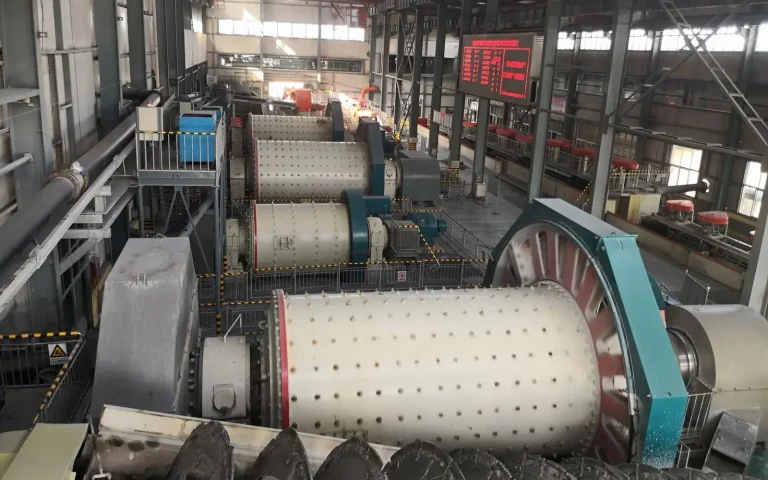
Spodumene and lepidolite are very important lithium bearing minerals and they are very easy to recover
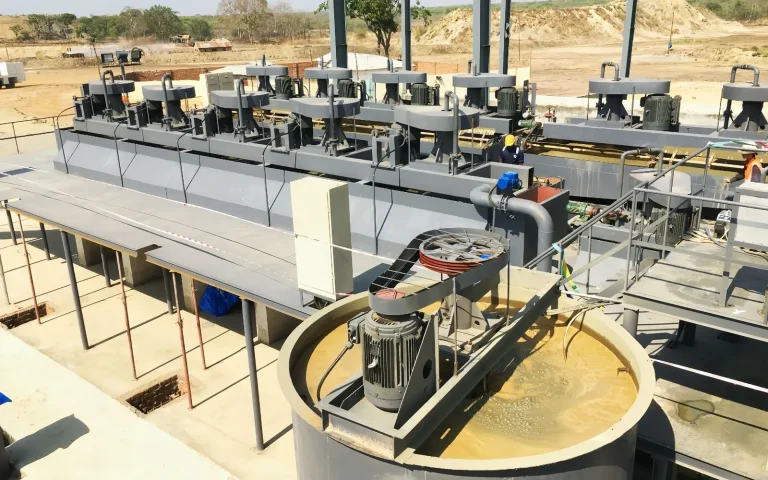
There are two types natural graphite ore include crystalline graphite and amorphous graphite
Heap leaching is a traditional cyanide leaching processing way which is flexible and economic to extract gold

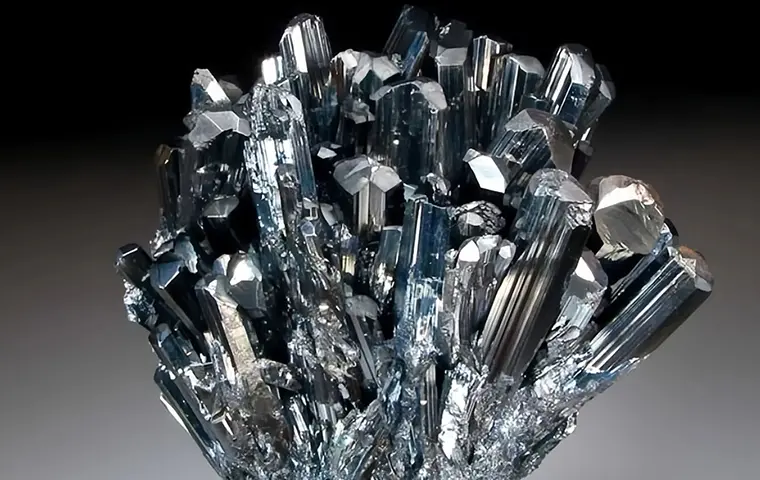
Raw Ore: Stibnite (Antimony Sulfide Ore) Sb Grade: 3.5% Concentrate Grade: 55% Sb
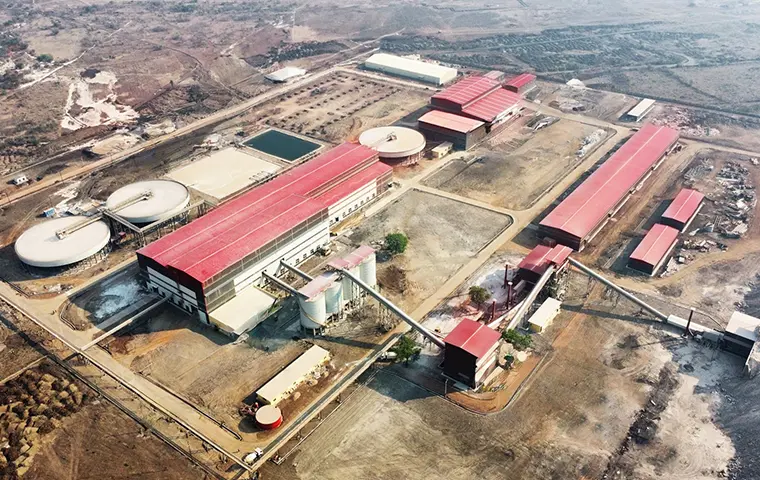
Raw Ore: Multi-metal sulfide ore (Cu, Zn, Au) Ore Grade: Cu 1.2%, Zn 2.5%, Au 1.5 g/t
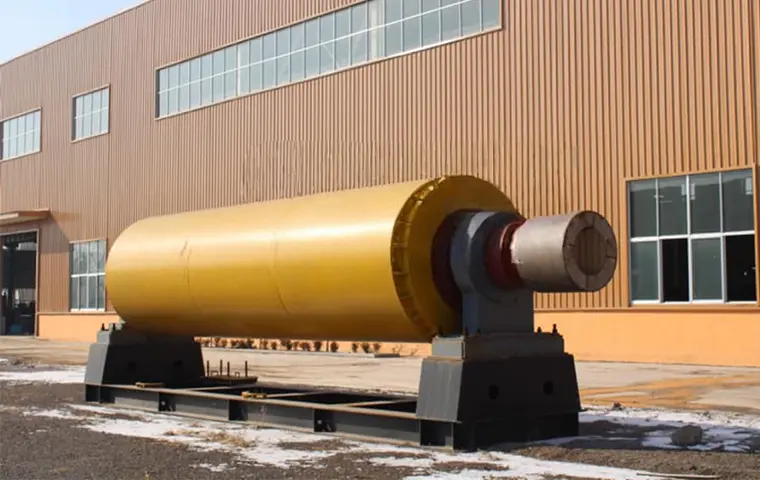
Raw Ore: Gold-bearing oxide ore / customised ore samples Feed Size: 12 mm below Target Grinding Fineness: 200 mesh (74μm) D80
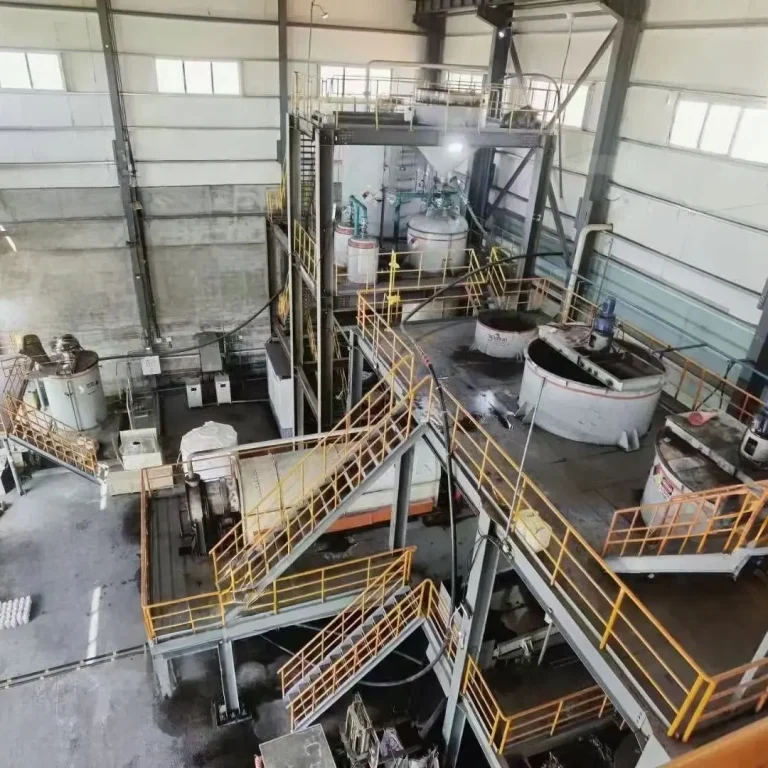
Raw Ore: Oxide/Sulfide Mixed Gold Ore Gold Grade: 3.5 g/t Gold Ingot Purity: 99.5%
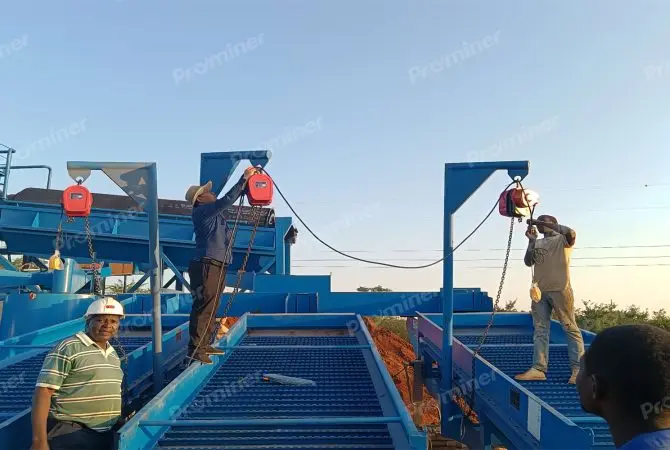
Raw Ore: Alluvial gold ore from river bed Gold Grade: 0.8 g/t

Raw Ore: Oxide Type Gold Ore Gold Grade: 3.5 g/t Gold Recovery Rate: 92% Gold Ingot Purity: 96%
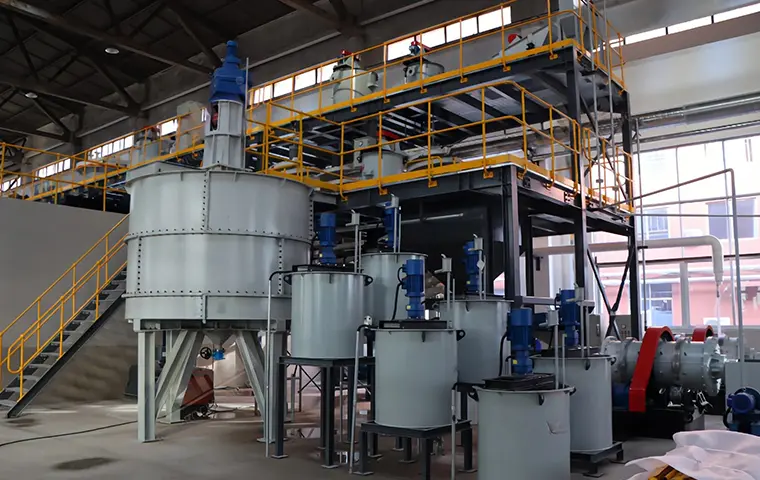
Project Background: Expansion and Technological Upgrade of an Existing Flotation Plant
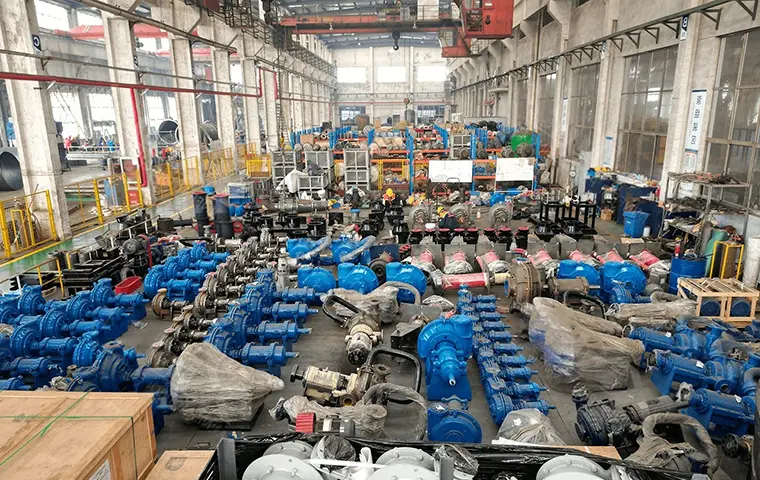
Raw Ore: Crystalline Flake Graphite Ore Feed Carbon Grade: 8–12% (Variable) Final Product: High-Purity Flake Graphite Concentrate
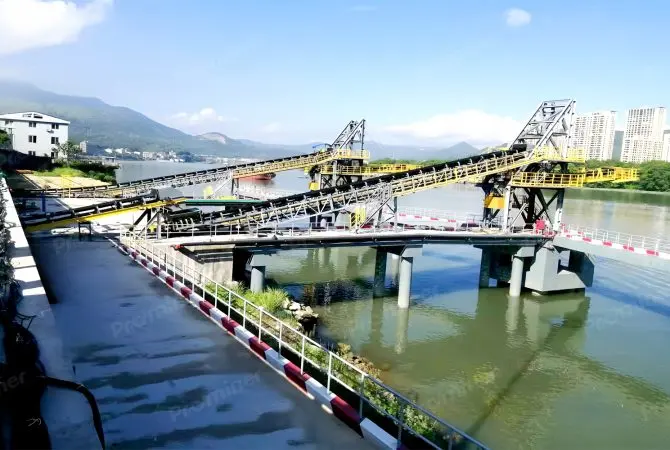
We can provide the solution of belt conveyors for different purposes include steeply inclined belt conveyor
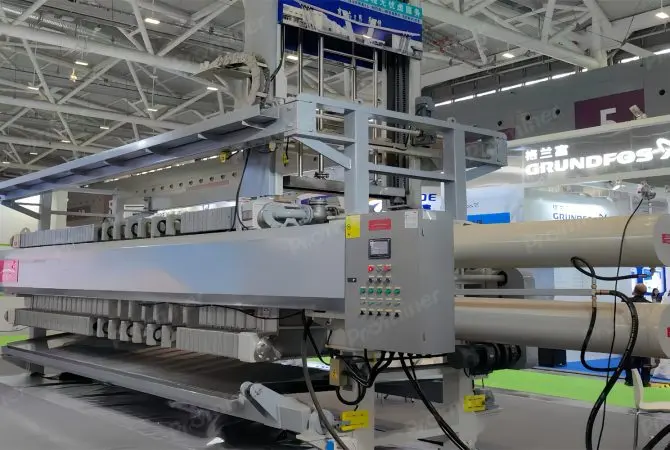
Prominer can provide press filter, belt vacuum filter, disk vacuum filter and ceramic filter
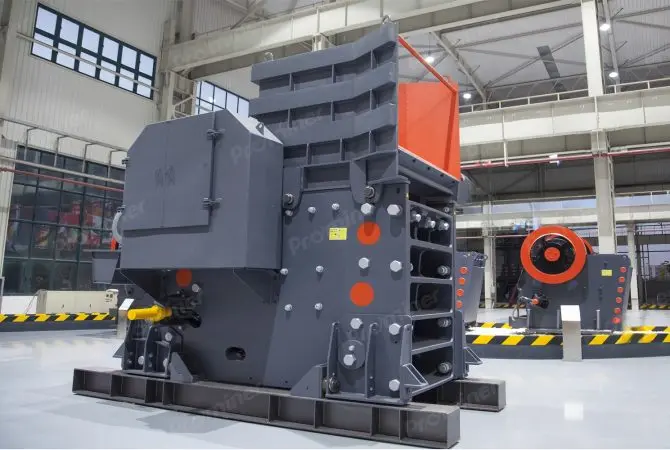
Jaw Crusher, its opening size determines its max feeding size. The crushing chamber of a jaw crusher
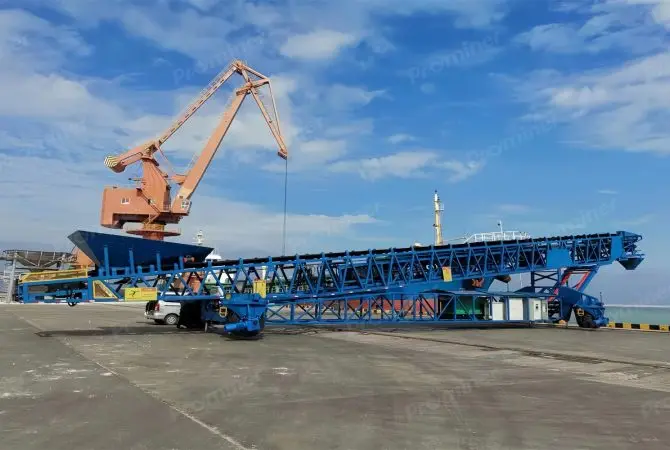
Our engineer team can design and manufacture the mobile type radial stacker, loader
To find out more about our products and solutions, please fll out the form below and one of our experts will get back to you shortly
3000 TPD Gold Flotation Project in Shandong Province
2500TPD Lithium Ore Flotation in Sichuan
Fax: (+86) 021-58779592
Address: Room 606, Building D3, Phase II, Chuansha Business Center, 777 Long, Miaochuan Road, Pudong New Area, Shanghai,China
Copyright © 2023. Prominer (Shanghai) Mining Technology Co.,Ltd.