
Gold CIL process (carbon in leaching) is very popular way to process the high grade oxide type gold ore


Copper oxide ores are more difficult to process than sulfide ores because copper is not readily recovered through conventional flotation alone. To improve extraction efficiency, the mining and metallurgical industries rely on a range of chemical methods that increase copper dissolution, improve selectivity, and reduce losses. These methods are especially important for low-grade ores, complex mineralogy, and operations seeking better recovery rates with lower operating costs.
Acid leaching is the most widely used chemical method for recovering copper from oxide ores. Sulfuric acid is typically applied because it reacts effectively with copper oxide minerals such as malachite, azurite, chrysocolla, and tenorite. During the process, the acid dissolves copper into solution, producing a copper-rich leachate that can be further treated.
Heap leaching is a common application of this method. Crushed ore is stacked on pads and irrigated with dilute sulfuric acid, allowing the solution to percolate through the ore and dissolve the copper. Agitation leaching may also be used for finer materials or when faster reaction kinetics are needed. Acid concentration, irrigation rate, particle size, and leach cycle duration all influence recovery performance.
Once copper has been dissolved through leaching, solvent extraction and electrowinning are used to recover it from solution. In solvent extraction, the pregnant leach solution is mixed with an organic reagent that selectively binds copper ions. This allows copper to be separated from impurities such as iron and other dissolved metals.
The copper is then stripped from the organic phase into a purified electrolyte. In the electrowinning stage, electric current is applied to plate high-purity copper onto cathodes. This sequence, commonly referred to as SX-EW, is one of the most effective methods for treating copper oxide ores because it provides a direct route from leached ore to marketable metal.
Managing pH is essential in copper oxide ore recovery because it directly affects copper solubility and reagent efficiency. If the pH rises too high, copper may precipitate or leaching efficiency may decline. If it is too low, acid consumption may become excessive due to gangue mineral reactions.
Chemical additives and process controls are used to maintain optimal leaching conditions. Carbonates, clays, and other acid-consuming minerals can significantly increase reagent costs, so operations often conduct acid consumption tests before designing the leach circuit. Careful pH and acid management improves copper recovery while keeping operating expenses under control.
Certain copper oxide ore systems benefit from auxiliary chemical reagents that modify the redox environment. Oxidizing agents can help dissolve associated minerals or improve the release of copper trapped in mixed ore matrices. In some cases, reducing agents may be used when copper occurs with manganese oxides or other minerals that interfere with leaching performance.
These reagents are not always required, but they can substantially improve recovery where the ore contains complex associations. Their use depends on mineralogical analysis, laboratory test work, and economic evaluation.
Chelating and complexing agents can enhance copper dissolution under specific conditions by stabilizing copper ions in solution. Ammoniacal systems, for example, may be used for certain ores where selective copper recovery is desired and acid-consuming gangue makes sulfuric acid leaching less attractive.
These systems are especially useful when operators need to limit impurity dissolution or recover copper from unconventional feed materials. Although not as universally applied as sulfuric acid leaching, complexing reagents can offer technical advantages in niche applications.
Traditional flotation is less effective for oxide copper minerals because they do not respond as readily to standard sulfide collectors. To address this, chemical modification methods such as sulfidization are often used. In sulfidization, reagents like sodium hydrosulfide or sodium sulfide are added to convert the mineral surface into a more flotation-responsive form.
After sulfidization, collectors such as xanthates can adsorb onto the treated surface, improving flotation recovery. This method is particularly useful for partially oxidized ores or mixed oxide-sulfide deposits where flotation remains part of the process flowsheet.
Before heap leaching, some copper oxide ores are treated with acid and binding agents during agglomeration and curing. This step helps distribute the acid more evenly, improve particle adhesion, and reduce channeling in the heap. Curing can also begin the chemical reaction between acid and ore minerals before leaching starts.
As a result, copper dissolution becomes more uniform and permeability is improved. Agglomeration chemicals are especially important for fine or clay-rich ores that might otherwise compact and hinder solution flow.
Impurities such as iron, aluminum, silica, chloride, and manganese can interfere with downstream copper recovery. Chemical methods are often used to suppress, precipitate, or separate these unwanted species from the leach solution.
For example, neutralizing agents may be added to precipitate iron or aluminum at controlled pH levels before solvent extraction. Effective impurity management protects equipment, maintains solvent extraction efficiency, and improves final cathode quality.
Although more commonly associated with sulfide ores, bio-assisted leaching can sometimes support the recovery of copper from oxide-bearing or mixed ores. Microorganisms help maintain favorable chemical conditions by regenerating acid or oxidants in the leach environment.
This method is generally more relevant when oxide ores are associated with secondary sulfides or when a deposit contains transitional material. In such cases, bio-assisted approaches can complement conventional chemical leaching and improve overall copper recovery.
The success of any chemical recovery method depends on understanding the mineralogy of the ore. Different copper oxide minerals respond differently to acid, flotation reagents, and complexing systems. Laboratory testing, bottle roll tests, column leach studies, and mineralogical analysis help determine the most effective reagent scheme.
By tailoring the chemical treatment to the ore type, operators can maximize recovery, minimize reagent consumption, and improve economic performance. This is particularly important for variable ore bodies where recovery can change significantly across zones.
Chemical methods play a central role in enhancing copper oxide ore recovery. Sulfuric acid leaching remains the dominant approach, often combined with solvent extraction and electrowinning for efficient metal production. Additional improvements can come from sulfidization, agglomeration, impurity control, redox reagents, and specialized leaching chemistries.
The most effective strategy depends on ore composition, acid consumption characteristics, and plant design. With proper chemical selection and process optimization, copper oxide ores can be treated successfully and economically, even when conventional recovery methods are limited.
A: The choice depends entirely on your ore’s mineral characteristics:
Gravity Separation: Best for coarse-grained minerals with large density differences (e.g., placer gold).
Flotation: Ideal for fine-grained base metals (e.g., copper oxide) or removing impurities from non-metallic minerals (e.g., quartz sand).
Cyanidation (CIP): Necessary for fine, encapsulated precious metals (e.g., rock gold) to maximize chemical extraction.
A: This approach prevents over-grinding (creating excessive ultra-fine particles), which ruins flotation efficiency. By grinding in stages and immediately separating recovered minerals or waste at each stage, you significantly reduce energy consumption, minimize steel media wear, and protect valuable minerals from turning into unrecoverable slime.
A: Fine particles have low mass and high surface areas, making them hard to float. Key solutions include:
Advanced Reagents: Using highly selective collectors and flocculants to aggregate fine particles.
Micro-bubble Technology: Utilizing flotation columns that generate smaller bubbles to increase particle-bubble collision rates.
Desliming: Removing harmful ultra-fine slimes before the flotation stage to clear the process environment.
A: Relying on a single method is rarely enough. The key is a combined metallurgical flowsheet:
For High-Purity Quartz: Integrate scrubbing, magnetic separation (to remove iron), flotation (for feldspar), and acid leaching for the ultimate purity.
For Precious Metals: Combine gravity separation (to catch coarse gold early) with flotation and CIP (to extract fine gold), ensuring zero valuable minerals are wasted.
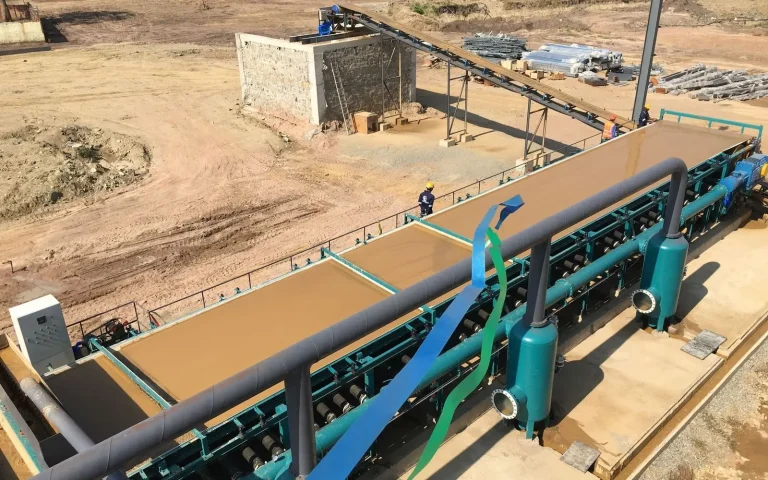
Gold CIL process (carbon in leaching) is very popular way to process the high grade oxide type gold ore
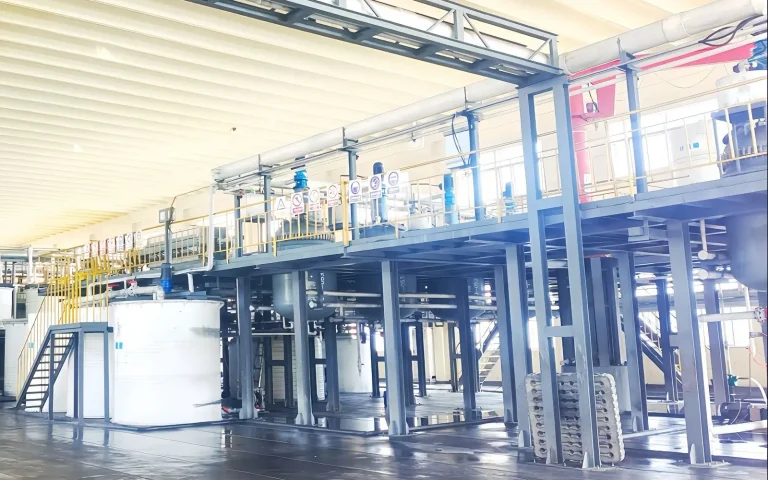
Flake graphite can be used to produce high carbon graphite, high purity graphite, expandable graphite
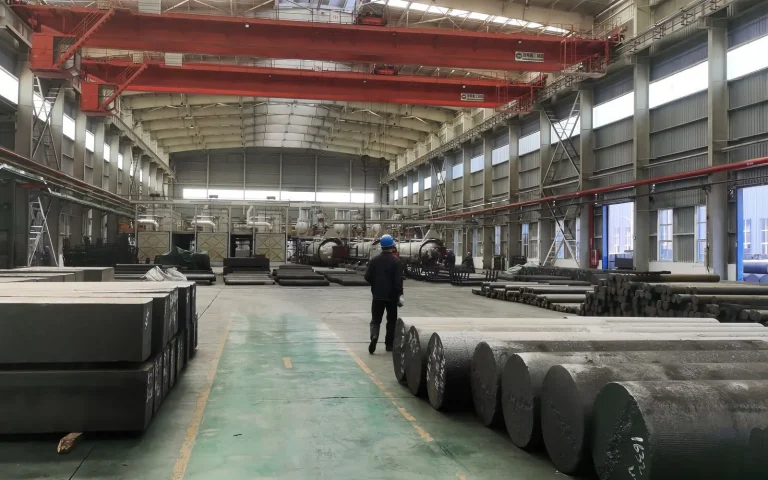
UHP graphite electrode is mainly used for ultra high power electric arc furnaces in steel smelting industry

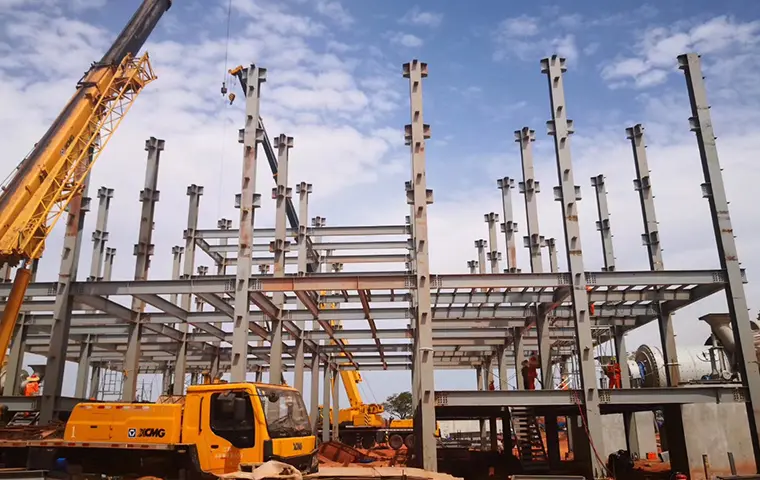
Located in Guinea, this large-scale project features a processing capacity of 15,000 TPD (Tons Per Day).
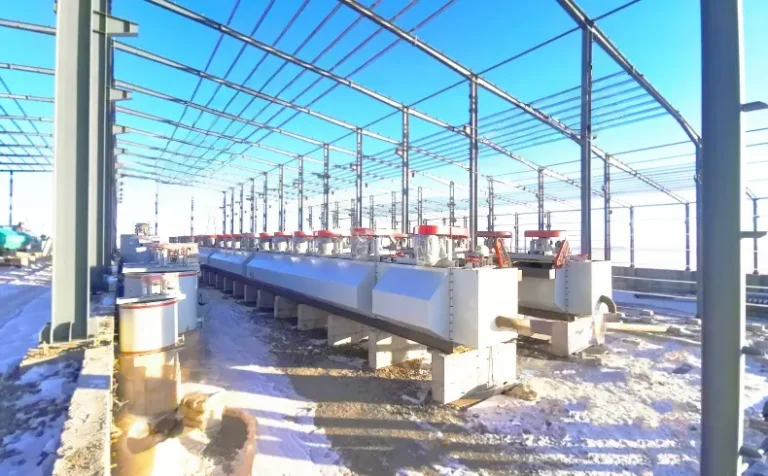
Raw Ore: Copper Sulfide Ore Copper Grade: 0.85% Final Product: Copper Concentrate
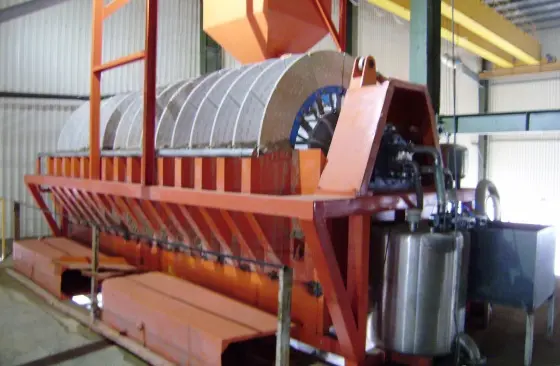
Client: Heavy Mineral Sands Producer Feedstock: Ilmenite Concentrate (TiO₂ 52-55%) Final Product: Rutile-Grade TiO₂ (≥94% purity)
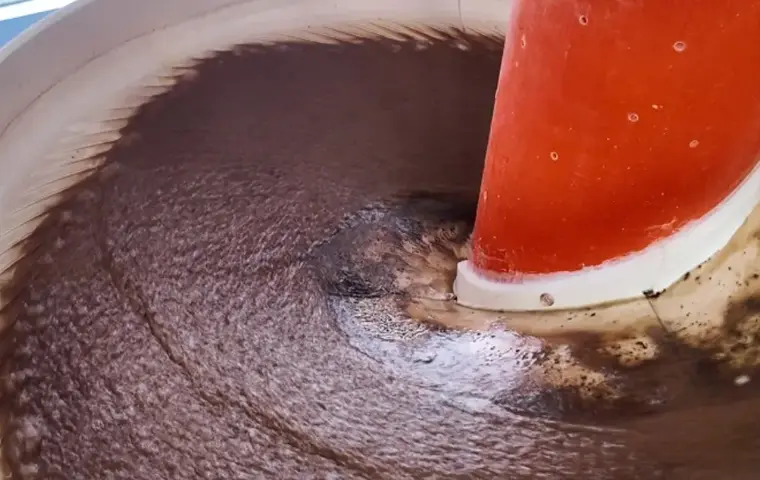
Raw Material: Iron ore tailings Processing Capacity: 800 tons per day
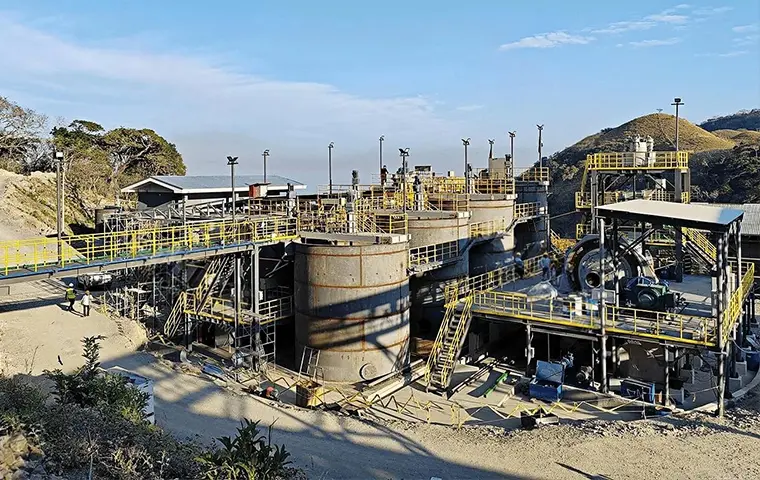
Raw Ore: Sulfide Type Copper Ore (Low-grade, heterogeneous) Feed Copper Grade: 0.45% Concentrate Copper Grade: 25%
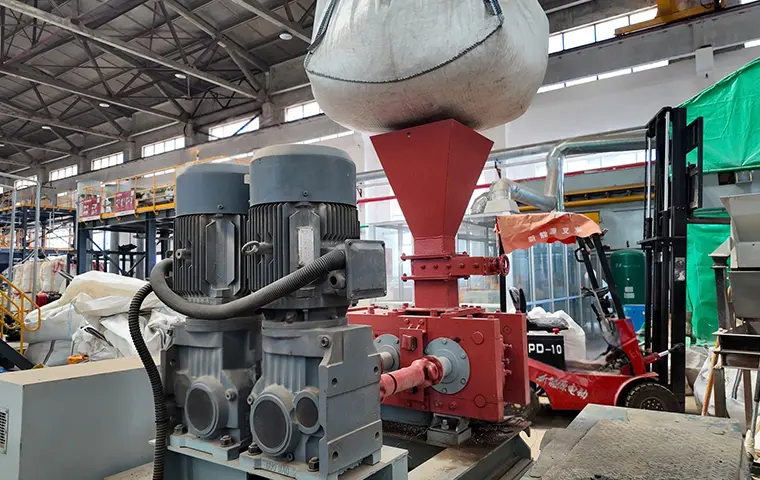
Project Objective: To determine the optimal processing flowsheet and provide scale-up data for a full-scale plant.
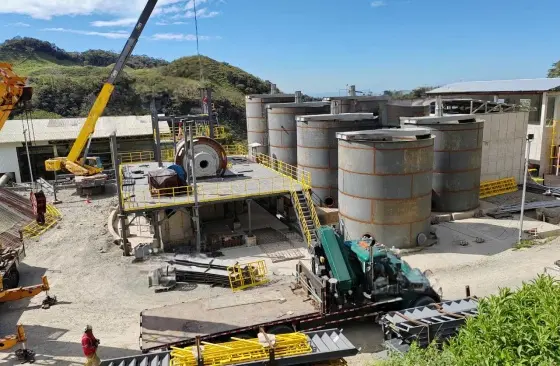
Raw Ore: Free-Milling Oxide Gold Ore Gold Grade: 1.5-3.5 g/t Final Product: Dore Gold Bar (Au+Ag≥90%)
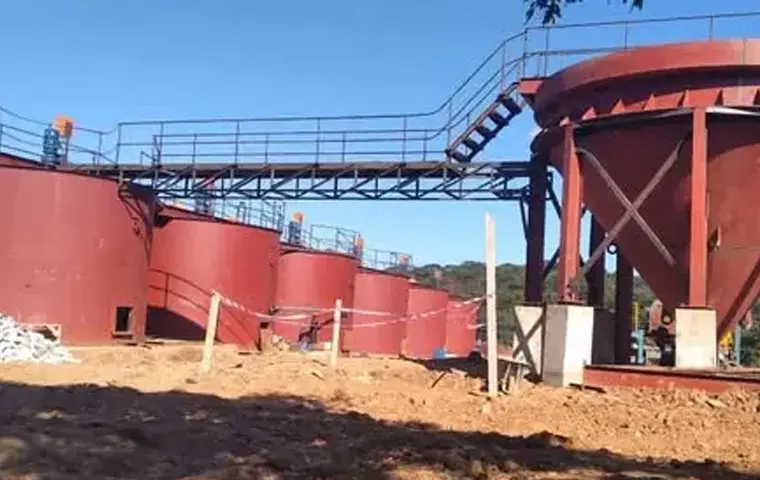
Raw Ore: Clay-rich oxidized gold ore (with minor sulfides) Gold Grade: 2.8 g/t Gold Ingot Purity: 89.5%
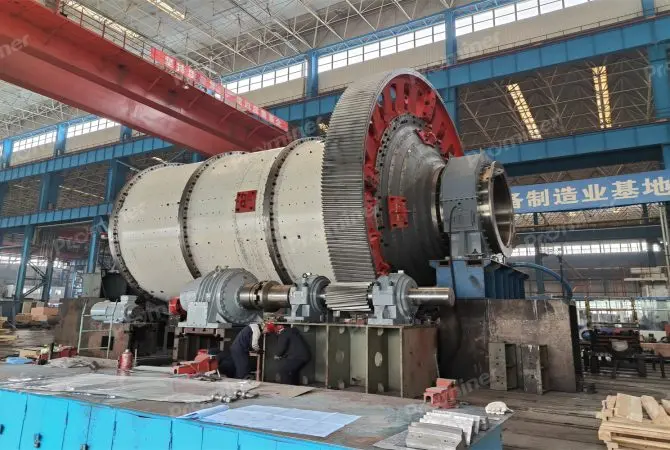
We can design and manufacture grate type ball mill for mineral primary grinding
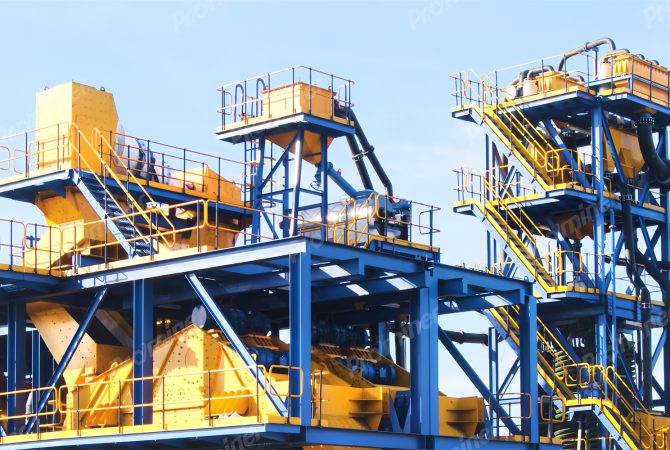
Prominer can provide different LIMS (Low Intensity Magnetic separator) magnetic separators
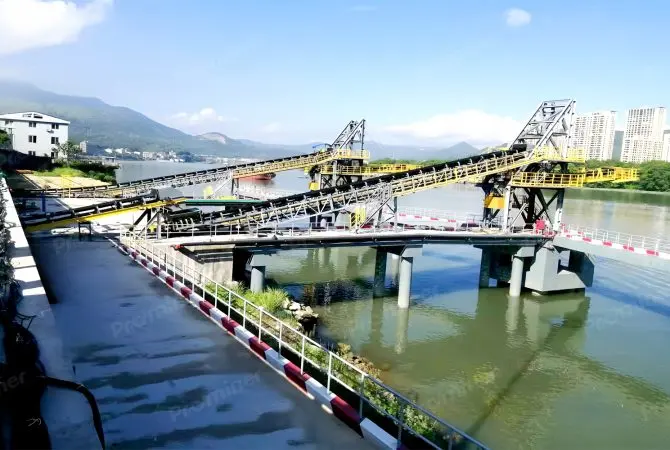
We can provide the solution of belt conveyors for different purposes include steeply inclined belt conveyor
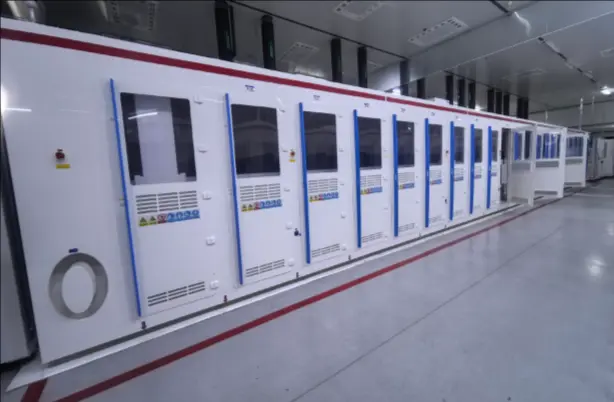
Include: Monocrystalline Batch Texturing Equipment, Batch Texturing Loader/Unloader, Low-Pressure…
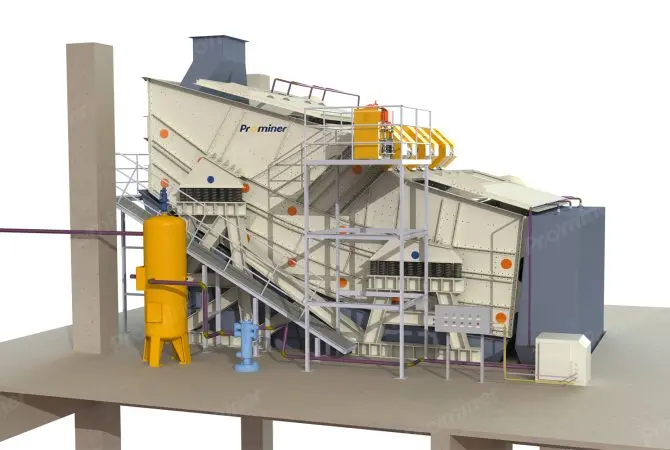
Banana screen is also well known as constant bed thickness screen. Prominer has the ability to supply dry
To find out more about our products and solutions, please fll out the form below and one of our experts will get back to you shortly
3000 TPD Gold Flotation Project in Shandong Province
2500TPD Lithium Ore Flotation in Sichuan
Fax: (+86) 021-58779592
Address: Room 606, Building D3, Phase II, Chuansha Business Center, 777 Long, Miaochuan Road, Pudong New Area, Shanghai,China
Copyright © 2023. Prominer (Shanghai) Mining Technology Co.,Ltd.