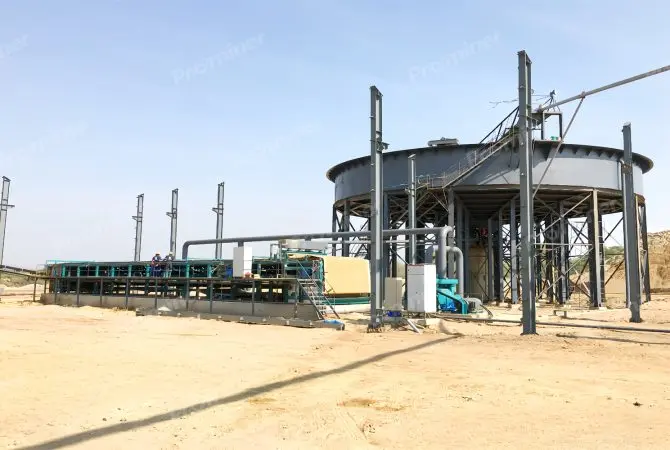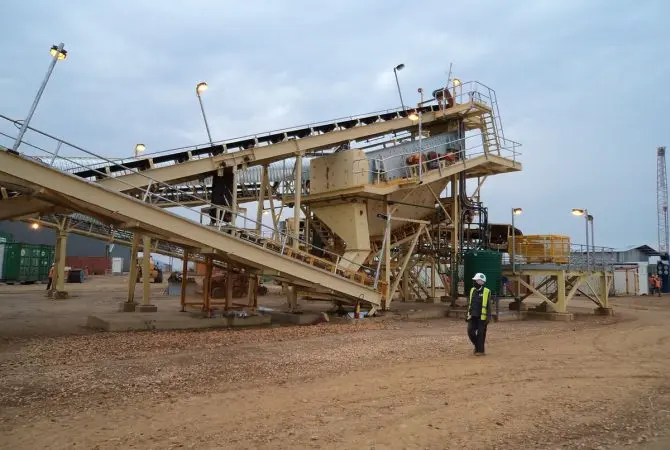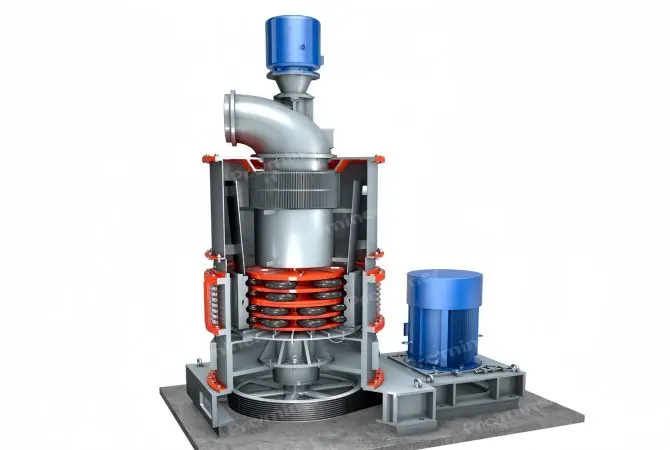

Flotation is the most popular processing way in gold ore processing project. Because the flotation process


Direct carbon leaching is a gold extraction method in which activated carbon is added directly into the leaching tanks so that dissolved gold is adsorbed onto the carbon as leaching takes place. In simple terms, the ore is treated with a cyanide solution to dissolve the gold, and the activated carbon captures that gold from the slurry at the same time.
This approach combines two important steps—leaching and adsorption—into a single continuous process. It is most closely associated with carbon-in-leach, or CIL, circuits, though the general idea of direct carbon addition is sometimes discussed more broadly in gold processing.
In a conventional gold cyanidation process, finely ground ore is mixed with water to form a slurry. Cyanide and oxygen are then introduced to dissolve gold into solution. With direct carbon leaching, activated carbon is present in the tanks during this dissolution stage. As the gold dissolves, it is quickly adsorbed onto the carbon surface.
This offers a practical advantage: the concentration of dissolved gold in solution remains low because it is continuously removed by the carbon. That can help drive further dissolution of gold from the ore.
Once the carbon is loaded with gold, it is separated from the slurry, washed, and sent to an elution circuit where the gold is stripped off. The gold is then recovered, usually by electrowinning and smelting, while the regenerated carbon is returned to the process.
The term direct carbon leaching is most often used in connection with CIL, but it helps to distinguish it from related recovery methods.
In carbon-in-leach (CIL), leaching and adsorption occur in the same tanks or in a closely integrated series of tanks. Carbon is added directly to the leach slurry, which is why CIL is often considered the classic form of direct carbon leaching.
In carbon-in-pulp (CIP), the ore is leached first and only afterward does the slurry move to separate adsorption tanks where activated carbon captures the dissolved gold.
The main difference is timing. CIL combines the steps, while CIP keeps them separate. CIL can offer faster overall recovery and a more compact plant layout, while CIP may provide better control in some ores and operating conditions.
Direct carbon leaching is widely used because it can deliver several operational benefits in the right setting.
One important advantage is improved gold recovery in many conventional cyanidation ores. Because the activated carbon adsorbs dissolved gold as soon as it forms, there is less chance for losses in solution.
Another benefit is process simplification. Combining leaching and adsorption can reduce the number of tanks and the overall footprint of the plant compared with systems that keep those stages separate.
It can also reduce the impact of some solution-phase gold losses caused by preg-robbing tendencies, though this depends heavily on the ore type. By quickly removing dissolved gold from solution, activated carbon can outcompete certain naturally occurring carbonaceous materials in the ore.
In addition, direct carbon leaching is a well-established, scalable technology. Many gold plants around the world use it, and operators, equipment suppliers, and metallurgists are generally familiar with its design and optimization.
Direct carbon leaching is best suited to ores that respond well to cyanidation and where activated carbon can efficiently adsorb dissolved gold from the slurry.
It is commonly a strong choice when the ore is free-milling or only moderately complex, meaning the gold can be liberated by grinding and dissolved without requiring highly specialized pretreatment. In these cases, a CIL-style direct carbon leaching circuit can provide strong recovery with relatively straightforward plant design.
You should also consider direct carbon leaching when plant simplicity and compactness matter. If you want to combine leaching and adsorption in a single integrated circuit, this method can reduce equipment count and support continuous operation.
It may be especially attractive for projects where rapid adsorption of dissolved gold helps minimize solution losses or where some degree of preg-robbing can be controlled by maintaining a strong activated carbon inventory in the tanks.
Direct carbon leaching is also useful when operating conditions favor established, conventional technology rather than more specialized recovery systems. For many medium- to large-scale gold operations, it remains one of the most practical and proven options.
This method is not ideal for every gold ore. If the ore is refractory—meaning the gold is locked in sulfides, carbonaceous matter, or other minerals that prevent effective cyanide access—direct carbon leaching alone may not achieve acceptable recovery. Such ores often require pretreatment such as flotation, pressure oxidation, bio-oxidation, or roasting.
It may also be less suitable where preg-robbing is severe. In highly carbonaceous ores, natural organic carbon in the ore can compete aggressively for dissolved gold, and standard direct carbon leaching may not fully overcome the issue.
Similarly, ores with high cyanide-consuming components or problematic soluble contaminants may need a different flowsheet or additional treatment stages to remain economical.
Projects with very coarse gold may also benefit from gravity recovery ahead of cyanidation rather than relying only on direct carbon leaching.
Choosing direct carbon leaching depends heavily on metallurgical test work. Several ore properties are especially important.
Gold liberation is one of the first considerations. If grinding can expose enough gold for cyanide dissolution, the method becomes much more viable.
Leach kinetics also matter. Fast-leaching ores often perform very well in integrated carbon leaching circuits because dissolved gold can be captured promptly by the activated carbon.
Preg-robbing behavior should be carefully evaluated. Even if direct carbon leaching can help, severe preg-robbing may require alternative strategies.
Other important factors include cyanide consumption, oxygen demand, slurry characteristics, fouling potential for carbon, and the presence of base metals or organic compounds that interfere with adsorption or downstream gold stripping.
A successful direct carbon leaching circuit depends on more than just ore suitability. Operators must also manage carbon concentration, tank residence time, slurry density, cyanide levels, oxygen availability, and carbon activity.
Activated carbon must remain clean and active to maintain strong adsorption performance. If carbon becomes fouled by organics, scale, or fine particles, gold loading efficiency may decline.
Screening and carbon handling are also critical. Plants need reliable systems to retain carbon in the tanks while allowing slurry to move through the circuit.
Because direct carbon leaching integrates leaching and adsorption, process control is especially important. Changes in ore feed, reagent addition, or grinding performance can affect both dissolution and recovery at once.
Before selecting direct carbon leaching, a project should complete laboratory and pilot-scale testing wherever appropriate. Bottle roll tests, leach tests, adsorption studies, and variability testing help determine whether the ore is amenable to this method.
These tests can show expected gold recovery, cyanide consumption, carbon loading, adsorption kinetics, and the impact of preg-robbing or carbon fouling.
Without this testing, choosing a direct carbon leaching flowsheet would be risky. Gold processing performance is highly ore-specific, and even deposits from the same region can behave very differently.
Direct carbon leaching is a gold recovery approach in which activated carbon is added directly into the leaching circuit so gold is dissolved and adsorbed in the same process stream. In practice, this is most commonly seen in CIL operations.
It is usually a good choice for free-milling, cyanide-amenable ores where a simple, proven, and efficient recovery circuit is desired. It can improve process integration, support strong recoveries, and reduce solution losses by adsorbing gold quickly as it dissolves.
However, it is not the best option for every deposit. Refractory ores, severe preg-robbing materials, and ores with unusual chemical or mineralogical complications may require pretreatment or alternative recovery methods.
The best time to use direct carbon leaching for gold is when metallurgical testing confirms that the ore leaches well, activated carbon performs effectively, and the economics support an integrated leach-and-adsorption flowsheet.
A: A handful of variables drive most of the variation in recovery and grade: grind size (liberation), pulp density, reagent type and dosage, residence time, pH, and — for magnetic separation — field intensity and feed rate. Changing one without adjusting the others usually backfires. The practical way to find your optimum is a structured test program: vary one parameter at a time on your actual ore and measure recovery and grade at each point. We run this kind of parameter study during lab and pilot testing, then carry the settings into the plant design and re-tune them during commissioning.
A: Three properties matter most: whether the valuable mineral is sulfide or oxide, how coarsely or finely it is disseminated in the gangue, and what gangue minerals accompany it. Coarse, high-density minerals respond well to gravity separation; magnetic minerals to magnetic separation; fine sulfide minerals to flotation; oxide or low-grade ores often to leaching. Many ores need a staged combination. Because two deposits carrying the same metal can behave completely differently, the flowsheet has to be built from your ore’s own test data — not copied from a similar project.
A: A single method rarely hits both target recovery and target grade when the ore contains multiple valuable minerals, spans a wide particle size range, or carries problematic gangue. Then a combined flowsheet is justified — for example, gravity pre-concentration to reject coarse waste early, magnetic separation ahead of flotation to remove magnetic minerals, or staged grinding and classification to liberate progressively. The added circuit costs more, but it usually pays back through higher overall recovery and lower reagent and energy consumption per tonne.
A: Refractory ores resist standard processing — gold locked inside sulfide minerals, ores that consume excessive reagents, carbonaceous ores that re-adsorb dissolved gold, fine or clay-rich ores that slime badly, or oxide ores that float poorly. Treatment usually adds a step ahead of or instead of the conventional circuit: finer grinding, oxidation pre-treatment, roasting, or a switch from flotation to leaching. Identifying the specific cause through diagnostic testwork is essential, because each cause has a different fix and the wrong one wastes capital.
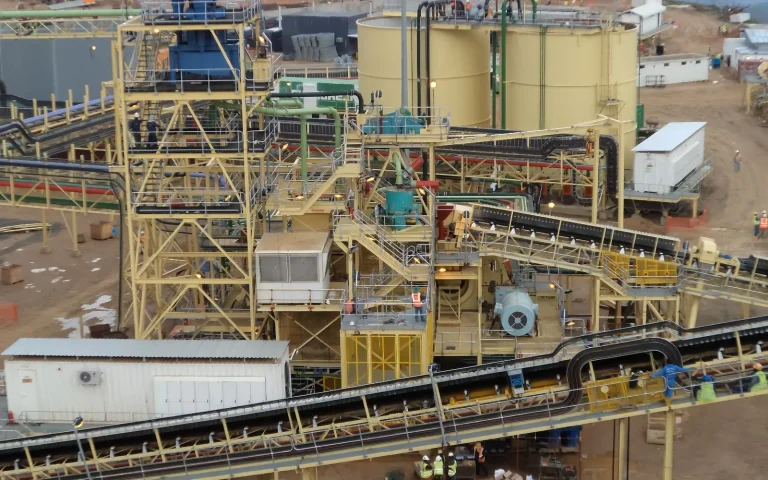
Flotation is the most popular processing way in gold ore processing project. Because the flotation process
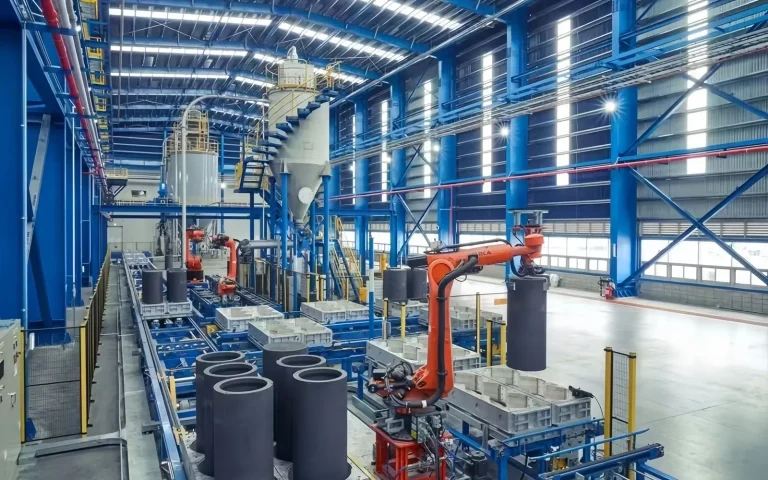
Prominer can provide the complete solution for making natrual graphite anode materials include grinding
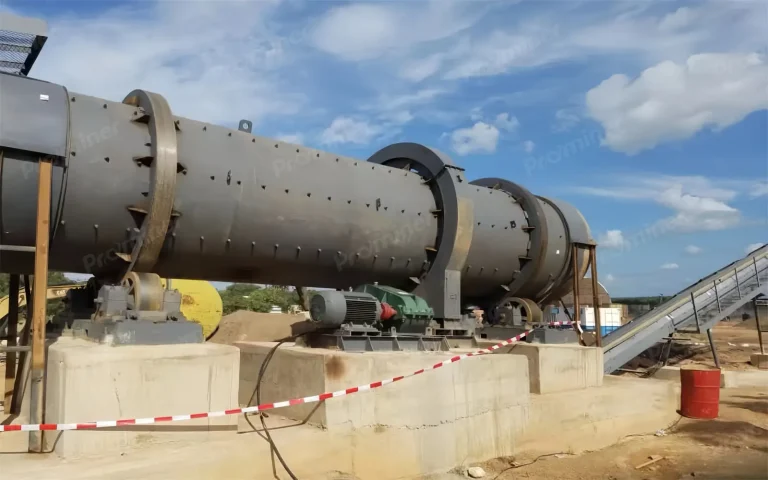
Heap leaching is a traditional cyanide leaching processing way which is flexible and economic to extract gold

Raw Material: Weathered Granite Type Gold Ore & Associated Granitic Saprolite
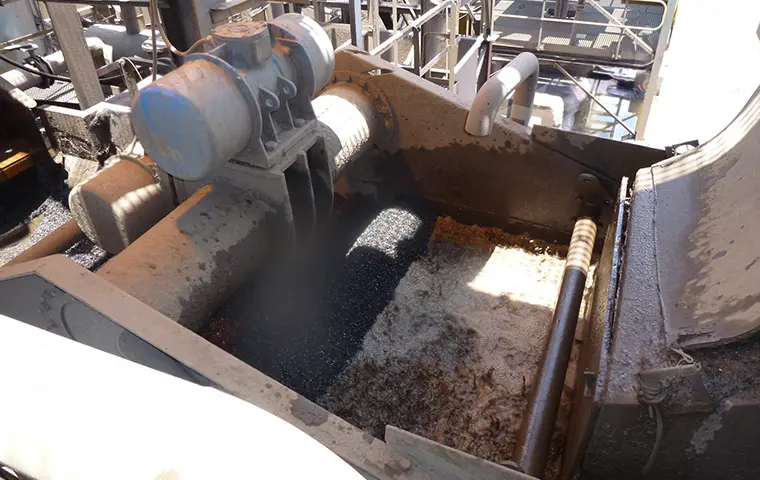
Raw Material: Green Petroleum Coke, Green Needle Coke and High soft point pitch
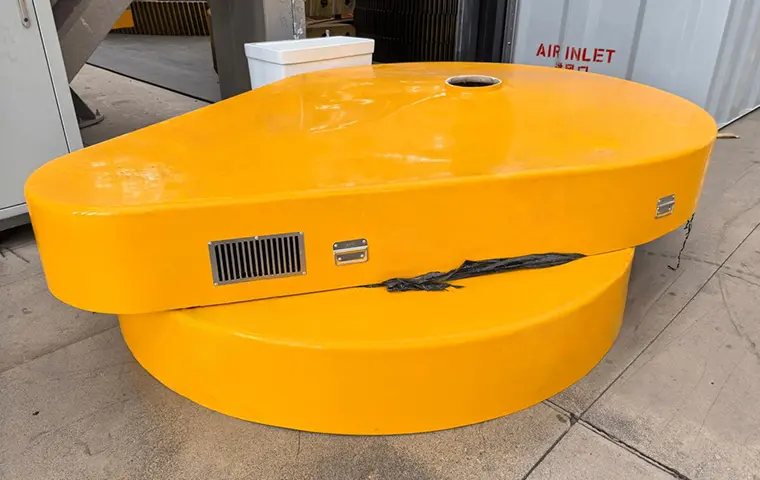
Raw Ore: Suitable for sulfide/oxide gold, copper, lithium, zinc, lead, and other non-ferrous metals
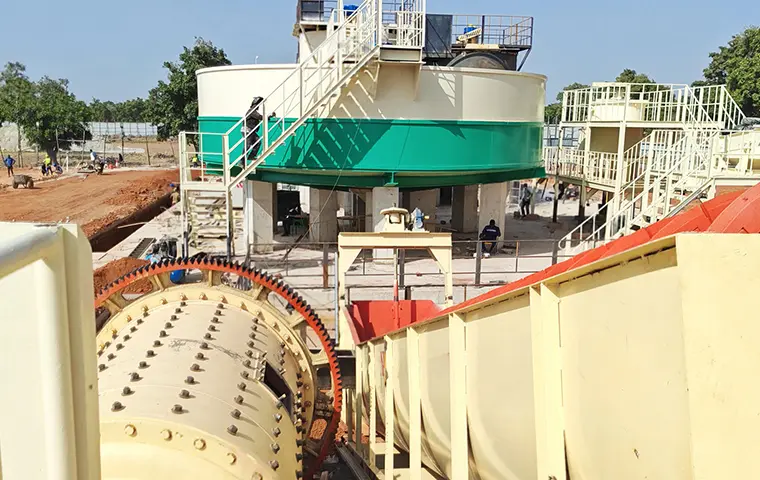
Raw Ore: Oxide and Sulfide Type Gold Ore Gold Grade: 2.5 g/t Final Product: Gold Bullion
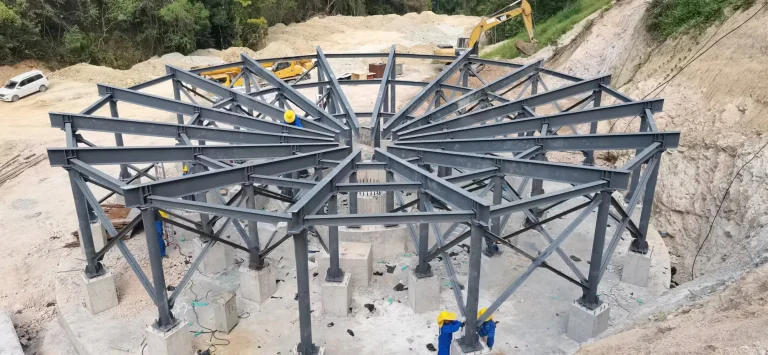
Raw Material: Fluorite Ore (CaF₂) Fluorite Grade: 35-40% Concentrate Grade: ≥97% CaF₂
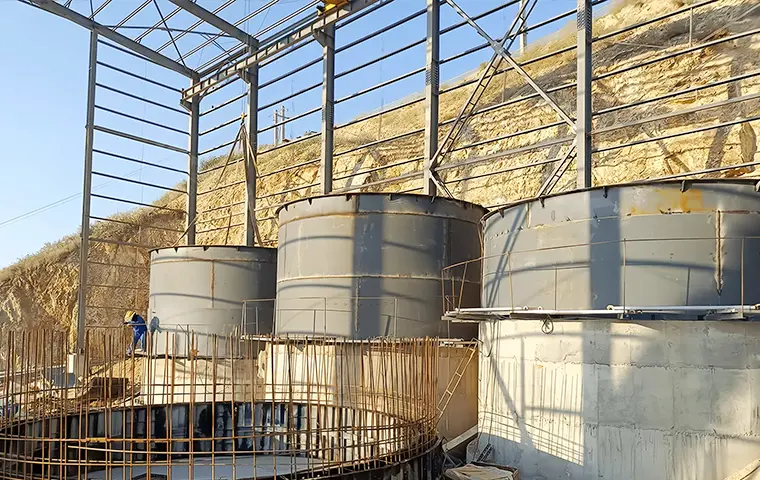
Raw Ore: Weathered Oxide Gold Ore Gold Grade: 1.8 g/t Gold Recovery Rate: 90.5%
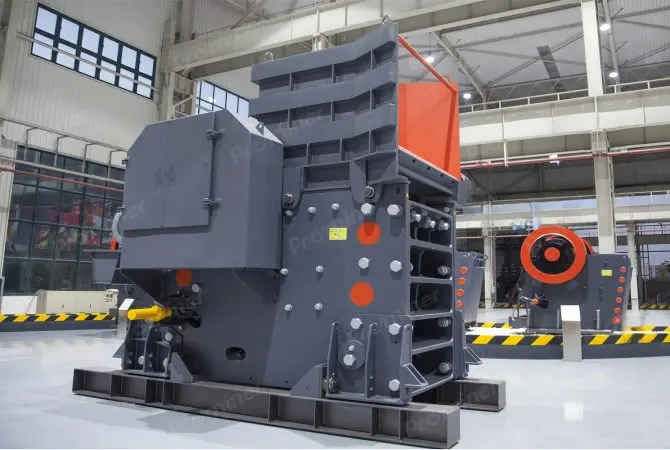
Jaw Crusher, its opening size determines its max feeding size. The crushing chamber of a jaw crusher
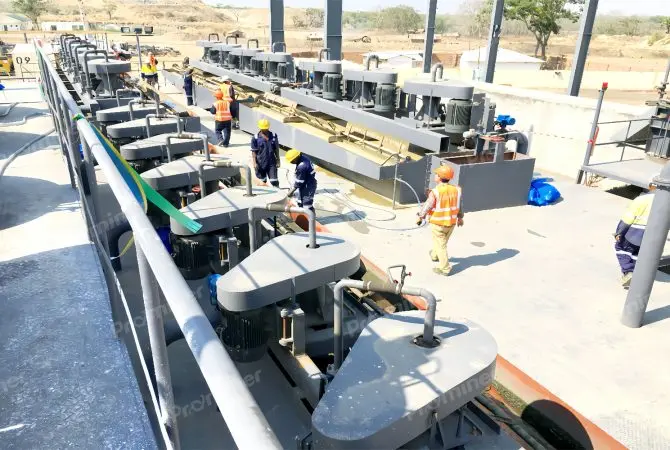
Prominer can provide SF series self-priming flotation machine and XCF/KYF series pneumatic flotation cell
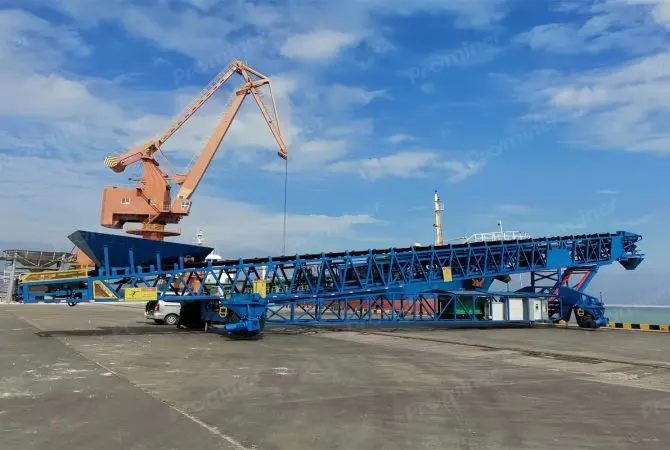
Our engineer team can design and manufacture the mobile type radial stacker, loader
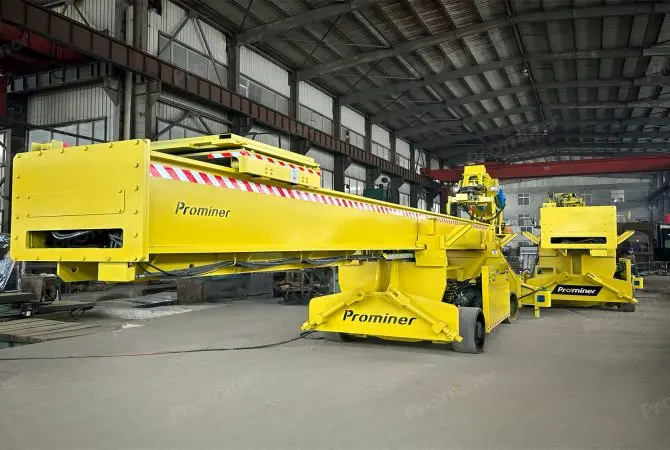
We can design and manufacture the mill relining machine (or called mill relining manipulator)
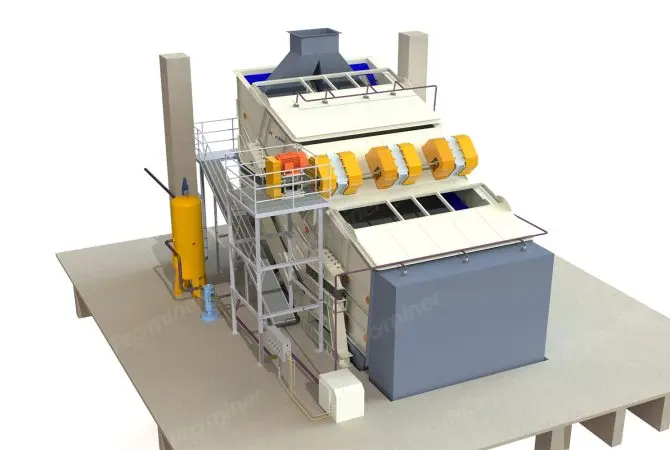
Flip-flow screen panel continues expanding and contracting so achieve a high acceleration rates
To find out more about our products and solutions, please fll out the form below and one of our experts will get back to you shortly
3000 TPD Gold Flotation Project in Shandong Province
2500TPD Lithium Ore Flotation in Sichuan
Fax: (+86) 021-58779592
Address: Room 606, Building D3, Phase II, Chuansha Business Center, 777 Long, Miaochuan Road, Pudong New Area, Shanghai,China
Copyright © 2023. Prominer (Shanghai) Mining Technology Co.,Ltd.