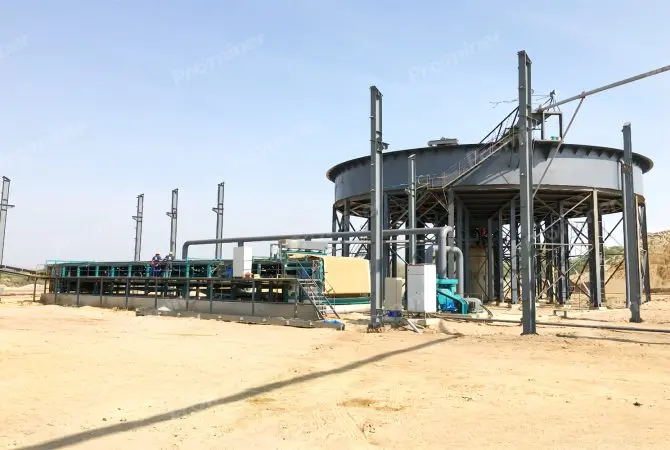
Flake graphite can be used to produce high carbon graphite, high purity graphite, expandable graphite


/
/
What Are the Difficulties and Influencing Factors in Reverse Flotation of Fine-Grain Hematite?


Reverse flotation is one of the most widely used beneficiation methods for fine-grained hematite. In this process, gangue minerals such as quartz are floated while hematite is depressed and retained in the pulp. Although reverse flotation is effective in theory, fine-grain hematite presents several technical challenges that significantly affect separation efficiency, concentrate grade, and recovery rate. Below are the main difficulties and influencing factors involved in this process.
Fine-grain hematite is often embedded in gangue minerals at a very small particle size. To achieve adequate liberation, the ore must be ground finely, which leads to the generation of slimes.
These slimes cause several problems:
Slime coating can prevent collectors from selectively adsorbing onto quartz surfaces, resulting in poor separation and reduced concentrate quality.
In reverse flotation, the separation depends on the difference in surface properties between hematite and gangue minerals such as quartz. However, fine particles often exhibit similar surface characteristics due to:
This reduces the selectivity of collectors and depressants, making it difficult to achieve efficient separation.
Fine-grained hematite deposits are often associated with complex mineral compositions, including:
Clay minerals such as kaolinite are particularly problematic because they:
The presence of these minerals complicates reagent systems and increases processing costs.
Reverse flotation of hematite typically uses:
The efficiency of this system is highly sensitive to:
Small changes in these parameters can significantly affect flotation performance. Overdosage of depressants may also depress quartz, while insufficient dosage may allow hematite to float unintentionally.
The chemical environment of the pulp plays a critical role in flotation performance. Factors include:
Dissolved metal ions can interact with mineral surfaces and reagents, altering adsorption behavior. For example:
In recycled water systems, ion accumulation can further complicate flotation control.
To liberate fine hematite from gangue, extensive grinding is often required. However, overgrinding produces:
Additionally, incomplete liberation at coarse sizes may result in composite particles that are difficult to separate effectively, reducing concentrate grade.
Fine particles require:
Conventional flotation cells may not provide optimal recovery for ultrafine particles. Poor control of air flow rate, pulp density, and froth depth can further reduce separation efficiency.
Advanced equipment such as column flotation or microbubble flotation systems may improve performance but require precise operational control.
Reverse flotation of fine-grain hematite faces multiple challenges, including slime coating, weak mineral selectivity, complex ore composition, reagent sensitivity, and strict pulp chemistry requirements. The efficiency of the process depends on careful control of grinding fineness, reagent systems, pulp environment, and equipment parameters.
To improve flotation performance, operators typically adopt measures such as:
Understanding these influencing factors is essential for achieving high-grade concentrates and maximizing recovery in fine-grained hematite beneficiation.
A: For graphite resources, a complete solution should cover both natural graphite flotation and deep processing. The ball mill and hydrocyclone system serve as the basic grinding stage. For advanced anode material production, the shaping mill is essential to improve tap density and reduce specific surface area. Additionally, the Prominer coating system, which combines coating and granulation functions, is a key step in processing high-profit anode materials.
A: Process selection depends entirely on the ore’s characteristics. The Gold CIL/CIP process is a very popular and effective way to process high-grade oxide type gold ore. For many other gold projects, flotation remains the most popular processing method. For owners looking to save investment at the initial stage, vat leaching or heap leaching are flexible and economic options. We recommend starting with a lab & pilot test to determine the most efficient and scientific process flow.
A: Magnetic separation is critical for mineral upgrading. We provide both HIMS (High Intensity) and LIMS (Low Intensity) magnetic separators to handle different mineral magnetic properties. In an optimized plant design, this technology is integrated with a high-performance crushing system—utilizing single-cylinder or multi-cylinder hydraulic cone crushers—and a grinding system. This ensures that waste rock is rejected early, significantly improving productivity and saving energy.
A: Designing a successful plant requires a comprehensive EPC (Engineering, Procurement, and Construction) service. Key considerations include engineering design (site surveys, sampling guidance, and PFD drawings) and equipment customization to ensure machinery matches the specific ore characteristics. For example, Prominer can customize linear screens up to 5.1m in width for large-scale grading and dewatering. Finally, professional on-site services, including civil work supervision and commissioning, are vital for long-term stable operation.
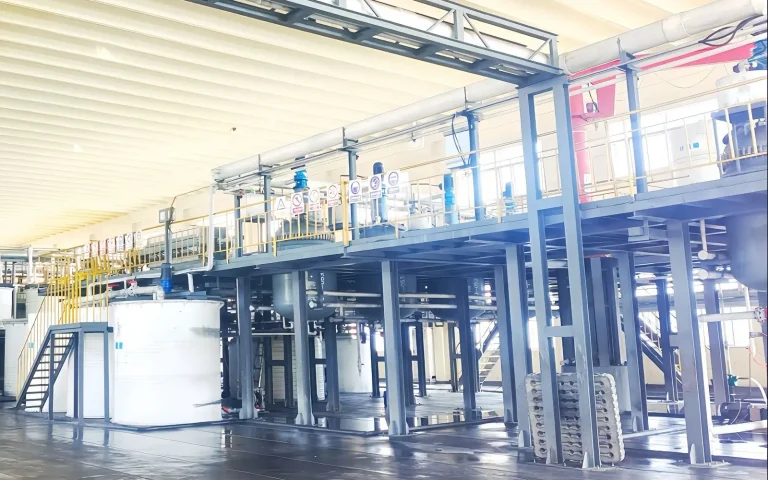
Flake graphite can be used to produce high carbon graphite, high purity graphite, expandable graphite
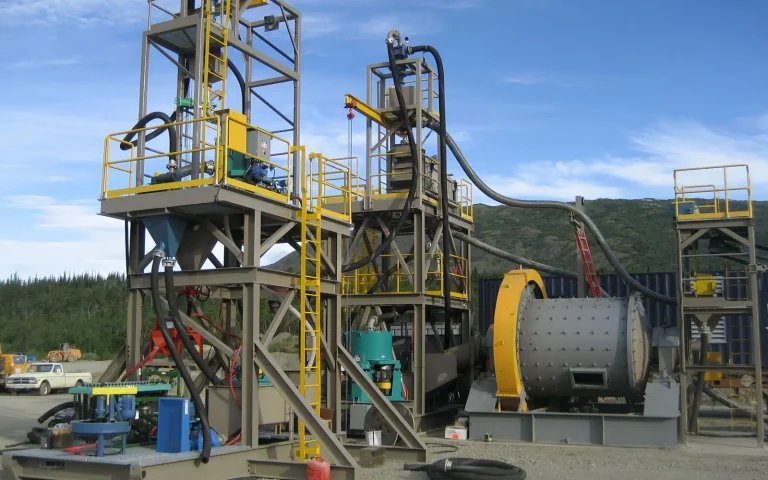
The best-known of the exogenetic ores is alluvial gold which also called placer gold. Alluvial gold refers
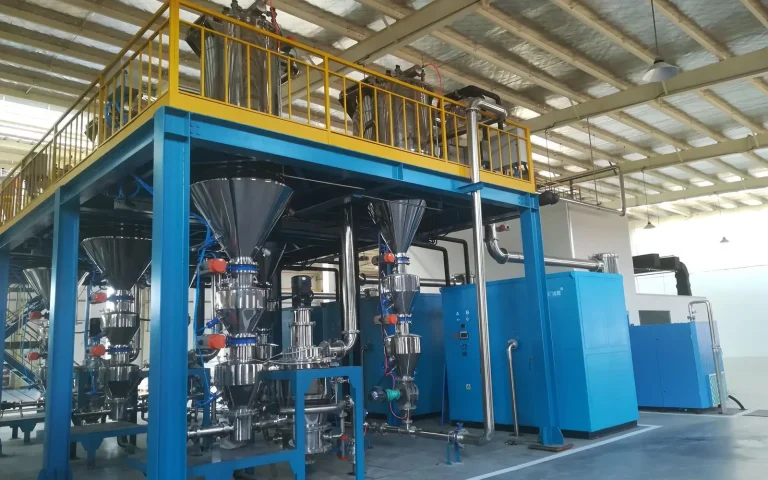
Silicon based anode is one kind of composite anode material by compounding silicon

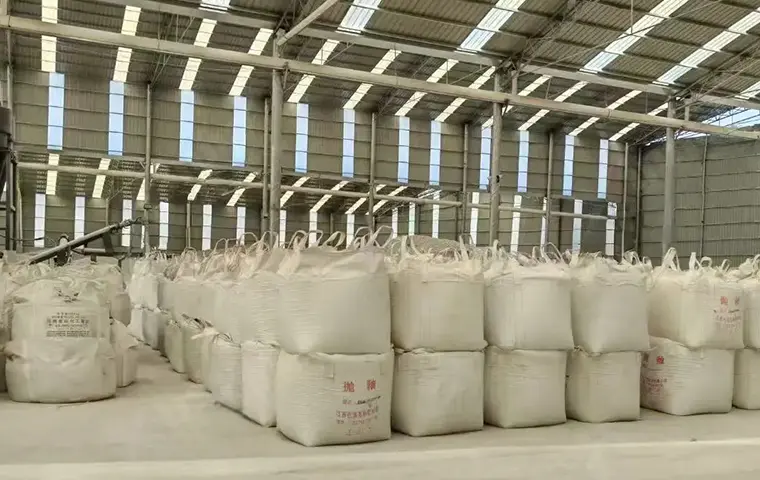
Raw Ore: High-grade Wollastonite ore with associated Garnet and Diopside Feed Grade: 65-70% Wollastonite
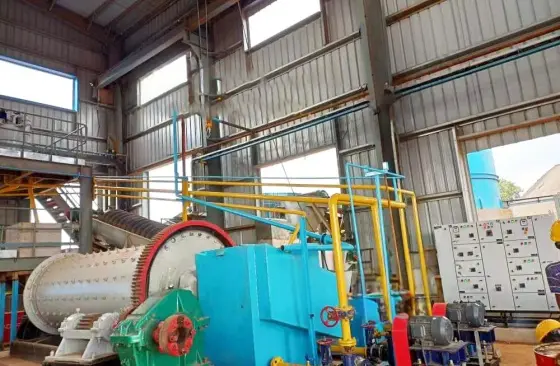
Raw Material: Sulfide Flotation Copper Tailings Metal Concentrate: Copper: 0.8%,Gold: 0.3 g/t,Silver: 5 g/t,Iron: 25%
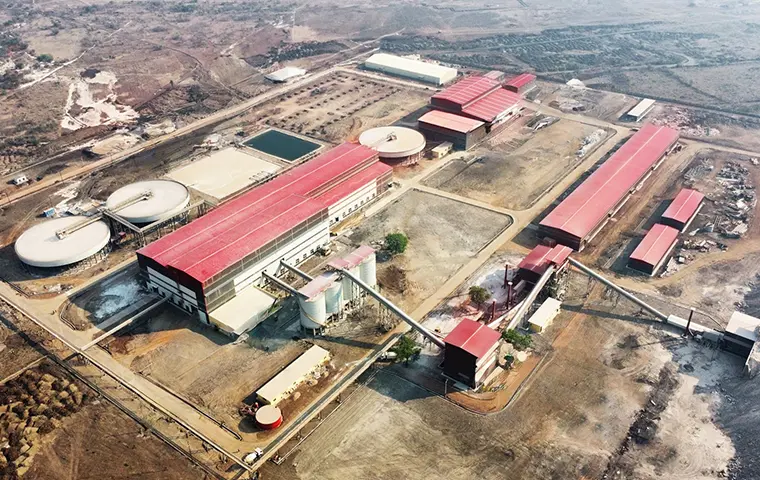
Raw Ore: Multi-metal sulfide ore (Cu, Zn, Au) Ore Grade: Cu 1.2%, Zn 2.5%, Au 1.5 g/t
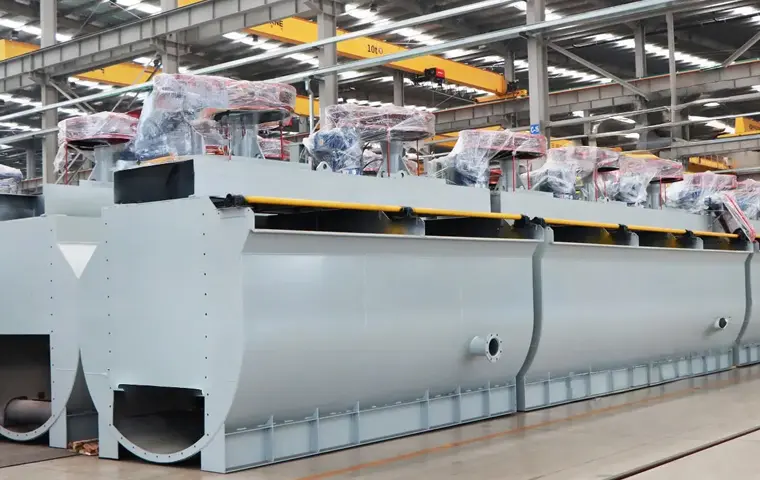
Raw Ore: Sulfide Type Gold Ore with Pyrite Gold Grade: 3.8 g/t Concentrate Grade: 42 g/t Au
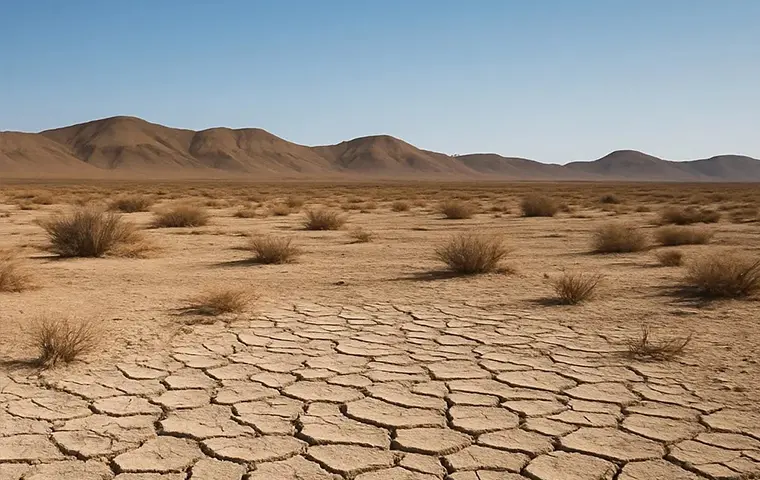
Raw Ore: Oxide Type Gold Ore Gold Grade: 3.5 g/t Gold Recovery Rate: 92% Gold Ingot Purity: 96%
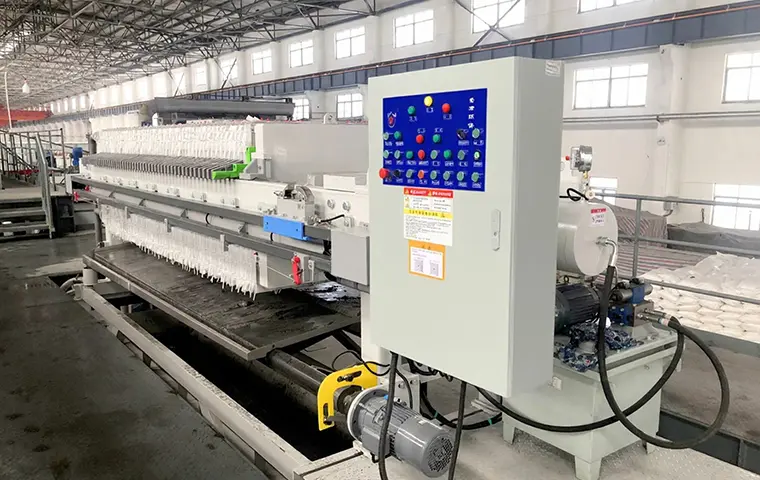
Raw Material: Carbon-slag from aluminum electrolysis Feed Grade: 15–20% Cryolite content Final Product: Recycled Cryolite ( purity ≥ 92% )
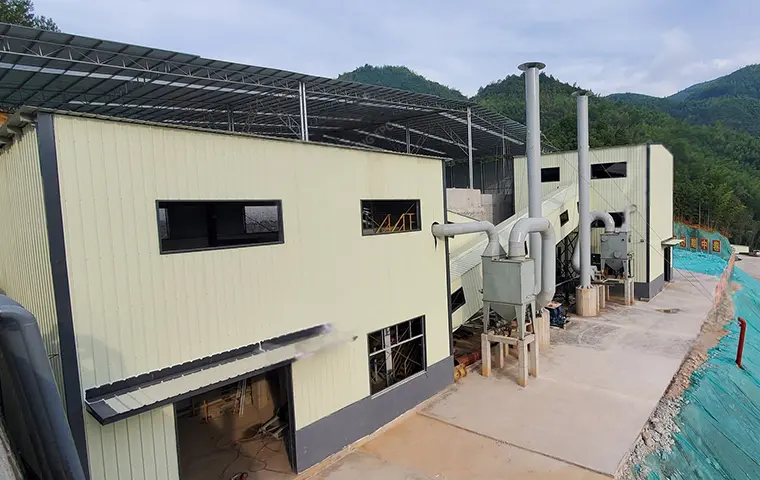
Raw Ore: High-Grade Fluorite Ore from Deep Veins Fluorspar Grade: 38% CaF₂ Concentrate Grade: 97.2% CaF₂
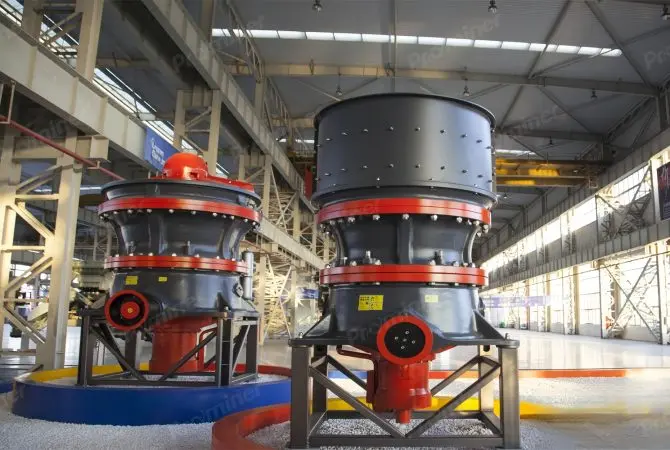
Single-cylinder hydraulic cone crusher have two series based on different cavity, S-cavity is designed
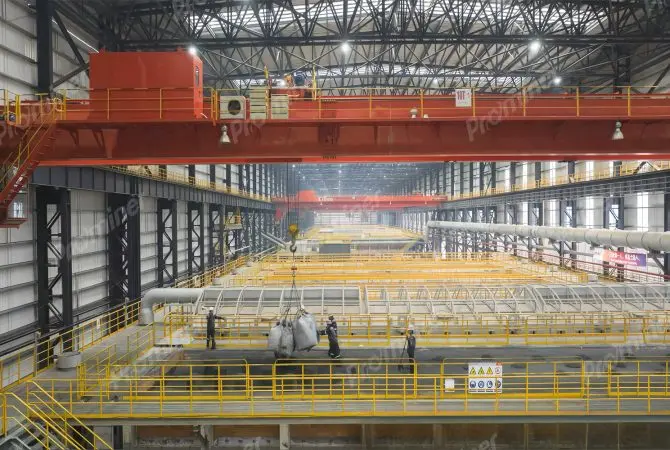
We can provide different type graphitization furnace for changing carbon material
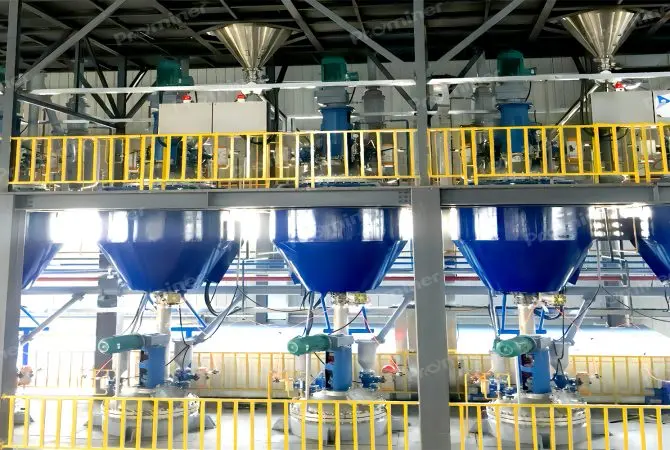
Our granulation reactor combines the coating and granulation processing functions together
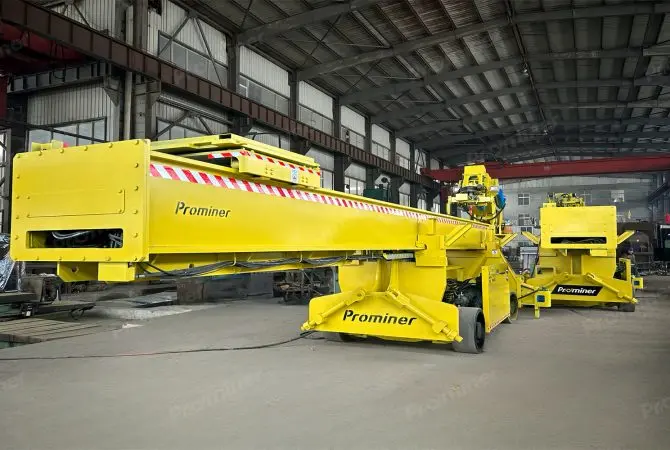
We can design and manufacture the mill relining machine (or called mill relining manipulator)
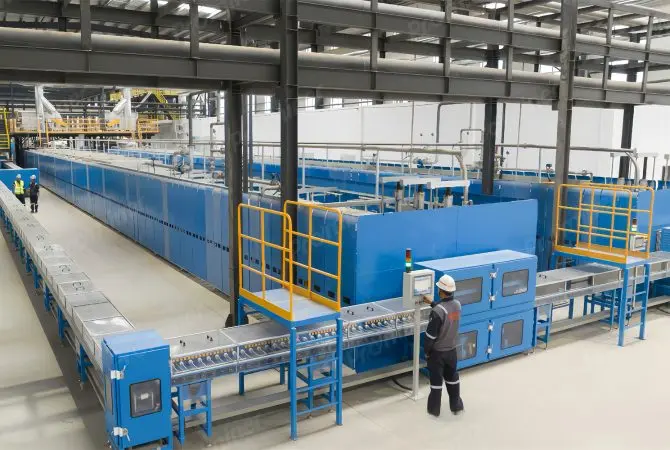
We can provide the complete solution for high temperature carbonization treatment system
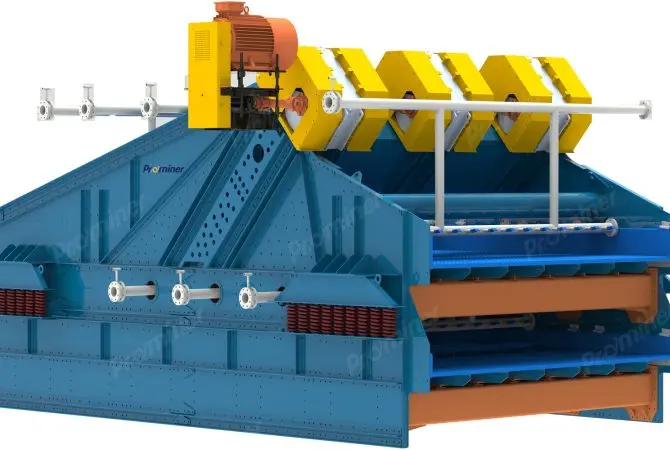
Prominer can provide all kinds of linear screen for mineral grading, material sizing, dewatering
To find out more about our products and solutions, please fll out the form below and one of our experts will get back to you shortly
3000 TPD Gold Flotation Project in Shandong Province
2500TPD Lithium Ore Flotation in Sichuan
Fax: (+86) 021-58779592
Address: No.2555,Xiupu Road, Pudong, Shanghai
Copyright © 2023. Prominer (Shanghai) Mining Technology Co.,Ltd.