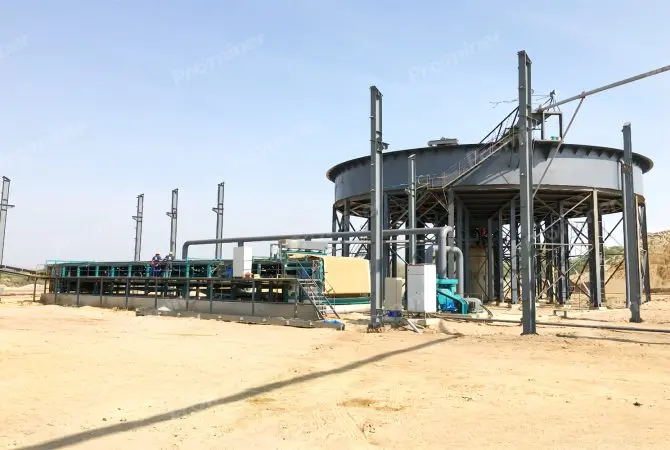
Prominer can provide the complete solution for making natrual graphite anode materials include grinding



Flotation is a crucial process in mineral processing for separating valuable minerals from gangue using differences in their surface properties. The efficiency of this process is influenced significantly by factors such as flotation time, pH, and aeration. Here’s how each of these variables impacts mineral recovery:
Impact:
Optimization: Finding the balance where maximum recovery and concentrate grade are achieved without significant gangue entrainment is key.
Impact:
Optimization: The pH level is maintained based on the mineral type to maximize recovery of the target minerals while minimizing gangue floatation.
Impact:
Optimization: Adjusting aeration rate to produce an adequate volume of bubbles for flotation, while avoiding turbulence, is essential for maintaining high recovery rates and separation efficiency.
These parameters (time, pH, and aeration) are interdependent and must be optimized simultaneously for effective flotation. For instance:
Prominer (Shanghai) Mining Technology Co., Ltd. specializes in providing complete mineral processing and advanced materials solutions globally. Our core focus includes: gold processing, lithium ore beneficiation, industrial minerals. Specializing in anode material production and graphite processing.
Products include: Grinding & Classification, Separation & Dewatering, Gold Refining, Carbon/Graphite Processing and Leaching Systems.
We offer end-to-end services including engineering design, equipment manufacturing, installation, and operational support, backed by 24/7 expert consultation.
Our Website Url: https://www.prominetech.com/
Our Email: [email protected]
Our Sales: +8613918045927(Richard), +8617887940518(Jessica), +8613402000314(Bruno)
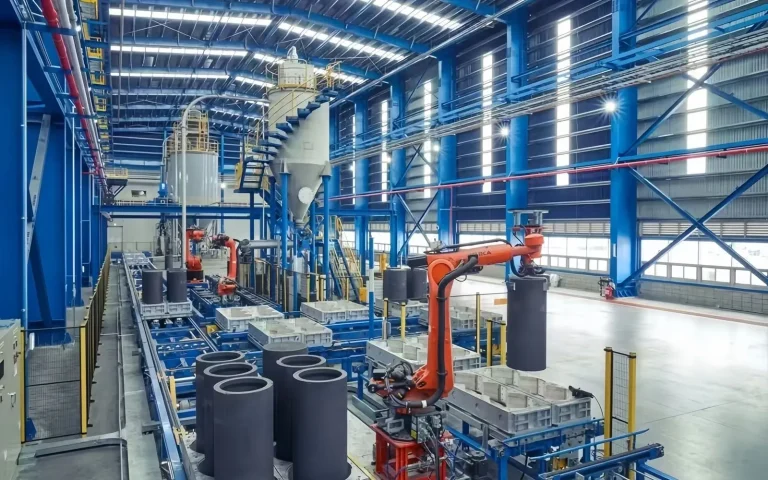
Prominer can provide the complete solution for making natrual graphite anode materials include grinding
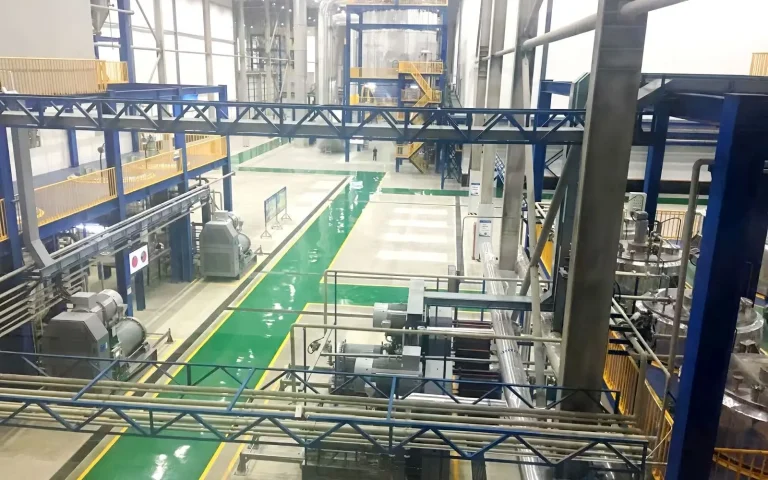
Cathode material is one of the key materials to determine the performance of lithium-ion batteries
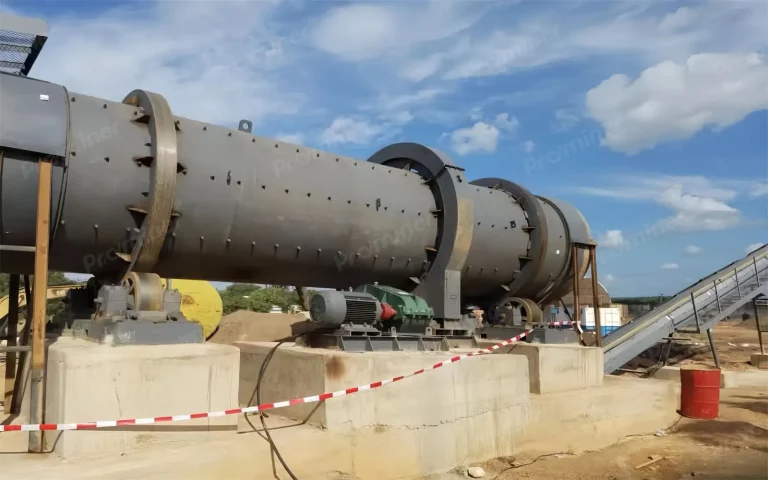
Heap leaching is a traditional cyanide leaching processing way which is flexible and economic to extract gold

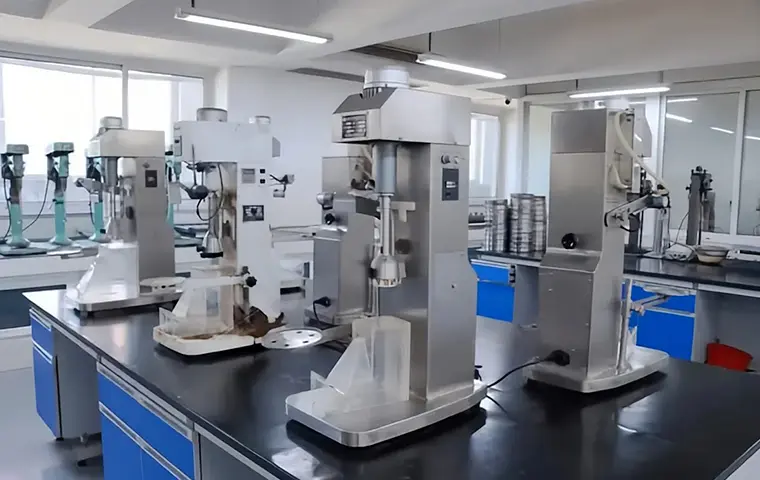
Raw Material: Various types of ore samples (gold, lithium, graphite, etc.) Lab Capacity: 50–100 samples per day
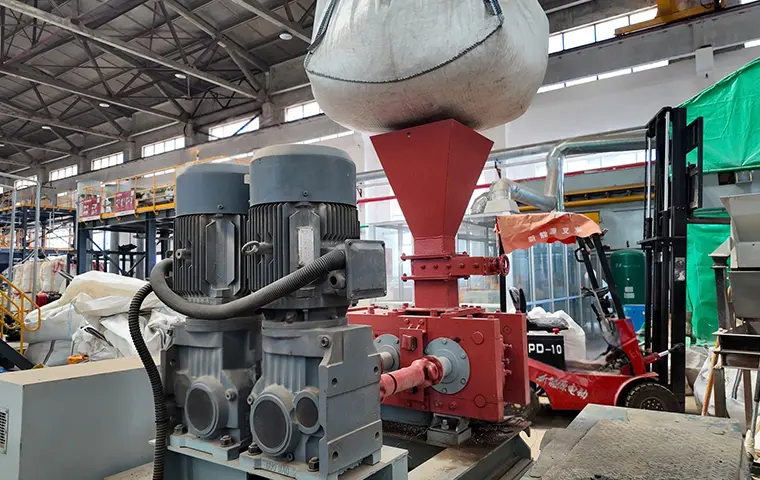
Project Objective: To determine the optimal processing flowsheet and provide scale-up data for a full-scale plant.
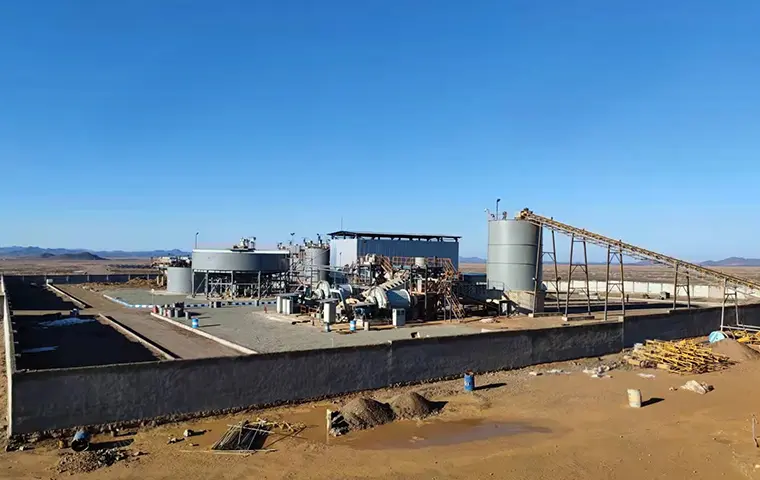
Raw Ore: Oxide & Transitional Gold Ore Gold Grade: 2.5–3.5 g/t Final Product: Gold Concentrate (Gravity + Flotation Combined)
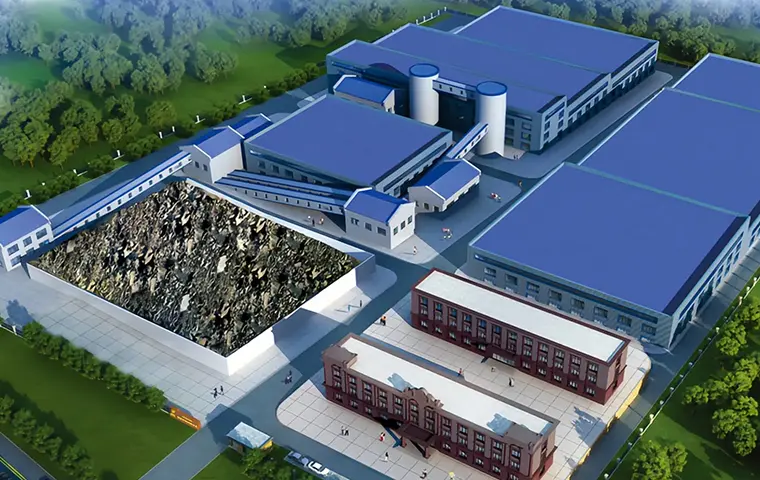
Raw Material: Natural Graphite Ore Concentrate Grade: 95% C TGC Final Product: Graphite Flotation Concentrate
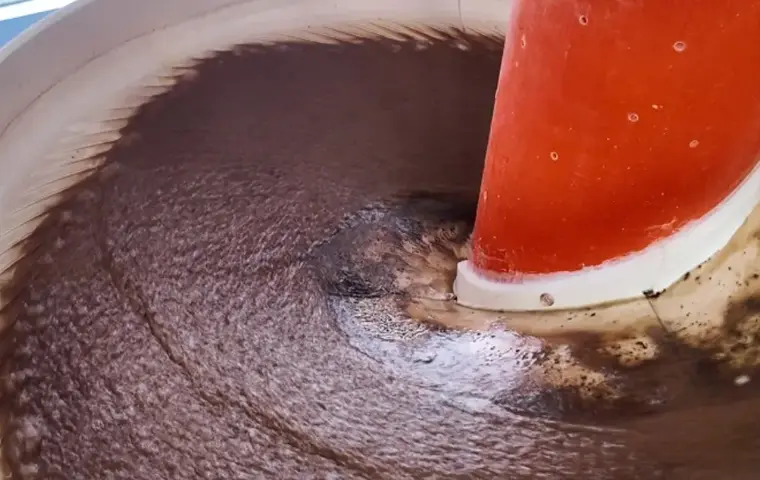
Raw Material: Iron ore tailings Processing Capacity: 800 tons per day
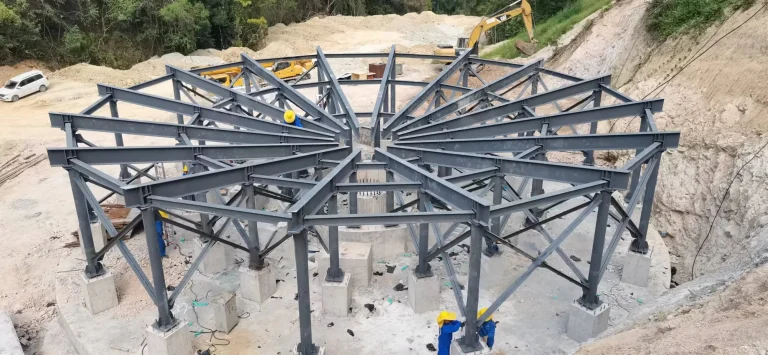
Raw Material: Fluorite Ore (CaF₂) Fluorite Grade: 35-40% Concentrate Grade: ≥97% CaF₂
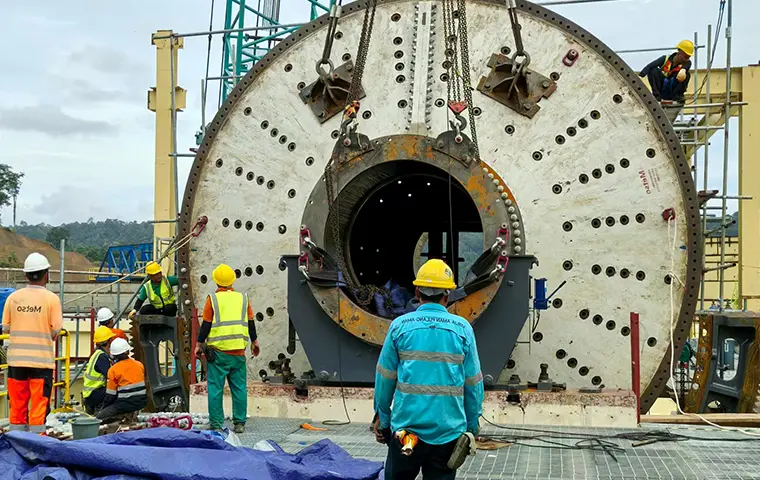
Raw Ore: Alluvial/Sulfide Type Gold Ore (depending on specific deposit) Gold Grade: 3.5 g/t Gold Recovery Rate: 92%
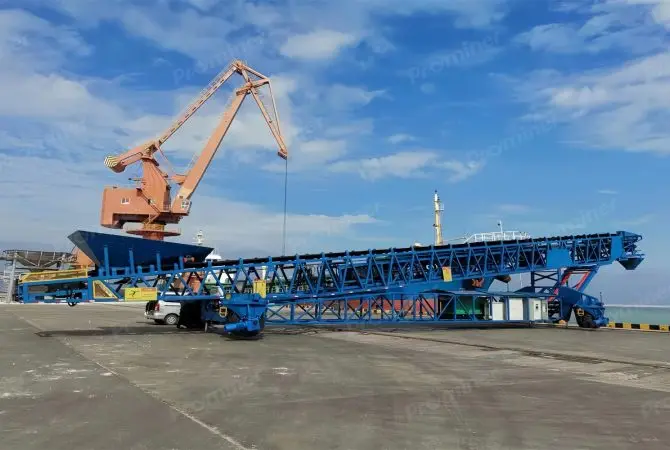
Our engineer team can design and manufacture the mobile type radial stacker, loader
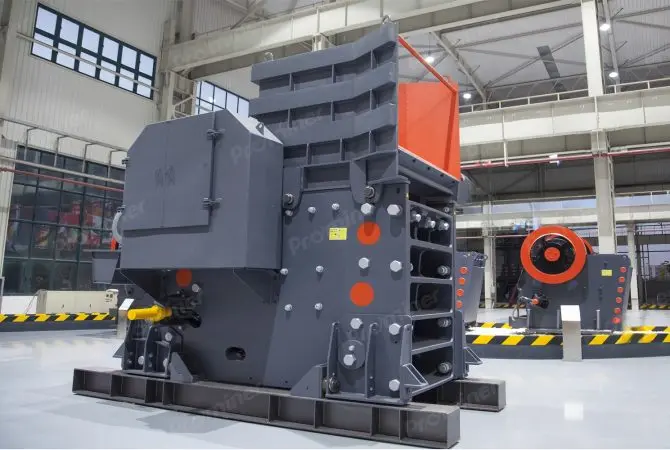
Jaw Crusher, its opening size determines its max feeding size. The crushing chamber of a jaw crusher
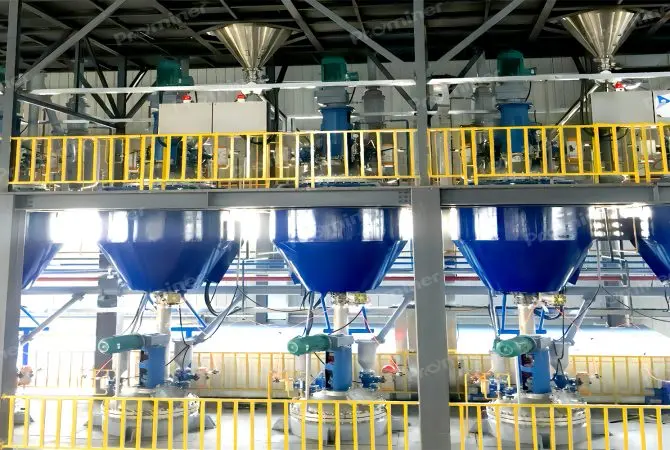
Our granulation reactor combines the coating and granulation processing functions together
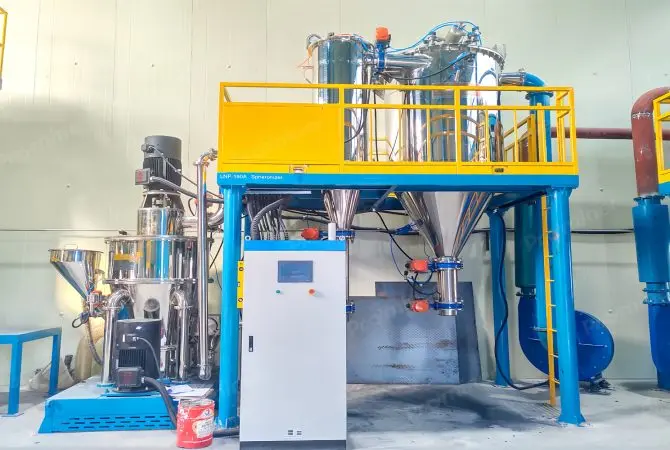
Besides strict PSD requirements, Anode Graphite also requires a spherical shape in order
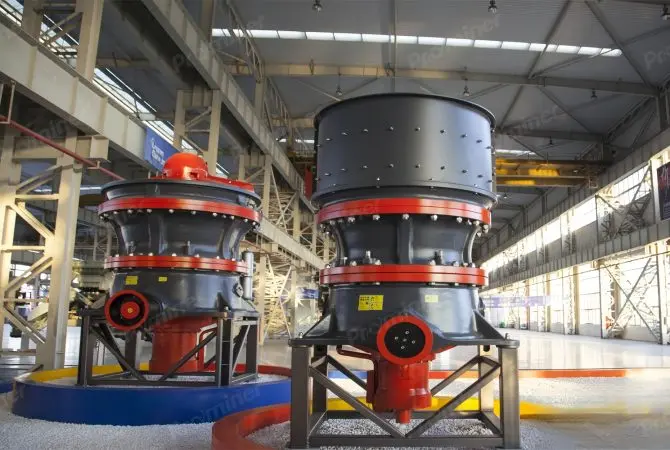
Single-cylinder hydraulic cone crusher have two series based on different cavity, S-cavity is designed
Prominer can provide different LIMS (Low Intensity Magnetic separator) magnetic separators
To find out more about our products and solutions, please fll out the form below and one of our experts will get back to you shortly
3000 TPD Gold Flotation Project in Shandong Province
2500TPD Lithium Ore Flotation in Sichuan
Fax: (+86) 021-60870195
Address: No.2555,Xiupu Road, Pudong, Shanghai
Copyright © 2023. Prominer (Shanghai) Mining Technology Co.,Ltd.