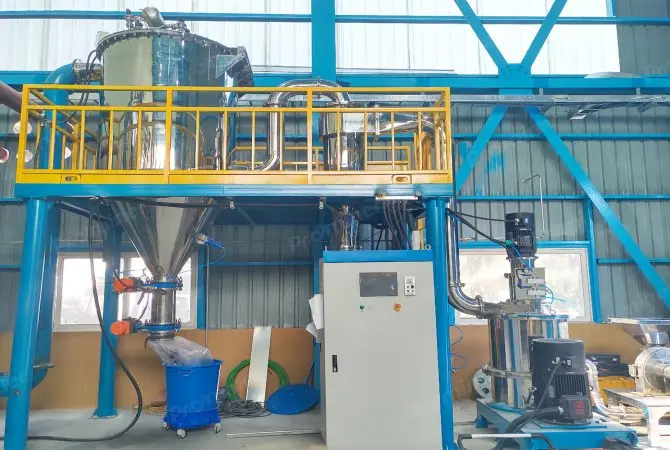
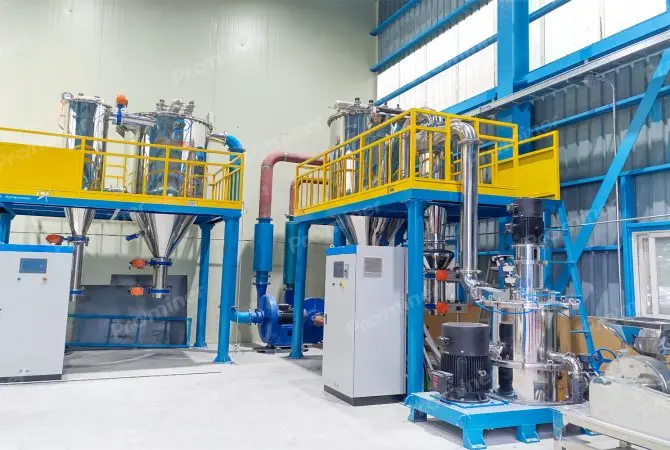
Spodumene and lepidolite are very important lithium bearing minerals and they are very easy to recover



Designing a fail-safe Carbon-in-Leach (CIL) plant for processing complex gold ores requires careful engineering, planning, and consideration of various factors to ensure safety, efficiency, and consistent recovery rates. The following steps outline how to design a fail-safe CIL plant:
By following these steps, a CIL plant for complex gold ores can achieve high gold recovery rates while ensuring operational safety and environmental compliance.
Prominer (Shanghai) Mining Technology Co., Ltd. specializes in providing complete mineral processing and advanced materials solutions globally. Our core focus includes: gold processing, lithium ore beneficiation, industrial minerals. Specializing in anode material production and graphite processing.
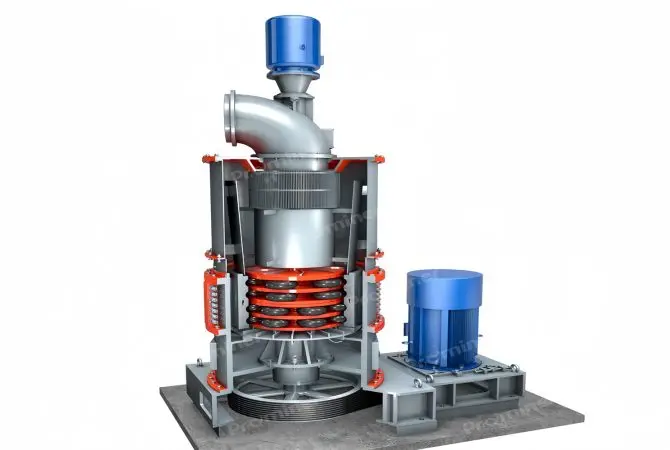
Products include: Grinding & Classification, Separation & Dewatering, Gold Refining, Carbon/Graphite Processing and Leaching Systems.
We offer end-to-end services including engineering design, equipment manufacturing, installation, and operational support, backed by 24/7 expert consultation.
Our Website Url: https://www.prominetech.com/
Our Email: [email protected]
Our Sales: +8613918045927(Richard), +8617887940518(Jessica), +8613402000314(Bruno)
Spodumene and lepidolite are very important lithium bearing minerals and they are very easy to recover
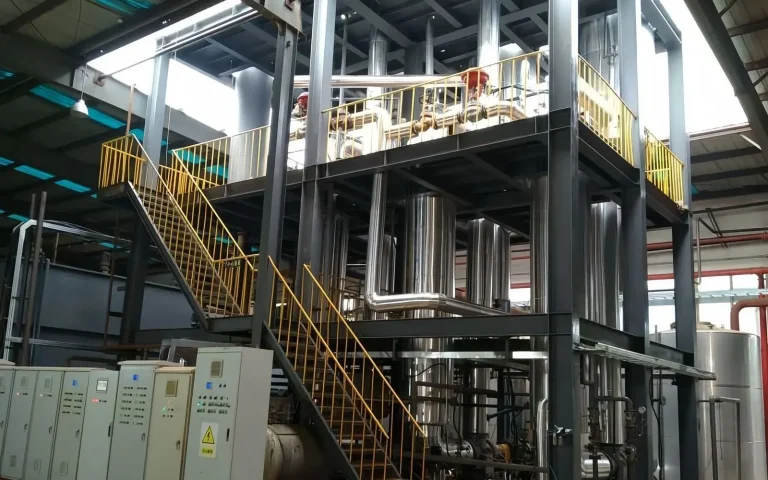
We can provide direct lithium extraction (DLE) solution to recover the lithium from salt lake brine
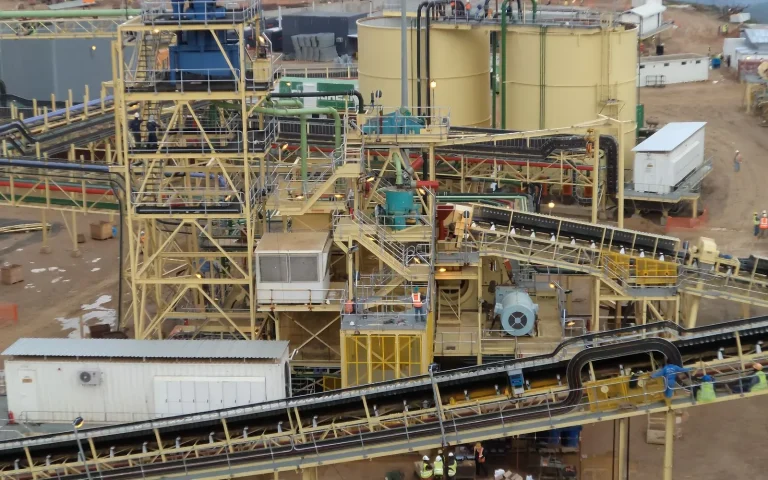
Provide important equipment in the gold ore processing process, such as CIL/CIP System, Flotation Cell…

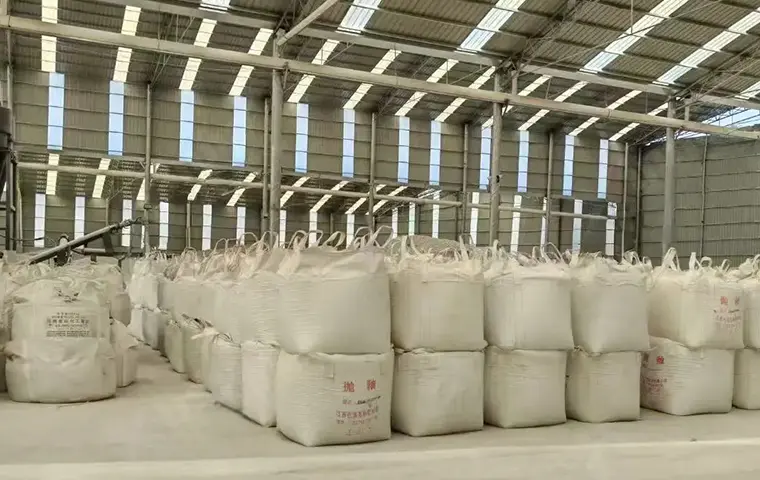
Raw Ore: High-grade Wollastonite ore with associated Garnet and Diopside Feed Grade: 65-70% Wollastonite
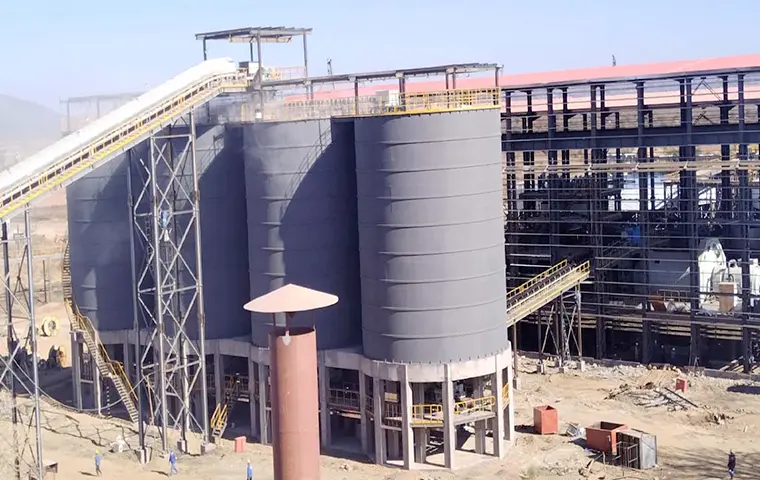
Raw Ore: Lithium-bearing pegmatite ore (mainly Spodumene) Li₂O Grade: 1.15% Concentrate Grade: 5.5% Li₂O
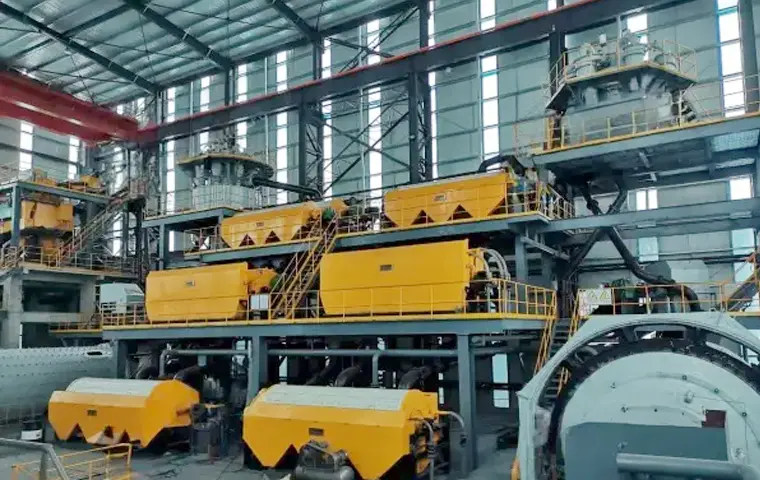
Raw Ore: Magnetite Iron Ore with Hematite Banding Fe Grade: 28-32% Final Product: High-Grade Iron Concentrate
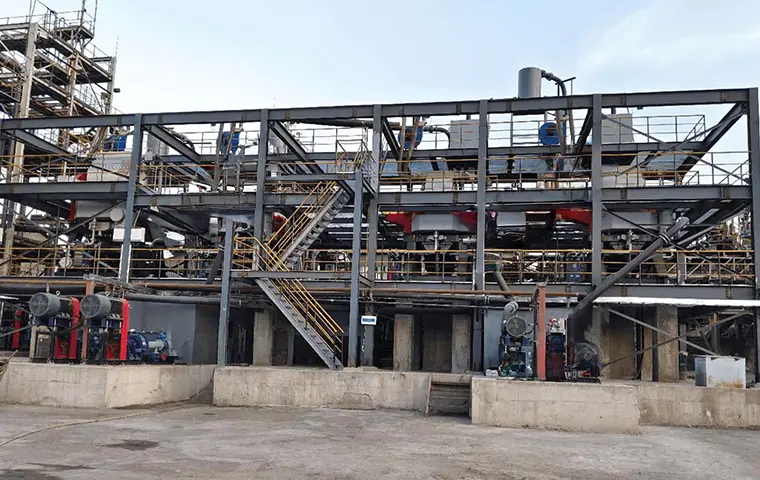
Raw Ore: South African Chrome Ore Original Cr₂O₃ Grade: 38% Upgraded Concentrate Grade: 46%
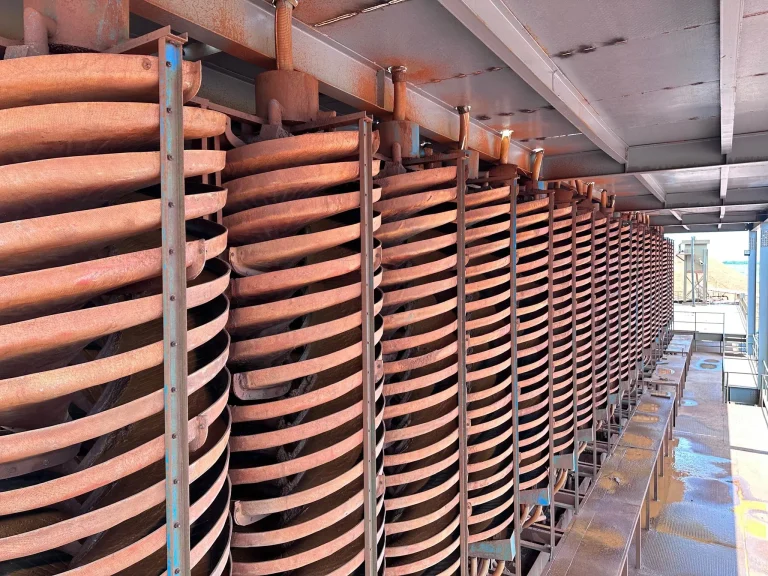
Raw Ore: Titanium Zirconium Beach Sand Ore TiO₂ Grade: 4.5% ZrO₂ Grade: 3.2%
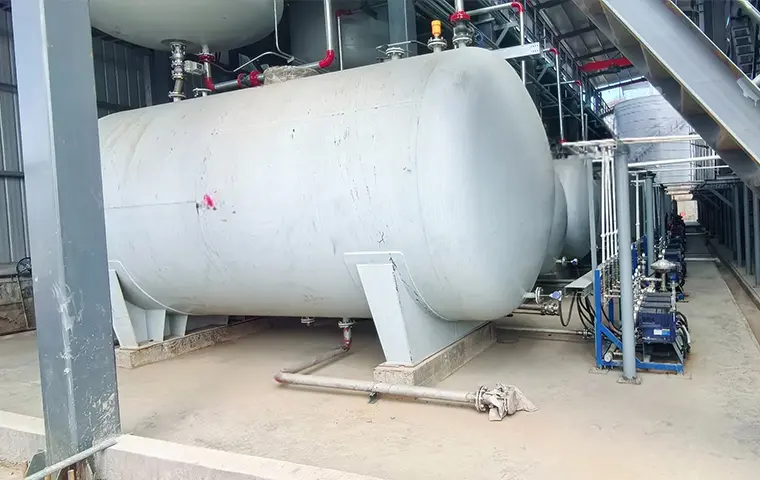
Raw Ore: Spodumene Lithium Ore Li2O Grade: 1.5% Concentrate Grade: 6.0%
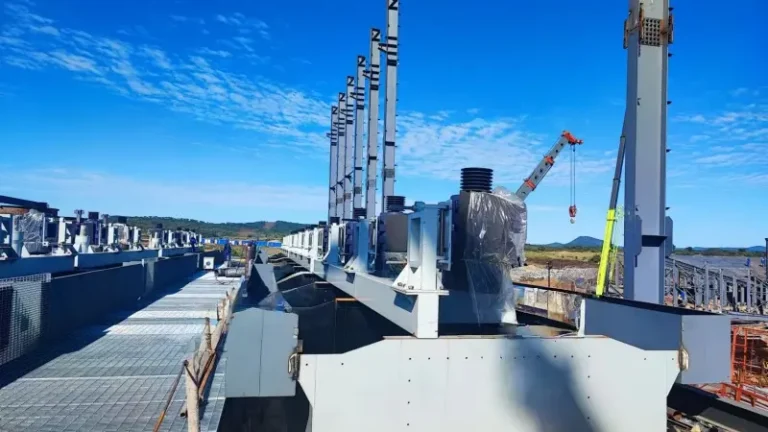
Raw Material: Lithium Brine (from Lithium Triangle: Chile/Argentina/Bolivia); Spodumene Ore (from Australia and China)
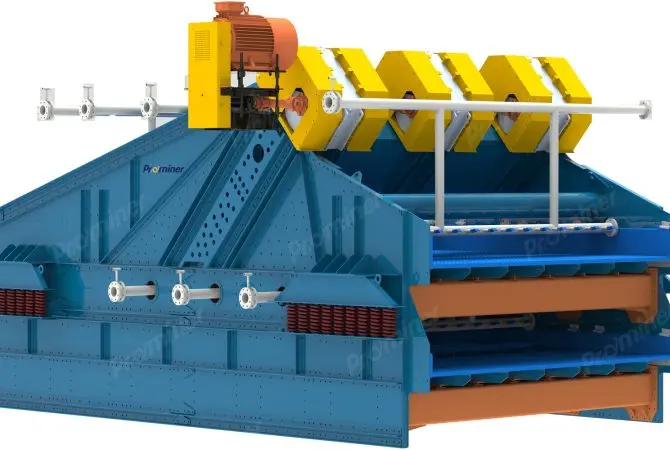
Prominer can provide all kinds of linear screen for mineral grading, material sizing, dewatering
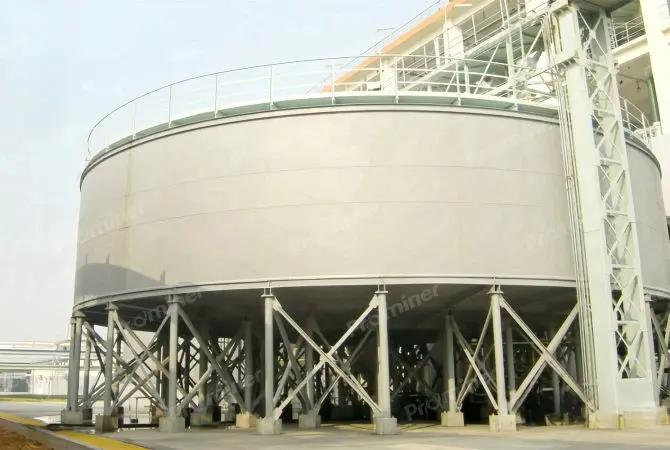
Prominer can provide different kinds of thickeners include center driving thickener, peripheral traction thickener
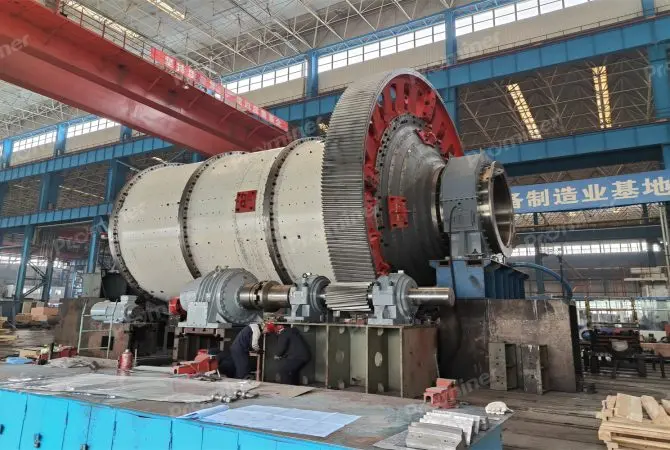
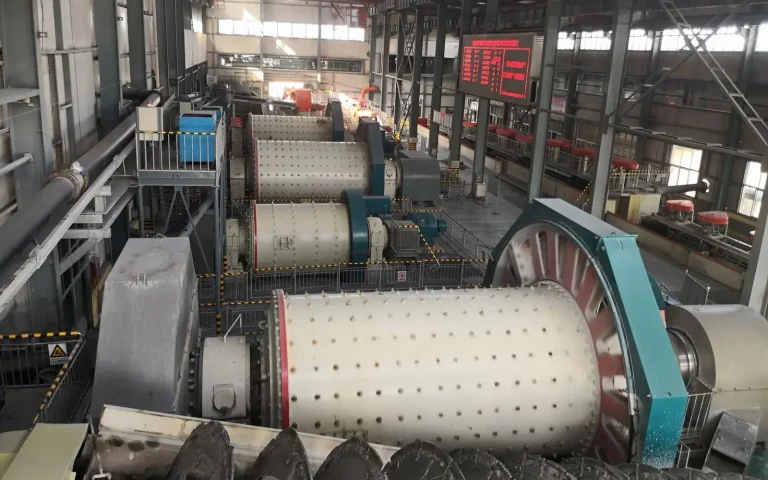
We can design and manufacture grate type ball mill for mineral primary grinding
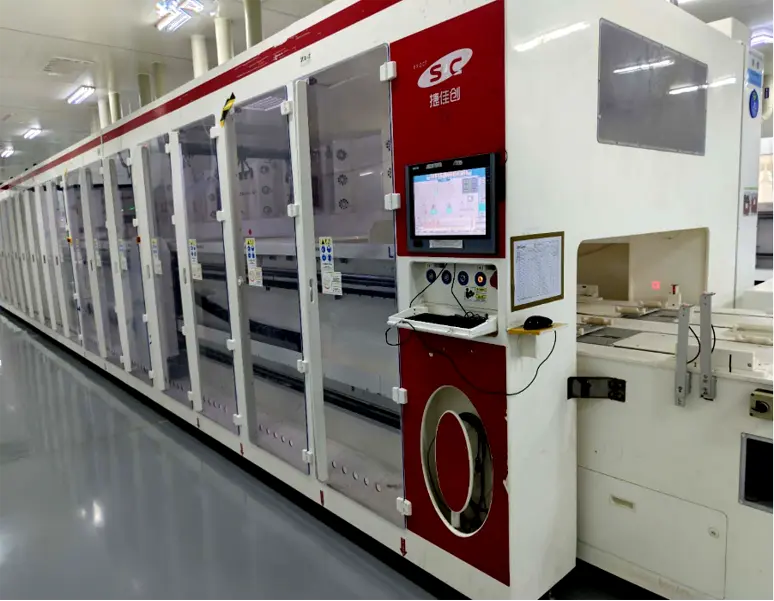
Such as: Boron diffusion furnace, BSG removal, Alkali polishing machine, PE-POLY…
To find out more about our products and solutions, please fll out the form below and one of our experts will get back to you shortly
3000 TPD Gold Flotation Project in Shandong Province
2500TPD Lithium Ore Flotation in Sichuan
Fax: (+86) 021-60870195
Address: No.2555,Xiupu Road, Pudong, Shanghai
Copyright © 2023. Prominer (Shanghai) Mining Technology Co.,Ltd.