

Provide important equipment in the gold ore processing process, such as CIL/CIP System, Flotation Cell…


/
/
How to Extract Critical Metals from Tailings While Reducing Environmental Liability?

Extracting critical metals from tailings is a promising strategy to recover valuable resources while simultaneously reducing environmental liability associated with mining waste. Tailings, which are the byproducts of mining and mineral processing activities, often contain economically important metals such as lithium, cobalt, nickel, rare earth elements, and other critical minerals. However, recovery efforts must balance economic feasibility and environmental sustainability. Below are key strategies for achieving this:
Various technologies can help selectively extract metals from tailings in an environmentally friendly manner:
Hydrometallurgical Processes
Pyrometallurgical Processes
Bioleaching and Bioremediation
Physical Separation Techniques
Several companies and research institutions are already achieving success in this area:
By combining advanced technologies, sustainable practices, and regulatory compliance, it is possible to extract critical metals from tailings while reducing environmental liability. The goal should always be to turn waste into value, minimize ecological harm, and contribute to a circular economy in mining.
Prominer (Shanghai) Mining Technology Co., Ltd. specializes in providing complete mineral processing and advanced materials solutions globally. Our core focus includes: gold processing, lithium ore beneficiation, industrial minerals. Specializing in anode material production and graphite processing.
Products include: Grinding & Classification, Separation & Dewatering, Gold Refining, Carbon/Graphite Processing and Leaching Systems.
We offer end-to-end services including engineering design, equipment manufacturing, installation, and operational support, backed by 24/7 expert consultation.
Our Website Url: https://www.prominetech.com/
Our Email: [email protected]
Our Sales: +8613918045927(Richard), +8617887940518(Jessica), +8613402000314(Bruno)
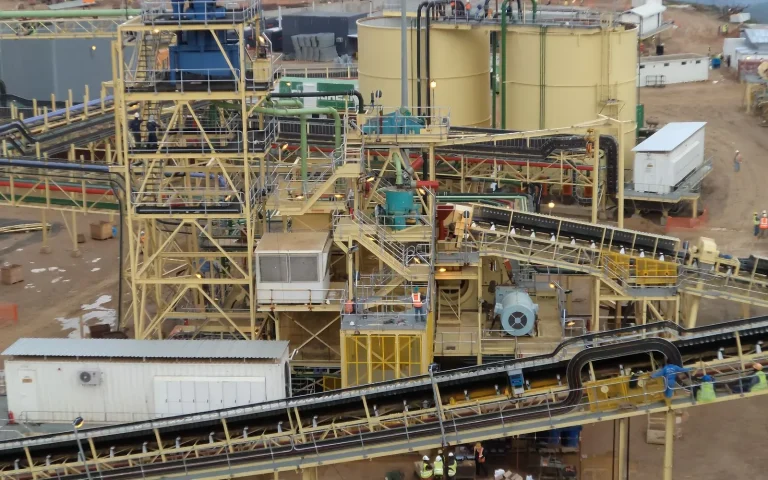
Provide important equipment in the gold ore processing process, such as CIL/CIP System, Flotation Cell…
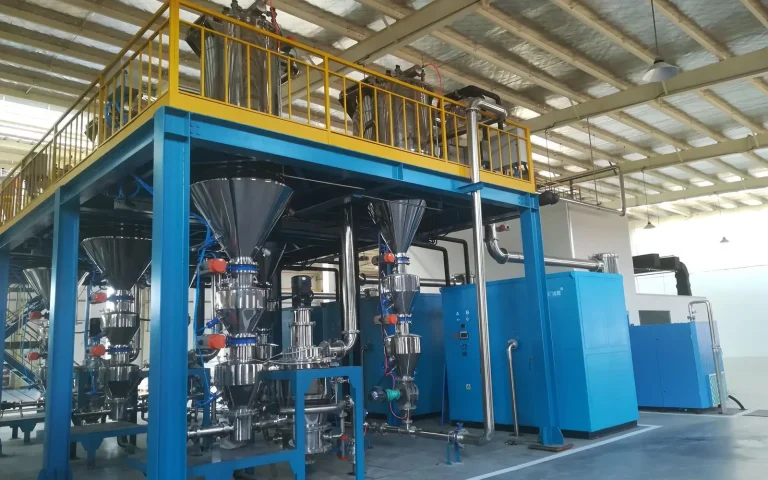
Silicon based anode is one kind of composite anode material by compounding silicon
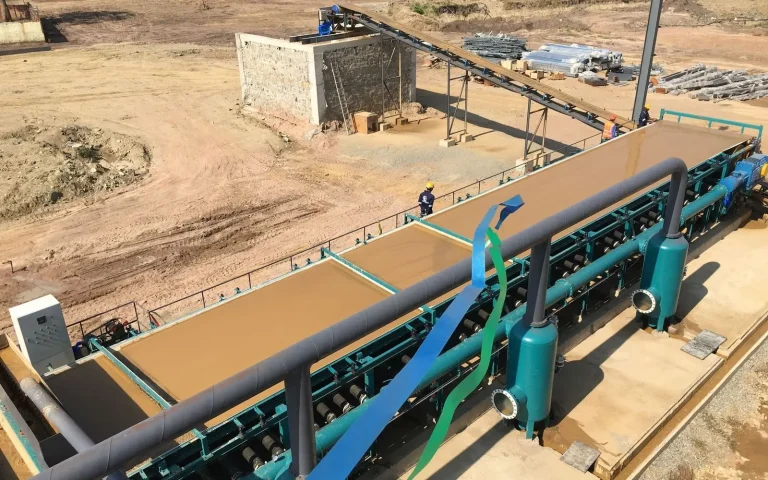
Gold CIL process (carbon in leaching) is very popular way to process the high grade oxide type gold ore

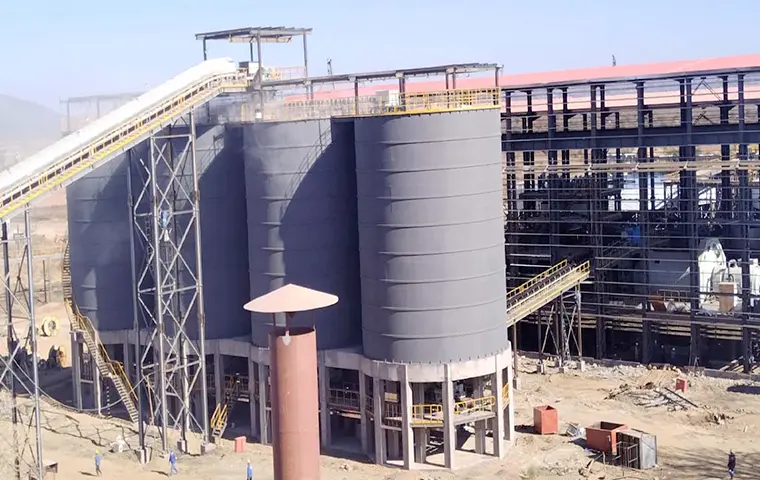
Raw Ore: Lithium-bearing pegmatite ore (mainly Spodumene) Li₂O Grade: 1.15% Concentrate Grade: 5.5% Li₂O
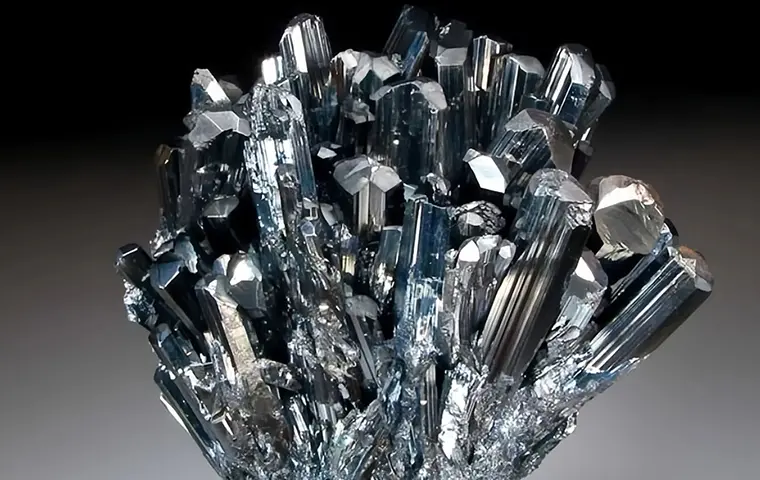
Raw Ore: Stibnite (Antimony Sulfide Ore) Sb Grade: 3.5% Concentrate Grade: 55% Sb
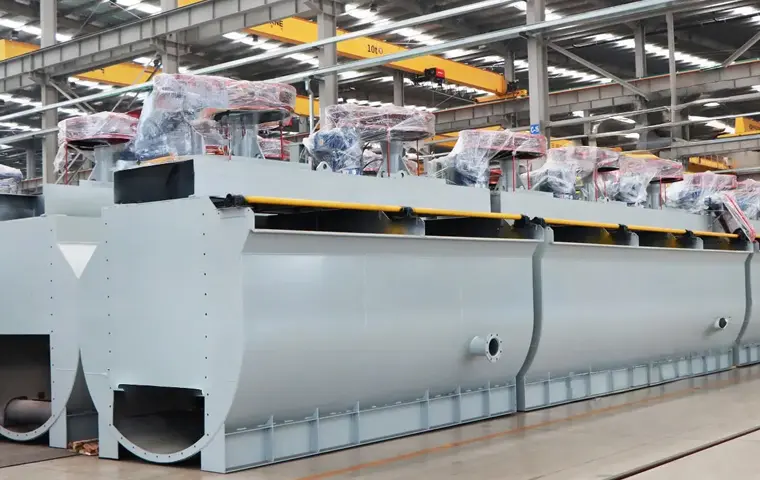
Raw Ore: Sulfide Type Gold Ore with Pyrite Gold Grade: 3.8 g/t Concentrate Grade: 42 g/t Au
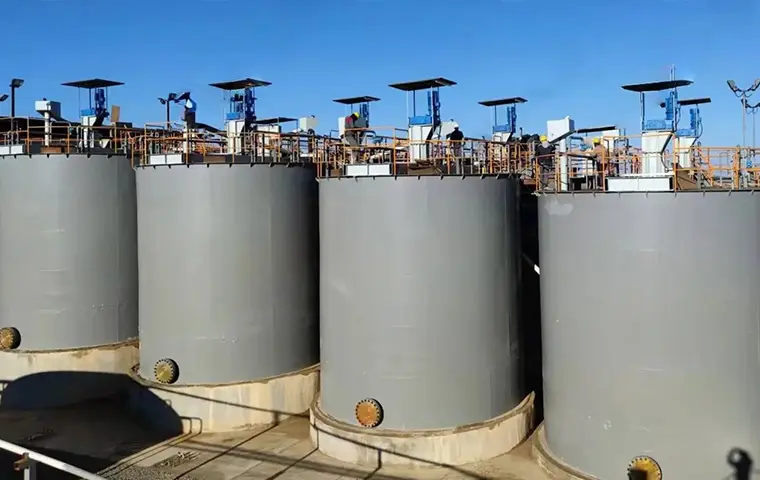
Raw Ore: Sulfide-Type Gold Ore (Pyrite and Arsenopyrite bearing) Gold Grade: 4.2 g/t Final Product: Gold Dore Bar
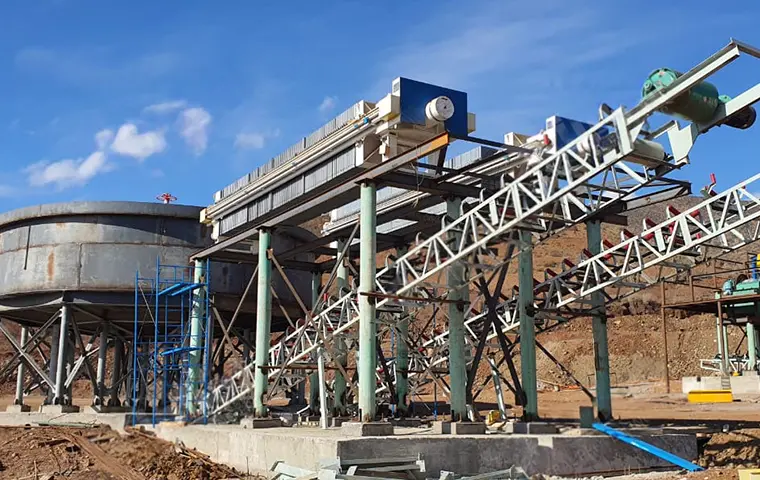
From laboratory testing to final commissioning, Prominer delivered a customized 20 TPH solution
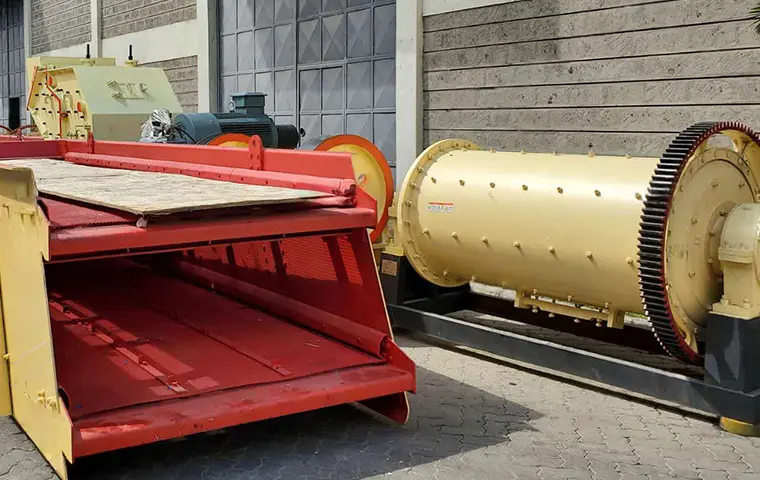
Raw Ore: Mixed Oxide and Sulfide Gold Ore Gold Grade: 3.5 g/t Gold Recovery Rate: 92%
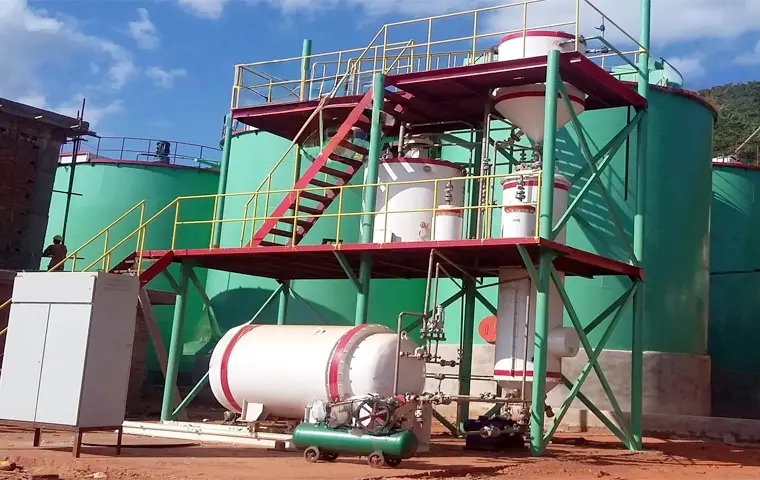
Raw Ore: Alluvial Gold with Magnetite & Hematite (Typical Sierra Madre Deposit)
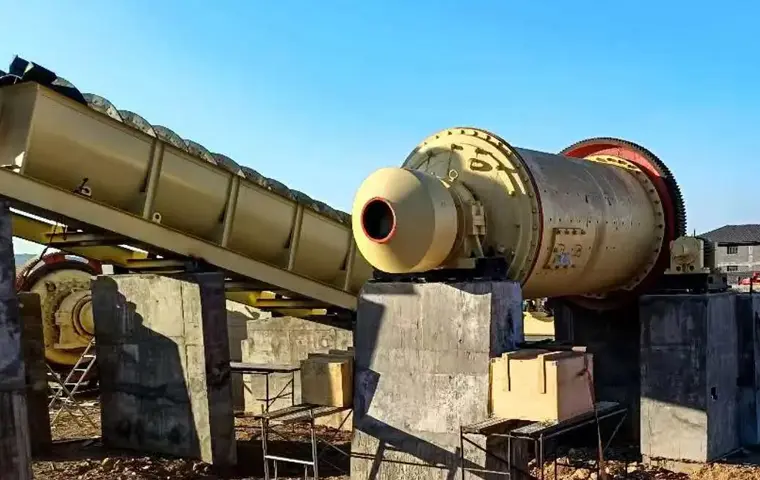
Raw Ore: Oxide Type Gold Ore Gold Grade: 2.5 g/t Gold Ingot Purity: 96%
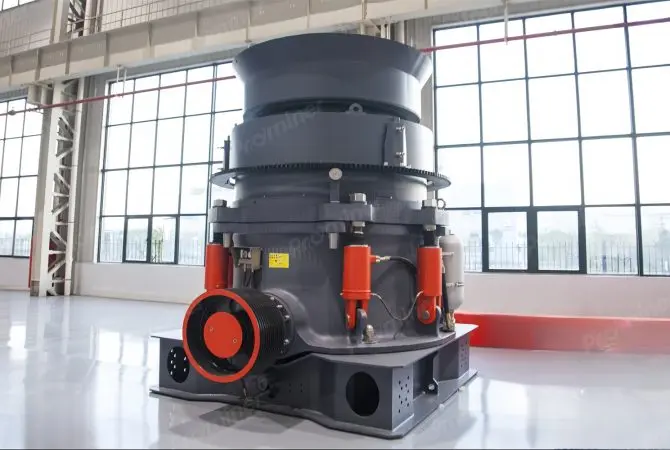
Multi-cylinder hydraulic cone crusher combines crusher speed, eccentricity and cavity profile
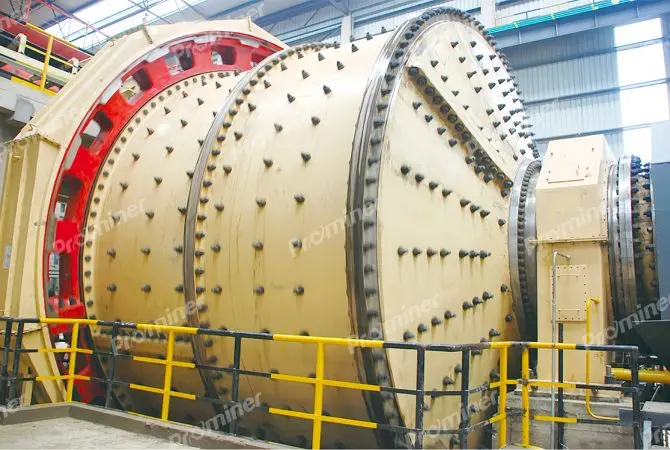
AG/SAG is short for autogenous mill and semi-autogenous mill, it combines with two functions of crushing
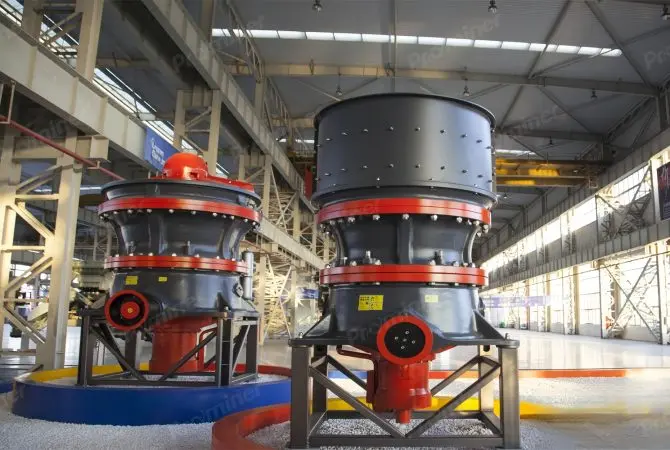
Single-cylinder hydraulic cone crusher have two series based on different cavity, S-cavity is designed
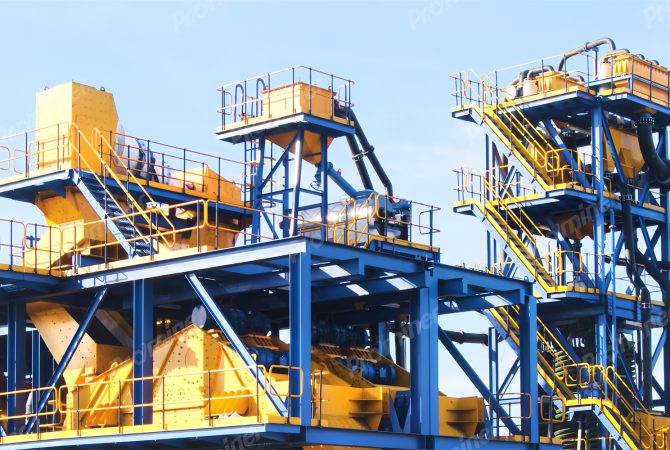
Prominer can provide different LIMS (Low Intensity Magnetic separator) magnetic separators
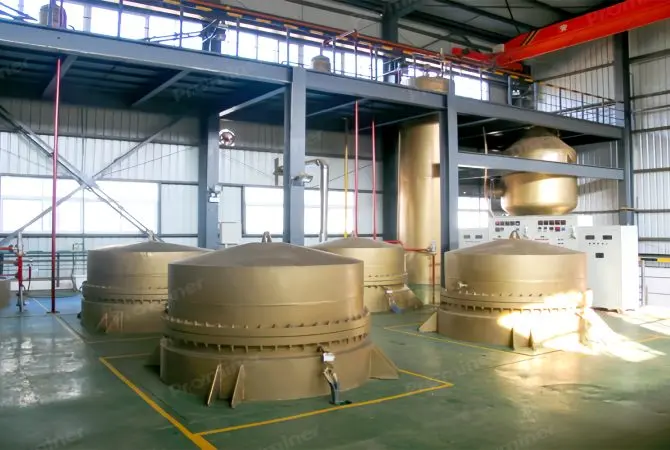
Prominer can design and provide the complete refinery and smelting system for gold CIL project
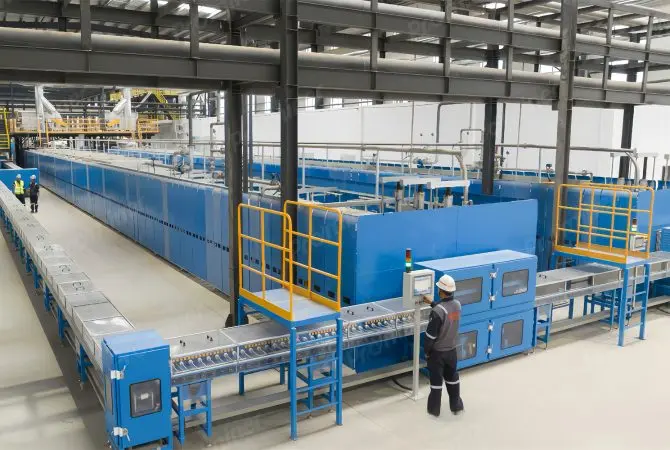
We can provide the complete solution for high temperature carbonization treatment system
To find out more about our products and solutions, please fll out the form below and one of our experts will get back to you shortly
3000 TPD Gold Flotation Project in Shandong Province
2500TPD Lithium Ore Flotation in Sichuan
Fax: (+86) 021-60870195
Address: No.2555,Xiupu Road, Pudong, Shanghai
Copyright © 2023. Prominer (Shanghai) Mining Technology Co.,Ltd.


