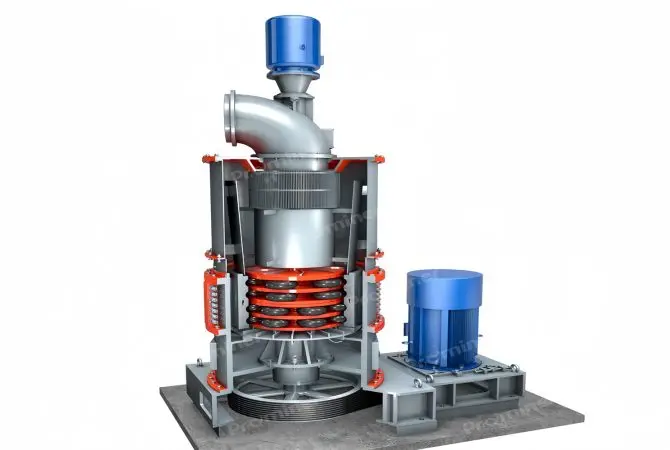
Flake graphite can be used to produce high carbon graphite, high purity graphite, expandable graphite



Optimizing silica sand beneficiation to achieve industrial-grade quality involves a combination of careful feedstock selection, advanced processing technologies, and precision quality control measures. Here is a detailed guide to optimizing silica sand beneficiation for industrial-grade applications:
By integrating advanced beneficiation techniques, precision control, and sustainable practices, silica sand can be efficiently processed to meet strict industrial-grade requirements for diverse applications.
Prominer (Shanghai) Mining Technology Co., Ltd. specializes in providing complete mineral processing and advanced materials solutions globally. Our core focus includes: gold processing, lithium ore beneficiation, industrial minerals. Specializing in anode material production and graphite processing.
Products include: Grinding & Classification, Separation & Dewatering, Gold Refining, Carbon/Graphite Processing and Leaching Systems.
We offer end-to-end services including engineering design, equipment manufacturing, installation, and operational support, backed by 24/7 expert consultation.
Our Website Url: https://www.prominetech.com/
Our Email: [email protected]
Our Sales: +8613918045927(Richard), +8617887940518(Jessica), +8613402000314(Bruno)
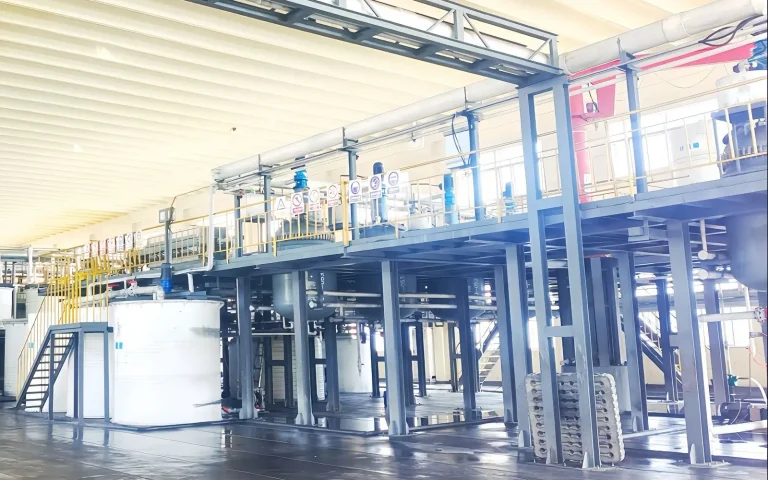
Flake graphite can be used to produce high carbon graphite, high purity graphite, expandable graphite
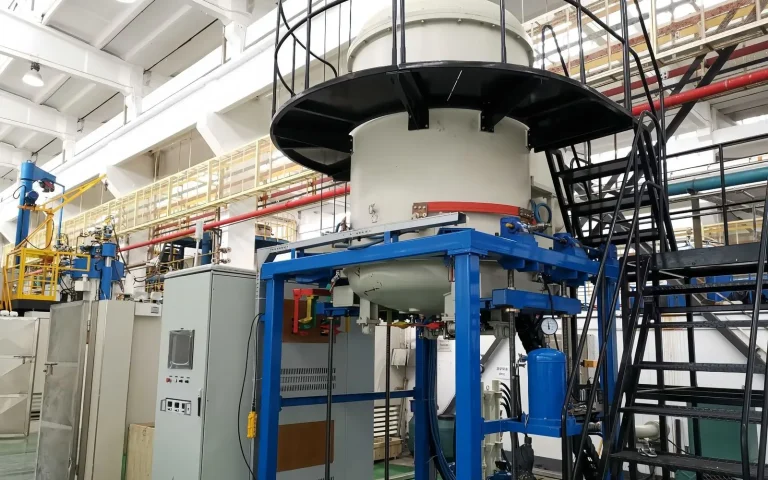
The demand from the industry over the years has been for special graphite and carbon with increasingly tighter
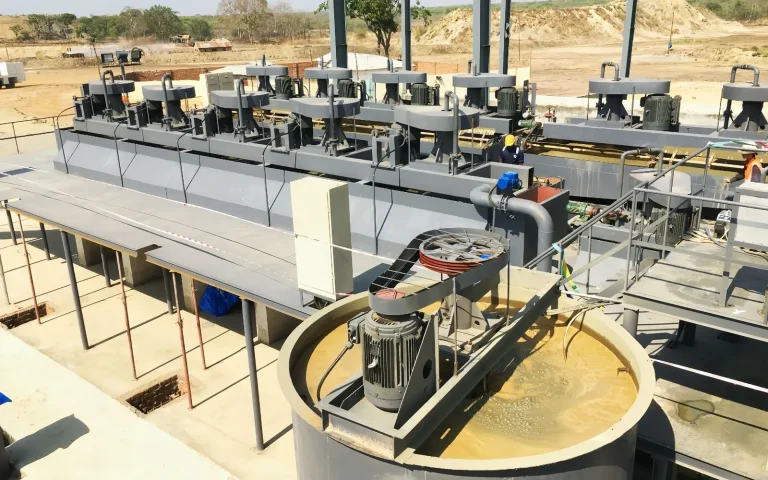
There are two types natural graphite ore include crystalline graphite and amorphous graphite

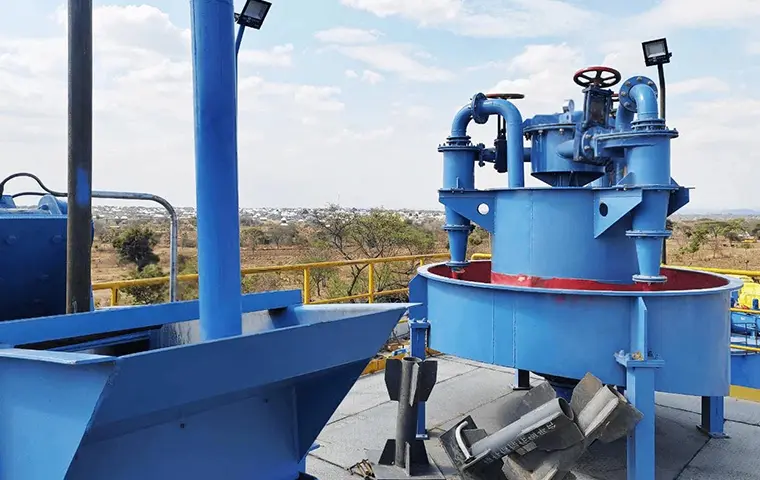
Capacity Target: Increase processing capacity from 500 TPD to 850 TPD in phases without halting production.
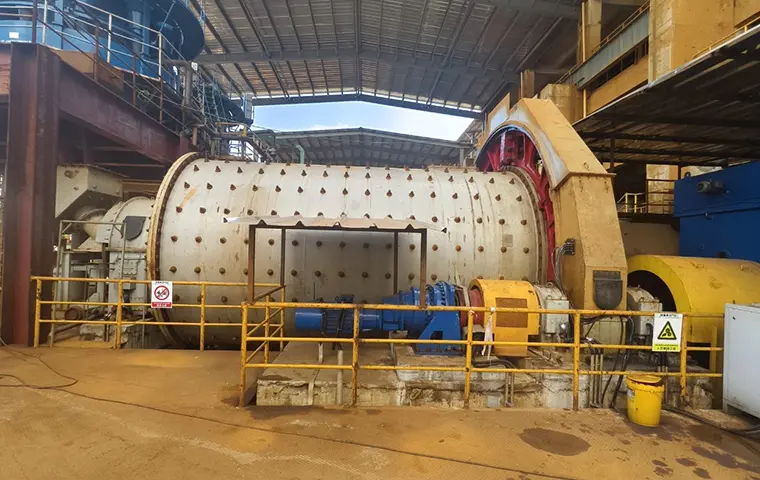
Located in Indonesia, this project focuses on the efficient regrinding of nickel ore to enhance mineral upgrading and deep processing. Prominer (Shanghai) Mining Technology Co., Ltd.
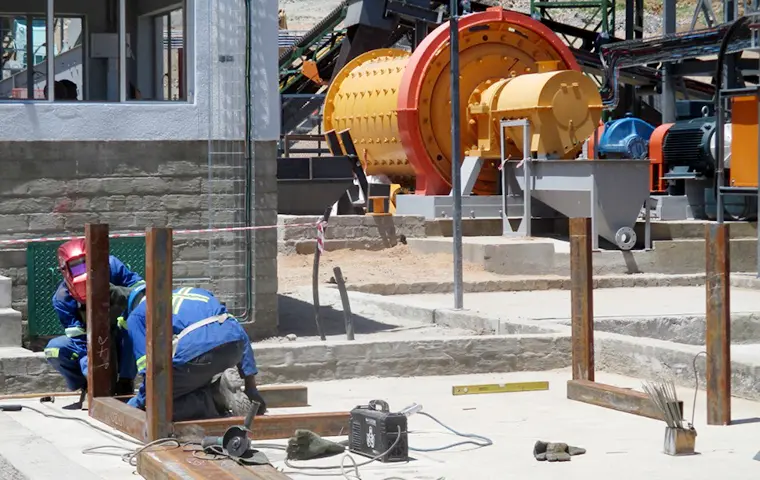
Raw Ore: High-Grade Crystalline Vein Graphite Ore Feed Grade: 18% C Concentrate Grade: 95% C (TGC)
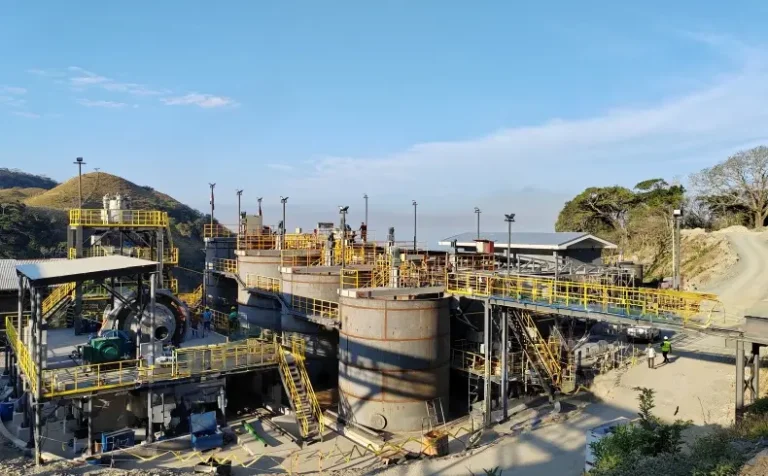
Raw Ore: Sulfide-Refractory Gold Ore (25% Sulfide) Gold Grade: 2.8-4.1 g/t Final Product: 99.99% Gold Ingot
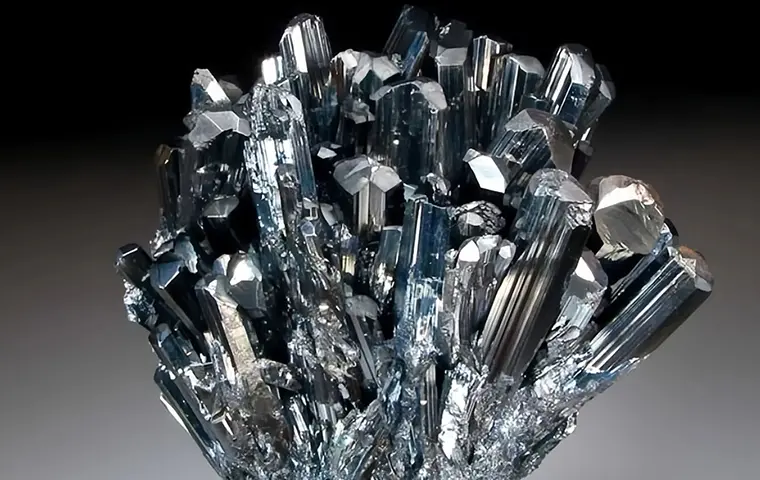
Raw Ore: Stibnite (Antimony Sulfide Ore) Sb Grade: 3.5% Concentrate Grade: 55% Sb
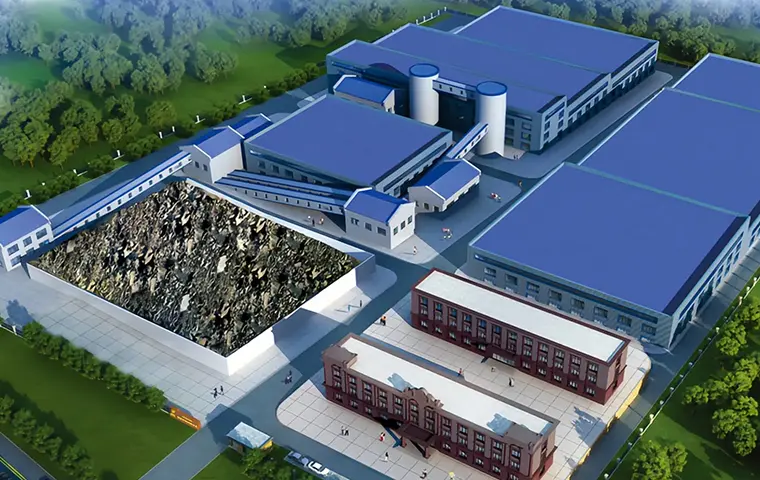
Raw Material: Natural Graphite Ore Concentrate Grade: 95% C TGC Final Product: Graphite Flotation Concentrate
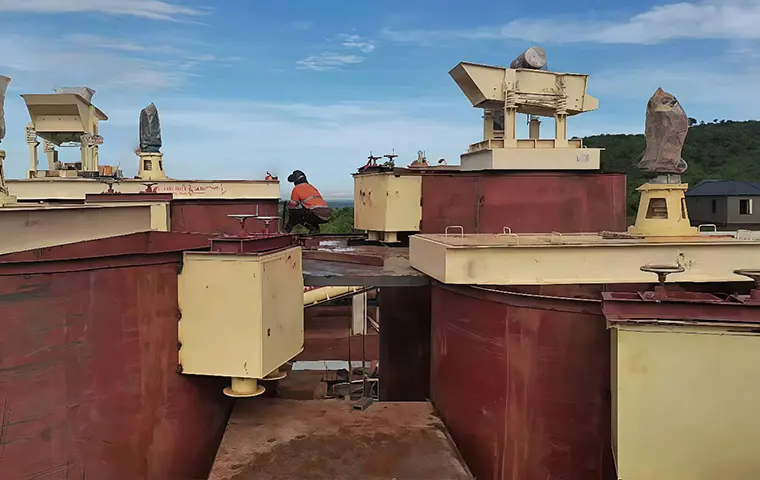
Raw Ore: Oxide Type Gold Ore Gold Grade: 3.5 g/t Gold Ingot Purity: 99.5%
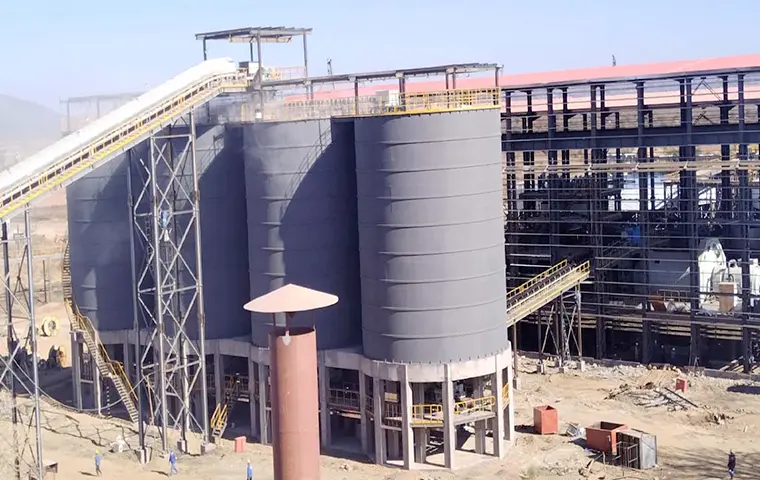
Raw Ore: Lithium-bearing pegmatite ore (mainly Spodumene) Li₂O Grade: 1.15% Concentrate Grade: 5.5% Li₂O
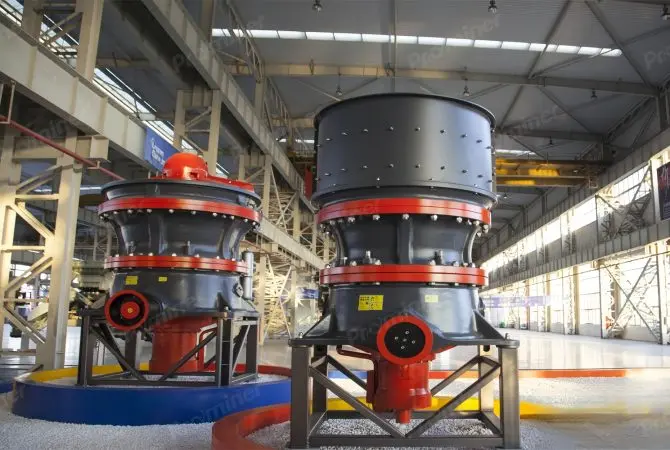
Single-cylinder hydraulic cone crusher have two series based on different cavity, S-cavity is designed
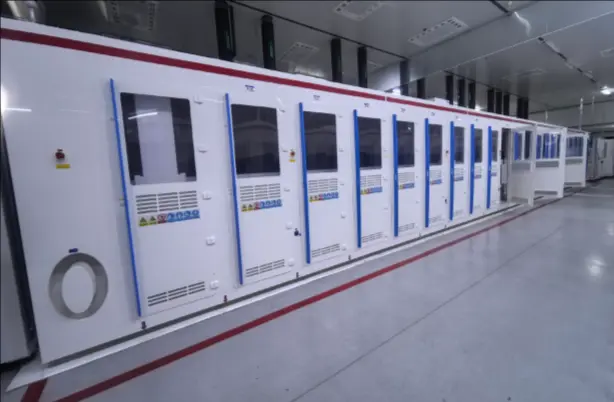
Include: Monocrystalline Batch Texturing Equipment, Batch Texturing Loader/Unloader, Low-Pressure…
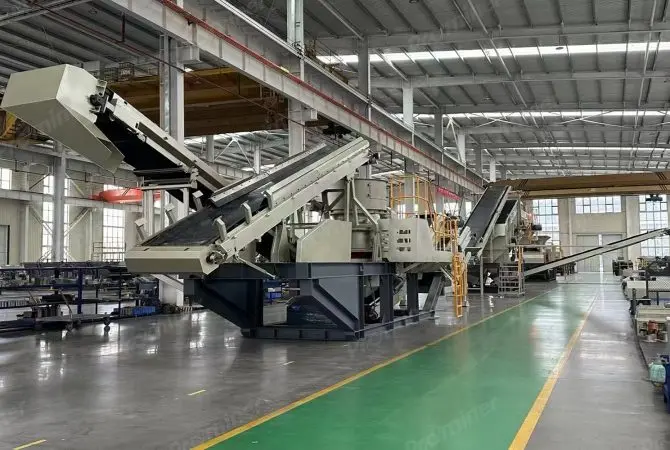
Skid mounted Portable Crusher, based on market requirements of easier moving from one site
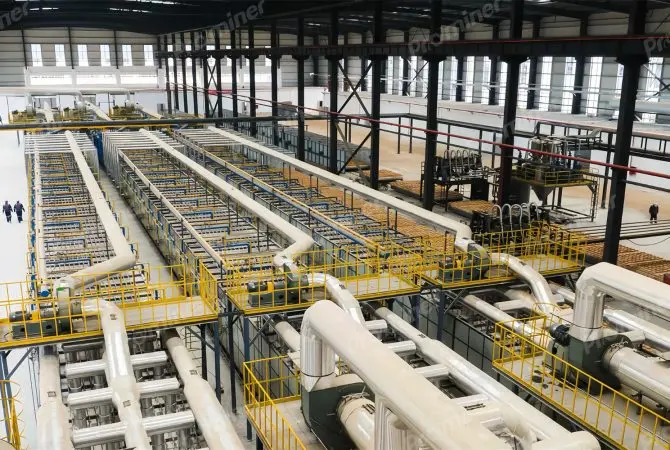
Prominer provides various types of furnaces for primary and secondary baking of carbon
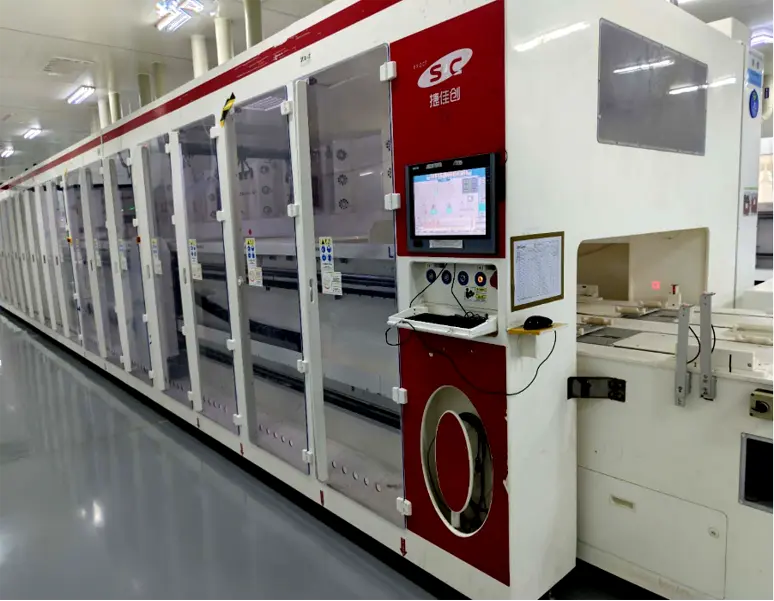
Such as: Boron diffusion furnace, BSG removal, Alkali polishing machine, PE-POLY…
To find out more about our products and solutions, please fll out the form below and one of our experts will get back to you shortly
3000 TPD Gold Flotation Project in Shandong Province
2500TPD Lithium Ore Flotation in Sichuan
Fax: (+86) 021-60870195
Address: No.2555,Xiupu Road, Pudong, Shanghai
Copyright © 2023. Prominer (Shanghai) Mining Technology Co.,Ltd.