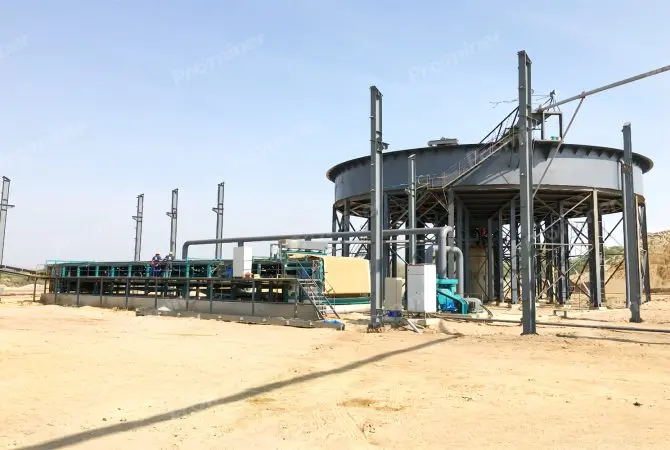

The demand from the industry over the years has been for special graphite and carbon with increasingly tighter


Carbonaceous gold ores are among the most difficult ores to treat in gold processing. The presence of naturally occurring carbonaceous matter (such as graphite or organic carbon) can significantly reduce gold recovery by adsorbing dissolved gold complexes (a phenomenon known as preg-robbing) and interfering with flotation selectivity. Optimizing the flotation process for these ores requires a targeted strategy that addresses both metallurgical and chemical challenges.
Below are key optimization strategies to improve flotation performance when treating challenging carbonaceous gold ore.
Effective optimization begins with detailed mineralogical and chemical analysis. Understanding the ore’s composition helps identify the causes of poor flotation performance.
Key aspects to evaluate include:
Techniques such as QEMSCAN, fire assay, carbon analysis, and diagnostic leaching provide critical insights for designing an appropriate flotation strategy.
Proper liberation is essential for maximizing gold recovery. However, overgrinding can increase slimes generation and worsen flotation selectivity, especially in carbon-rich ores.
Best practices include:
Balancing sufficient liberation with controlled slime production is critical for stable flotation performance.
Reagent selection plays a crucial role in separating gold-bearing sulfides from carbonaceous matter.
Collectors
Xanthates, dithiophosphates, or blended collectors can improve selectivity for sulfide minerals. Stronger collectors may be needed for refractory ores but must be carefully controlled to avoid floating carbon.
Depressants for Carbonaceous Matter
Depressants such as sodium silicate, carboxymethyl cellulose (CMC), dextrin, or modified starch can help reduce carbon flotation. Kerosene or diesel should be carefully managed, as they may enhance unwanted carbon flotation.
Frothers
Frother type and dosage should be optimized to control bubble size and froth stability. Excessively stable froth can increase entrainment of carbonaceous particles.
Laboratory flotation tests are essential to determine the optimal reagent combination and dosage.
Pulp chemistry significantly affects flotation selectivity and gold recovery.
Important factors include:
Careful monitoring and control of pH and reagent conditioning time can improve both recovery and concentrate grade.
Preg-robbing carbon can adsorb dissolved gold during downstream cyanidation, reducing overall recovery even if flotation performance is acceptable.
Mitigation strategies include:
A combined flotation and hydrometallurgical strategy is often required for maximum gold recovery.
Flowsheet design can significantly influence flotation efficiency in carbonaceous ores.
Options include:
Pilot-scale testing is strongly recommended before full-scale implementation.
Advanced process control helps maintain stable flotation performance despite feed variability.
Key measures include:
Data-driven optimization enables rapid response to ore variability and improves long-term stability.
Optimizing flotation for challenging carbonaceous gold ore requires a multi-faceted approach that integrates mineralogical understanding, reagent chemistry, pulp chemistry control, and circuit design. Because carbonaceous matter interferes with both flotation and downstream gold recovery, successful treatment often combines flotation optimization with preg-robbing mitigation strategies.
Through systematic test work, careful reagent selection, and robust process control, operators can significantly improve gold recovery and concentrate quality—even when treating highly refractory carbonaceous ores.
A: Mineral characteristics vary significantly even within the same ore body. A professional test (such as chemical analysis, XRD, and SEM) ensures the flowchart is optimized for your specific ore grade and liberation size. This prevents costly equipment mismatches and guarantees the highest possible recovery rates for your project.
A: We maintain a permanent stock of core wear parts (such as crusher liners, screen meshes, and grinding media). For international clients, we provide a recommended “2-year spare parts list” with the initial purchase. Technical support is available 24/7 via remote video, and site visits can be arranged for complex maintenance needs.
A: Yes. We send a team of senior mechanical and electrical engineers to the site to oversee the installation, commissioning, and load testing of the equipment. We also provide comprehensive on-site training for your local operators to ensure smooth long-term operation.
A: Absolutely. We specialize in providing EPCM (Engineering, Procurement, Construction Management) services. This includes everything from initial ore testing and mine design to equipment manufacturing, logistics, and full-scale plant integration, ensuring a seamless transition from greenfield to production.
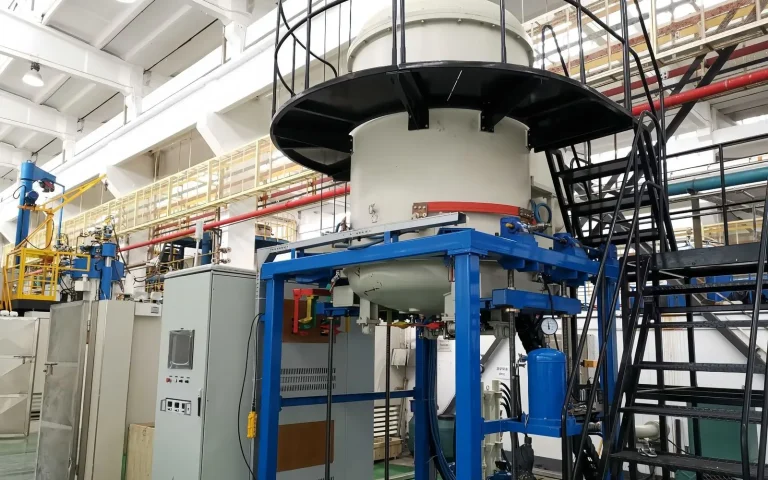
The demand from the industry over the years has been for special graphite and carbon with increasingly tighter
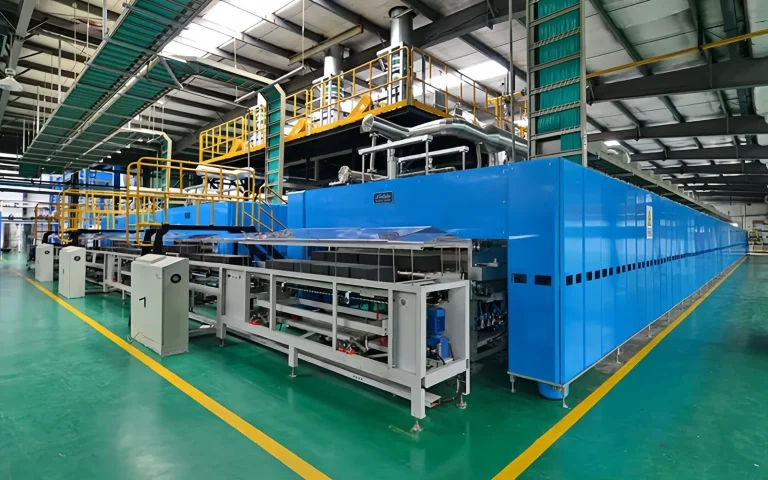
Artificial graphite anode material are mainly made from high quality low sulphur content petroleum coke
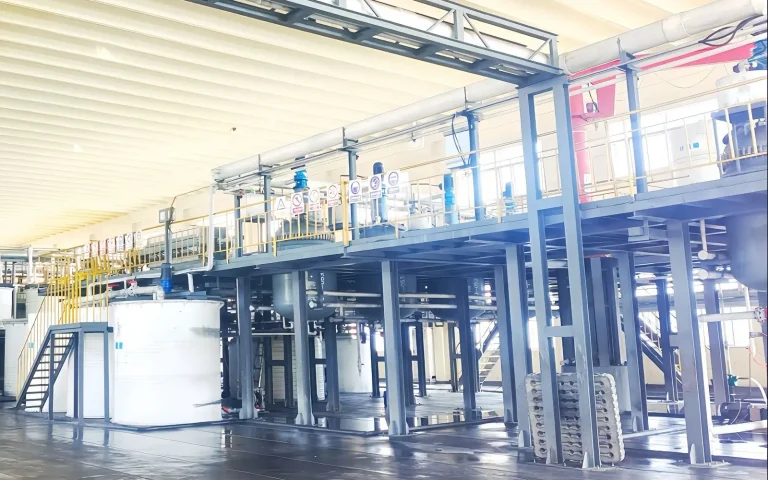
Flake graphite can be used to produce high carbon graphite, high purity graphite, expandable graphite

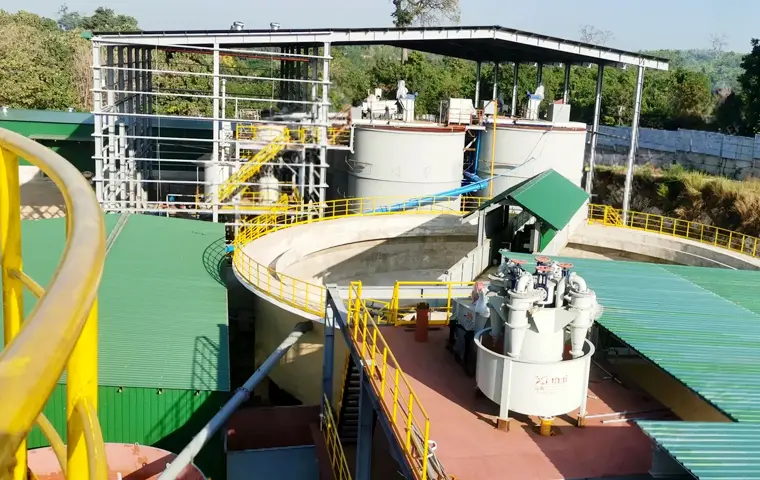
Raw Ore: Dual Oxide & Sulfide Gold Ore (Refractory in parts) Gold Grade: 3.5-4.2 g/t Final Product: Gold Doré (Au ≥96.5%)
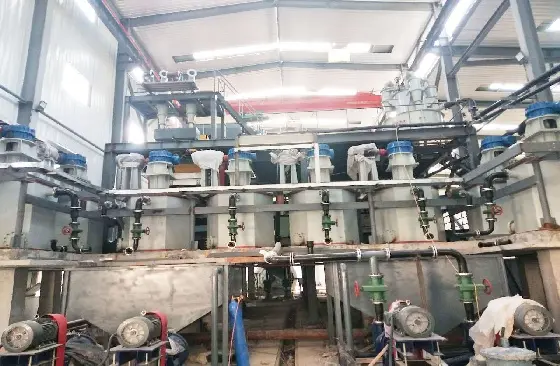
Raw Material: Quartzite Rock (SiO₂: 97.8%) Photovoltaic Grade: SiO₂≥99.99%, Fe₂O₃≤10ppm
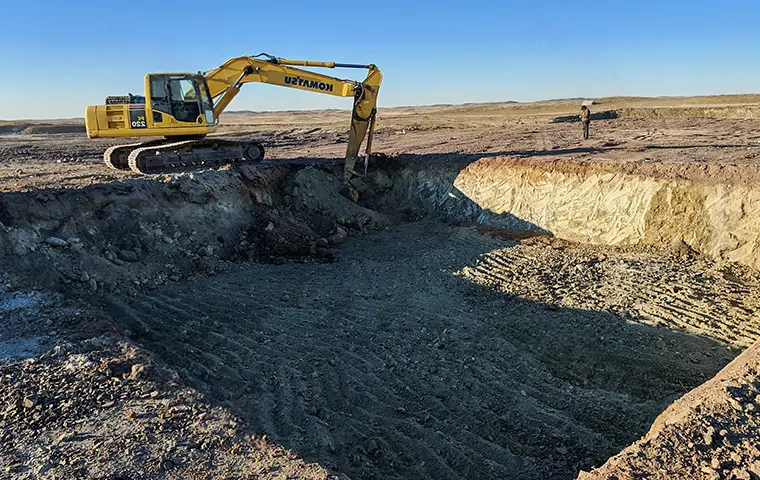
Raw Material: Gold mine tailings slurry from CIL plant Tailings Solids Content: 35-40% Final Stacking Density: 1.6-1.8 t/m³
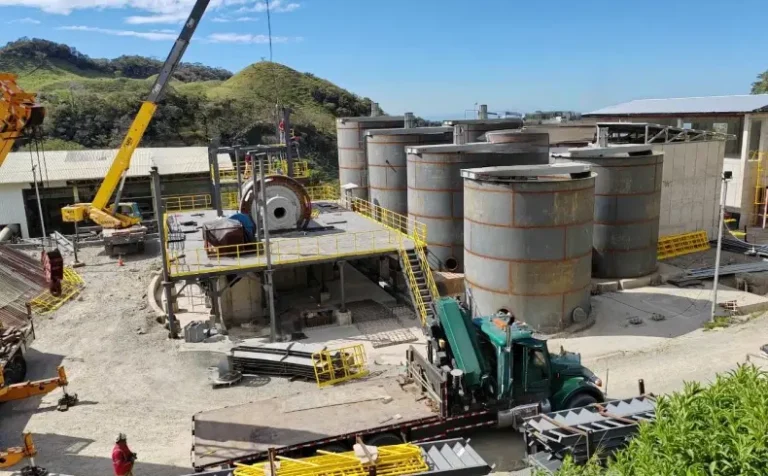
Raw Ore: Oxide-Sulfide Mixed Gold Ore Gold Grade: 3.5-7 g/t Gold Ingot Purity: 99.5%
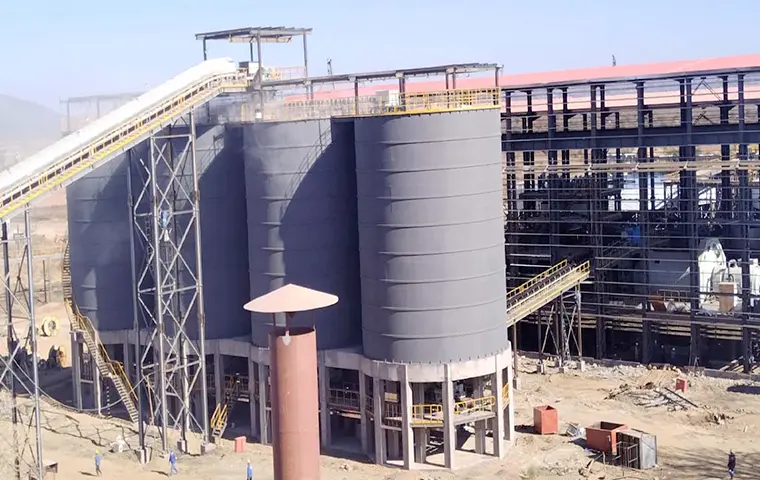
Raw Ore: Lithium-bearing pegmatite ore (mainly Spodumene) Li₂O Grade: 1.15% Concentrate Grade: 5.5% Li₂O
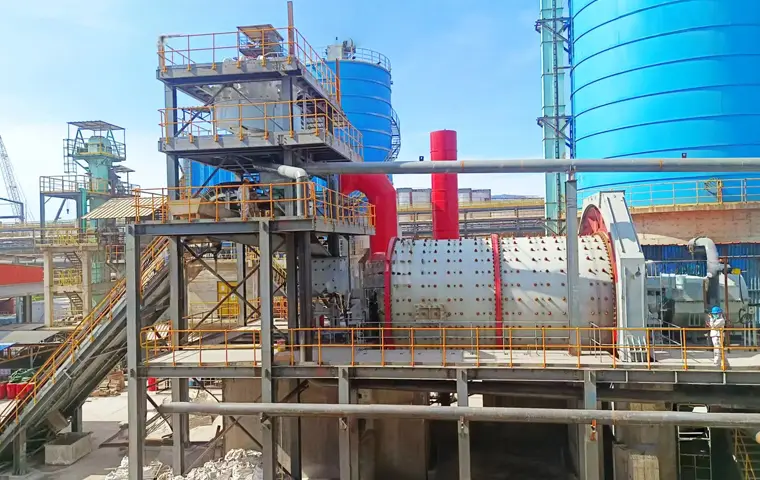
Raw Material: High-Calcium Limestone Final Product: Cement Raw Material Powder (200 mesh) & Construction Aggregate
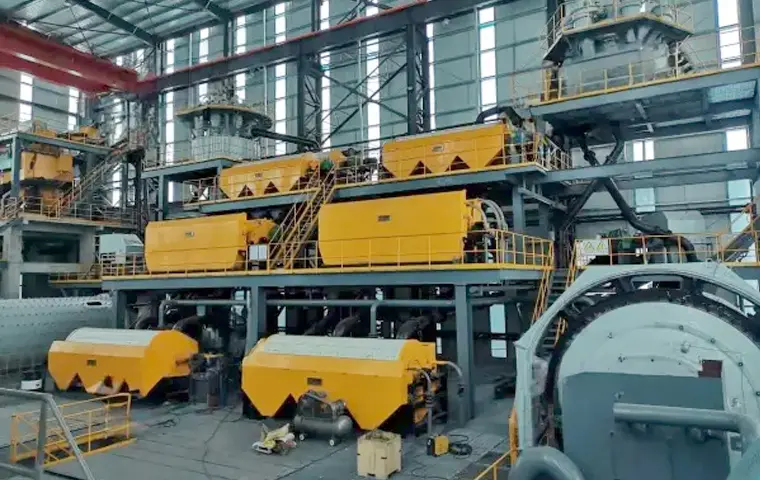
Raw Ore: Magnetite Iron Ore with Hematite Banding Fe Grade: 28-32% Final Product: High-Grade Iron Concentrate
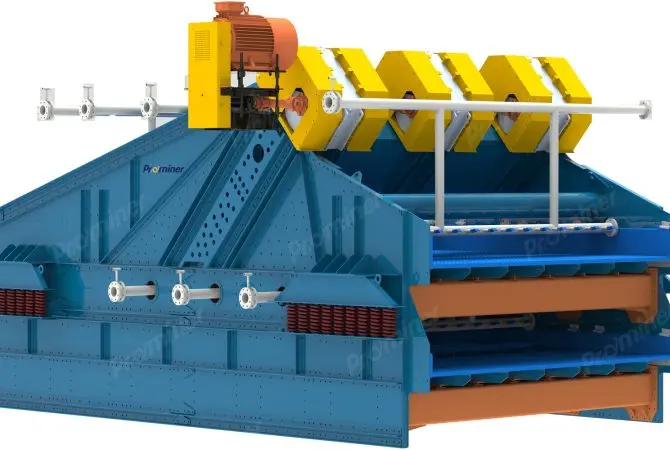
Prominer can provide all kinds of linear screen for mineral grading, material sizing, dewatering
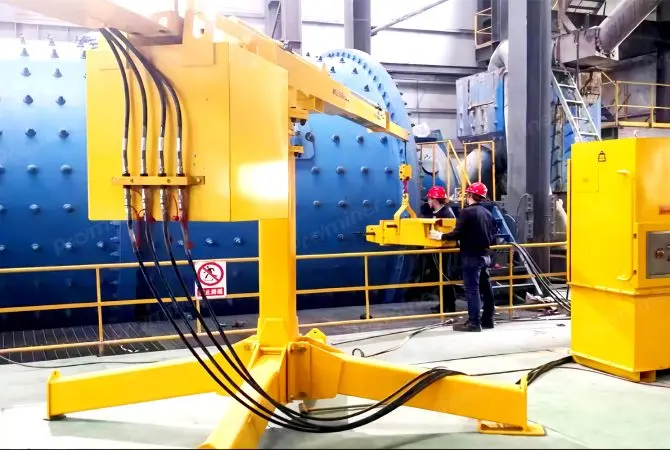
We can manufacture the highly automated and powerful recoilless Bolt Hammer to remove
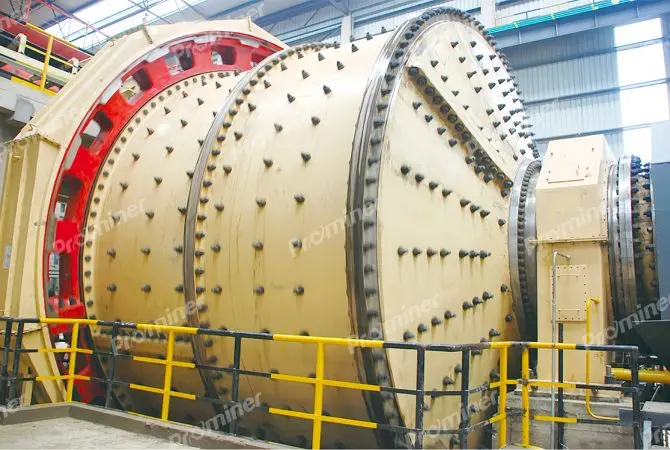
AG/SAG is short for autogenous mill and semi-autogenous mill, it combines with two functions of crushing
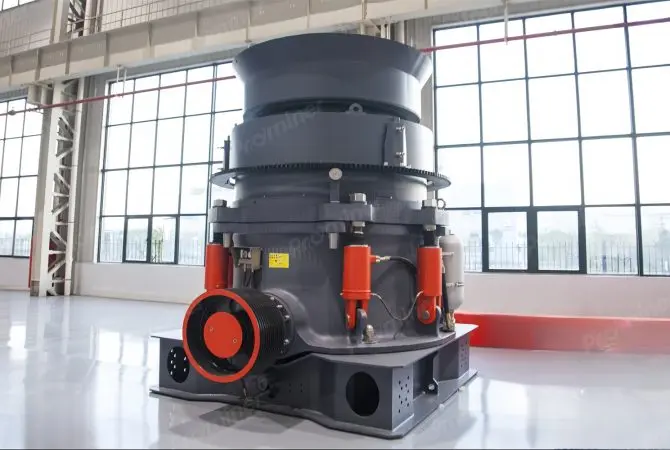
Multi-cylinder hydraulic cone crusher combines crusher speed, eccentricity and cavity profile
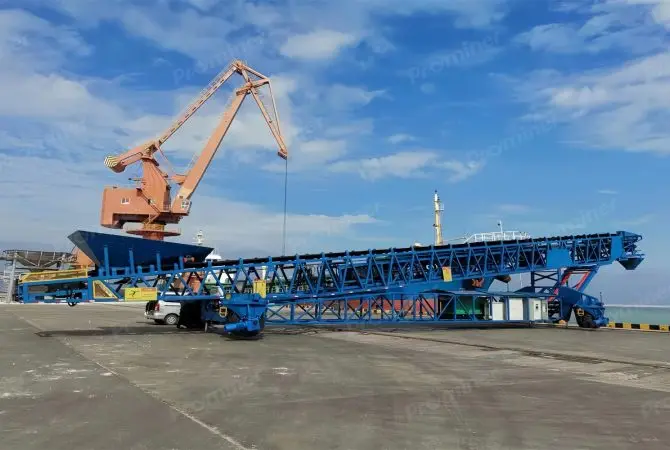
Our engineer team can design and manufacture the mobile type radial stacker, loader
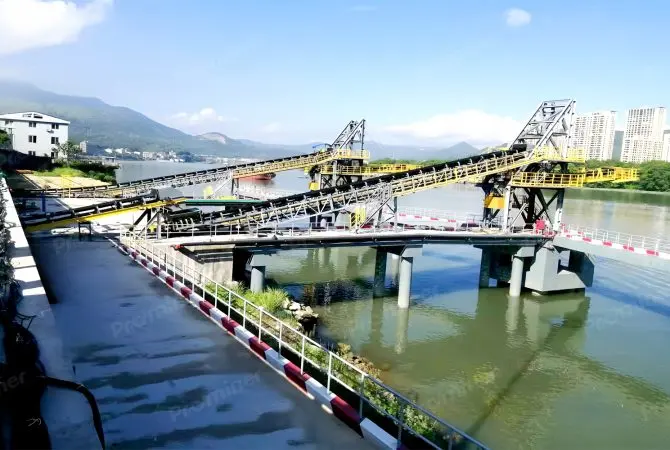
We can provide the solution of belt conveyors for different purposes include steeply inclined belt conveyor
To find out more about our products and solutions, please fll out the form below and one of our experts will get back to you shortly
3000 TPD Gold Flotation Project in Shandong Province
2500TPD Lithium Ore Flotation in Sichuan
Fax: (+86) 021-60870195
Address: No.2555,Xiupu Road, Pudong, Shanghai
Copyright © 2023. Prominer (Shanghai) Mining Technology Co.,Ltd.