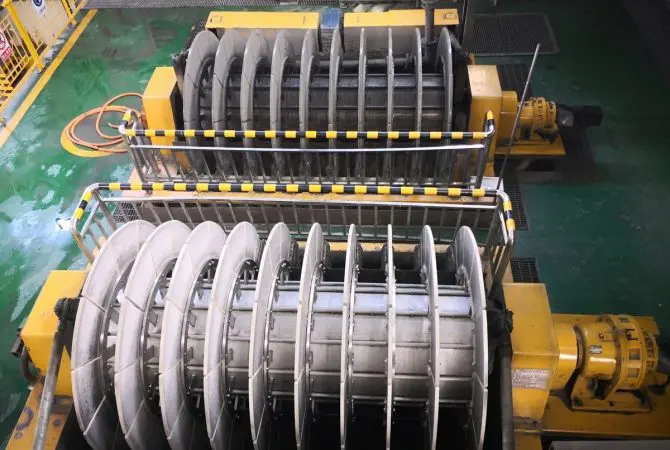

Provide the complete solution for making graphite anode materials include grinding, shaping, purification…


Molybdenum is a critical metal used in steel alloys, catalysts, lubricants, and renewable energy technologies. Most molybdenum is recovered from molybdenite (MoS₂) using froth flotation, a method that exploits its natural hydrophobicity. However, not all molybdenum ores respond well to conventional flotation. Refractory molybdenum ores present significant processing challenges, often leading to low recovery rates and poor concentrate grades. Understanding why conventional flotation fails is key to developing effective treatment strategies.
One of the primary reasons flotation fails in refractory molybdenum ores is complex mineralogy. In many deposits, molybdenite is finely disseminated within gangue minerals such as quartz, feldspar, or carbonate matrices. The fine grain size makes it difficult to achieve adequate liberation without excessive grinding.
Overgrinding creates ultrafine particles (slimes), which negatively affect flotation performance. Fine particles have low collision efficiency with air bubbles and are easily entrained into tailings. As a result, valuable molybdenum is lost, reducing overall recovery.
Molybdenite is naturally hydrophobic, which allows it to float readily without strong collectors. However, when the mineral surface becomes oxidized, its hydrophobic properties decrease significantly.
Oxidation can occur during mining, stockpiling, or grinding. Oxidized molybdenum species, such as molybdates, are hydrophilic and do not respond well to conventional flotation reagents. This surface alteration prevents proper bubble attachment and reduces flotation efficiency.
Many molybdenum ores are polymetallic, commonly associated with copper sulfides such as chalcopyrite. In porphyry copper deposits, molybdenum is often recovered as a by-product. The separation of molybdenite from copper sulfides can be challenging.
Conventional flotation may fail due to:
Selective separation requires precise reagent control and optimized pH conditions. In refractory ores, this balance is difficult to maintain.
Clay minerals such as kaolinite, illite, or montmorillonite are common in refractory ores. These clays create multiple problems during flotation:
Clay coatings prevent direct contact between molybdenite particles and air bubbles, reducing recovery. Additionally, slime particles can consume reagents and destabilize the froth, further impairing separation efficiency.
Some refractory molybdenum ores contain organic carbon or graphite, which are naturally hydrophobic and float easily. These materials contaminate the molybdenum concentrate, lowering product quality.
Conventional flotation methods struggle to differentiate between molybdenite and carbonaceous materials because both exhibit similar surface properties. This leads to poor concentrate grades and increased downstream processing costs.
Standard flotation reagent schemes are typically designed for clean, well-liberated molybdenite. Refractory ores often require customized reagent regimes. Conventional collectors, frothers, and depressants may not be sufficient to:
Without tailored chemical strategies, flotation performance remains suboptimal.
Water quality plays a crucial role in flotation. Dissolved ions such as calcium, magnesium, or iron can interact with mineral surfaces and reagents, altering flotation behavior. In refractory systems, these interactions are more pronounced and may:
Improper pH control or redox conditions can further exacerbate these issues, leading to inconsistent results.
To address the limitations of conventional flotation, several strategies are often employed:
A thorough mineralogical and chemical characterization of the ore is essential before designing a process flow sheet.
Conventional flotation methods fail in refractory molybdenum ores primarily due to complex mineralogy, fine particle size, surface oxidation, clay interference, and challenging mineral associations. These factors disrupt the natural hydrophobic behavior of molybdenite and reduce separation efficiency.
Successfully processing refractory molybdenum ores requires a deeper understanding of mineral surface chemistry and a tailored approach to reagent selection and process optimization. With proper adaptation, even the most challenging ores can be economically treated.
A: Mineral characteristics vary significantly even within the same ore body. A professional test (such as chemical analysis, XRD, and SEM) ensures the flowchart is optimized for your specific ore grade and liberation size. This prevents costly equipment mismatches and guarantees the highest possible recovery rates for your project.
A: We maintain a permanent stock of core wear parts (such as crusher liners, screen meshes, and grinding media). For international clients, we provide a recommended “2-year spare parts list” with the initial purchase. Technical support is available 24/7 via remote video, and site visits can be arranged for complex maintenance needs.
A: Yes. We send a team of senior mechanical and electrical engineers to the site to oversee the installation, commissioning, and load testing of the equipment. We also provide comprehensive on-site training for your local operators to ensure smooth long-term operation.
A: Absolutely. We specialize in providing EPCM (Engineering, Procurement, Construction Management) services. This includes everything from initial ore testing and mine design to equipment manufacturing, logistics, and full-scale plant integration, ensuring a seamless transition from greenfield to production.
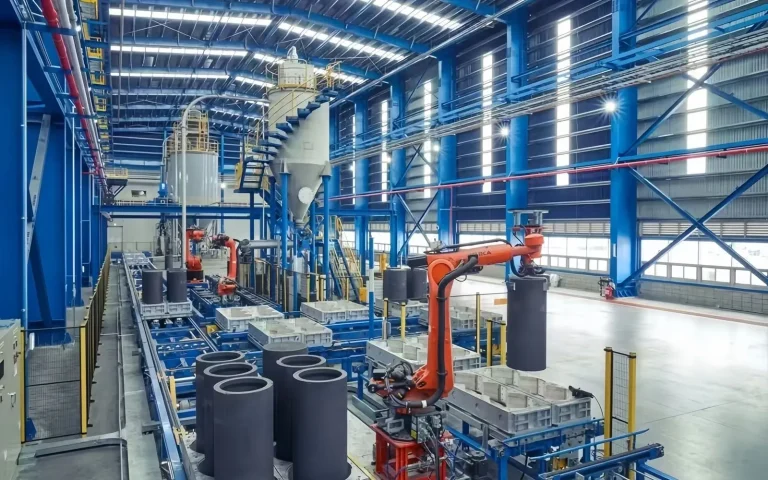
Provide the complete solution for making graphite anode materials include grinding, shaping, purification…
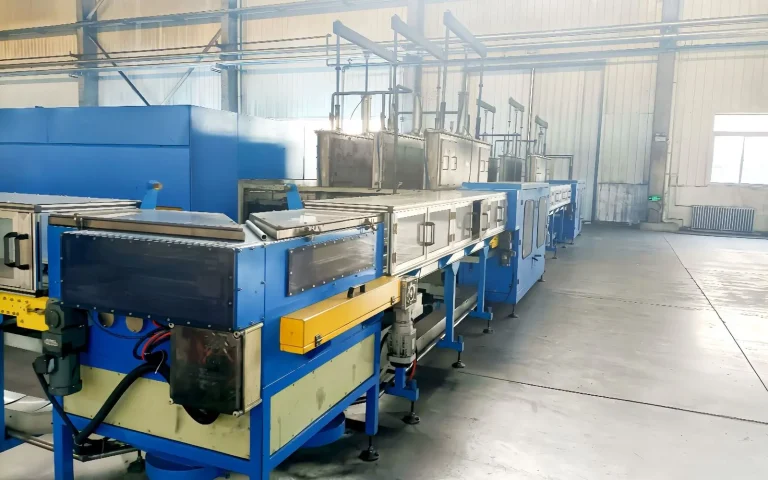
Hard carbon anode material is the most preferred materials for commercialization of sodium-ion battery
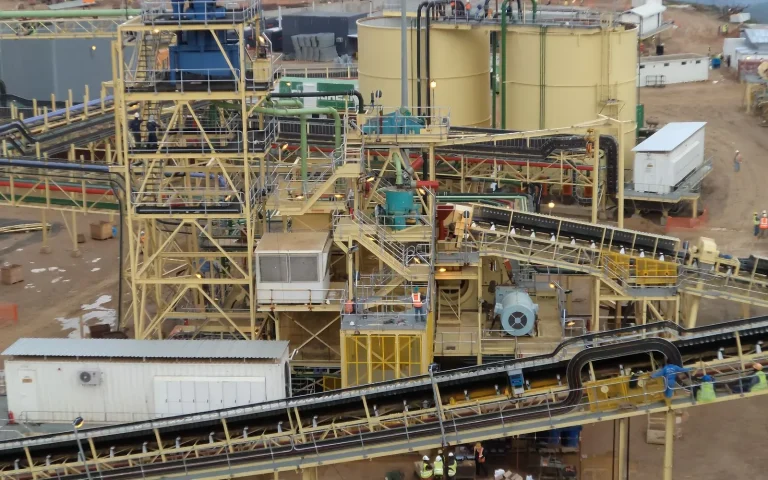
Flotation is the most popular processing way in gold ore processing project. Because the flotation process

Raw Ore: Alluvial gold ore from river bed Gold Grade: 0.8 g/t
Raw Ore: Oxide Type Gold Ore Gold Grade: 3.5 g/t Gold Ingot Purity: 96%
Located in Guinea, this large-scale project features a processing capacity of 15,000 TPD (Tons Per Day).
Raw Ore: Limonite Type Laterite Nickel Ore Ni Grade: 1.2% Co Grade: 0.12%
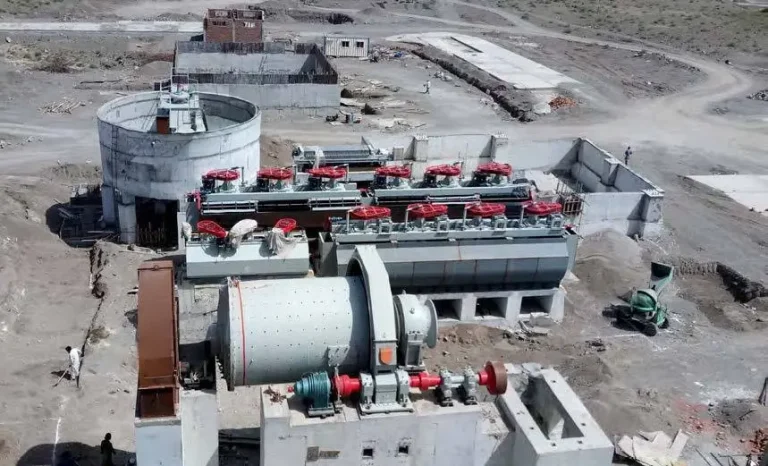
Raw Ore: Mixed Oxide-Sulfide Copper Ore (Chalcocite/Malachite) Copper Grade: 1.2% | Silver: 15g/t
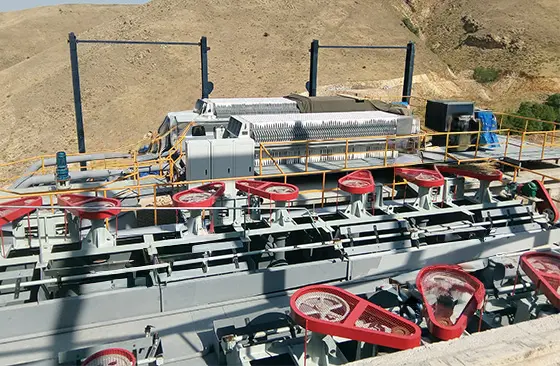
Raw Ore: Siliceous-Phosphate with Magnetite Inclusions Feed Composition: P₂O₅: 19-23%;Fe₂O₃: 8-12%;SiO₂: 25-35%;CaO: 32-38%
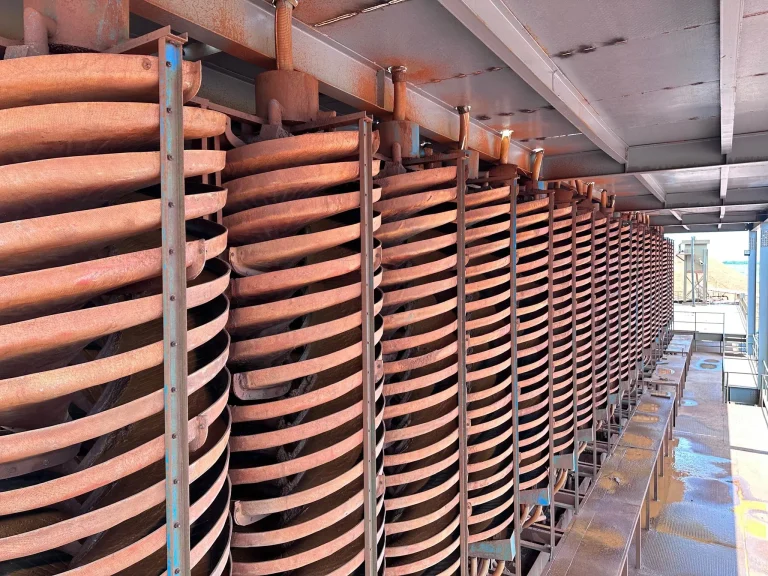
Raw Ore: Titanium Zirconium Beach Sand Ore TiO₂ Grade: 4.5% ZrO₂ Grade: 3.2%
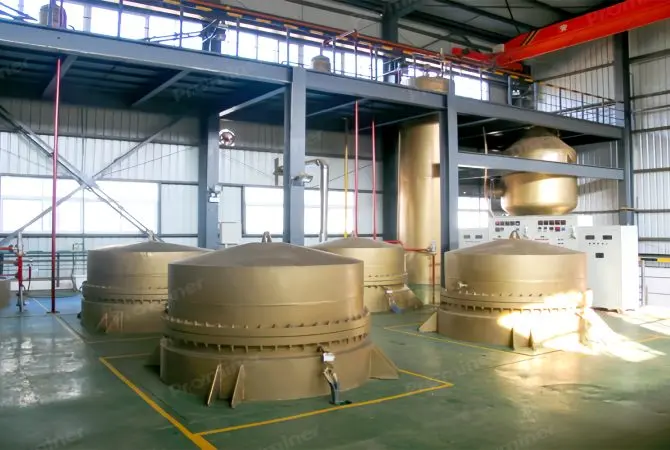
Prominer can design and provide the complete refinery and smelting system for gold CIL project
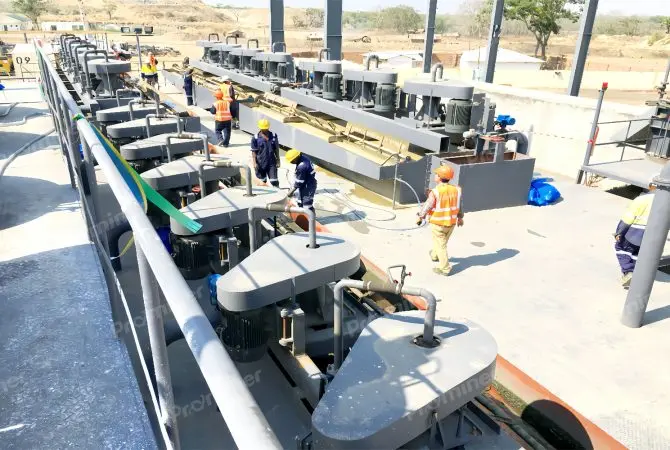
Prominer can provide SF series self-priming flotation machine and XCF/KYF series pneumatic flotation cell
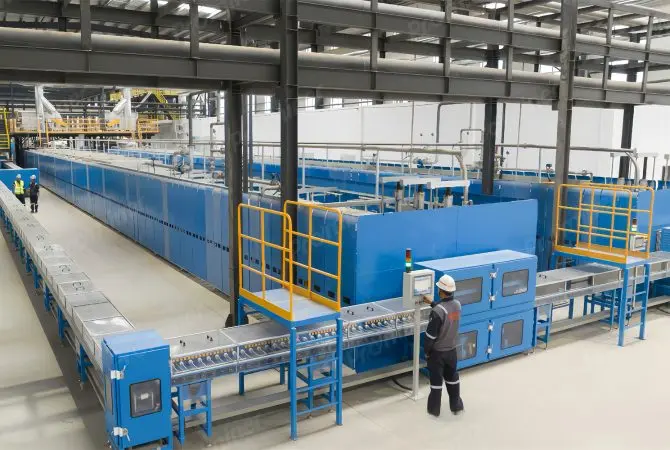
We can provide the complete solution for high temperature carbonization treatment system
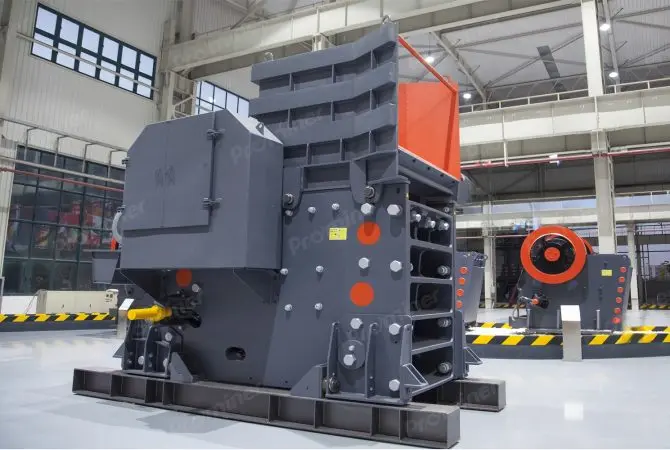
Jaw Crusher, its opening size determines its max feeding size. The crushing chamber of a jaw crusher
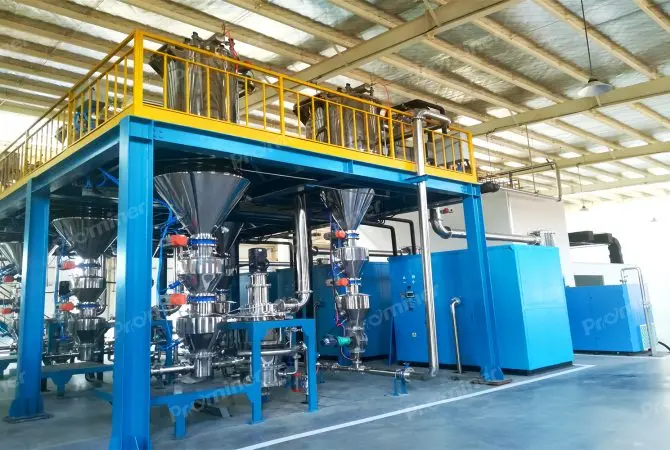
Jet mill is also called fluidized bed jet mill by using multiple nozzles to form sonic speed air flow
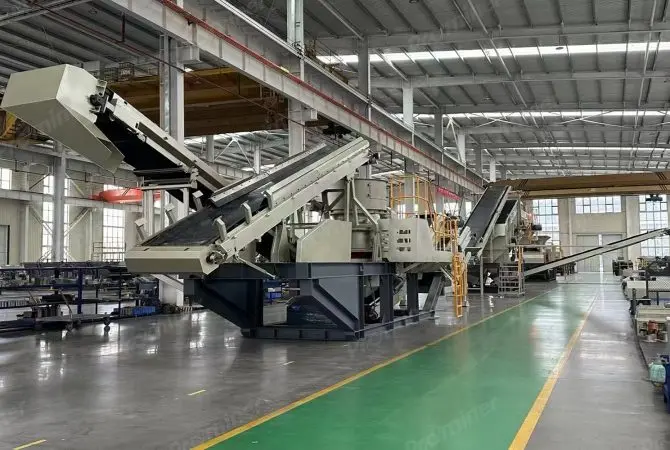
Skid mounted Portable Crusher, based on market requirements of easier moving from one site
To find out more about our products and solutions, please fll out the form below and one of our experts will get back to you shortly
3000 TPD Gold Flotation Project in Shandong Province
2500TPD Lithium Ore Flotation in Sichuan
Fax: (+86) 021-60870195
Address: No.2555,Xiupu Road, Pudong, Shanghai
Copyright © 2023. Prominer (Shanghai) Mining Technology Co.,Ltd.