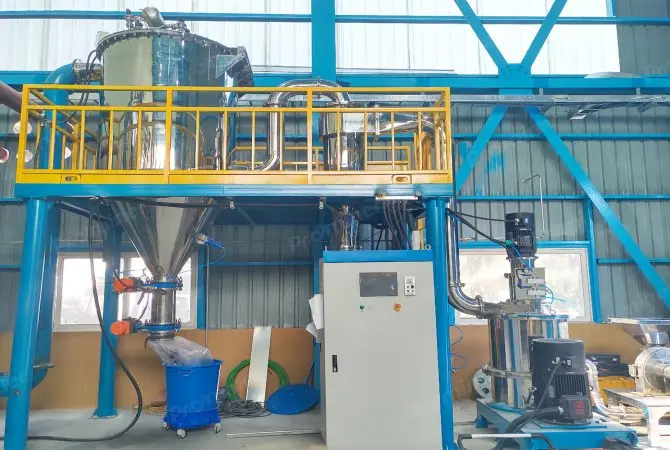
Silicon based anode is one kind of composite anode material by compounding silicon




Designing a mineral processing plant is a complex task that requires balancing technical performance, economic viability, safety, and environmental responsibility. Each plant must be tailored to the specific ore body, location, and production goals. Below are the key considerations that guide successful mineral processing plant design.
Understanding the ore body is the foundation of plant design. Detailed mineralogical and metallurgical studies determine:
These factors influence the selection of crushing, grinding, separation, and dewatering equipment. Variability in ore composition must also be considered to ensure the plant can handle fluctuations without major performance losses.
The process flow sheet defines how raw ore is transformed into a marketable product. It includes:
Extensive laboratory and pilot-scale testing are typically required to validate the selected process. The goal is to maximize recovery and product quality while minimizing energy, reagent, and water consumption.
Plant capacity must align with production targets and mine life. Designers must consider:
Building flexibility into the design allows for upgrades or increased capacity as market conditions or ore reserves change.
Equipment must be selected based on reliability, efficiency, and compatibility with the process flow. Important considerations include:
Plant layout should optimize material flow, minimize material handling, and ensure safe access for operation and maintenance. Proper layout also reduces bottlenecks and operational downtime.
Mineral processing plants are resource-intensive. Efficient management of water and energy is critical for both cost control and environmental compliance.
In remote areas, power supply reliability and alternative energy options must also be evaluated.
Environmental regulations significantly influence plant design. Key areas include:
Early integration of environmental safeguards ensures smoother permitting processes and reduces long-term liabilities.
Modern mineral processing plants rely heavily on automation to improve efficiency and consistency. Advanced control systems can:
Automation enhances productivity, reduces human error, and supports data-driven decision-making.
Safety must be integrated into every stage of design. This includes:
Designing for safety not only protects workers but also reduces downtime and legal risks.
Capital expenditure (CAPEX) and operating expenditure (OPEX) must be carefully evaluated. Designers should consider:
A well-designed plant balances upfront investment with long-term operational efficiency and profitability.
Designing a mineral processing plant requires a multidisciplinary approach that integrates geology, metallurgy, engineering, environmental science, and economics. By carefully considering ore characteristics, process design, equipment selection, sustainability, and safety, companies can develop efficient, compliant, and cost-effective operations that remain viable throughout the life of the mine.
A: For graphite resources, a complete solution should cover both natural graphite flotation and deep processing. The ball mill and hydrocyclone system serve as the basic grinding stage. For advanced anode material production, the shaping mill is essential to improve tap density and reduce specific surface area. Additionally, the Prominer coating system, which combines coating and granulation functions, is a key step in processing high-profit anode materials.
A: Process selection depends entirely on the ore’s characteristics. The Gold CIL/CIP process is a very popular and effective way to process high-grade oxide type gold ore. For many other gold projects, flotation remains the most popular processing method. For owners looking to save investment at the initial stage, vat leaching or heap leaching are flexible and economic options. We recommend starting with a lab & pilot test to determine the most efficient and scientific process flow.
A: Magnetic separation is critical for mineral upgrading. We provide both HIMS (High Intensity) and LIMS (Low Intensity) magnetic separators to handle different mineral magnetic properties. In an optimized plant design, this technology is integrated with a high-performance crushing system—utilizing single-cylinder or multi-cylinder hydraulic cone crushers—and a grinding system. This ensures that waste rock is rejected early, significantly improving productivity and saving energy.
A: Designing a successful plant requires a comprehensive EPC (Engineering, Procurement, and Construction) service. Key considerations include engineering design (site surveys, sampling guidance, and PFD drawings) and equipment customization to ensure machinery matches the specific ore characteristics. For example, Prominer can customize linear screens up to 5.1m in width for large-scale grading and dewatering. Finally, professional on-site services, including civil work supervision and commissioning, are vital for long-term stable operation.
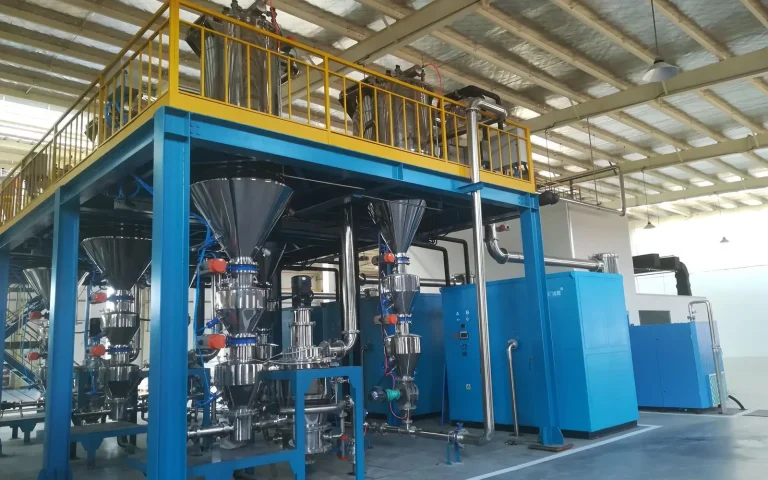
Silicon based anode is one kind of composite anode material by compounding silicon
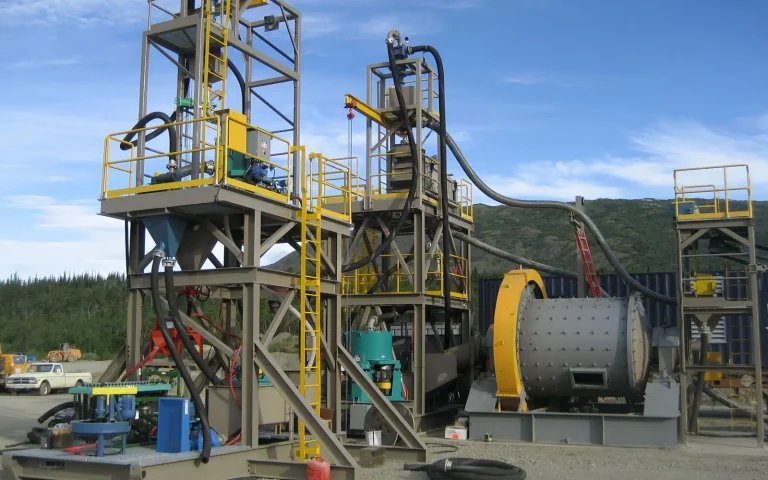
The best-known of the exogenetic ores is alluvial gold which also called placer gold. Alluvial gold refers
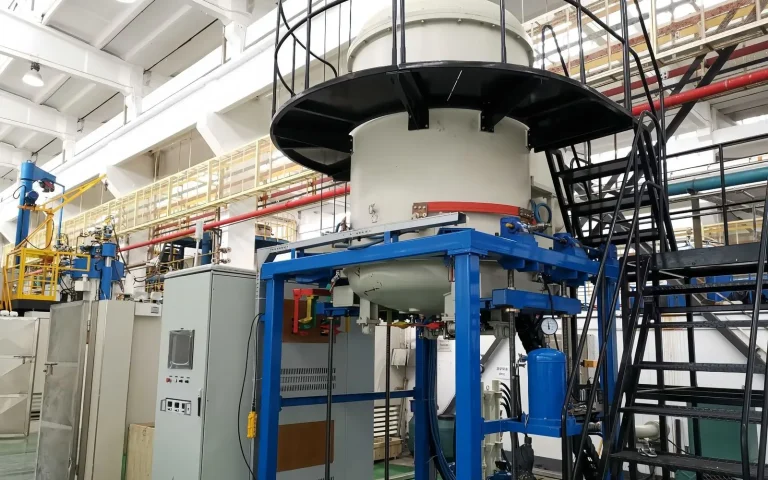
The demand from the industry over the years has been for special graphite and carbon with increasingly tighter

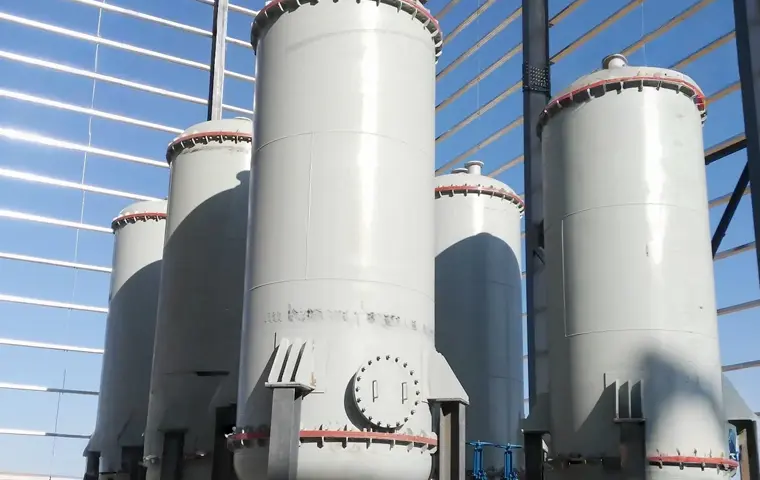
Raw Ore: Sulfide Type Gold Ore Gold Grade: 1.2 g/t Operating Altitude: 4,200 meters
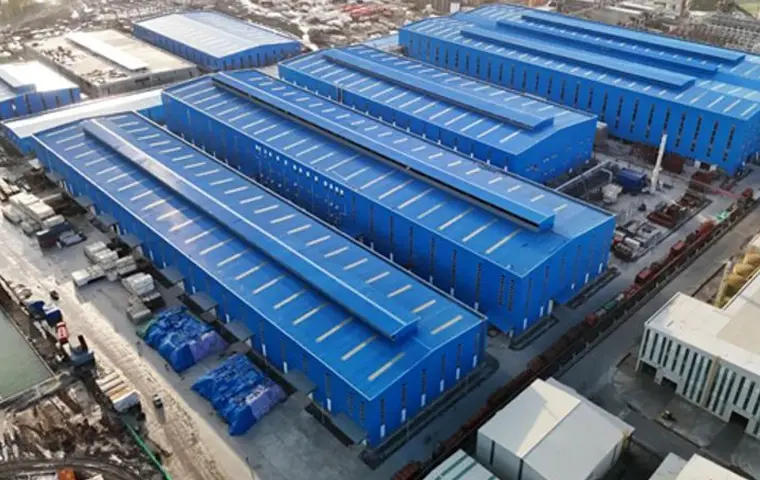
Raw Material: Petroleum Coke, Needle Coke, Pitch Binder Project Capacity: 50,000 Tons Per Annum
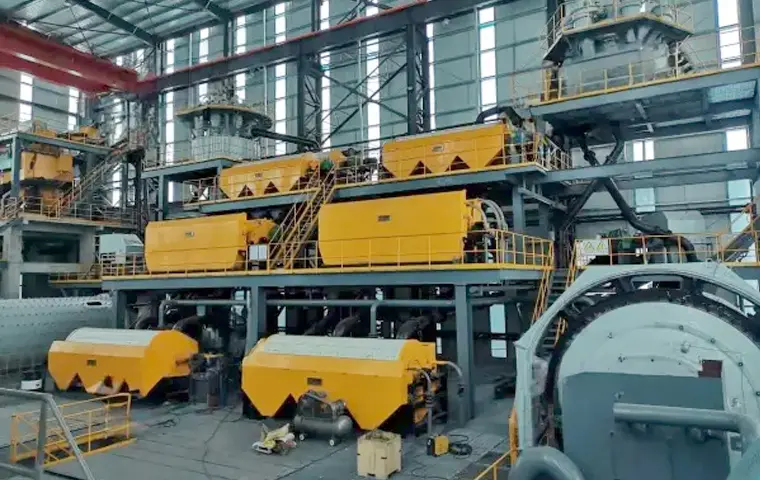
Raw Ore: Magnetite Iron Ore with Hematite Banding Fe Grade: 28-32% Final Product: High-Grade Iron Concentrate
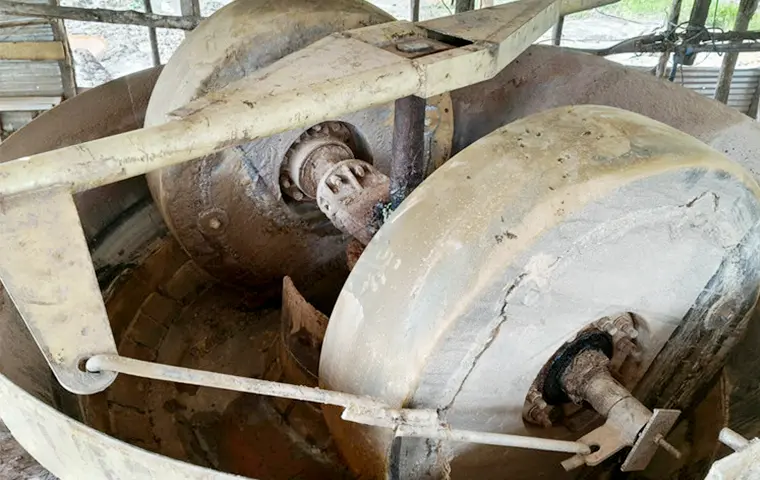
Raw Ore: Alluvial gold ore / Vein gold ore after crushing Gold Grade: 1.5 – 2.5 g/t Gold Ingot Purity: ≥ 90%
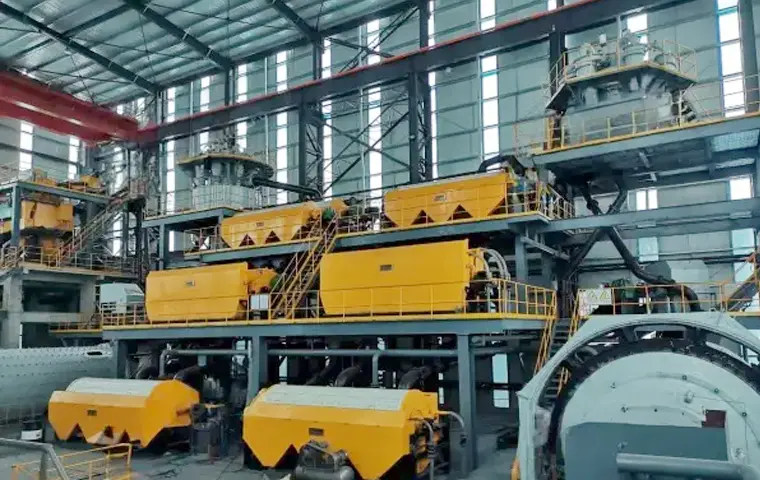
Raw Ore: Magnetite Iron Ore with Hematite Banding Fe Grade: 28-32% Final Product: High-Grade Iron Concentrate
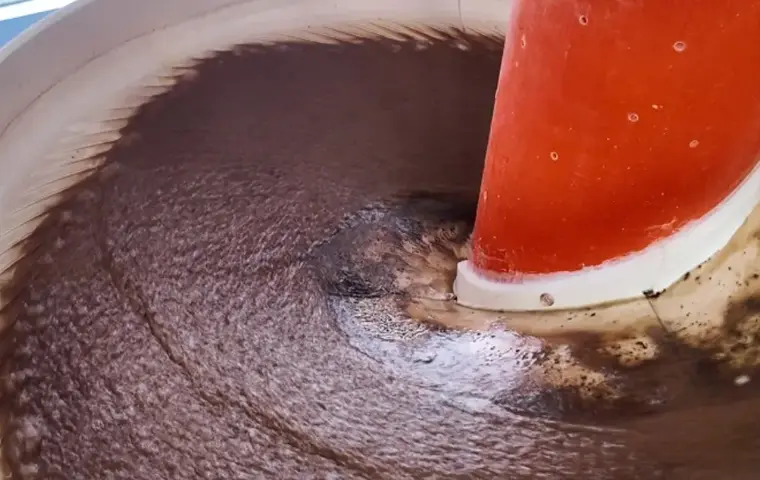
Raw Material: Iron ore tailings Processing Capacity: 800 tons per day
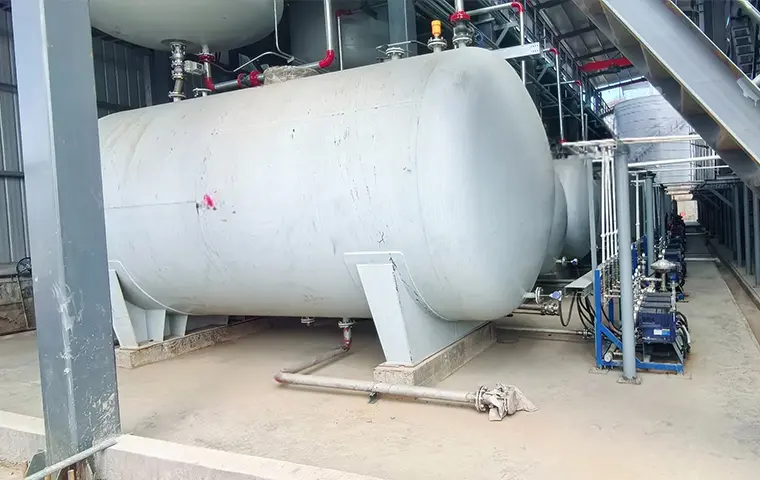
Raw Ore: Spodumene Lithium Ore Li2O Grade: 1.5% Concentrate Grade: 6.0%
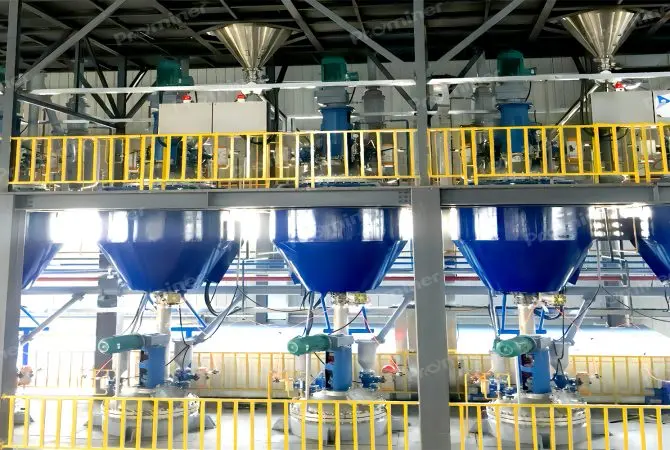
Our granulation reactor combines the coating and granulation processing functions together
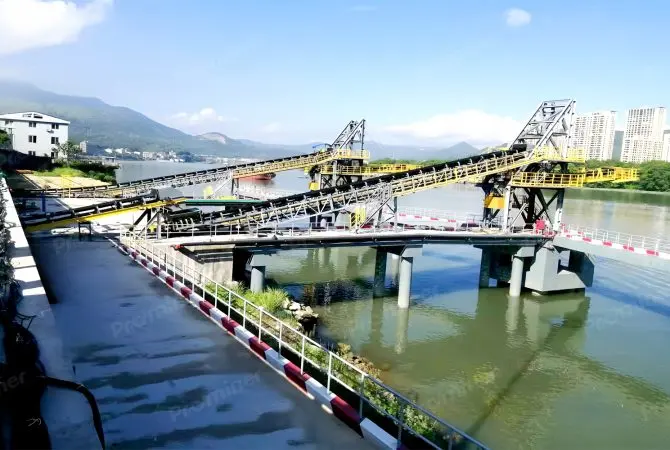
We can provide the solution of belt conveyors for different purposes include steeply inclined belt conveyor
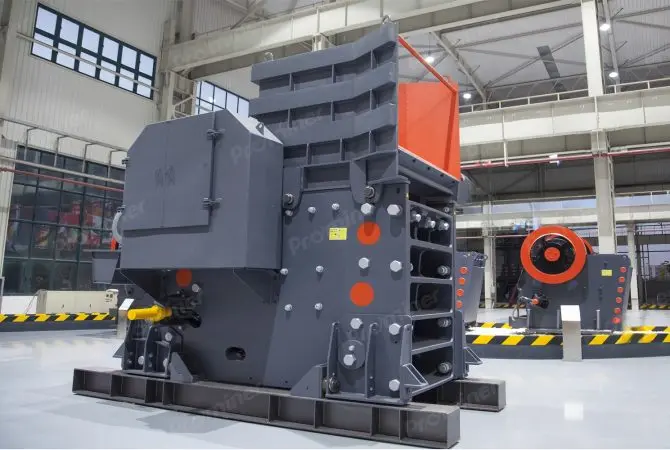
Jaw Crusher, its opening size determines its max feeding size. The crushing chamber of a jaw crusher
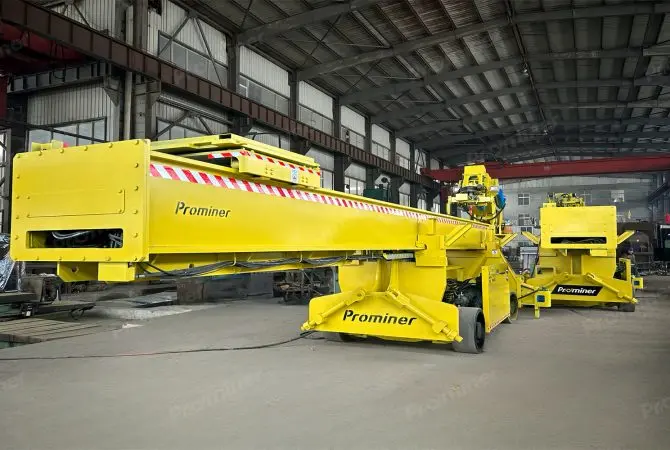
We can design and manufacture the mill relining machine (or called mill relining manipulator)
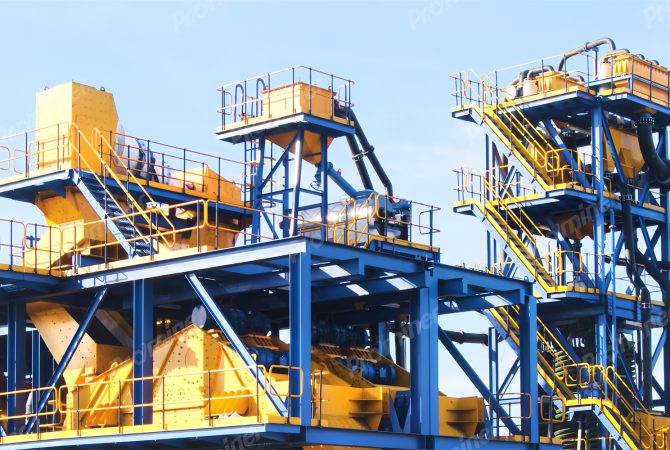
Prominer can provide different LIMS (Low Intensity Magnetic separator) magnetic separators
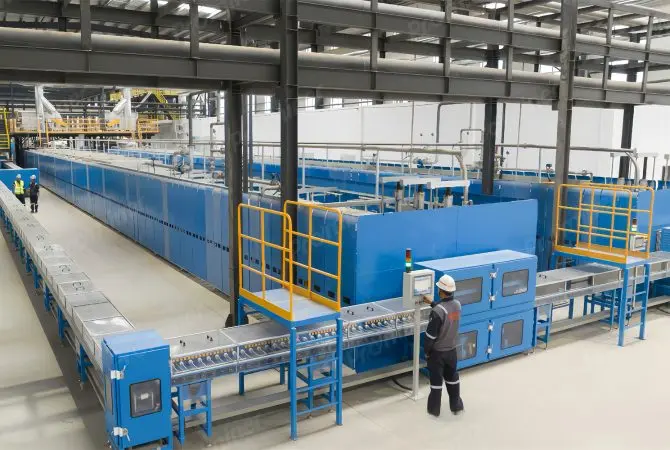
We can provide the complete solution for high temperature carbonization treatment system
To find out more about our products and solutions, please fll out the form below and one of our experts will get back to you shortly
3000 TPD Gold Flotation Project in Shandong Province
2500TPD Lithium Ore Flotation in Sichuan
Fax: (+86) 021-58779592
Address: Room 606, Building D3, Phase II, Chuansha Business Center, 777 Long, Miaochuan Road, Pudong New Area, Shanghai,China
Copyright © 2023. Prominer (Shanghai) Mining Technology Co.,Ltd.