

The demand from the industry over the years has been for special graphite and carbon with increasingly tighter




Flake graphite ore must undergo purification to remove impurities such as silica, silicates, carbonates, sulfides, and other mineral inclusions. The purification process is essential for improving carbon content and achieving the quality required for applications such as batteries, refractories, lubricants, and expandable graphite. Below are the five primary purification methods used for flake graphite ore.
Flotation is the most commonly used and cost-effective method for beneficiating flake graphite ore. It takes advantage of graphite’s natural hydrophobicity.
In this process, crushed and ground ore is mixed with water and flotation reagents. Air is introduced into the slurry, causing graphite particles to attach to air bubbles and float to the surface, while hydrophilic impurities sink. The graphite concentrate is then collected and dried.
Flotation can produce graphite concentrates with carbon content typically between 85% and 97%. However, it may not completely remove fine mineral inclusions embedded within graphite flakes.
Chemical purification involves treating graphite concentrate with strong acids or alkalis to dissolve impurities.
Hydrochloric acid (HCl) and hydrofluoric acid (HF) are commonly used to remove silicate and metal oxide impurities. In some cases, a combination of acids is applied to achieve higher purity levels. After acid leaching, the graphite is washed, filtered, and dried.
This method can increase carbon content to over 99%, making it suitable for high-end applications. However, it involves higher costs, strict environmental controls, and careful waste treatment.
Thermal purification relies on high-temperature treatment to remove impurities through volatilization.
Graphite concentrate is heated to temperatures above 2,500°C in a controlled atmosphere. At these extreme temperatures, many impurities vaporize or decompose, leaving behind high-purity graphite.
Thermal purification can achieve carbon purity levels of 99.9% or higher. While highly effective, it requires significant energy consumption and specialized high-temperature equipment.
The alkali roasting method combines chemical and thermal processes. In this technique, graphite concentrate is mixed with alkali compounds such as sodium hydroxide (NaOH) and roasted at elevated temperatures.
During roasting, impurities react with the alkali to form soluble salts. The roasted material is then washed with water or acid to remove these reaction products.
This method is effective for removing silicate impurities and can achieve high purity levels. It is often considered more environmentally friendly than direct acid leaching, depending on waste management practices.
High-temperature chlorination is a specialized purification method used for producing ultra-high-purity graphite.
In this process, graphite concentrate is heated in the presence of chlorine gas at elevated temperatures. Metallic impurities react with chlorine to form volatile metal chlorides, which are removed from the system.
Chlorination can produce graphite with very low impurity levels, suitable for advanced industrial and electronic applications. However, due to the use of chlorine gas and high temperatures, it requires strict safety measures and advanced equipment.
Each purification method has its advantages and limitations. The choice depends on the required carbon purity, environmental considerations, processing cost, and intended application of the flake graphite product. In many cases, a combination of methods is used to achieve optimal results.
A: For graphite resources, a complete solution should cover both natural graphite flotation and deep processing. The ball mill and hydrocyclone system serve as the basic grinding stage. For advanced anode material production, the shaping mill is essential to improve tap density and reduce specific surface area. Additionally, the Prominer coating system, which combines coating and granulation functions, is a key step in processing high-profit anode materials.
A: Process selection depends entirely on the ore’s characteristics. The Gold CIL/CIP process is a very popular and effective way to process high-grade oxide type gold ore. For many other gold projects, flotation remains the most popular processing method. For owners looking to save investment at the initial stage, vat leaching or heap leaching are flexible and economic options. We recommend starting with a lab & pilot test to determine the most efficient and scientific process flow.
A: Magnetic separation is critical for mineral upgrading. We provide both HIMS (High Intensity) and LIMS (Low Intensity) magnetic separators to handle different mineral magnetic properties. In an optimized plant design, this technology is integrated with a high-performance crushing system—utilizing single-cylinder or multi-cylinder hydraulic cone crushers—and a grinding system. This ensures that waste rock is rejected early, significantly improving productivity and saving energy.
A: Designing a successful plant requires a comprehensive EPC (Engineering, Procurement, and Construction) service. Key considerations include engineering design (site surveys, sampling guidance, and PFD drawings) and equipment customization to ensure machinery matches the specific ore characteristics. For example, Prominer can customize linear screens up to 5.1m in width for large-scale grading and dewatering. Finally, professional on-site services, including civil work supervision and commissioning, are vital for long-term stable operation.
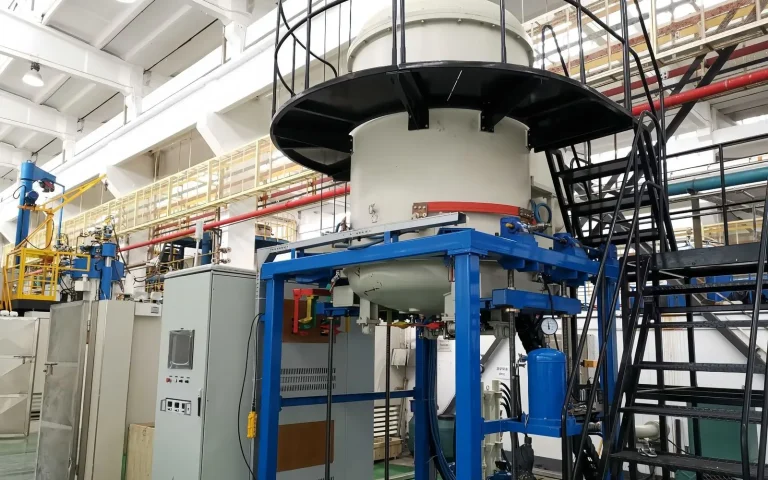
The demand from the industry over the years has been for special graphite and carbon with increasingly tighter
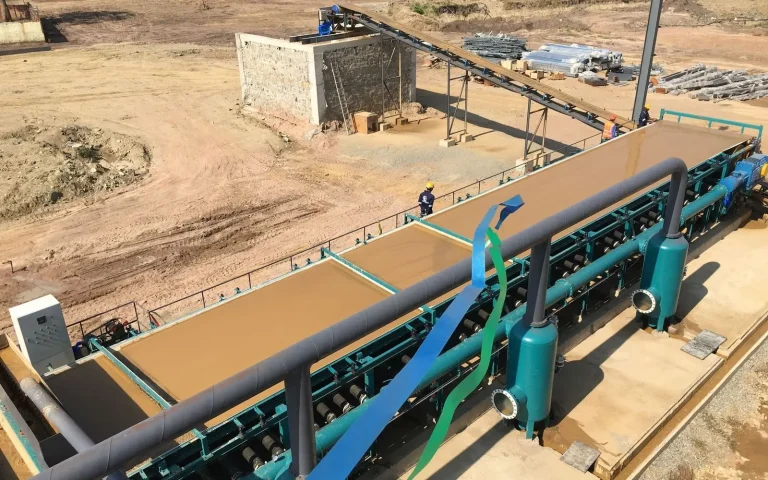
Gold CIL process (carbon in leaching) is very popular way to process the high grade oxide type gold ore
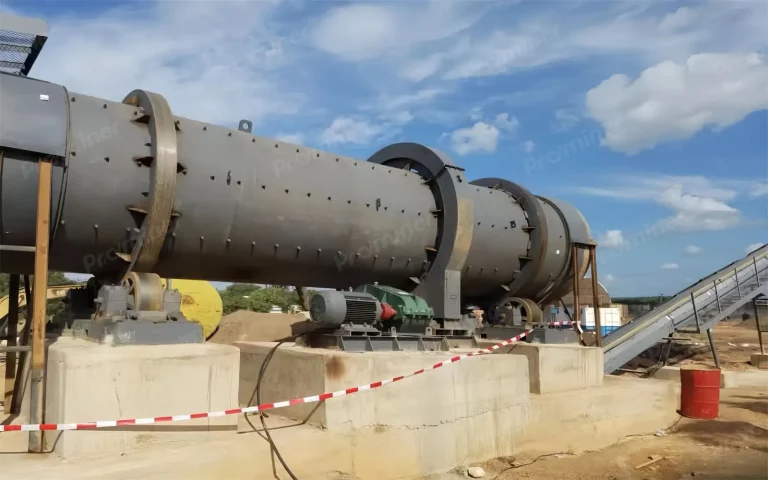
Heap leaching is a traditional cyanide leaching processing way which is flexible and economic to extract gold

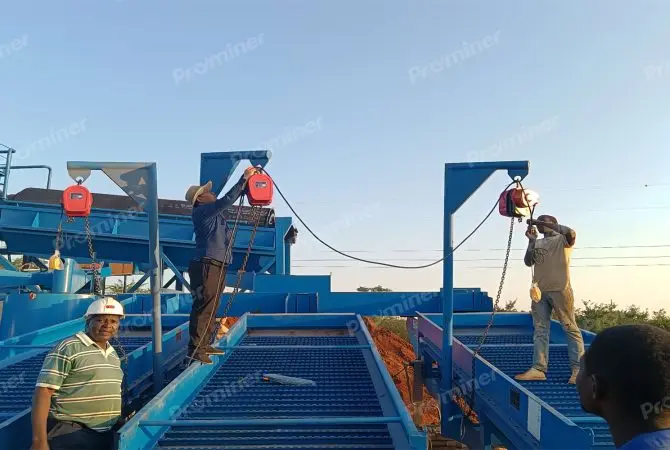
Raw Ore: Alluvial gold ore from river bed Gold Grade: 0.8 g/t
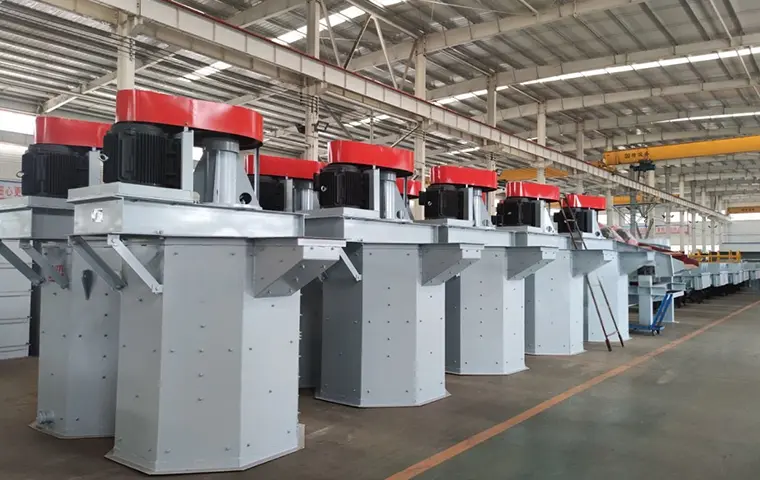
Raw Material: Quartz ore with impurities (Fe, Al, etc.) Quartz Grade: 98.5% SiO₂ Final Product: High-purity quartz sand (99.9% SiO₂)
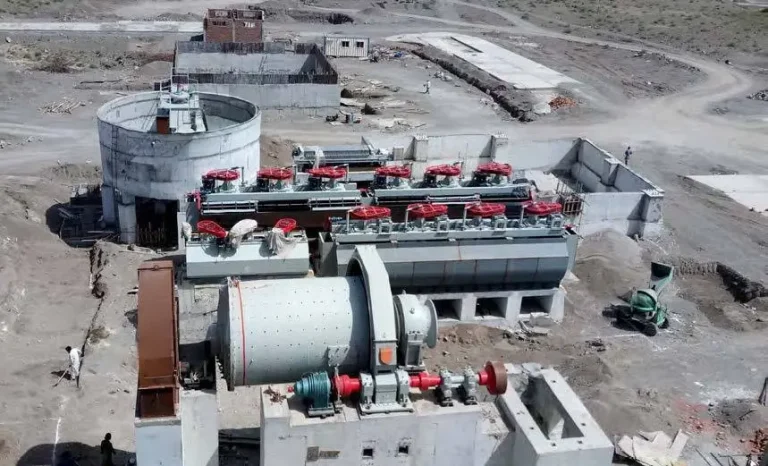
Raw Ore: Mixed Oxide-Sulfide Copper Ore (Chalcocite/Malachite) Copper Grade: 1.2% | Silver: 15g/t
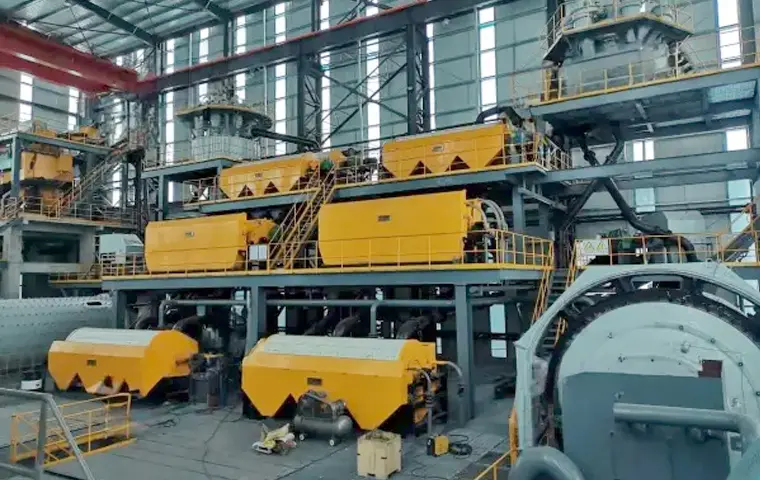
Raw Ore: Magnetite Iron Ore with Hematite Banding Fe Grade: 28-32% Final Product: High-Grade Iron Concentrate
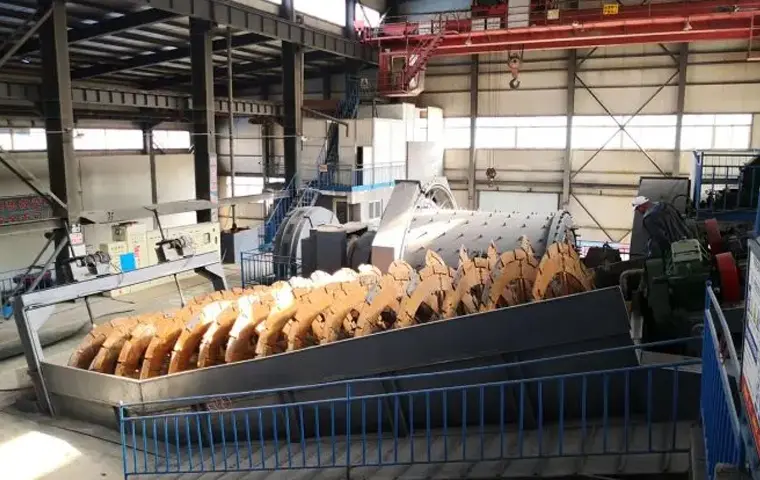
Raw Ore: Sulfide Type Gold Ore Gold Grade: 3 g/t
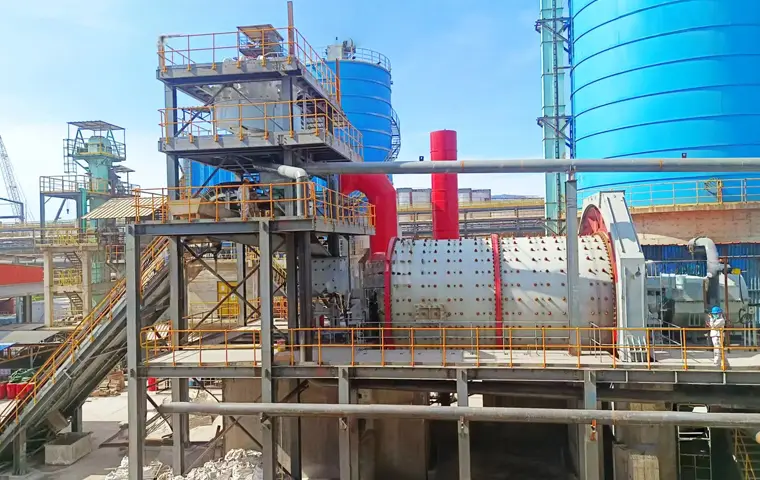
Raw Material: High-Calcium Limestone Final Product: Cement Raw Material Powder (200 mesh) & Construction Aggregate
Raw Material: Sulfide Flotation Copper Tailings Metal Concentrate: Copper: 0.8%,Gold: 0.3 g/t,Silver: 5 g/t,Iron: 25%

Raw Ore: Lithium-Rich Hectorite Clay (Li₂O: 0.6-1.0%) Final Product: Battery-Grade Lithium Carbonate
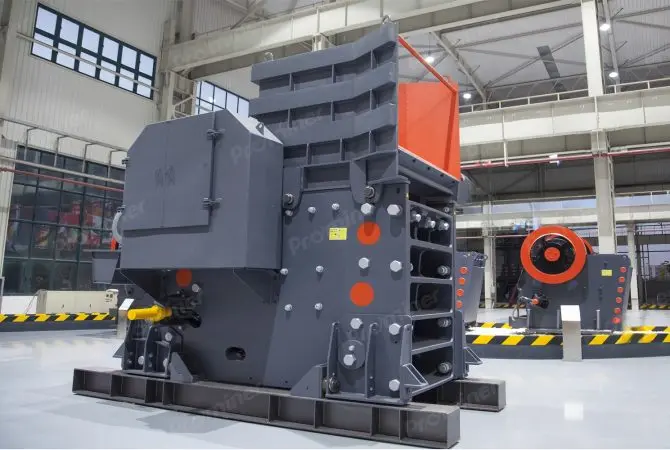
Jaw Crusher, its opening size determines its max feeding size. The crushing chamber of a jaw crusher
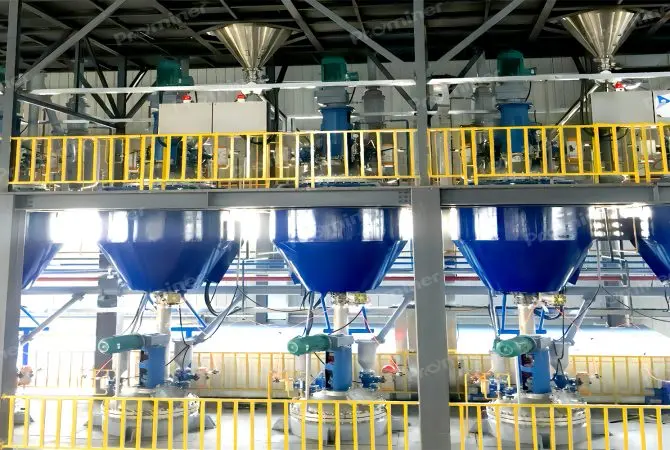
Our granulation reactor combines the coating and granulation processing functions together
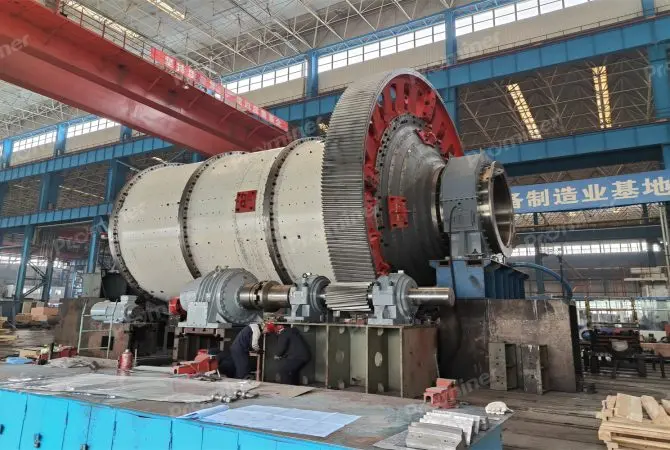
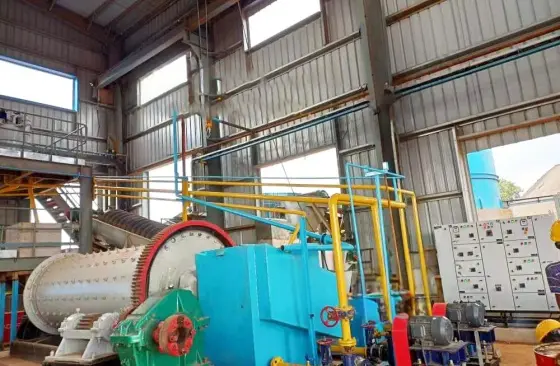
We can design and manufacture grate type ball mill for mineral primary grinding
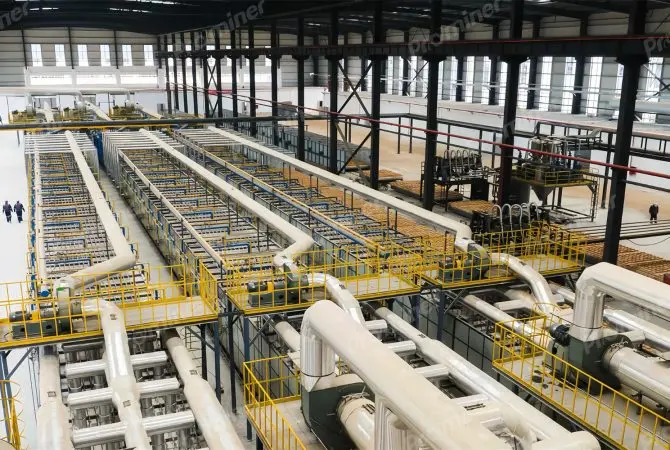
Prominer provides various types of furnaces for primary and secondary baking of carbon
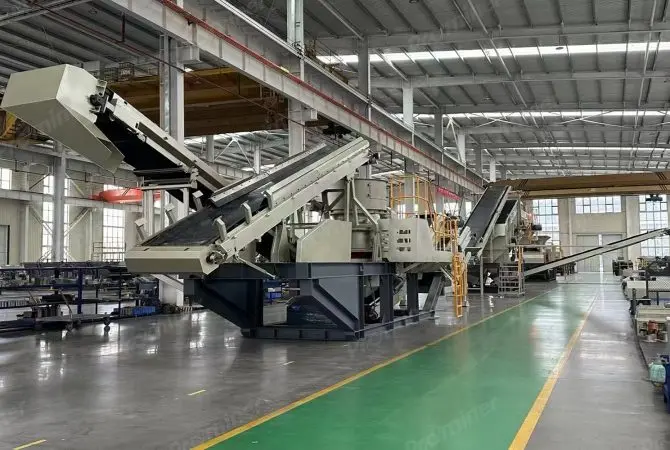
Skid mounted Portable Crusher, based on market requirements of easier moving from one site
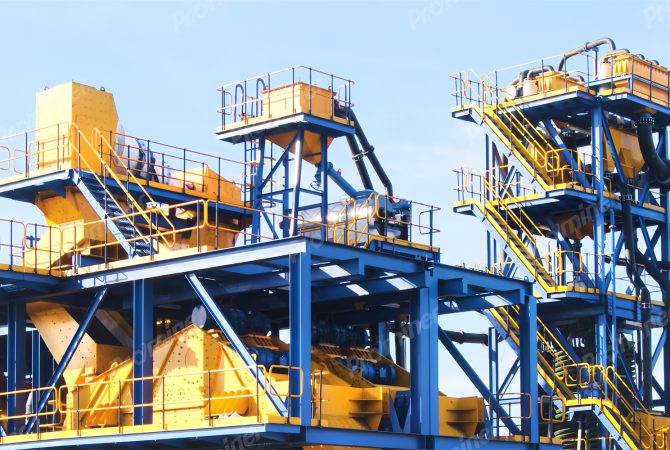
Prominer can provide different LIMS (Low Intensity Magnetic separator) magnetic separators
To find out more about our products and solutions, please fll out the form below and one of our experts will get back to you shortly
3000 TPD Gold Flotation Project in Shandong Province
2500TPD Lithium Ore Flotation in Sichuan
Fax: (+86) 021-60870195
Address: No.2555,Xiupu Road, Pudong, Shanghai
Copyright © 2023. Prominer (Shanghai) Mining Technology Co.,Ltd.


