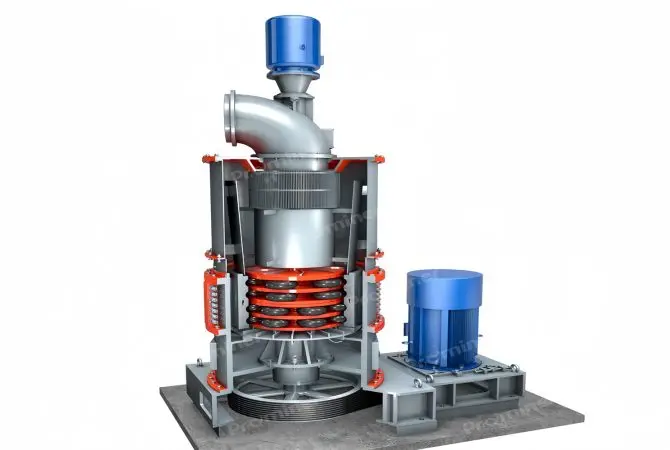
There are two types natural graphite ore include crystalline graphite and amorphous graphite


/
/
What Are the Most Effective Technologies for Cassiterite Mineral Processing Today?


Cassiterite (SnO₂), the primary ore of tin, requires specific processing technologies to achieve efficient extraction of tin. The most effective technologies for cassiterite mineral processing today include the following:
Cassiterite has high specific gravity, which makes gravity separation a foundational method for processing. Modern gravity-based techniques include:
Although cassiterite is not typically responsive to flotation due to its chemical characteristics, advances in flotation reagents (e.g., sulphosuccinate collectors) have improved cassiterite flotation efficiency, especially for fine particles. This technique may be used in conjunction with gravity methods for better results.
Cassiterite processing often involves the removal of iron and other impurities (e.g., magnetite or hematite). High-intensity magnetic separators are used to separate non-magnetic cassiterite from magnetic impurities.
Cassiterite is electrically conductive compared to many of its associated minerals. Electrostatic separators effectively process finely ground material, segregating cassiterite from impurities.
In processing very fine cassiterite, activation by fluorine ions improves its response to flotation. This is especially important for ultra-fine particles that are difficult to recover.
Emerging hydrometallurgical methods focus on chemical treatments to mobilize tin directly. These are particularly useful for processing complex or refractory ores where gravity and flotation are less effective.
Advancements in automated ore sorting technologies, such as X-ray fluorescence (XRF) and near-infrared spectroscopy, allow efficient pre-concentration of cassiterite ores by distinguishing valuable minerals from the waste.
The increasing demand for tin has necessitated the development of technologies that recover ultra-fine cassiterite. Enhanced fine particle recovery techniques utilize specialized flotation reagents, hydrocyclones, and modern classifiers.
With declining ore grades, recycling of tin from secondary sources (e.g., electronic waste, solder) has become an important supplement to cassiterite processing.
A combination of these technologies is often employed in cassiterite processing plants to optimize tin recovery and meet modern production requirements.
A: Mineral characteristics vary significantly even within the same ore body. A professional test (such as chemical analysis, XRD, and SEM) ensures the flowchart is optimized for your specific ore grade and liberation size. This prevents costly equipment mismatches and guarantees the highest possible recovery rates for your project.
A: We maintain a permanent stock of core wear parts (such as crusher liners, screen meshes, and grinding media). For international clients, we provide a recommended “2-year spare parts list” with the initial purchase. Technical support is available 24/7 via remote video, and site visits can be arranged for complex maintenance needs.
A: Yes. We send a team of senior mechanical and electrical engineers to the site to oversee the installation, commissioning, and load testing of the equipment. We also provide comprehensive on-site training for your local operators to ensure smooth long-term operation.
A: Absolutely. We specialize in providing EPCM (Engineering, Procurement, Construction Management) services. This includes everything from initial ore testing and mine design to equipment manufacturing, logistics, and full-scale plant integration, ensuring a seamless transition from greenfield to production.
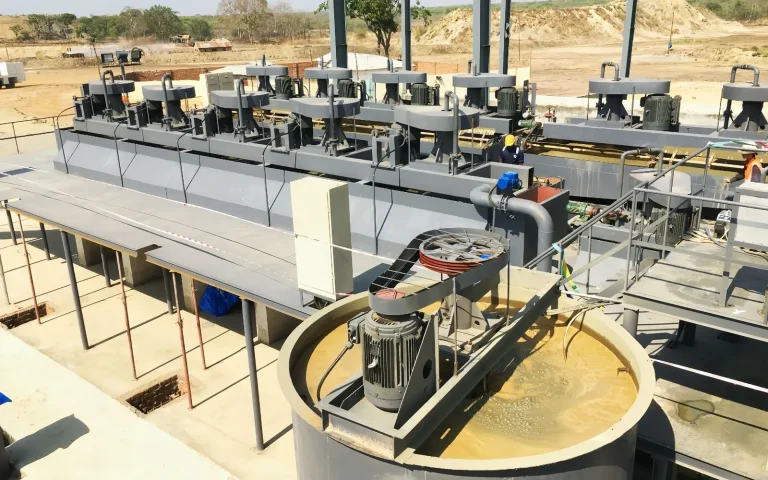
There are two types natural graphite ore include crystalline graphite and amorphous graphite
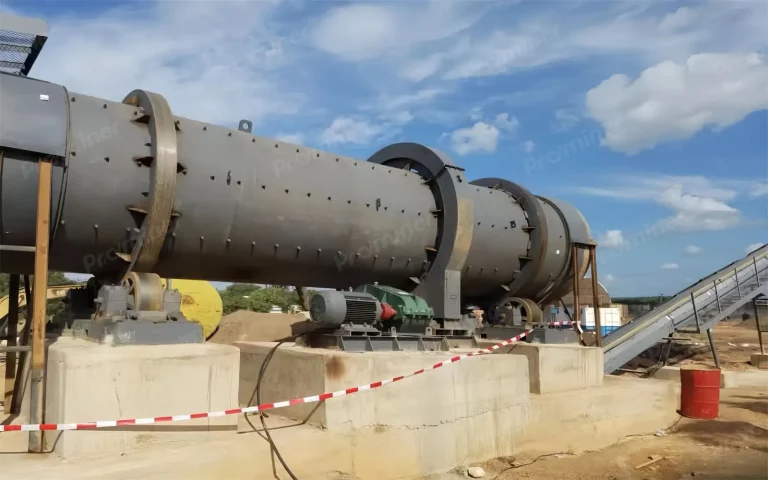
Heap leaching is a traditional cyanide leaching processing way which is flexible and economic to extract gold
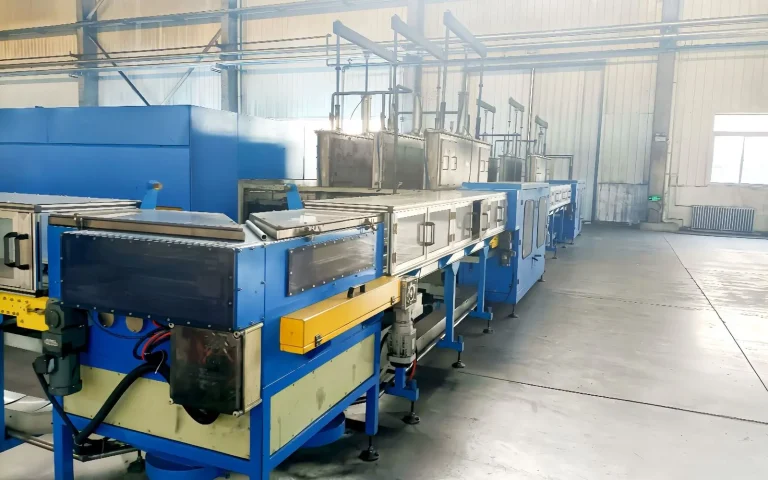
Hard carbon anode material is the most preferred materials for commercialization of sodium-ion battery

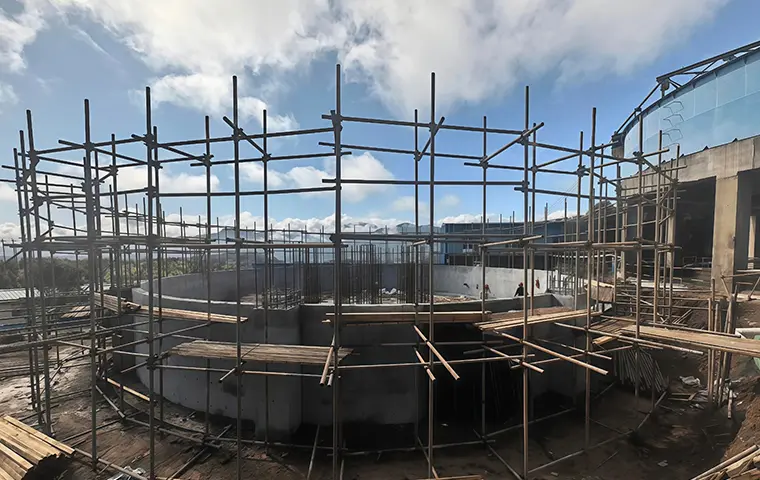
Raw Ore: Sulfide Type Gold Ore Gold Grade: 3.5 g/t Gold Recovery Rate: 92%
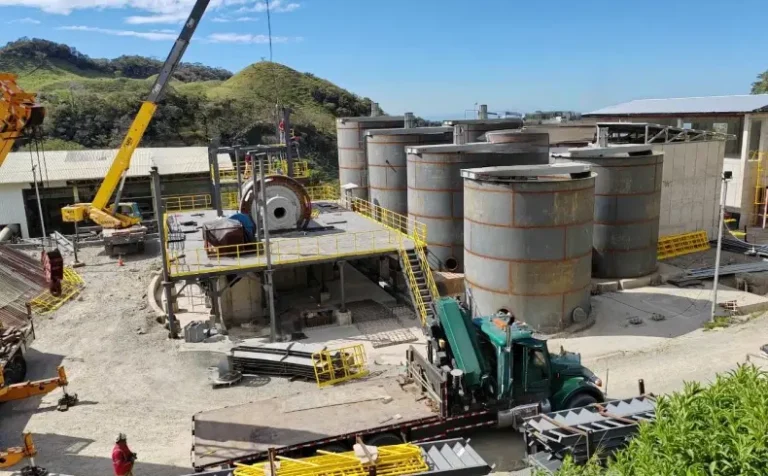
Raw Ore: Oxide-Sulfide Mixed Gold Ore Gold Grade: 3.5-7 g/t Gold Ingot Purity: 99.5%
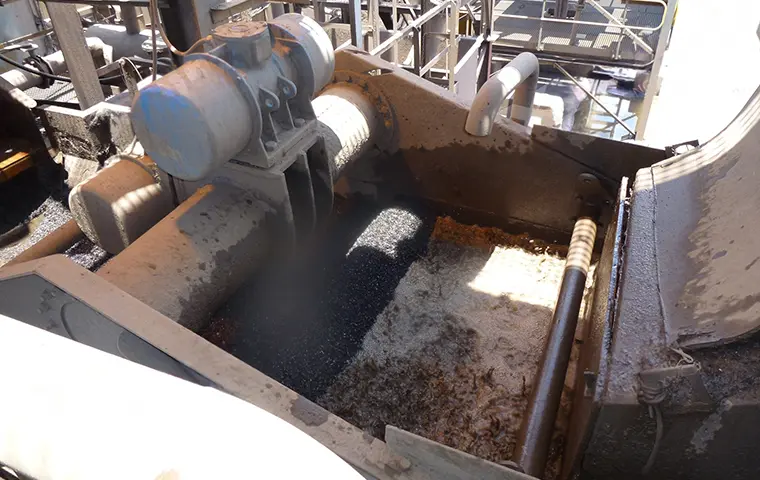
Raw Material: Weathered Granite Type Gold Ore & Associated Granitic Saprolite
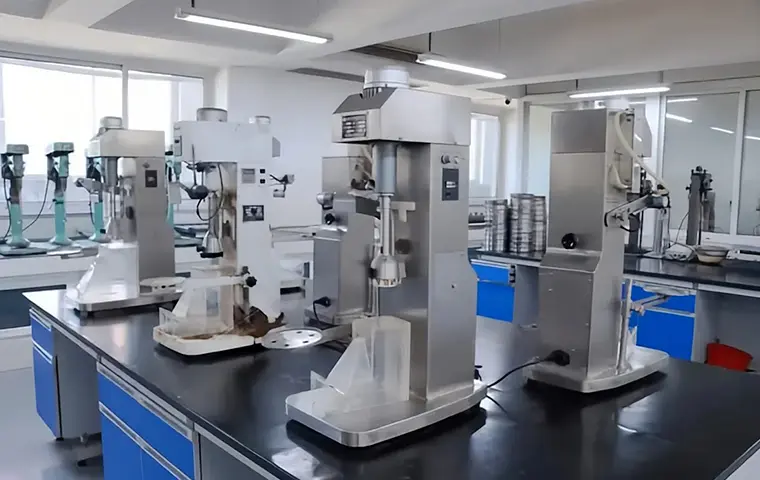
Raw Material: Various types of ore samples (gold, lithium, graphite, etc.) Lab Capacity: 50–100 samples per day
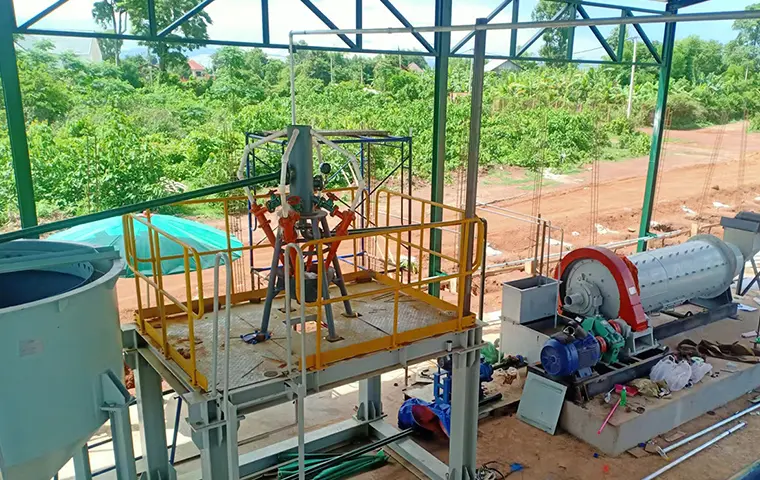
Features: Compact layout, full process coverage, low investment cost, and fast deployment. Designed for Startups & Small Mines — Your flexible and efficient gold solution!
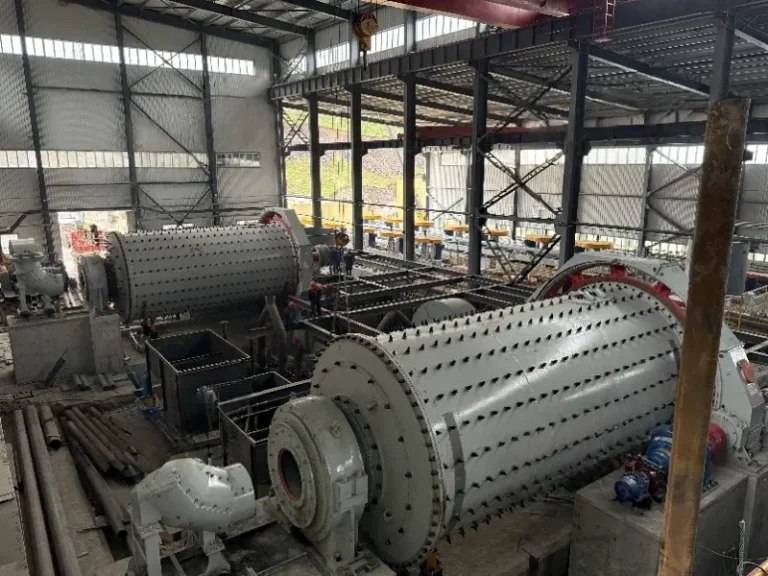
Raw Ore: Limonite Type Laterite Nickel Ore Ni Grade: 1.2% Co Grade: 0.12%
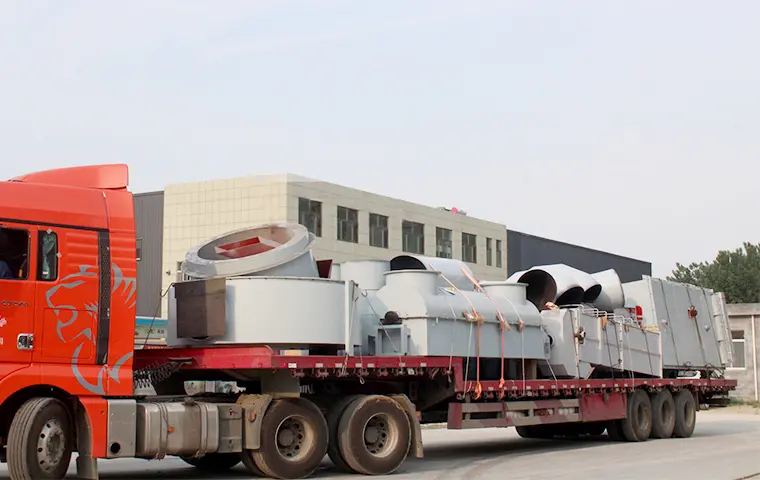
Raw Material: Quartz Ore Project Type: Equipment Supply & Installation Support
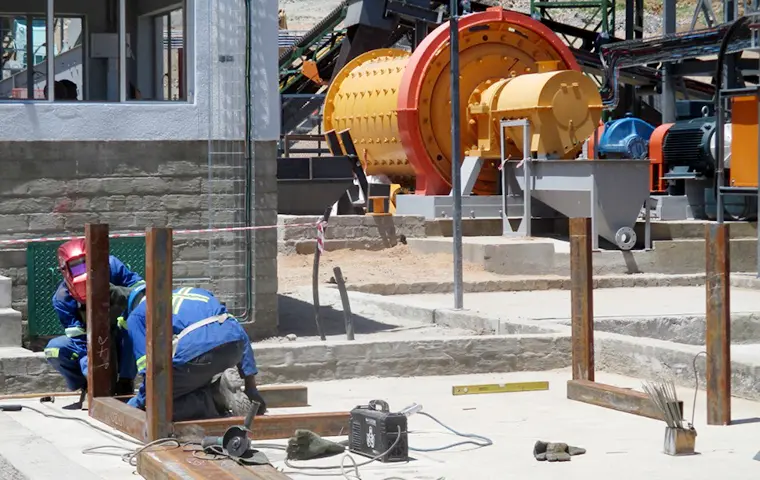
Raw Ore: High-Grade Crystalline Vein Graphite Ore Feed Grade: 18% C Concentrate Grade: 95% C (TGC)
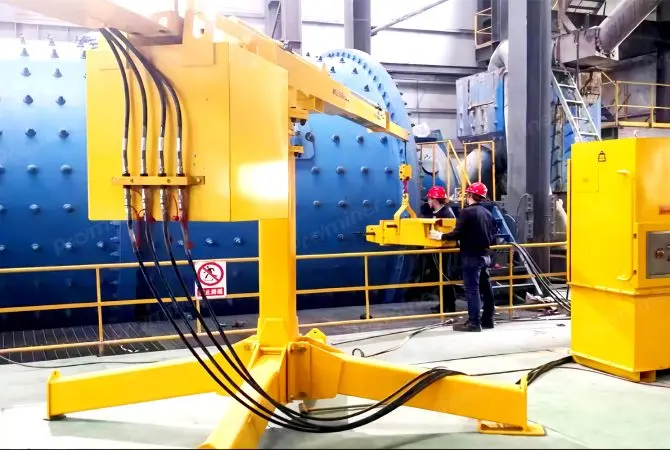
We can manufacture the highly automated and powerful recoilless Bolt Hammer to remove
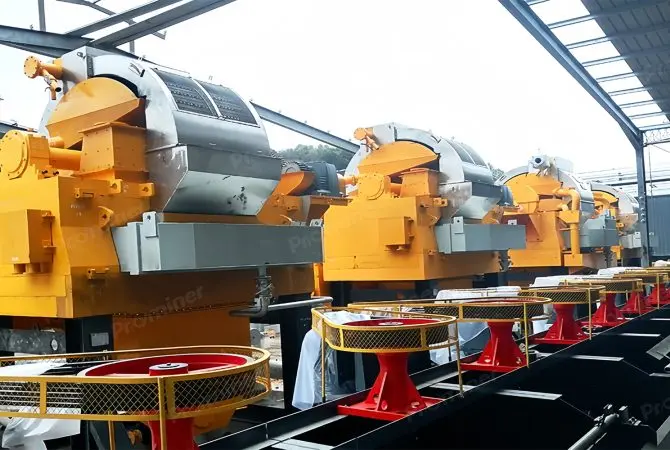
Prominer can provide different HIMS (High Intensity Magnetic separator) magnetic separators
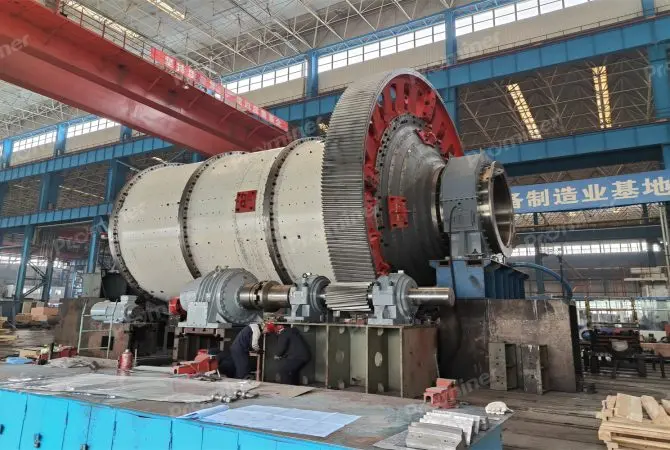
We can design and manufacture grate type ball mill for mineral primary grinding
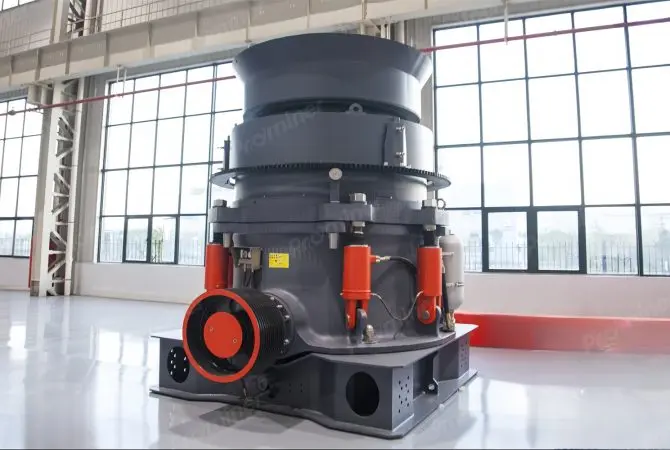
Multi-cylinder hydraulic cone crusher combines crusher speed, eccentricity and cavity profile
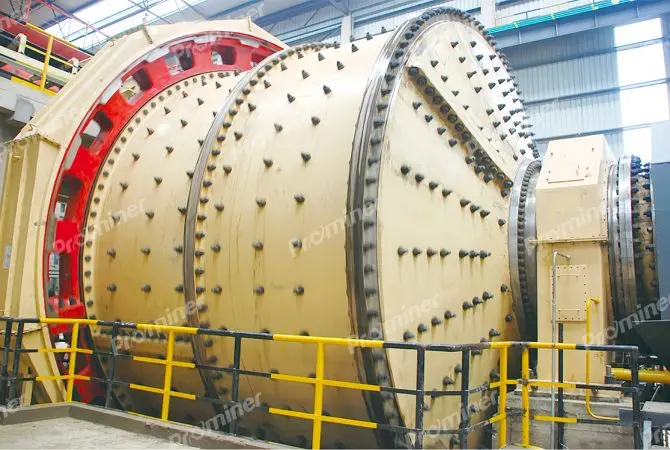
AG/SAG is short for autogenous mill and semi-autogenous mill, it combines with two functions of crushing
To find out more about our products and solutions, please fll out the form below and one of our experts will get back to you shortly
3000 TPD Gold Flotation Project in Shandong Province
2500TPD Lithium Ore Flotation in Sichuan
Fax: (+86) 021-60870195
Address: No.2555,Xiupu Road, Pudong, Shanghai
Copyright © 2023. Prominer (Shanghai) Mining Technology Co.,Ltd.