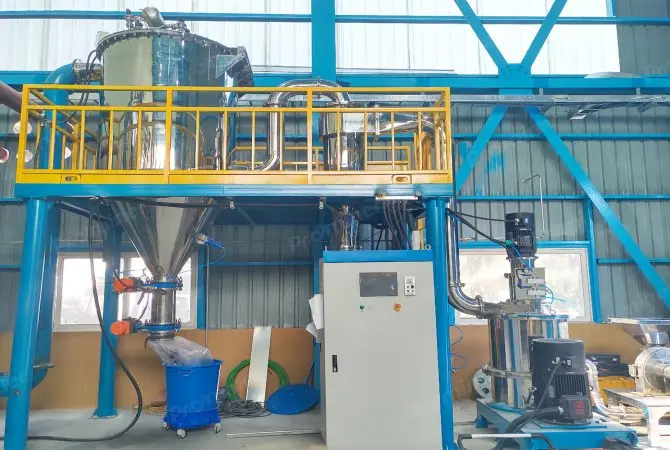
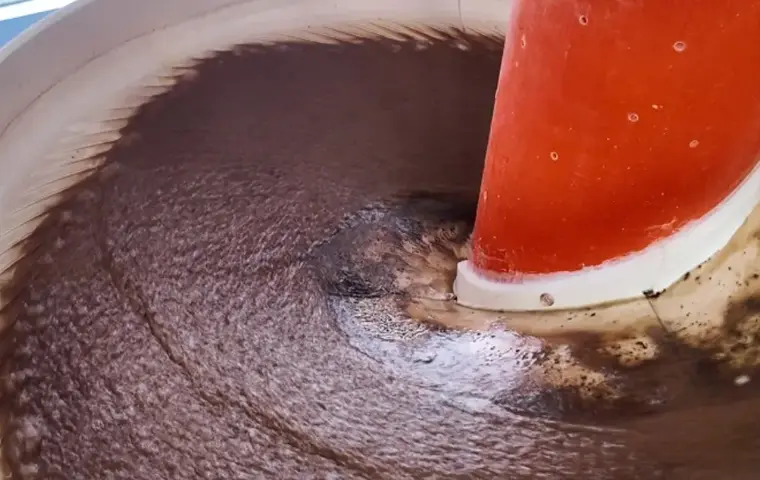
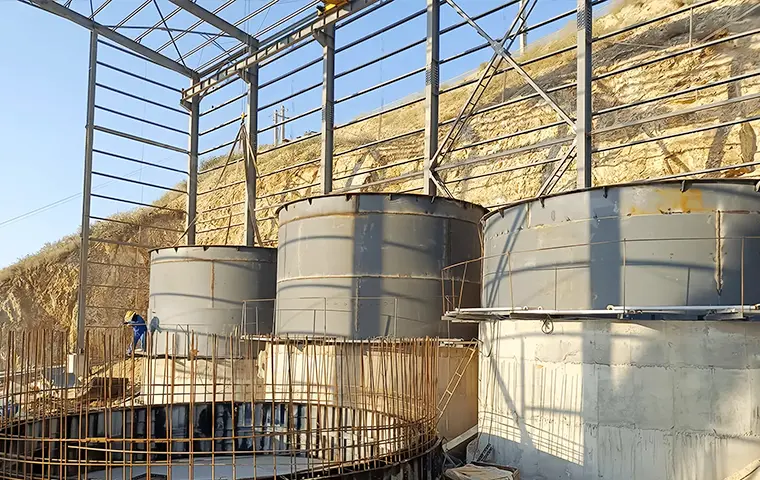
Vat leaching is a good option for the project owner to start at initial stage to save investment




Iron ore beneficiation is a critical step in the mining process, aimed at improving the quality of iron ore by removing impurities and increasing its iron (Fe) content. The beneficiation process varies depending on the ore characteristics and the desired end product. Among the different techniques, reverse flotation has become one of the most widely used methods for upgrading iron ore, particularly for fine-grained ores.
Iron ore beneficiation methods can be broadly classified based on the physical and chemical properties of the ore. The main types include:
Gravity separation is one of the oldest and simplest beneficiation methods. It relies on the difference in specific gravity between iron minerals (such as hematite and magnetite) and gangue minerals (such as silica and alumina).
Common gravity separation equipment includes:
This method is most effective for coarse-grained ores and when there is a significant density difference between iron minerals and impurities.
Magnetic separation exploits the magnetic properties of iron minerals. It is particularly effective for magnetite ores, which are strongly magnetic, and for weakly magnetic hematite ores with high-intensity magnetic separators.
There are two main types:
Magnetic separation is widely used due to its efficiency and relatively low operating cost.
Flotation is used when iron ore is finely disseminated and cannot be effectively separated by gravity or magnetic methods. It is especially suitable for ores with high silica or alumina content.
Flotation can be classified into:
Reverse flotation is currently the dominant method in iron ore beneficiation.
In many cases, a single method is insufficient to achieve the desired concentrate grade. Therefore, combined processes such as magnetic separation followed by flotation, or gravity separation combined with magnetic separation, are used to optimize recovery and concentrate quality.
Reverse flotation is a process in which gangue minerals (mainly silica) are selectively floated away from iron minerals. Unlike direct flotation, where iron minerals are floated, reverse flotation leaves the iron minerals in the slurry while impurities attach to air bubbles and rise to the surface.
This method is particularly effective for fine-grained iron ores and ores with high silica content.
The reverse flotation process typically involves several key stages:
The raw iron ore is first crushed and ground to liberate iron minerals from gangue minerals. Fine grinding is often required to achieve sufficient mineral liberation for effective separation.
Fine particles or slimes (usually below 10–20 microns) are removed to improve flotation efficiency. Excess slimes can consume reagents and reduce selectivity.
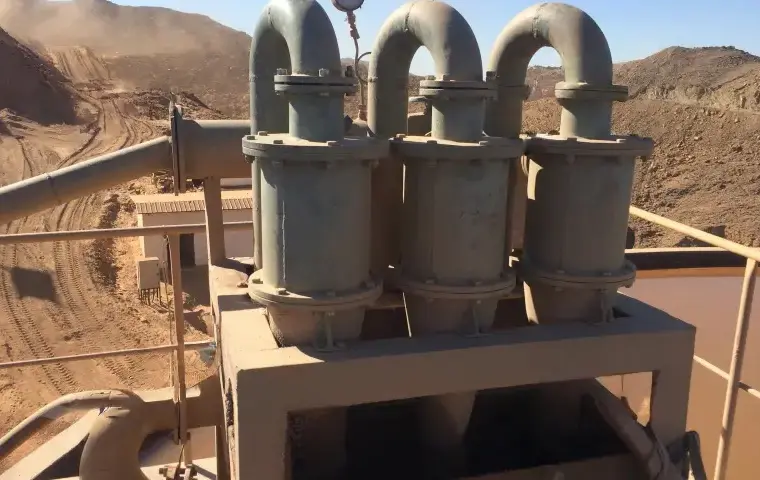
Hydrocyclones or classifiers are commonly used for desliming.
During conditioning, reagents are added to modify the surface properties of minerals. In reverse flotation of iron ore, typical reagents include:
Starch is commonly used to depress hematite or magnetite, allowing silica to be floated away.
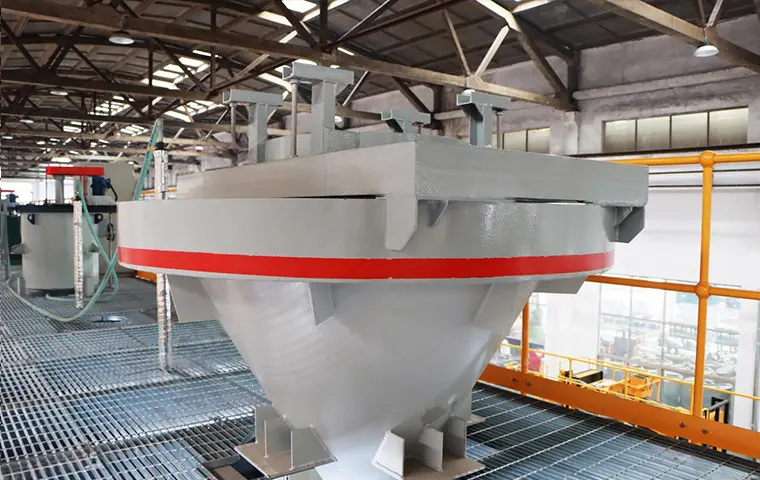
Air is introduced into the flotation cells, forming bubbles. The silica particles attach to the bubbles and rise to form froth, which is skimmed off as tailings. The iron-rich material remains in the slurry and is collected as concentrate.
Multiple flotation stages (rougher, cleaner, and scavenger) may be used to improve grade and recovery.
The final iron concentrate is thickened and filtered to remove excess water before being sent for pelletizing or sintering.
Reverse flotation offers several benefits:
However, it requires careful reagent management and process control to ensure optimal performance and cost efficiency.
Iron ore beneficiation involves various physical and chemical separation methods, including gravity separation, magnetic separation, flotation, and combined processes. Among these, reverse flotation has become a key technique for upgrading fine and silica-rich iron ores. By selectively floating gangue minerals and retaining iron minerals in the slurry, reverse flotation significantly enhances concentrate quality and supports efficient steel production.
A: For graphite resources, a complete solution should cover both natural graphite flotation and deep processing. The ball mill and hydrocyclone system serve as the basic grinding stage. For advanced anode material production, the shaping mill is essential to improve tap density and reduce specific surface area. Additionally, the Prominer coating system, which combines coating and granulation functions, is a key step in processing high-profit anode materials.
A: Process selection depends entirely on the ore’s characteristics. The Gold CIL/CIP process is a very popular and effective way to process high-grade oxide type gold ore. For many other gold projects, flotation remains the most popular processing method. For owners looking to save investment at the initial stage, vat leaching or heap leaching are flexible and economic options. We recommend starting with a lab & pilot test to determine the most efficient and scientific process flow.
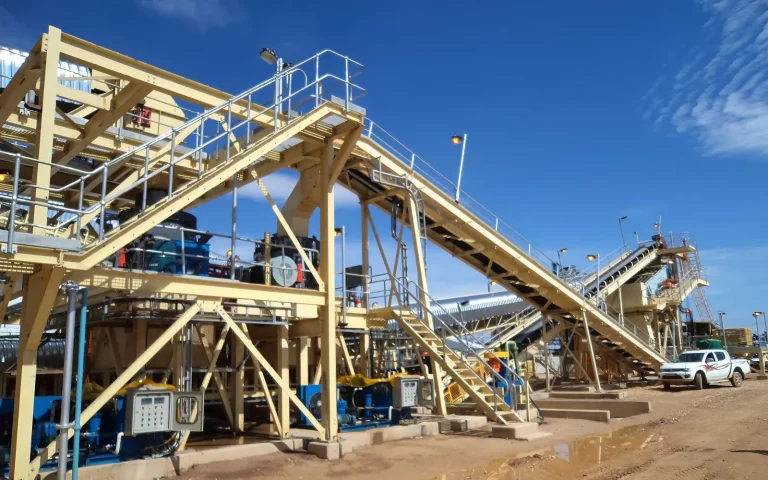
A: Magnetic separation is critical for mineral upgrading. We provide both HIMS (High Intensity) and LIMS (Low Intensity) magnetic separators to handle different mineral magnetic properties. In an optimized plant design, this technology is integrated with a high-performance crushing system—utilizing single-cylinder or multi-cylinder hydraulic cone crushers—and a grinding system. This ensures that waste rock is rejected early, significantly improving productivity and saving energy.
A: Designing a successful plant requires a comprehensive EPC (Engineering, Procurement, and Construction) service. Key considerations include engineering design (site surveys, sampling guidance, and PFD drawings) and equipment customization to ensure machinery matches the specific ore characteristics. For example, Prominer can customize linear screens up to 5.1m in width for large-scale grading and dewatering. Finally, professional on-site services, including civil work supervision and commissioning, are vital for long-term stable operation.
Vat leaching is a good option for the project owner to start at initial stage to save investment
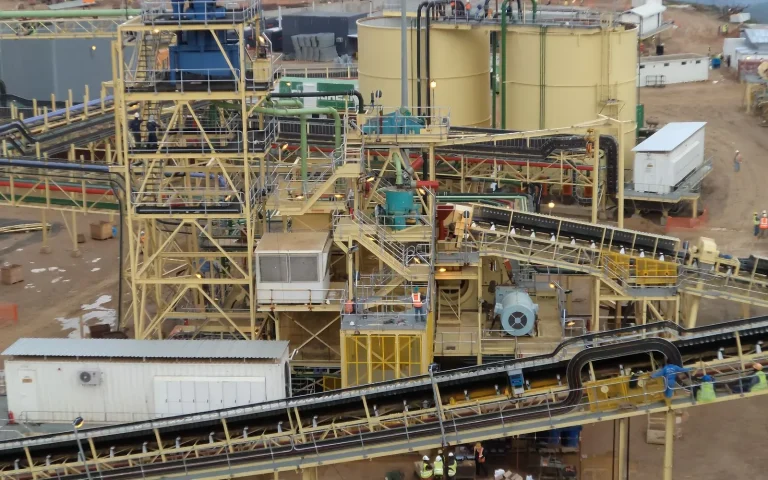
Flotation is the most popular processing way in gold ore processing project. Because the flotation process
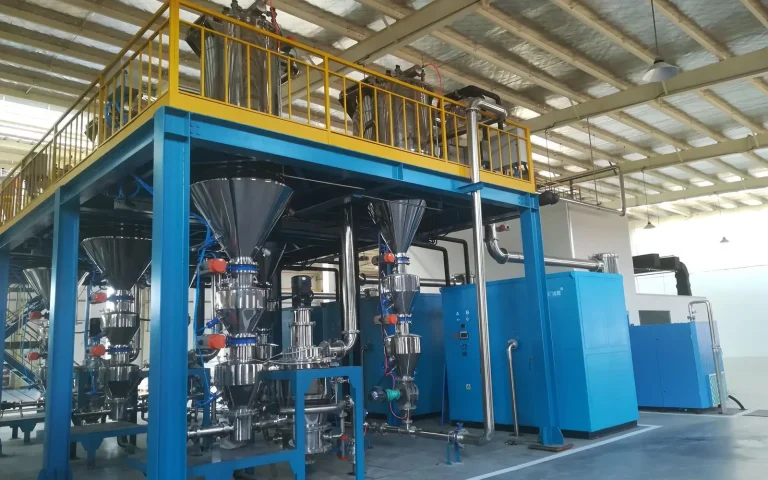
Silicon based anode is one kind of composite anode material by compounding silicon

Raw Ore: Oxide Type Gold Ore Gold Grade: 2.5 g/t Gold Ingot Purity: 92%
Raw Ore: Sulfide Type Gold Ore Gold Grade: 3.5 g/t Final Product: Gold Ingot Gold Recovery Rate: 96%
Raw Material: Iron ore tailings Processing Capacity: 800 tons per day
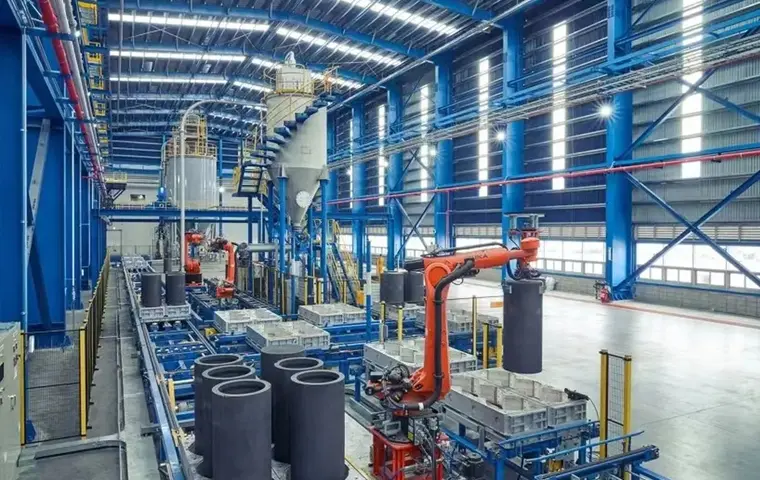
Raw Material: Green Petroleum Coke, Green Needle Coke and High soft point pitch
Raw Ore: High-Grade Crystalline Vein Graphite Ore Feed Grade: 18% C Concentrate Grade: 95% C (TGC)
Raw Ore: Weathered Oxide Gold Ore Gold Grade: 1.8 g/t Gold Recovery Rate: 90.5%
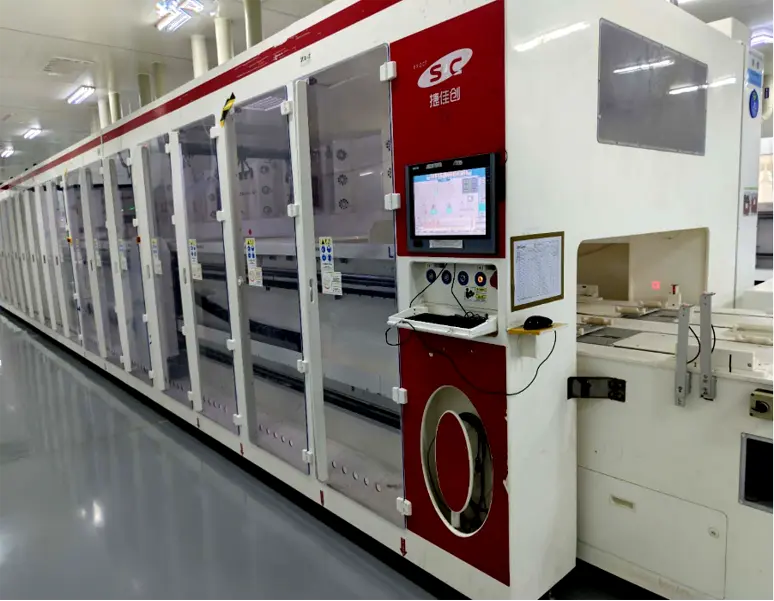
Such as: Boron diffusion furnace, BSG removal, Alkali polishing machine, PE-POLY…
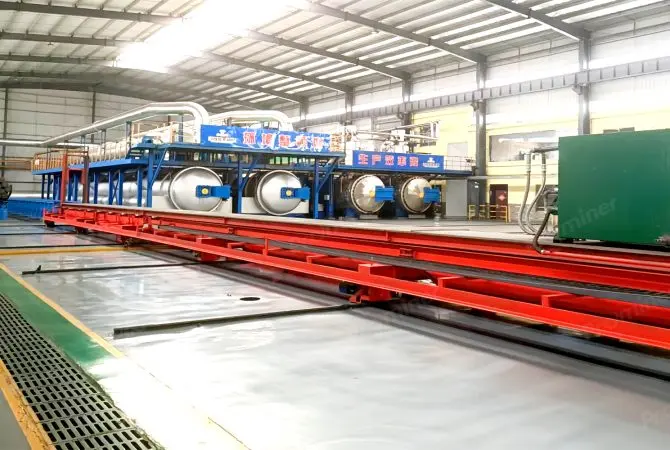
We can provide hot-in and cold-out type high-pressure impregnation of once-baked graphite
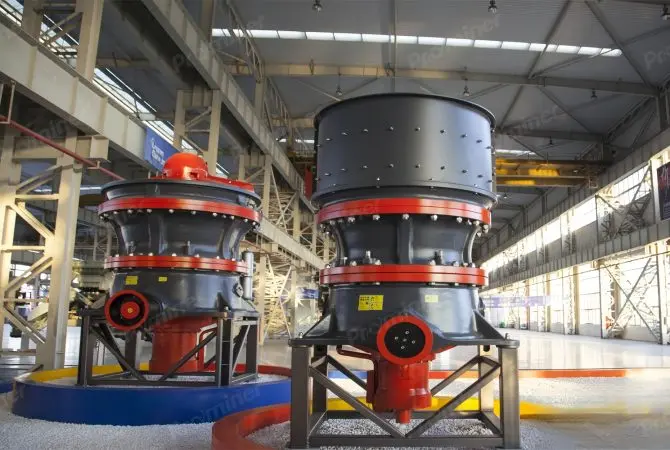
Single-cylinder hydraulic cone crusher have two series based on different cavity, S-cavity is designed
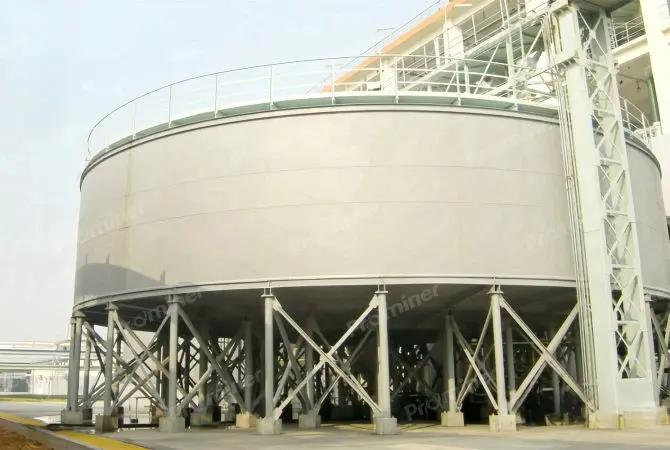
Prominer can provide different kinds of thickeners include center driving thickener, peripheral traction thickener
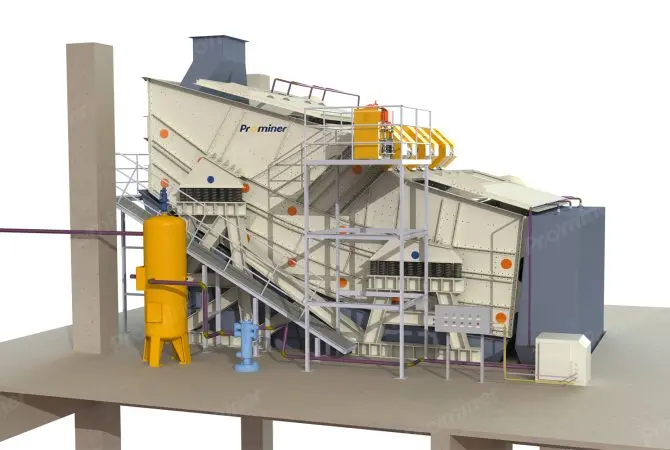
Banana screen is also well known as constant bed thickness screen. Prominer has the ability to supply dry
To find out more about our products and solutions, please fll out the form below and one of our experts will get back to you shortly
3000 TPD Gold Flotation Project in Shandong Province
2500TPD Lithium Ore Flotation in Sichuan
Fax: (+86) 021-58779592
Address: No.2555,Xiupu Road, Pudong, Shanghai
Copyright © 2023. Prominer (Shanghai) Mining Technology Co.,Ltd.