

The demand from the industry over the years has been for special graphite and carbon with increasingly tighter



The decision of whether to use gravity separation or flotation for processing gold-copper ores largely depends on the mineralogical characteristics of the ore, the particle sizes of the valuable minerals, and the economic factors associated with processing. Here’s a general guideline for determining when to use each method:
Gravity separation is ideal for gold-copper ores if:
Coarse Free Gold is Present:
High Gold Content Relative to Copper:
Mineralogy Supports Gravity Recovery:
Economic Considerations:
Environmental Concerns:
Flotation is typically used for gold-copper ores when:
Fine Gold or Gold Associated with Sulfides:
Copper Dominant Ores:
Complex Ore with Mixed Mineralogy:
Operational Requirements:
Refractory Gold:
In many cases, mining operations use a combination of both methods to maximize gold and copper recovery:
Pre-concentration via Gravity:
Integrated Circuit:
In summary, gravity separation is favored for recovering coarse free gold with simple mineralogy, while flotation is better suited for fine gold or gold locked in sulfides, as well as copper-rich ores. Often, a combination of the two methods offers the best balance for recovery and cost efficiency in processing gold-copper ores.
Prominer (Shanghai) Mining Technology Co., Ltd. specializes in providing complete mineral processing and advanced materials solutions globally. Our core focus includes: gold processing, lithium ore beneficiation, industrial minerals. Specializing in anode material production and graphite processing.
Products include: Grinding & Classification, Separation & Dewatering, Gold Refining, Carbon/Graphite Processing and Leaching Systems.
We offer end-to-end services including engineering design, equipment manufacturing, installation, and operational support, backed by 24/7 expert consultation.
Our Website Url: https://www.prominetech.com/
Our Email: [email protected]
Our Sales: +8613918045927(Richard), +8617887940518(Jessica), +8613402000314(Bruno)
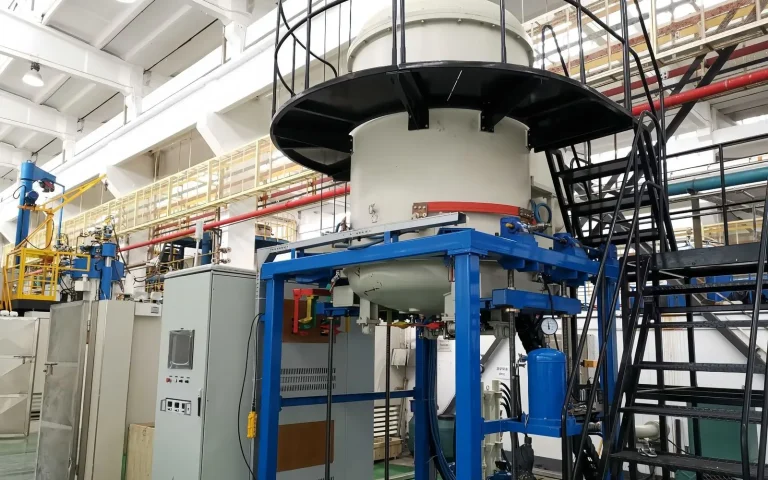
The demand from the industry over the years has been for special graphite and carbon with increasingly tighter
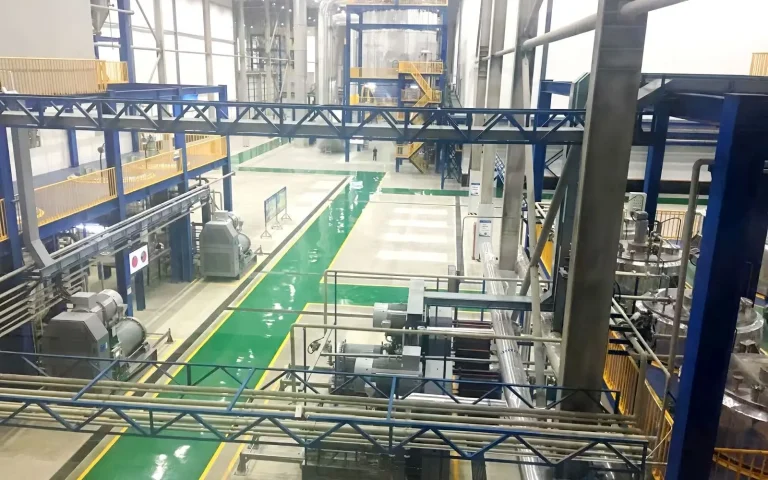
Cathode material is one of the key materials to determine the performance of lithium-ion batteries
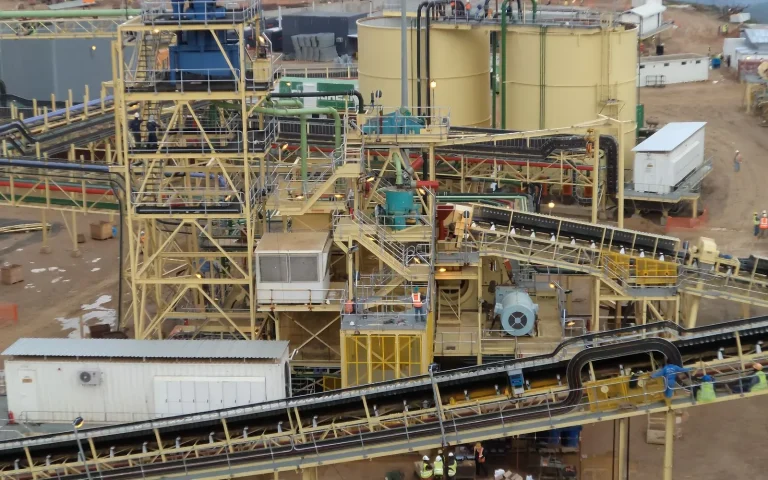
Flotation is the most popular processing way in gold ore processing project. Because the flotation process

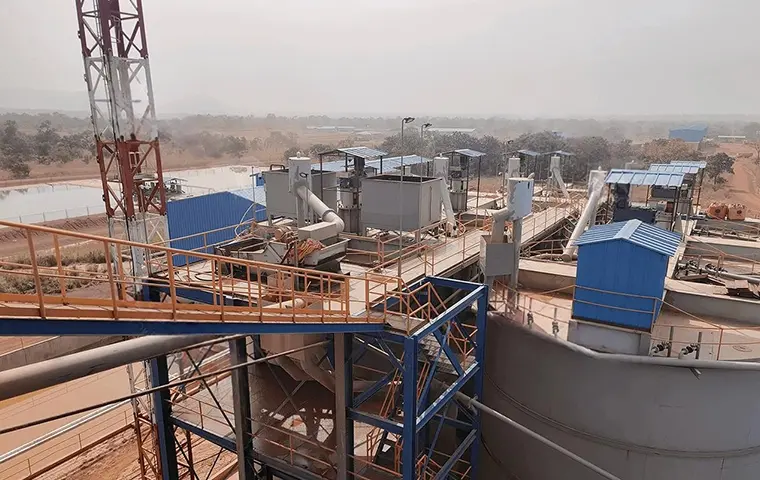
Raw Ore: Sulfide Copper Ore (with minor pyrite content) Copper Grade: 1.2% Concentrate Grade 25% Cu
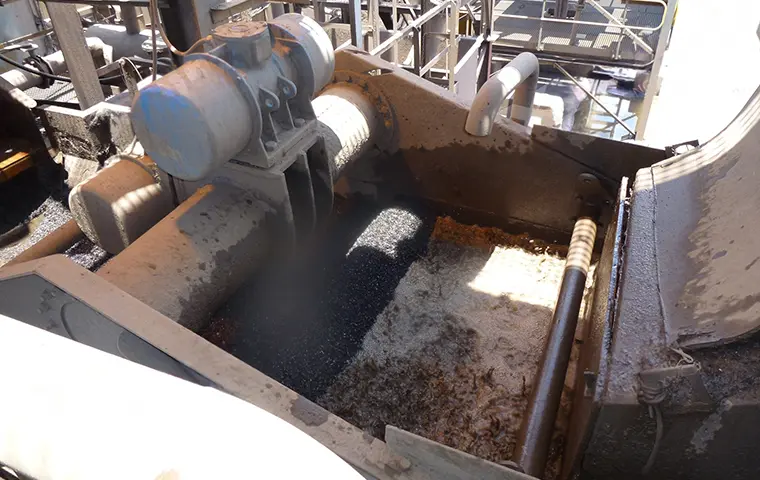
Raw Material: Weathered Granite Type Gold Ore & Associated Granitic Saprolite
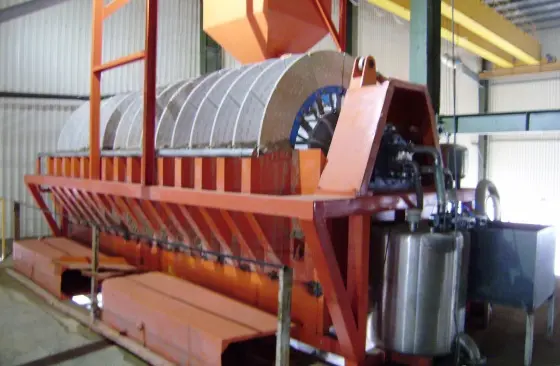
Client: Heavy Mineral Sands Producer Feedstock: Ilmenite Concentrate (TiO₂ 52-55%) Final Product: Rutile-Grade TiO₂ (≥94% purity)
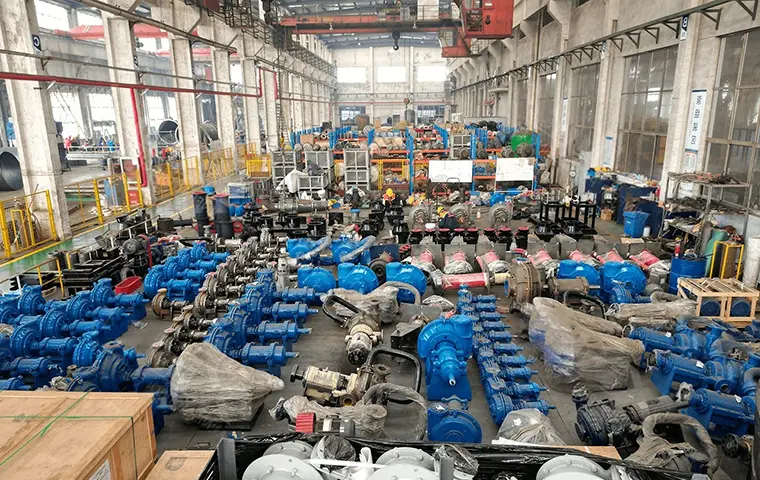
Raw Ore: Crystalline Flake Graphite Ore Feed Carbon Grade: 8–12% (Variable) Final Product: High-Purity Flake Graphite Concentrate
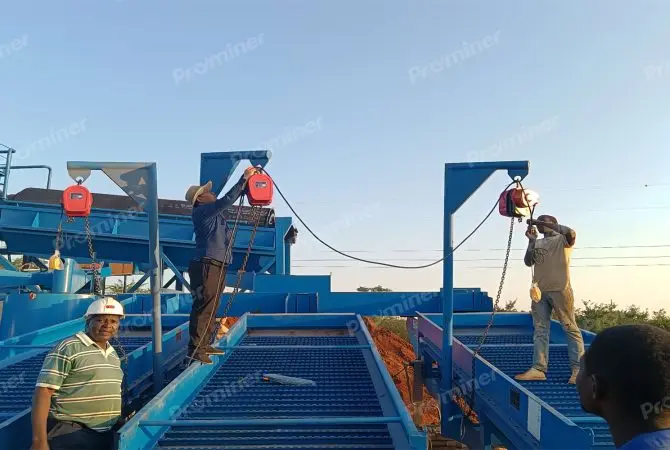
Raw Ore: Alluvial gold ore from river bed Gold Grade: 0.8 g/t
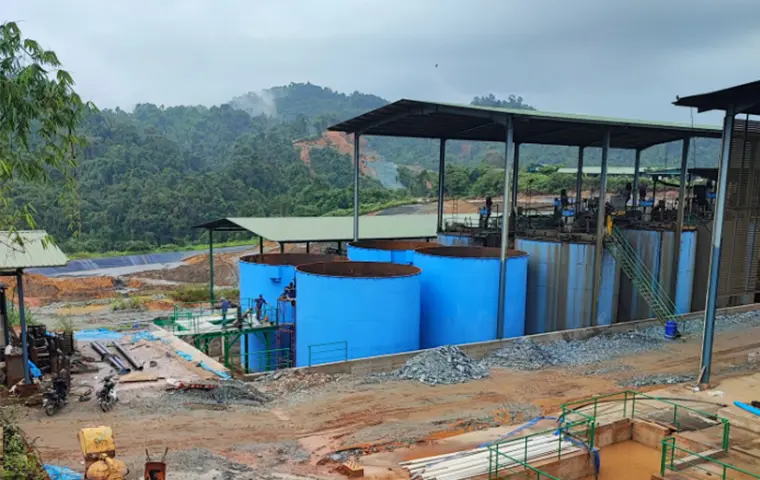
Raw Ore: Refractory and Semi-Refractory Sulfide Gold Ore Gold Grade: 2.65 g/t Gold Ingot Purity: ≥95.5%
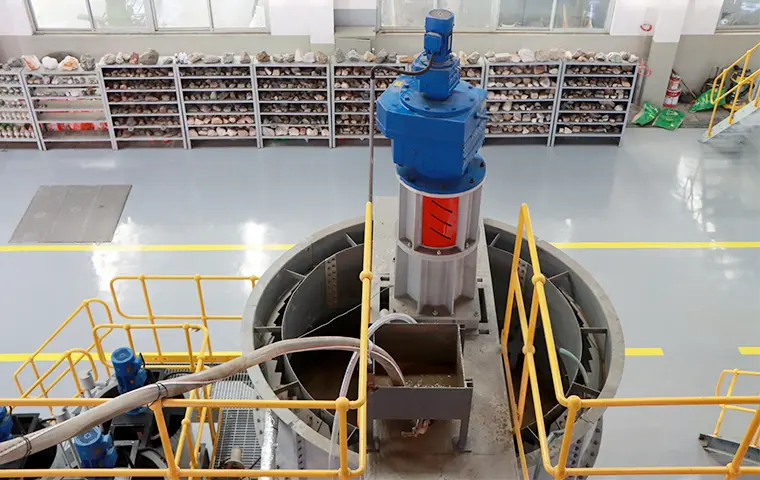
Raw Ore: High-Silica Phosphate Ore P2O5 Grade: 22% SiO2 Content: 35%
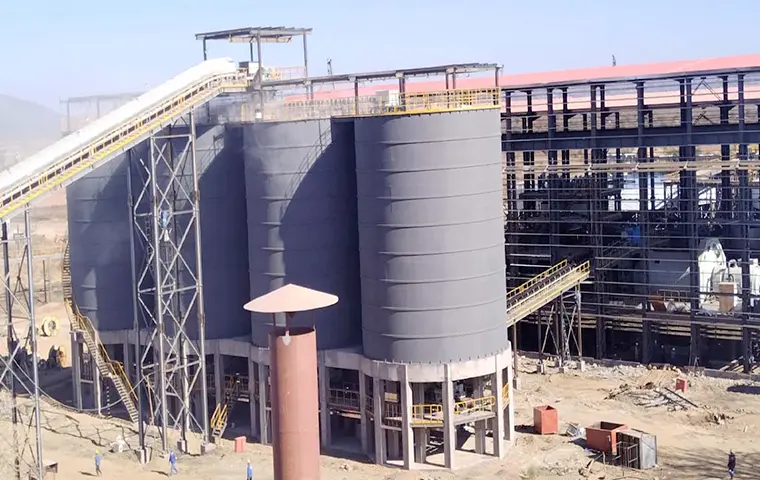
Raw Ore: Lithium-bearing pegmatite ore (mainly Spodumene) Li₂O Grade: 1.15% Concentrate Grade: 5.5% Li₂O
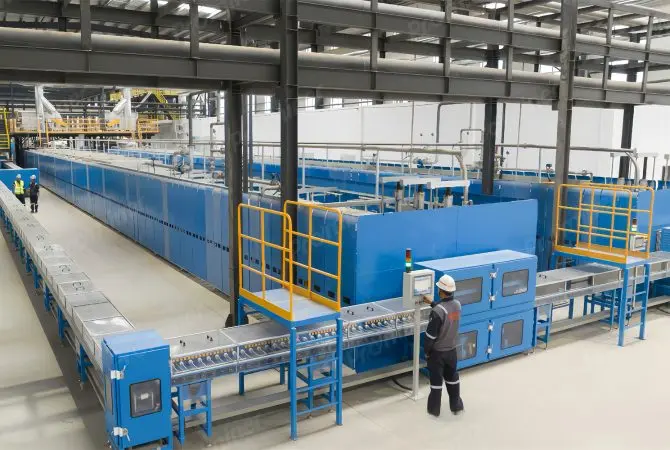
We can provide the complete solution for high temperature carbonization treatment system
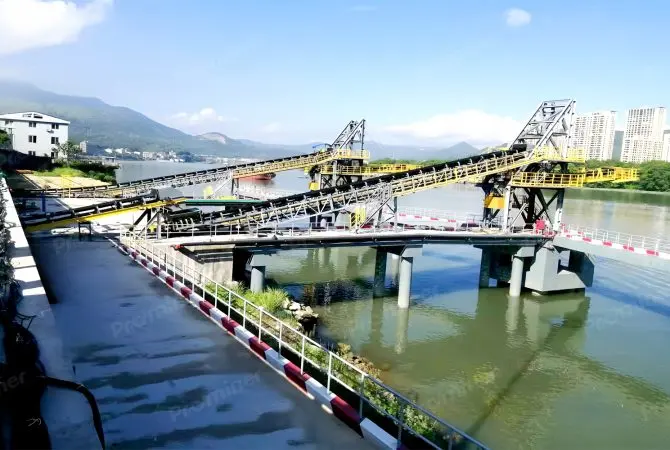
We can provide the solution of belt conveyors for different purposes include steeply inclined belt conveyor
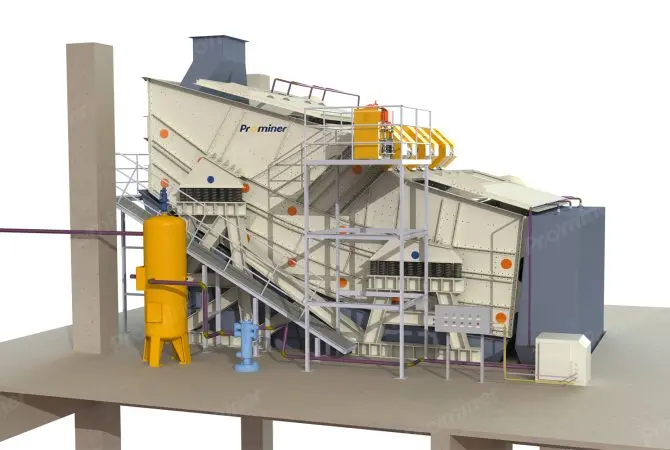
Banana screen is also well known as constant bed thickness screen. Prominer has the ability to supply dry
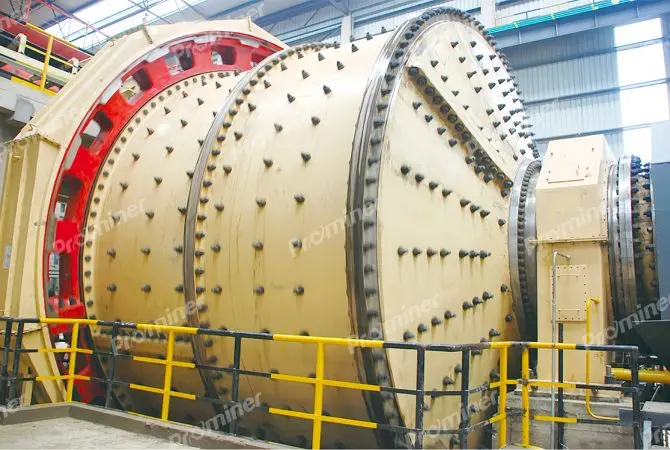
AG/SAG is short for autogenous mill and semi-autogenous mill, it combines with two functions of crushing
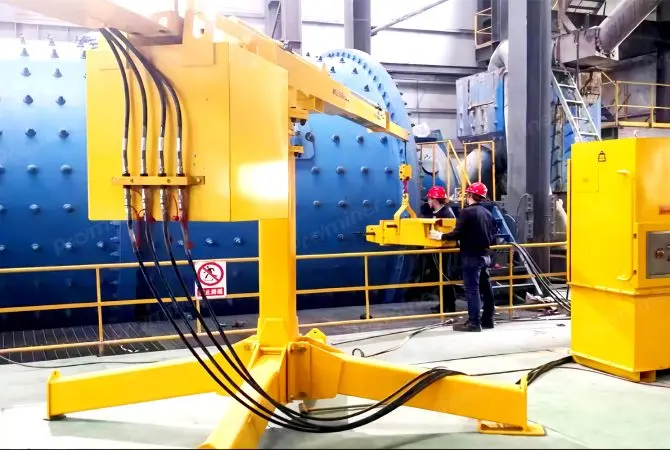
We can manufacture the highly automated and powerful recoilless Bolt Hammer to remove
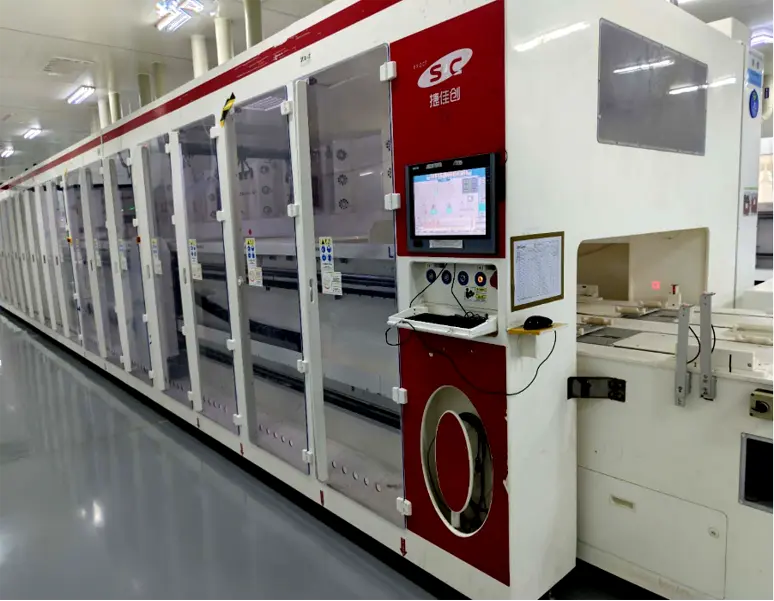
Such as: Boron diffusion furnace, BSG removal, Alkali polishing machine, PE-POLY…
To find out more about our products and solutions, please fll out the form below and one of our experts will get back to you shortly
3000 TPD Gold Flotation Project in Shandong Province
2500TPD Lithium Ore Flotation in Sichuan
Fax: (+86) 021-60870195
Address: No.2555,Xiupu Road, Pudong, Shanghai
Copyright © 2023. Prominer (Shanghai) Mining Technology Co.,Ltd.


