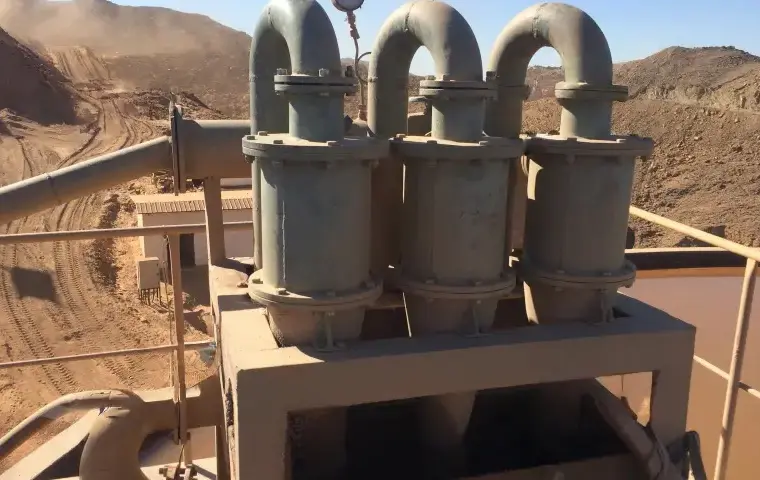
Gold CIL process (carbon in leaching) is very popular way to process the high grade oxide type gold ore




Grinding circuits are the heart of mineral processing operations, and even small inefficiencies can translate into significant production losses and higher operating costs. While many factors influence performance, three variables consistently have the most dramatic impact on grinding circuit efficiency. Understanding and controlling these variables is essential for maximizing throughput, improving recovery, and reducing energy consumption.
One of the most critical variables affecting grinding circuit efficiency is the size and distribution of the feed entering the mill.
When feed material is too coarse, the mill must expend significantly more energy to achieve the target grind size. This reduces throughput and can overload the circuit. Coarse particles also increase liner wear and grinding media consumption, raising maintenance costs.
Equally problematic is an inconsistent or highly variable feed size distribution. Large swings in feed size make it difficult to stabilize mill operation. The circuit may constantly adjust to changing conditions, reducing classification efficiency and leading to overgrinding of fines while coarse particles remain underprocessed.
Maintaining a consistent and appropriately sized feed—often through effective blasting, crushing, and screening practices—can dramatically improve grinding efficiency and overall plant stability.
Circulating load refers to the amount of material returned from the classifier back to the mill for further grinding. While a properly controlled circulating load improves classification efficiency and particle size control, excessive circulating load can severely reduce circuit performance.
High circulating loads increase the volume of material inside the mill without increasing fresh feed throughput. This leads to:
An overloaded circuit often experiences poor classification efficiency, resulting in both overgrinding and undergrinding. The mill works harder but produces less usable product.
Optimizing cyclone performance, maintaining proper pump operation, and monitoring density and pressure are critical to keeping circulating load within an optimal range.
Pulp density (the ratio of solids to water in slurry) plays a central role in grinding performance. Both overly dilute and overly dense conditions can significantly reduce efficiency.
If the slurry is too dilute:
If the slurry is too dense:
Water balance across the grinding and classification circuit directly affects pulp density. Inconsistent water addition, fluctuating cyclone feed density, or poor sump level control can destabilize the entire system.
Maintaining the correct pulp density ensures optimal media movement, efficient particle breakage, and proper classification performance.
While many variables influence grinding circuit performance, feed size distribution, circulating load, and pulp density consistently have the most dramatic impact on efficiency. Each of these factors directly affects energy utilization, throughput, and product size control.
By focusing on stabilizing feed characteristics, optimizing circulating load, and maintaining proper water balance, operations can significantly improve grinding efficiency, reduce operating costs, and increase overall plant performance.
A: Mineral characteristics vary significantly even within the same ore body. A professional test (such as chemical analysis, XRD, and SEM) ensures the flowchart is optimized for your specific ore grade and liberation size. This prevents costly equipment mismatches and guarantees the highest possible recovery rates for your project.
A: We maintain a permanent stock of core wear parts (such as crusher liners, screen meshes, and grinding media). For international clients, we provide a recommended “2-year spare parts list” with the initial purchase. Technical support is available 24/7 via remote video, and site visits can be arranged for complex maintenance needs.
A: Yes. We send a team of senior mechanical and electrical engineers to the site to oversee the installation, commissioning, and load testing of the equipment. We also provide comprehensive on-site training for your local operators to ensure smooth long-term operation.
A: Absolutely. We specialize in providing EPCM (Engineering, Procurement, Construction Management) services. This includes everything from initial ore testing and mine design to equipment manufacturing, logistics, and full-scale plant integration, ensuring a seamless transition from greenfield to production.
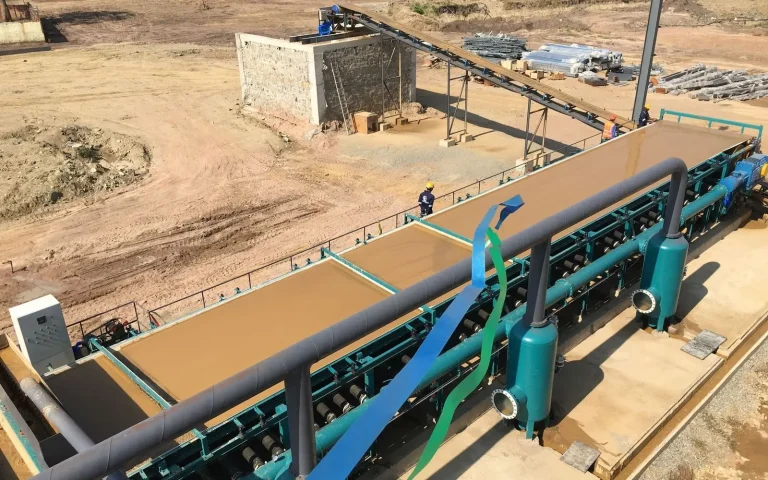
Gold CIL process (carbon in leaching) is very popular way to process the high grade oxide type gold ore
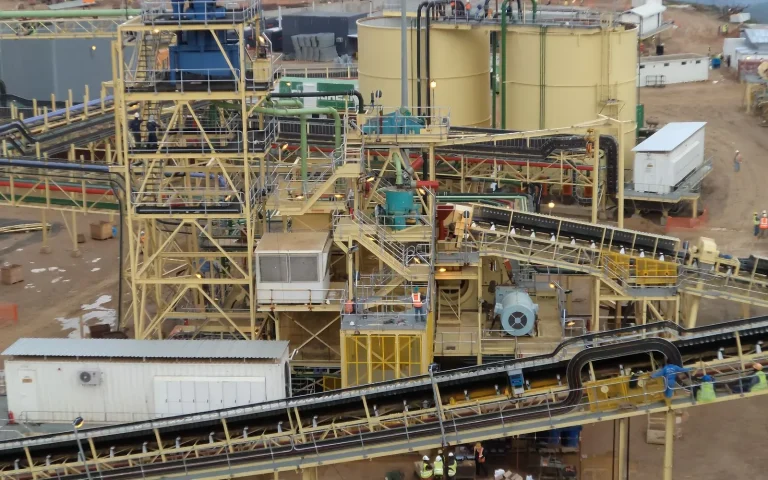
Provide important equipment in the gold ore processing process, such as CIL/CIP System, Flotation Cell…
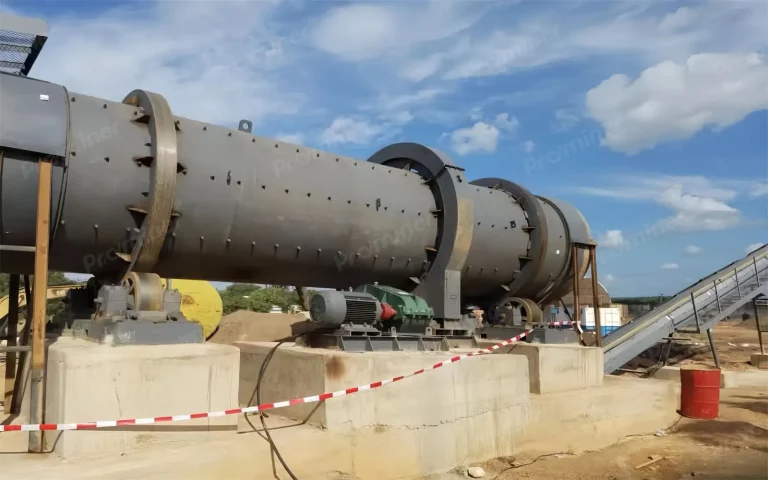
Heap leaching is a traditional cyanide leaching processing way which is flexible and economic to extract gold

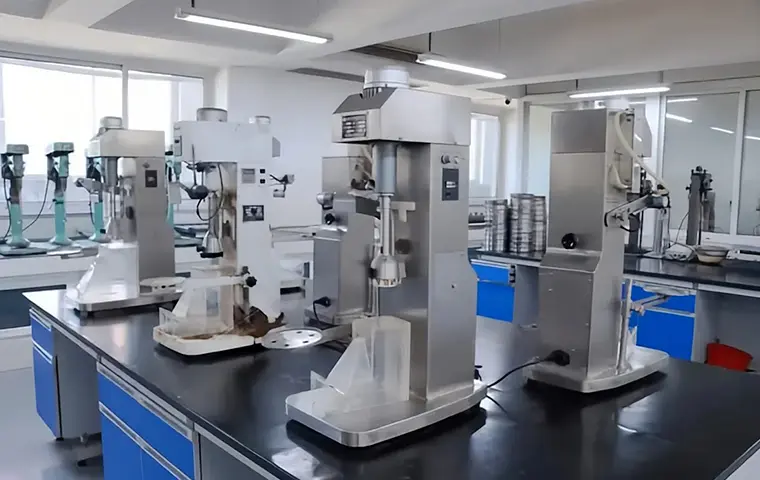
Raw Material: Various types of ore samples (gold, lithium, graphite, etc.) Lab Capacity: 50–100 samples per day
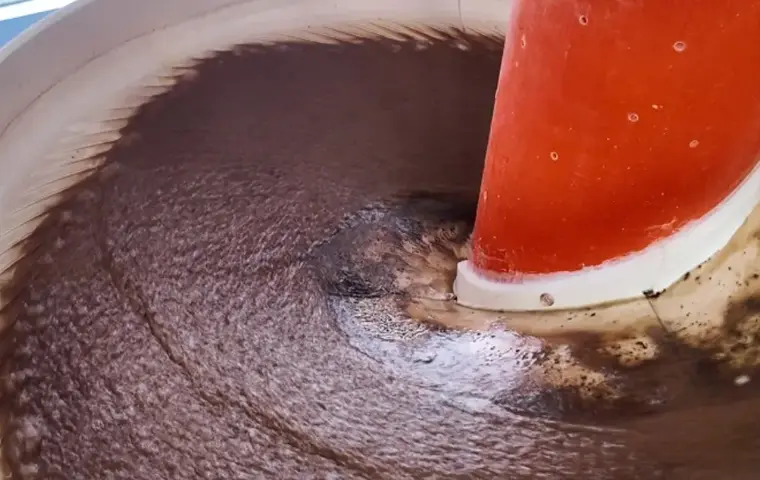
Raw Material: Iron ore tailings Processing Capacity: 800 tons per day
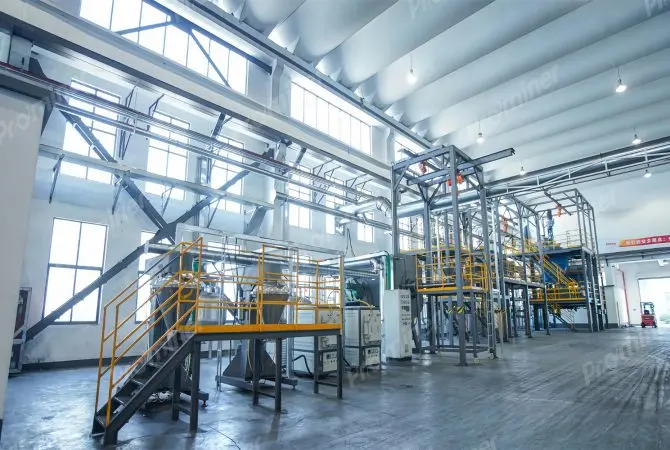
Raw Material: Needle coke and petroleum coke Project Capacity: 50 kgs per hour
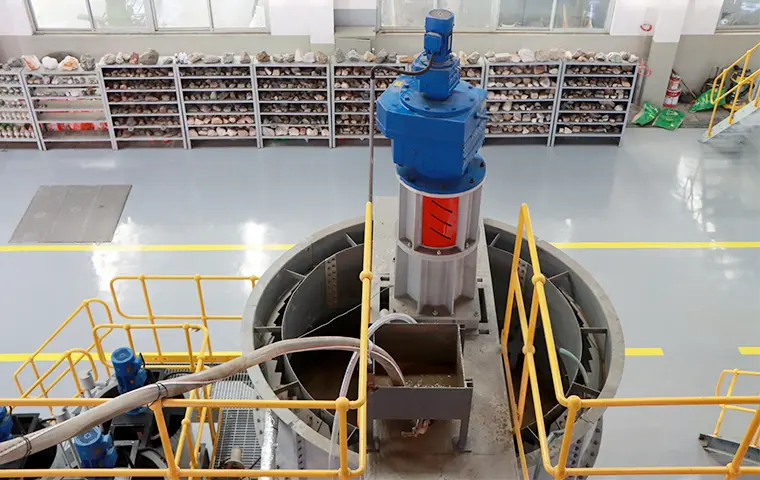
Raw Ore: High-Silica Phosphate Ore P2O5 Grade: 22% SiO2 Content: 35%
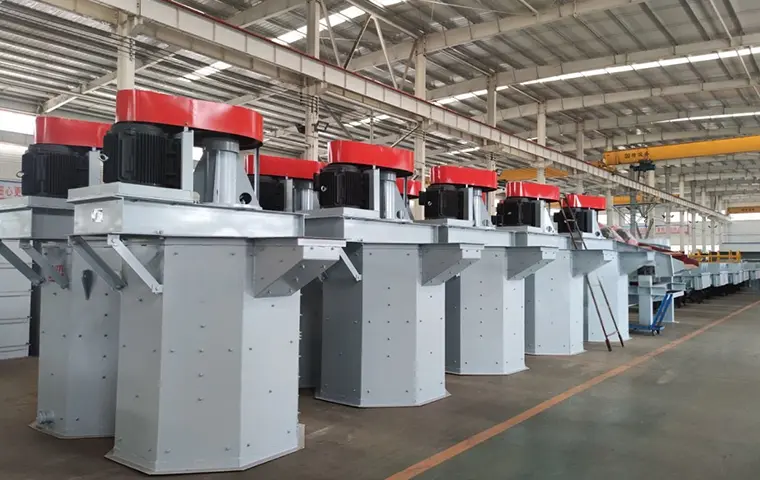
Raw Material: Quartz ore with impurities (Fe, Al, etc.) Quartz Grade: 98.5% SiO₂ Final Product: High-purity quartz sand (99.9% SiO₂)
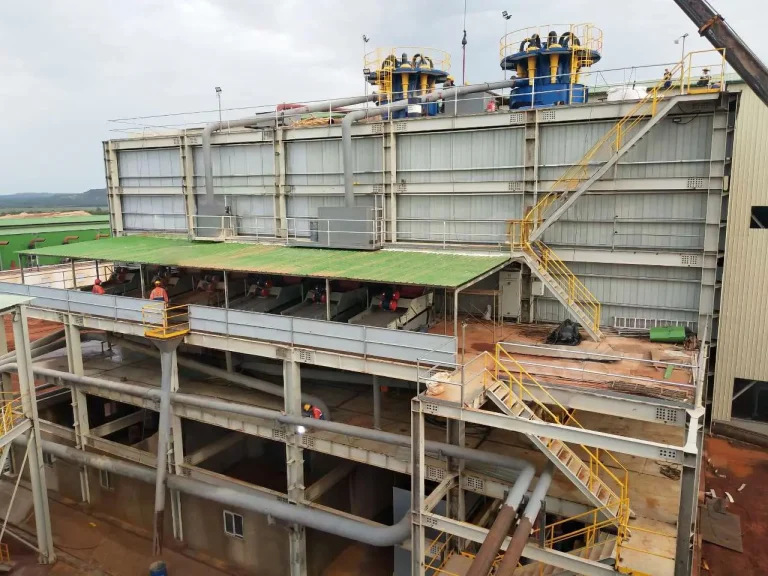
Raw Ore: Alluvial Gold Ore from River Deposits Gold Grade: 0.7 g/t (average) Recovery Rate: 90%
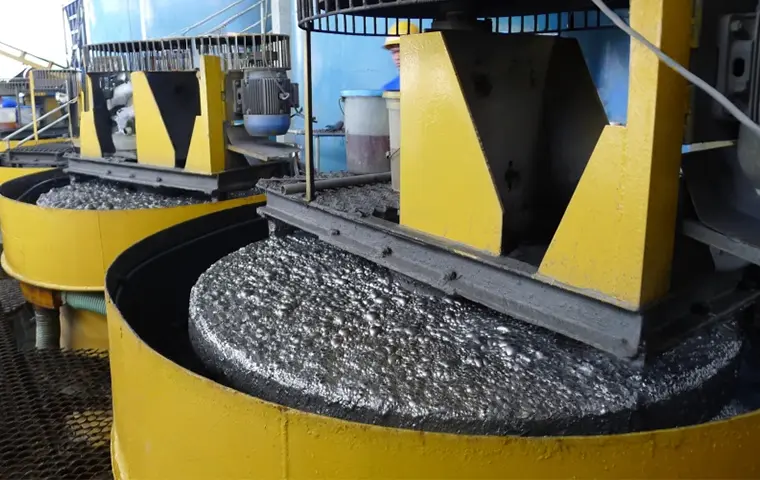
Raw Ore: Mixed Oxide Type Gold-Copper Ore Gold Grade: 1.5 g/t Copper Grade: 0.8%
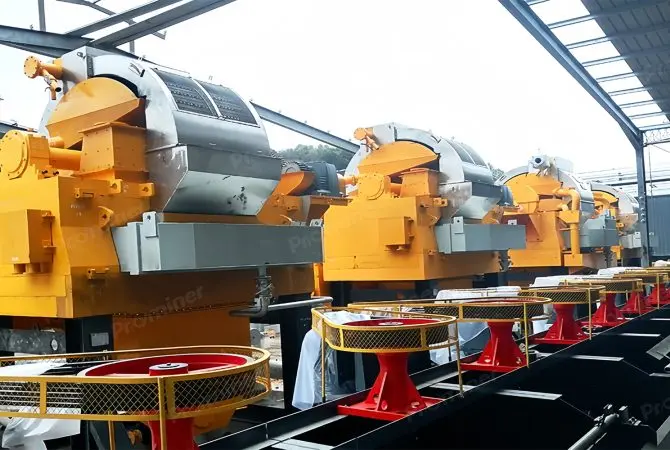
Prominer can provide different HIMS (High Intensity Magnetic separator) magnetic separators
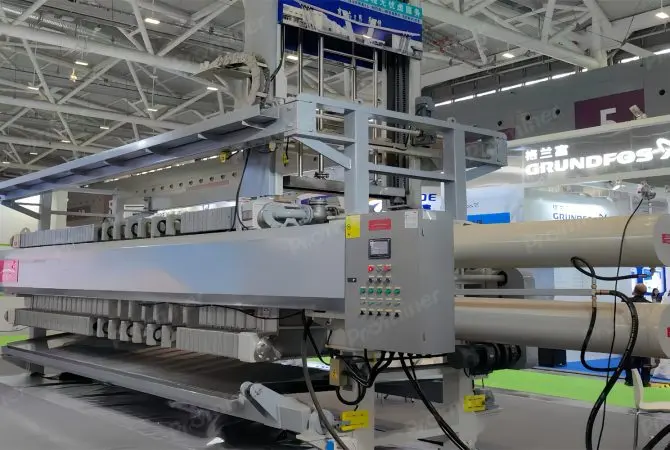
Prominer can provide press filter, belt vacuum filter, disk vacuum filter and ceramic filter
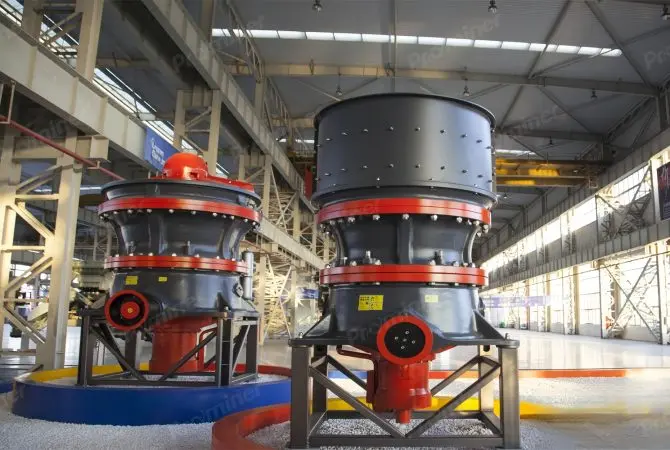
Single-cylinder hydraulic cone crusher have two series based on different cavity, S-cavity is designed
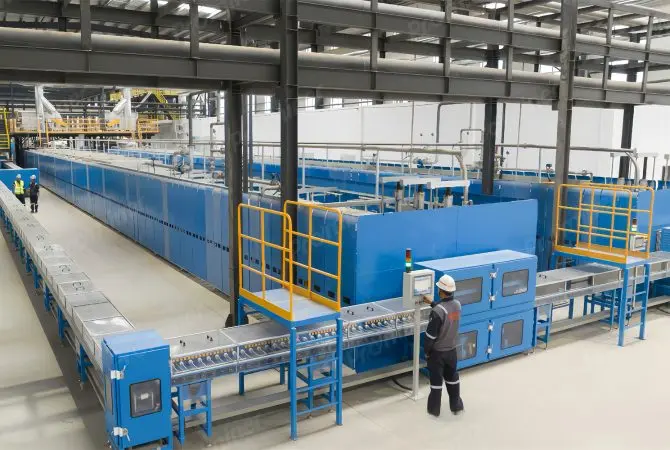
We can provide the complete solution for high temperature carbonization treatment system
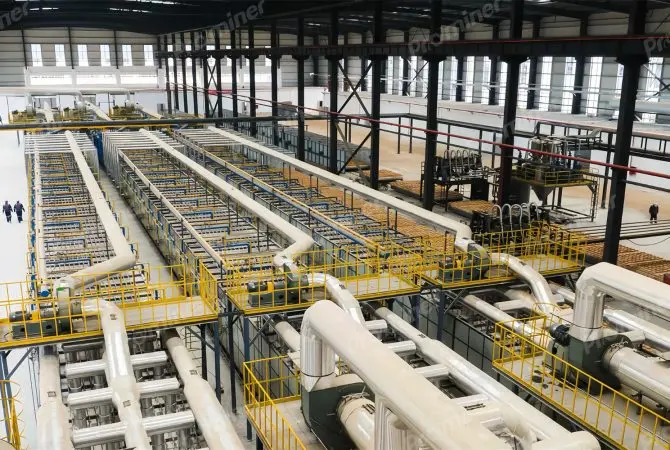
Prominer provides various types of furnaces for primary and secondary baking of carbon
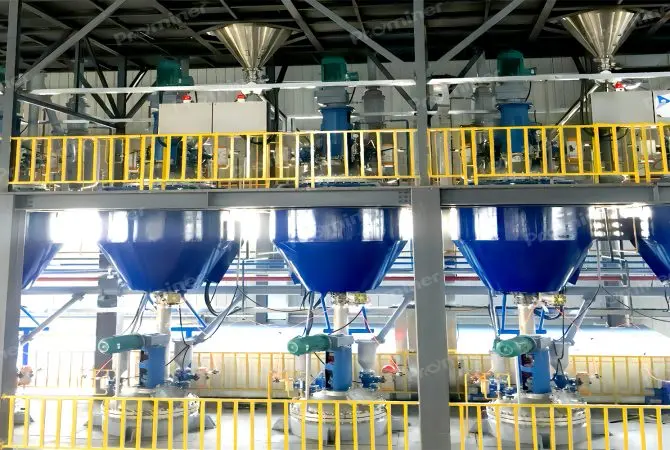
Our granulation reactor combines the coating and granulation processing functions together
To find out more about our products and solutions, please fll out the form below and one of our experts will get back to you shortly
3000 TPD Gold Flotation Project in Shandong Province
2500TPD Lithium Ore Flotation in Sichuan
Fax: (+86) 021-60870195
Address: No.2555,Xiupu Road, Pudong, Shanghai
Copyright © 2023. Prominer (Shanghai) Mining Technology Co.,Ltd.