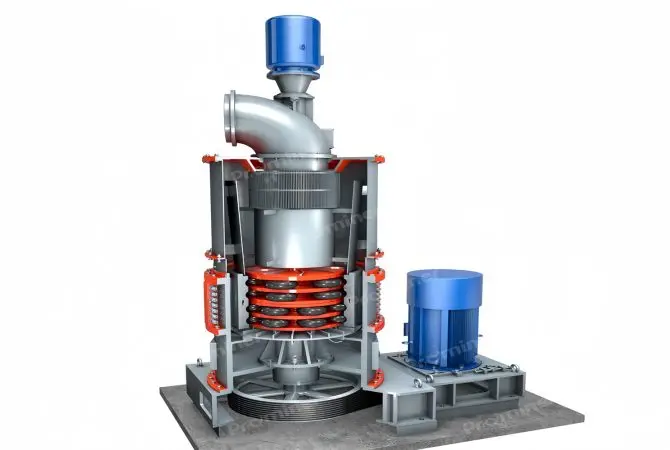
Heap leaching is a traditional cyanide leaching processing way which is flexible and economic to extract gold



The phosphate processing method used for maximizing grade and recovery depends on the mineralogical composition, impurities, and particle size of the ore. Below are some effective and commonly used methods for phosphate ore processing that optimize grade and recovery:
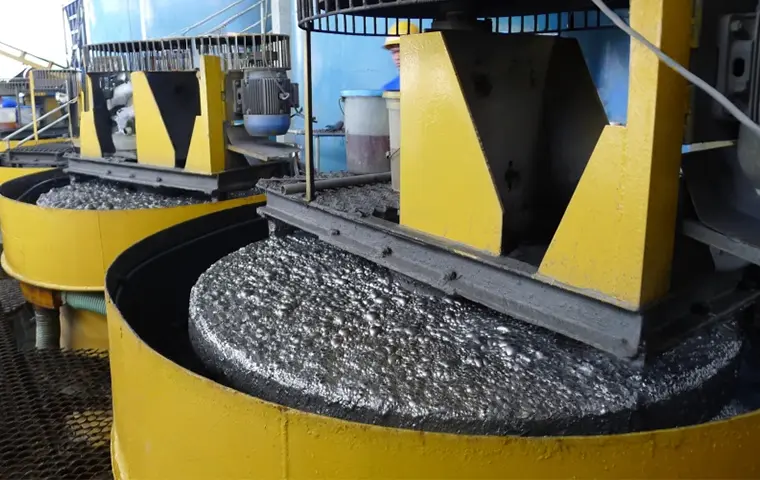
Froth flotation is the most widely used and effective method for maximizing phosphate grade and recovery, especially for fine-grained ores. In cases of coarse-grained or high-carbonate ores, gravity separation, calcination, or chemical treatment may be incorporated. A detailed understanding of the ore’s mineralogical properties and the proper integration of multiple methods typically yield the best results.
Prominer (Shanghai) Mining Technology Co., Ltd. specializes in providing complete mineral processing and advanced materials solutions globally. Our core focus includes: gold processing, lithium ore beneficiation, industrial minerals. Specializing in anode material production and graphite processing.
Products include: Grinding & Classification, Separation & Dewatering, Gold Refining, Carbon/Graphite Processing and Leaching Systems.
We offer end-to-end services including engineering design, equipment manufacturing, installation, and operational support, backed by 24/7 expert consultation.
Our Website Url: https://www.prominetech.com/
Our Email: [email protected]
Our Sales: +8613918045927(Richard), +8617887940518(Jessica), +8613402000314(Bruno)
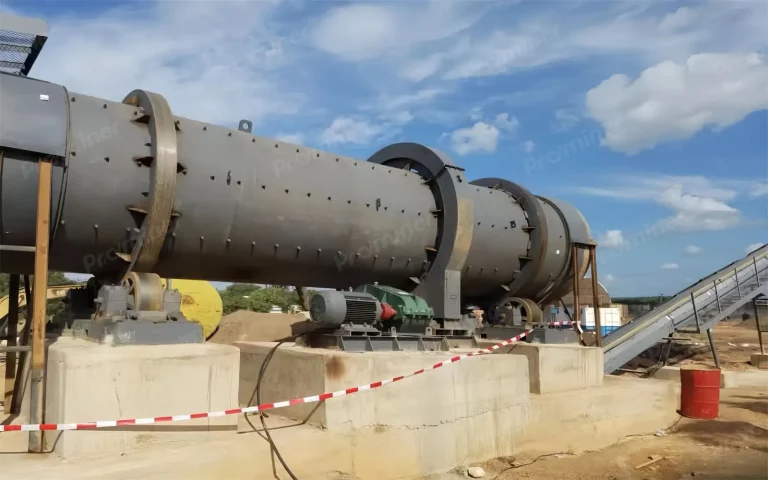
Heap leaching is a traditional cyanide leaching processing way which is flexible and economic to extract gold
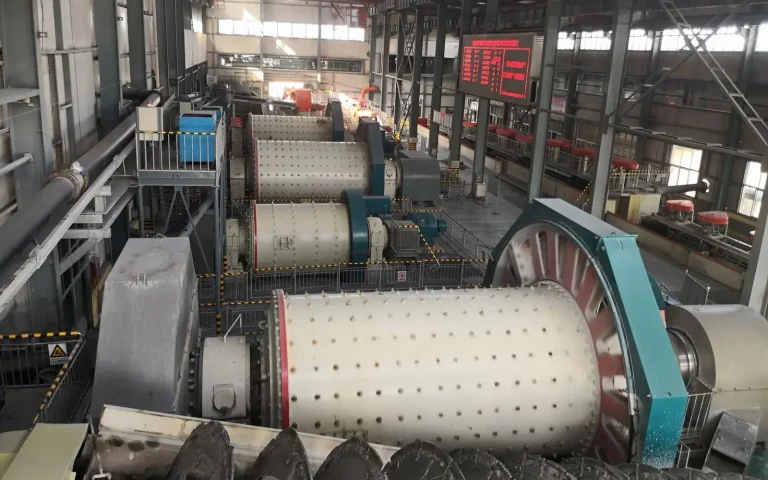
Spodumene and lepidolite are very important lithium bearing minerals and they are very easy to recover
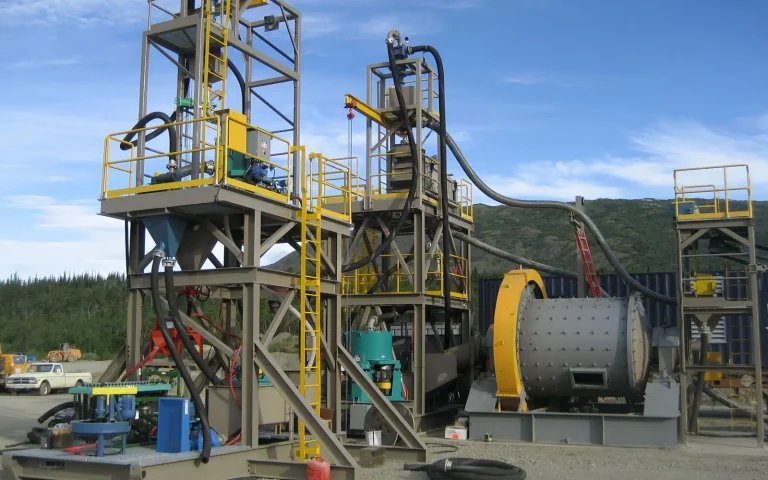
The best-known of the exogenetic ores is alluvial gold which also called placer gold. Alluvial gold refers

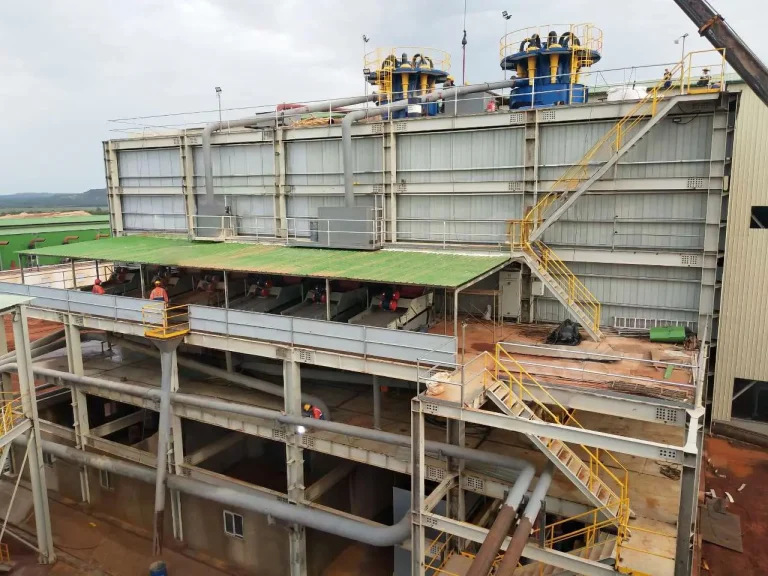
Raw Ore: Alluvial Gold Ore from River Deposits Gold Grade: 0.7 g/t (average) Recovery Rate: 90%
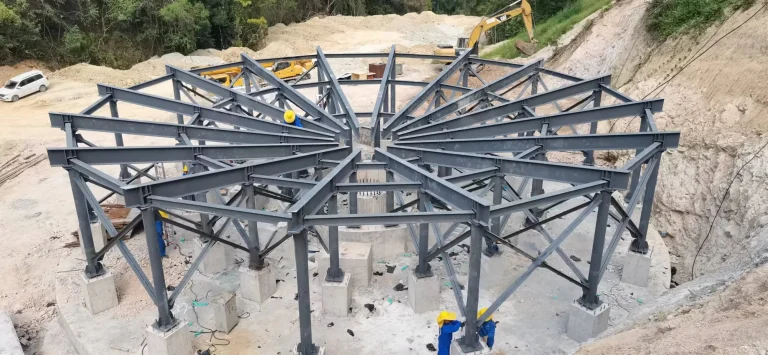
Raw Material: Fluorite Ore (CaF₂) Fluorite Grade: 35-40% Concentrate Grade: ≥97% CaF₂
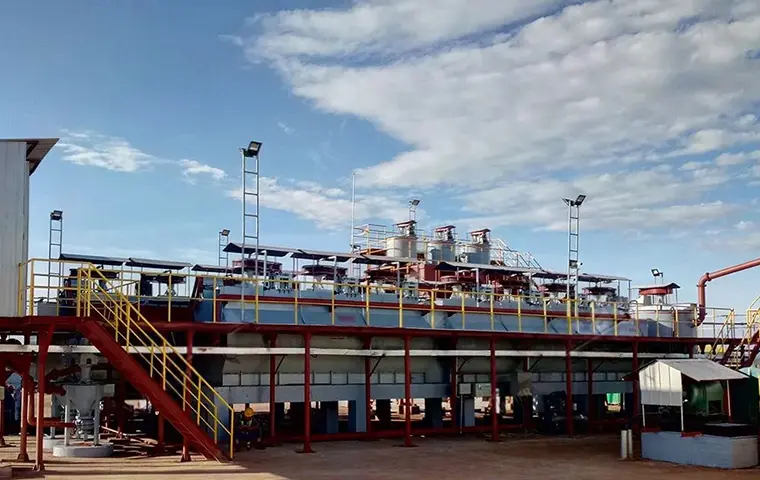
Raw Ore: Gold ore with high arsenic content Gold Grade: 3.5 g/t Arsenic Content: 2.1%
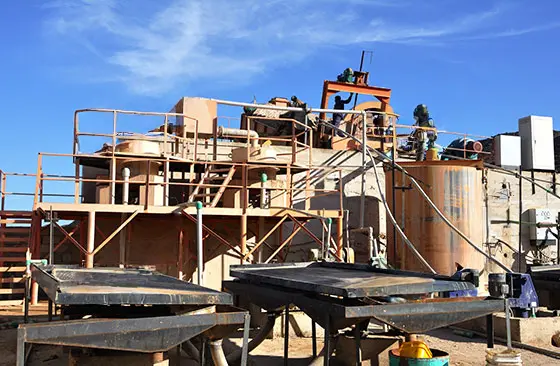
Raw Ore: Sulfide Gold-Copper Ore (Au-Cu ratio: 1:1.2) Gold Grade: 2.8 g/t Copper Grade: 0.85%
Raw Material: Natural Graphite Ore Concentrate Grade: 95% C TGC Final Product: Graphite Flotation Concentrate
Raw Ore: Mixed Oxide Type Gold-Copper Ore Gold Grade: 1.5 g/t Copper Grade: 0.8%
Raw Material: Quartz ore with impurities (Fe, Al, etc.) Quartz Grade: 98.5% SiO₂ Final Product: High-purity quartz sand (99.9% SiO₂)
Raw Material: Artificial graphite anode, Natural graphite anode
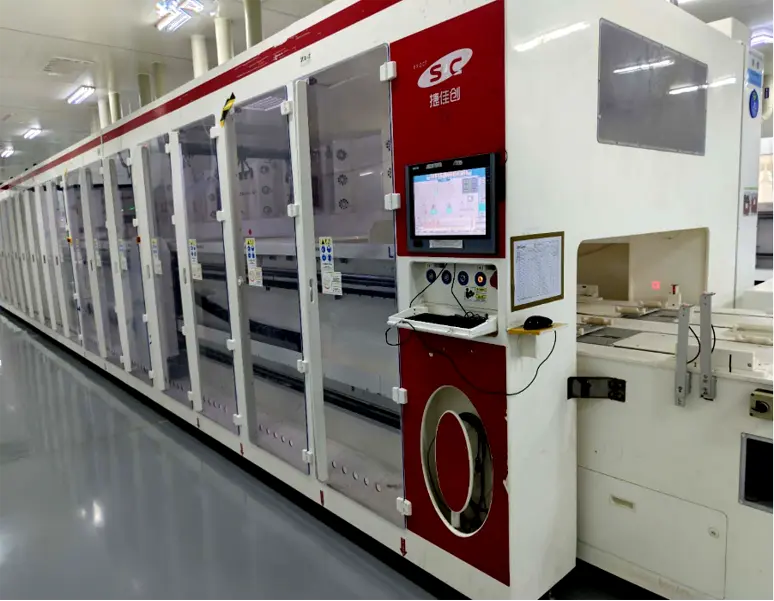
Such as: Boron diffusion furnace, BSG removal, Alkali polishing machine, PE-POLY…
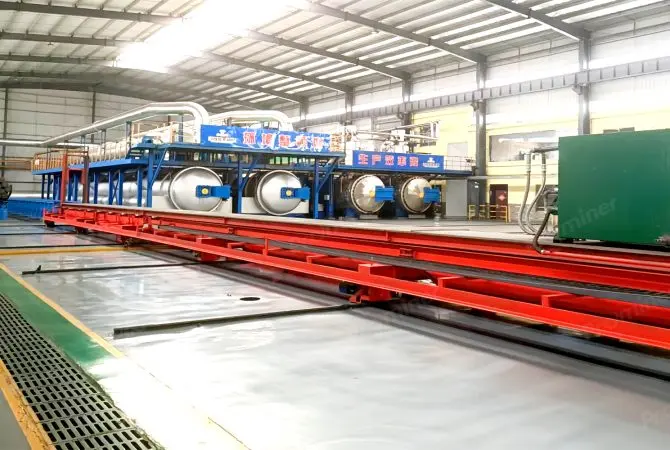
We can provide hot-in and cold-out type high-pressure impregnation of once-baked graphite
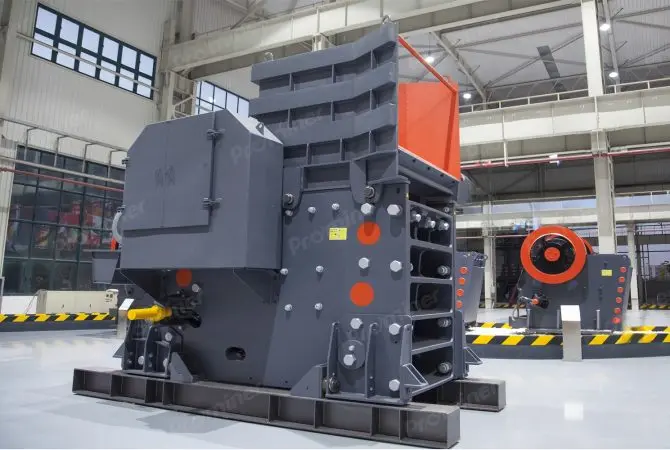
Jaw Crusher, its opening size determines its max feeding size. The crushing chamber of a jaw crusher
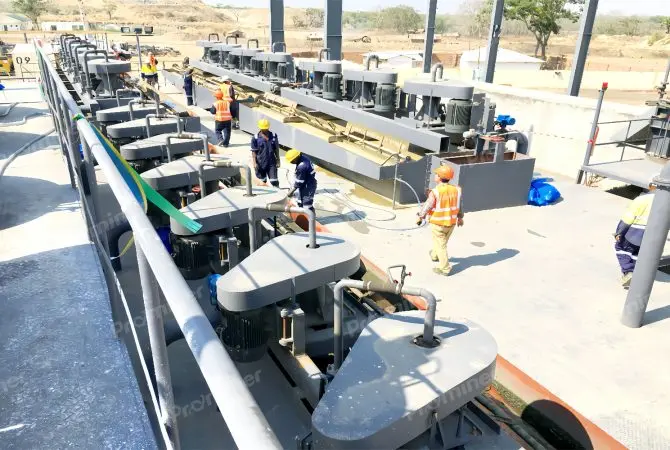
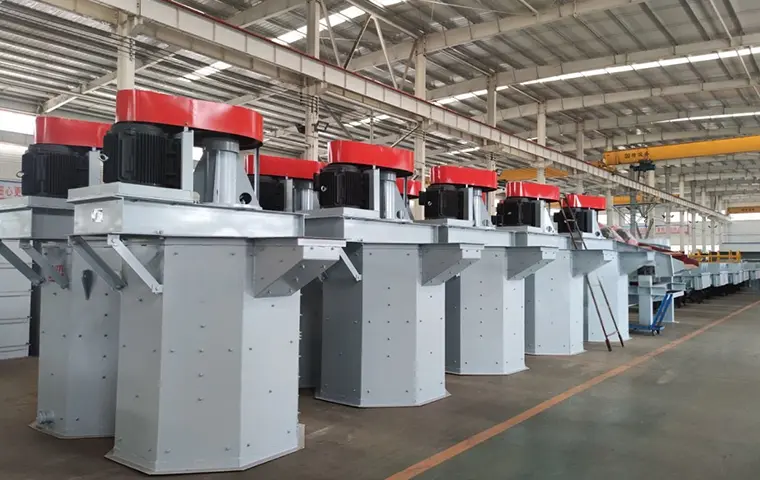
Prominer can provide SF series self-priming flotation machine and XCF/KYF series pneumatic flotation cell
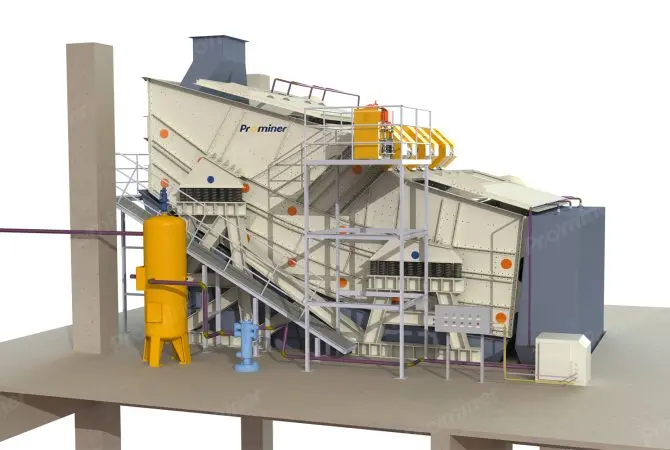
Banana screen is also well known as constant bed thickness screen. Prominer has the ability to supply dry
To find out more about our products and solutions, please fll out the form below and one of our experts will get back to you shortly
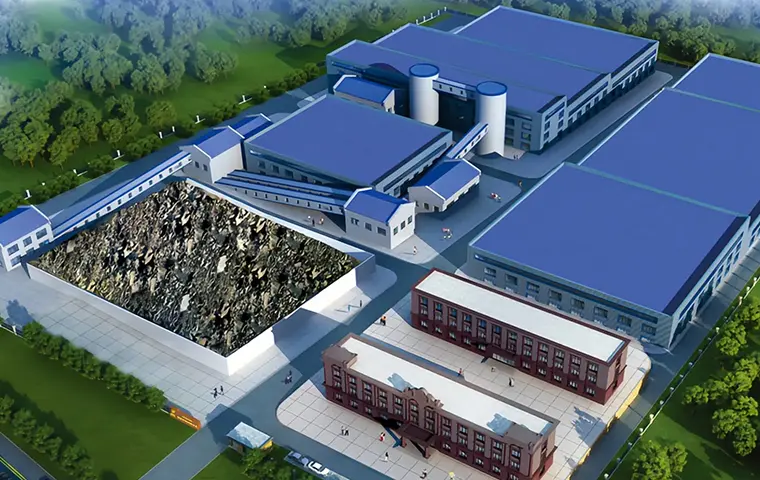
3000 TPD Gold Flotation Project in Shandong Province
2500TPD Lithium Ore Flotation in Sichuan
Fax: (+86) 021-60870195
Address: No.2555,Xiupu Road, Pudong, Shanghai
Copyright © 2023. Prominer (Shanghai) Mining Technology Co.,Ltd.