

Provide the complete solution for making graphite anode materials include grinding, shaping, purification…




Iron ore dressing, also known as ore beneficiation, is the process of preparing raw iron ore so it can be used efficiently in steelmaking and other industrial applications. Modern iron ore dressing plants rely on a combination of crushing, screening, grinding, separation, dewatering, and automation equipment to improve ore grade, reduce waste, and increase recovery.
Below is a clear look at the essential equipment used in modern iron ore dressing.
Crushing is the first major step in iron ore dressing. Large mined ore must be reduced into smaller, manageable sizes before further processing.
The most common crushing equipment includes:
Modern crushing systems are designed for high throughput, energy efficiency, and reduced wear. Multi-stage crushing circuits help prepare ore for grinding while maintaining consistent particle size.
After crushing, iron ore is typically passed through screening equipment to separate material by size. Screening improves the efficiency of downstream processes by ensuring only suitably sized ore moves to the next stage.
Essential screening equipment includes:
These machines classify ore into different fractions. Oversized material is returned for further crushing, while undersized material proceeds to grinding or beneficiation.
Grinding is crucial in iron ore dressing because valuable minerals often need to be liberated from gangue through fine size reduction.
The main grinding equipment used includes:
The choice of grinding equipment depends on ore hardness, plant capacity, and required product size. Efficient grinding is essential because it strongly affects both energy consumption and the performance of separation equipment.
Classification equipment works alongside grinding systems to control particle size and ensure proper separation conditions.
Common equipment includes:
Hydrocyclones are especially common in modern plants because they provide efficient, high-capacity classification in closed-circuit grinding systems. Proper classification prevents overgrinding and helps optimize recovery.
Since iron ore often contains magnetic minerals such as magnetite, magnetic separation is one of the most important steps in beneficiation.
Key magnetic separation equipment includes:
Magnetic separators help increase iron content by removing non-magnetic gangue. In magnetite processing plants, they are often the core equipment in the entire dressing circuit.
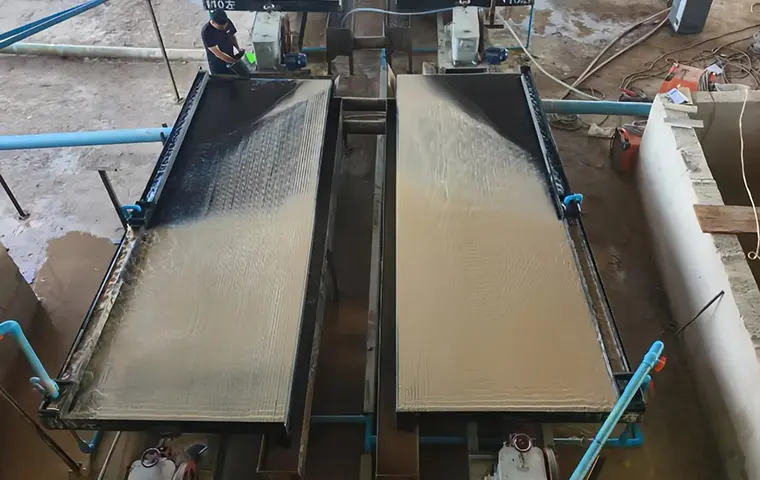
In some iron ore operations, gravity separation is used to recover iron minerals based on density differences. This method can be especially useful for coarse particles or in specific ore types.
Typical gravity separation equipment includes:
Although not always the primary beneficiation method, gravity separation can be highly effective when combined with magnetic separation or flotation.
Flotation is used when iron minerals must be separated from silica, phosphorus-bearing minerals, or other impurities that cannot be removed effectively by magnetic or gravity methods alone.
Essential flotation equipment includes:
Reverse flotation is commonly applied in iron ore dressing, where gangue minerals are floated away while iron-bearing minerals remain in the slurry. This approach is widely used for producing high-grade concentrates.
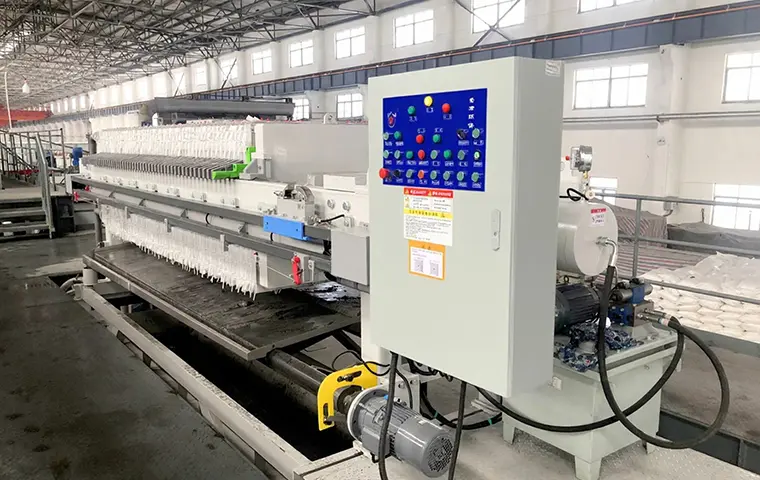
Once beneficiation is complete, the concentrate must be dewatered for handling, transport, and further use. Tailings also require dewatering to reduce disposal volume and water loss.
Important dewatering equipment includes:
Efficient dewatering reduces moisture in final concentrate, improves water recovery, and supports more sustainable plant operation.
Modern iron ore dressing plants process large volumes of slurry, so reliable slurry transport equipment is essential.
This category includes:
Because iron ore slurries are abrasive, this equipment must be designed for durability and minimal downtime.
To maintain steady plant performance, ore must move efficiently between each process stage.
Essential feeding and conveying equipment includes:
These systems ensure controlled material flow, reduce bottlenecks, and support continuous plant operation.
Accurate sampling and analysis are vital for process control in modern iron ore dressing plants.
Common equipment and systems include:
These tools help operators monitor ore grade, recovery, particle size distribution, and moisture content in real time.
Modern iron ore dressing depends increasingly on intelligent control systems to maximize recovery and reduce operating costs.
Important automation technologies include:
Automation improves process stability, energy efficiency, equipment utilization, and maintenance planning.
Tailings handling is now a major part of modern ore dressing due to environmental and water management requirements.
Essential tailings-related equipment includes:
Effective tailings management equipment reduces environmental risk and helps plants meet stricter regulatory standards.
Iron ore dressing equipment operates under highly abrasive conditions, so maintenance support systems are critical.
Examples include:
These solutions extend equipment life and lower unplanned downtime.
The essential equipment in modern iron ore dressing covers the full processing chain: crushing, screening, grinding, classification, separation, dewatering, conveying, automation, and tailings management. The exact combination depends on the ore type, plant scale, target concentrate grade, and environmental requirements.
In today’s beneficiation plants, the most important trend is not just using individual machines, but integrating them into an efficient, automated, and sustainable processing system. When properly selected and coordinated, this equipment enables higher recovery, better product quality, lower operating costs, and improved environmental performance.
A: A handful of variables drive most of the variation in recovery and grade: grind size (liberation), pulp density, reagent type and dosage, residence time, pH, and — for magnetic separation — field intensity and feed rate. Changing one without adjusting the others usually backfires. The practical way to find your optimum is a structured test program: vary one parameter at a time on your actual ore and measure recovery and grade at each point. We run this kind of parameter study during lab and pilot testing, then carry the settings into the plant design and re-tune them during commissioning.
A: Three properties matter most: whether the valuable mineral is sulfide or oxide, how coarsely or finely it is disseminated in the gangue, and what gangue minerals accompany it. Coarse, high-density minerals respond well to gravity separation; magnetic minerals to magnetic separation; fine sulfide minerals to flotation; oxide or low-grade ores often to leaching. Many ores need a staged combination. Because two deposits carrying the same metal can behave completely differently, the flowsheet has to be built from your ore’s own test data — not copied from a similar project.
A: A single method rarely hits both target recovery and target grade when the ore contains multiple valuable minerals, spans a wide particle size range, or carries problematic gangue. Then a combined flowsheet is justified — for example, gravity pre-concentration to reject coarse waste early, magnetic separation ahead of flotation to remove magnetic minerals, or staged grinding and classification to liberate progressively. The added circuit costs more, but it usually pays back through higher overall recovery and lower reagent and energy consumption per tonne.
A: Refractory ores resist standard processing — gold locked inside sulfide minerals, ores that consume excessive reagents, carbonaceous ores that re-adsorb dissolved gold, fine or clay-rich ores that slime badly, or oxide ores that float poorly. Treatment usually adds a step ahead of or instead of the conventional circuit: finer grinding, oxidation pre-treatment, roasting, or a switch from flotation to leaching. Identifying the specific cause through diagnostic testwork is essential, because each cause has a different fix and the wrong one wastes capital.
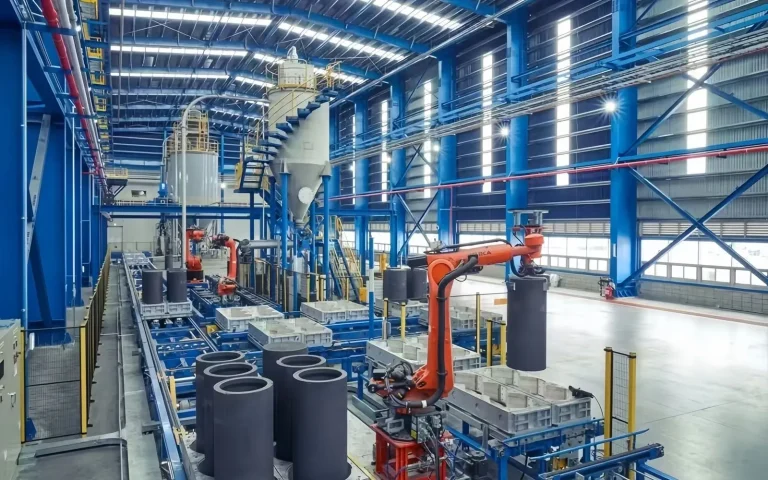
Provide the complete solution for making graphite anode materials include grinding, shaping, purification…
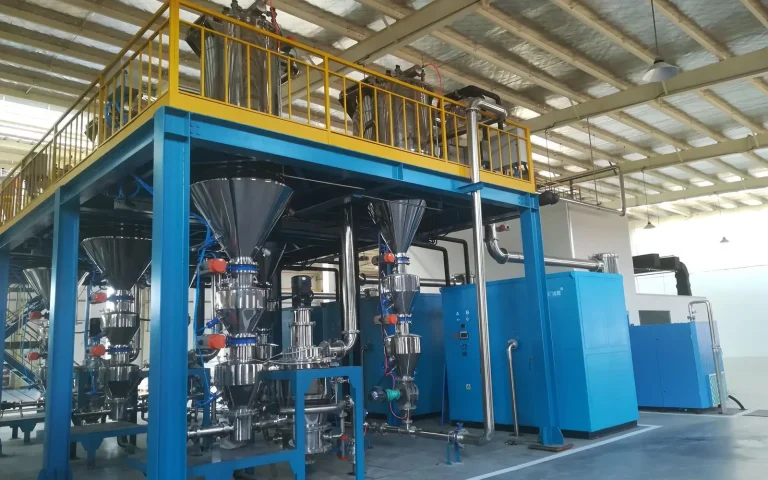
Silicon based anode is one kind of composite anode material by compounding silicon
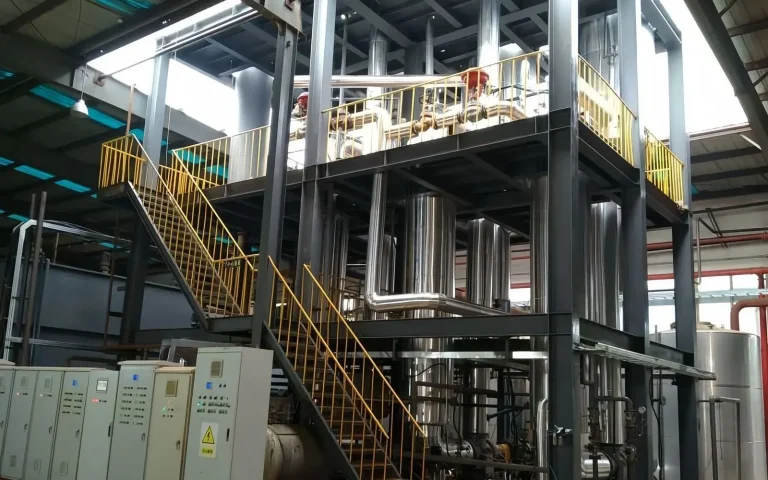
We can provide direct lithium extraction (DLE) solution to recover the lithium from salt lake brine

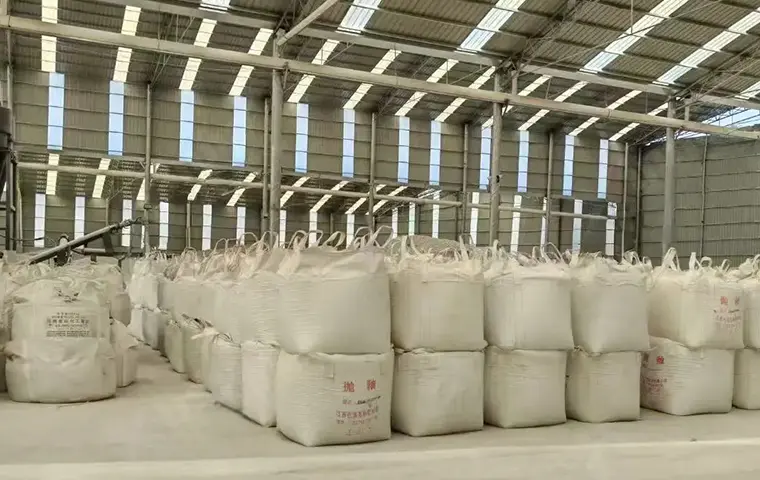
Raw Ore: High-grade Wollastonite ore with associated Garnet and Diopside Feed Grade: 65-70% Wollastonite
Raw Ore: Sulfide Type Copper Ore (Mainly Chalcopyrite) Copper Grade: 0.8% Final Product: Copper Concentrate
Raw Ore: Antimony sulfide ore with quartz vein Sb Grade: 3.5% Concentrate Grade: 55%
Raw Material: Lithium Brine (from Lithium Triangle: Chile/Argentina/Bolivia); Spodumene Ore (from Australia and China)
Raw Material: Carbon-slag from aluminum electrolysis Feed Grade: 15–20% Cryolite content Final Product: Recycled Cryolite ( purity ≥ 92% )
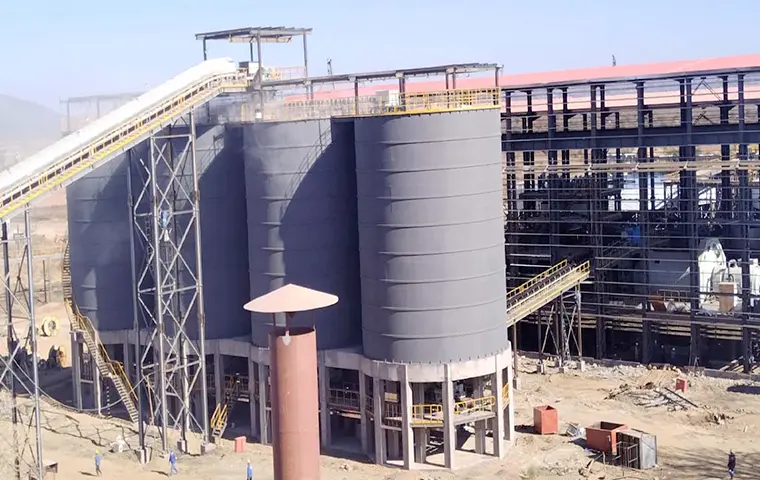
Raw Ore: Lithium-bearing pegmatite ore (mainly Spodumene) Li₂O Grade: 1.15% Concentrate Grade: 5.5% Li₂O
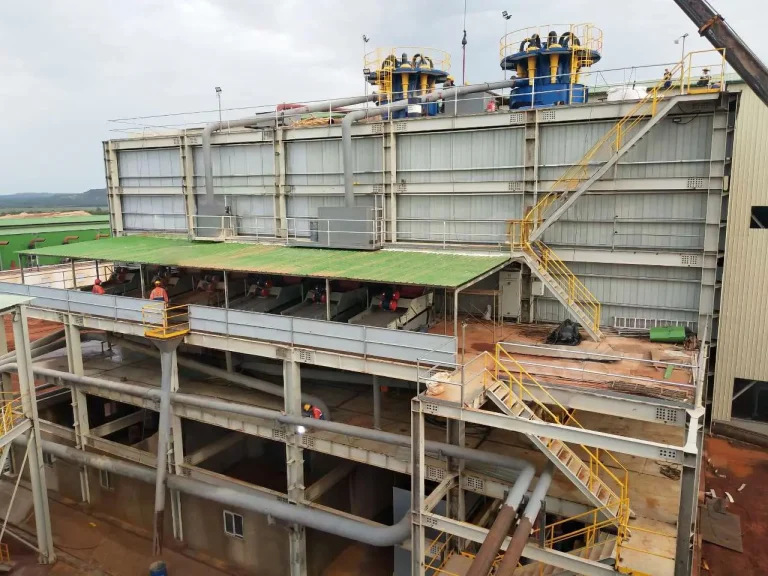
Raw Ore: Alluvial Gold Ore from River Deposits Gold Grade: 0.7 g/t (average) Recovery Rate: 90%
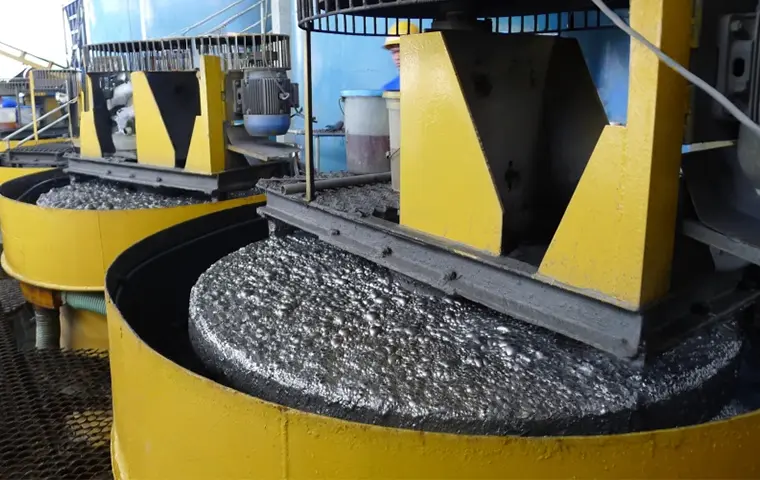
Raw Ore: Mixed Oxide Type Gold-Copper Ore Gold Grade: 1.5 g/t Copper Grade: 0.8%
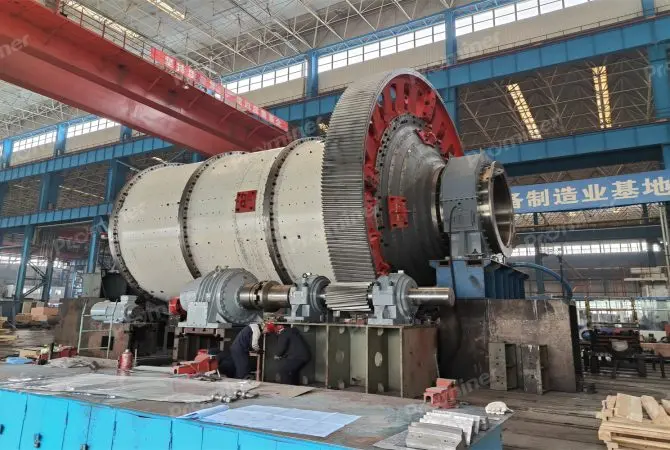
We can design and manufacture grate type ball mill for mineral primary grinding
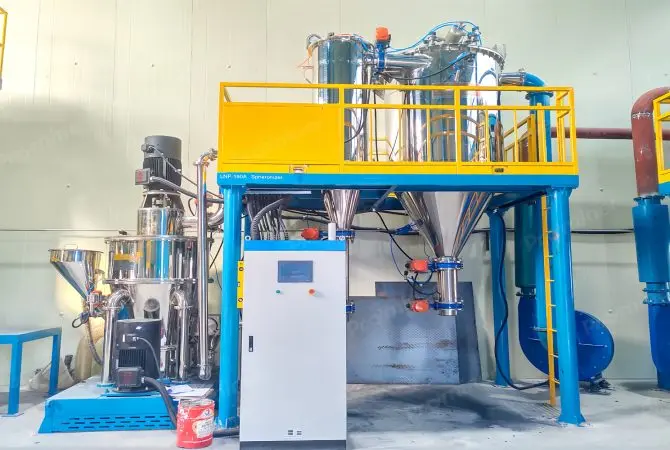
Besides strict PSD requirements, Anode Graphite also requires a spherical shape in order
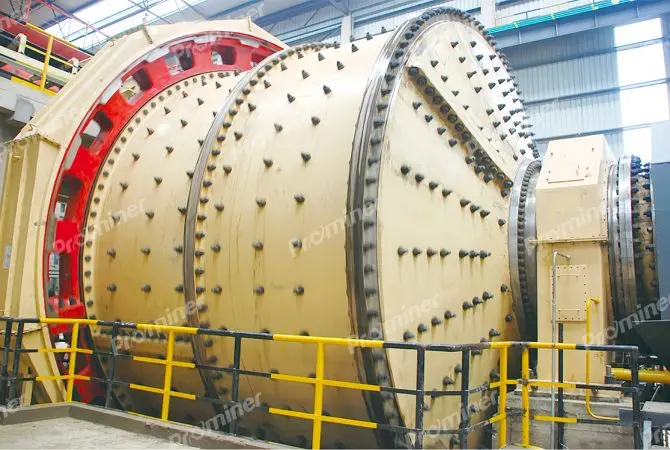
AG/SAG is short for autogenous mill and semi-autogenous mill, it combines with two functions of crushing
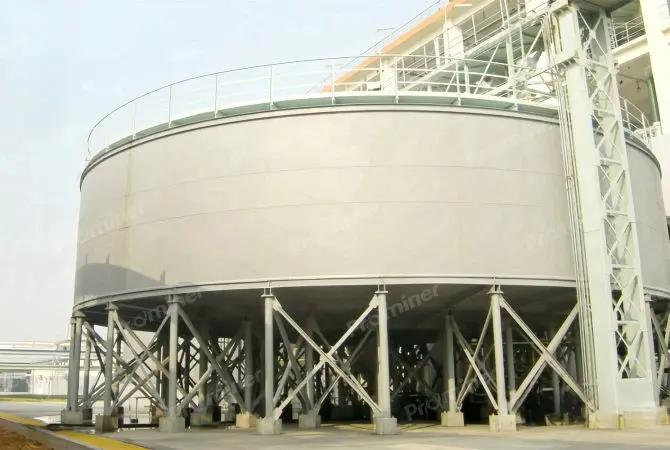
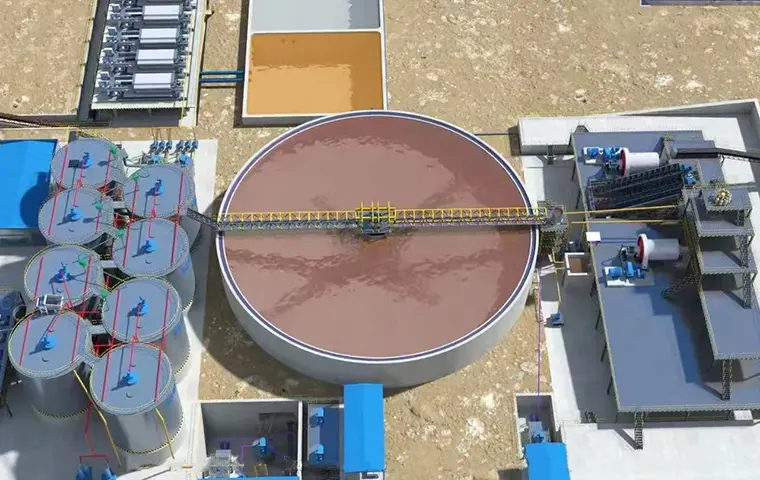
Prominer can provide different kinds of thickeners include center driving thickener, peripheral traction thickener
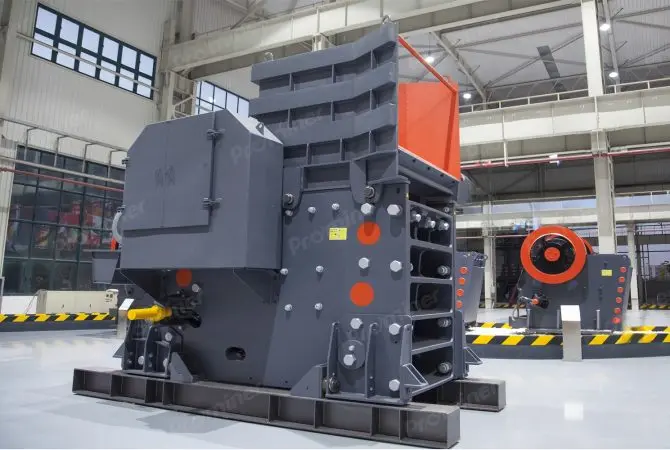
Jaw Crusher, its opening size determines its max feeding size. The crushing chamber of a jaw crusher
Prominer can design and provide the complete refinery and smelting system for gold CIL project
To find out more about our products and solutions, please fll out the form below and one of our experts will get back to you shortly
3000 TPD Gold Flotation Project in Shandong Province
2500TPD Lithium Ore Flotation in Sichuan
Fax: (+86) 021-58779592
Address: Room 606, Building D3, Phase II, Chuansha Business Center, 777 Long, Miaochuan Road, Pudong New Area, Shanghai,China
Copyright © 2023. Prominer (Shanghai) Mining Technology Co.,Ltd.


