

Artificial graphite anode material are mainly made from high quality low sulphur content petroleum coke




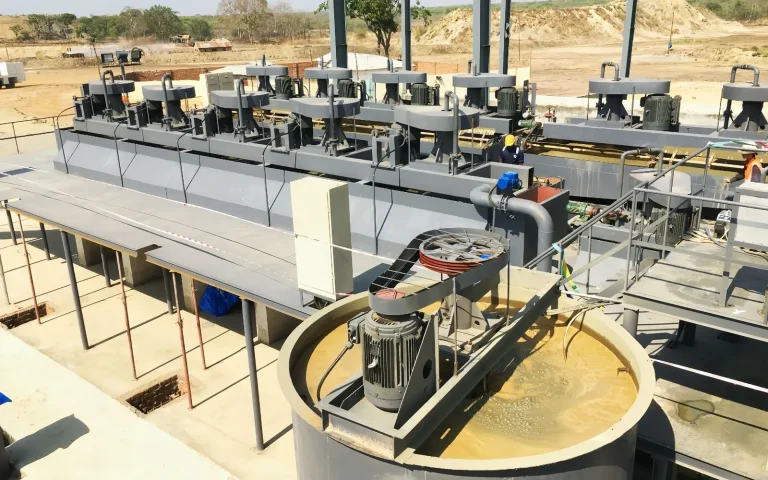
Copper oxide ores are an important source of copper, especially as high-grade sulfide resources continue to decline. However, unlike copper sulfide ores, copper oxide minerals exhibit poor natural floatability. As a result, specialized flotation techniques have been developed to efficiently recover copper from oxide ores. Below are the conventional flotation methods commonly used in industry.
The direct flotation method is one of the simplest approaches for processing copper oxide ores. In this method, collectors are added directly to the slurry to selectively adsorb onto copper oxide mineral surfaces, making them hydrophobic and suitable for flotation.
Commonly used collectors include:
Hydroxamic acids are particularly effective because they exhibit strong chelating ability with copper ions on mineral surfaces, resulting in better selectivity and recovery rates.
However, direct flotation is typically more suitable for ores with relatively simple mineral compositions. For complex ores, selectivity can be poor, and reagent consumption may be high.
Sulfidization flotation is the most widely used method for copper oxide ores. Since oxide minerals do not respond well to traditional sulfide collectors, they are first treated with a sulfidizing agent to form a thin sulfide film on the mineral surface.
Common sulfidizing agents include:
After sulfidization, conventional sulfide collectors such as xanthates are added. These collectors readily adsorb onto the newly formed sulfide layer, allowing the minerals to float effectively.
This method is especially suitable for minerals such as malachite, azurite, and cuprite. Careful control of sulfidization conditions—such as reagent dosage, pH, and conditioning time—is crucial for achieving optimal flotation performance.
Fatty acid flotation relies on the chemical interaction between fatty acid collectors and copper oxide mineral surfaces. This method is commonly applied to carbonate-type copper oxide minerals like malachite and azurite.
Typical fatty acid collectors include:
The flotation process is generally conducted under alkaline conditions to enhance collector adsorption and improve selectivity.
While this method can produce good recovery rates, it may suffer from poor selectivity when gangue minerals such as calcite or dolomite are present, as these minerals can also react with fatty acids.
Chelating collectors, such as hydroxamic acids, form stable complexes with copper ions on oxide mineral surfaces. This strong chemical interaction significantly enhances flotation efficiency.
Advantages of chelating agent flotation include:
Due to their higher cost, chelating agents are often used in combination with other collectors to optimize both recovery and economic performance.
In practice, copper oxide ores often contain both oxide and sulfide minerals, as well as various gangue minerals. Therefore, combined flotation methods are frequently applied.
Common combined approaches include:
These integrated methods improve recovery and grade by leveraging the strengths of different reagents and process conditions. Process optimization typically involves adjusting pH, reagent dosage, and flotation stages (roughing, scavenging, and cleaning).
The conventional flotation methods for copper oxide ore include direct flotation, sulfidization flotation, fatty acid flotation, chelating agent flotation, and various combined processes. Among these, sulfidization flotation remains the most widely used due to its effectiveness and adaptability.
The selection of a suitable flotation method depends on factors such as mineral composition, degree of oxidation, associated gangue minerals, and economic considerations. Careful laboratory testing and process optimization are essential to achieving efficient copper recovery from oxide ores.
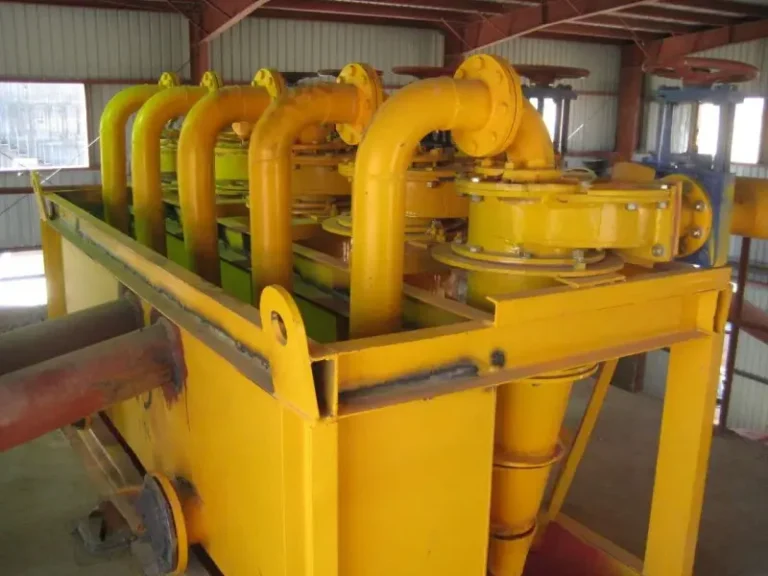
A: For graphite resources, a complete solution should cover both natural graphite flotation and deep processing. The ball mill and hydrocyclone system serve as the basic grinding stage. For advanced anode material production, the shaping mill is essential to improve tap density and reduce specific surface area. Additionally, the Prominer coating system, which combines coating and granulation functions, is a key step in processing high-profit anode materials.
A: Process selection depends entirely on the ore’s characteristics. The Gold CIL/CIP process is a very popular and effective way to process high-grade oxide type gold ore. For many other gold projects, flotation remains the most popular processing method. For owners looking to save investment at the initial stage, vat leaching or heap leaching are flexible and economic options. We recommend starting with a lab & pilot test to determine the most efficient and scientific process flow.
A: Magnetic separation is critical for mineral upgrading. We provide both HIMS (High Intensity) and LIMS (Low Intensity) magnetic separators to handle different mineral magnetic properties. In an optimized plant design, this technology is integrated with a high-performance crushing system—utilizing single-cylinder or multi-cylinder hydraulic cone crushers—and a grinding system. This ensures that waste rock is rejected early, significantly improving productivity and saving energy.
A: Designing a successful plant requires a comprehensive EPC (Engineering, Procurement, and Construction) service. Key considerations include engineering design (site surveys, sampling guidance, and PFD drawings) and equipment customization to ensure machinery matches the specific ore characteristics. For example, Prominer can customize linear screens up to 5.1m in width for large-scale grading and dewatering. Finally, professional on-site services, including civil work supervision and commissioning, are vital for long-term stable operation.
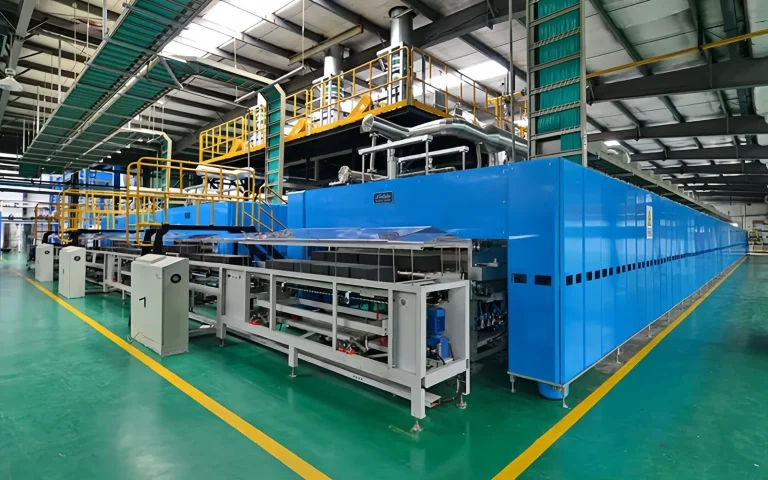
Artificial graphite anode material are mainly made from high quality low sulphur content petroleum coke
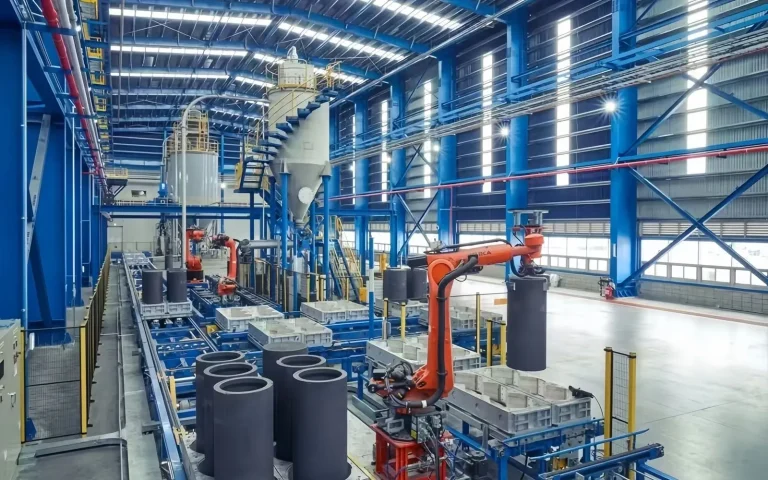
Prominer can provide the complete solution for making natrual graphite anode materials include grinding
There are two types natural graphite ore include crystalline graphite and amorphous graphite

Raw Ore: Oxide and Transition Gold Ore Gold Grade: 3.5 g/t Gold Recovery Rate: 93%
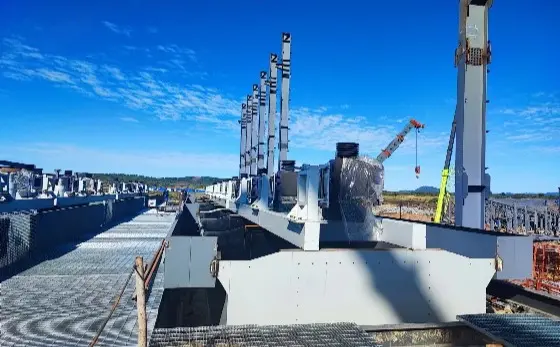
Raw Feed: Lithium Pegmatite Ore (Spodumene Dominant) Li₂O Grade: 1.2% Final Product: Battery-Grade Lithium
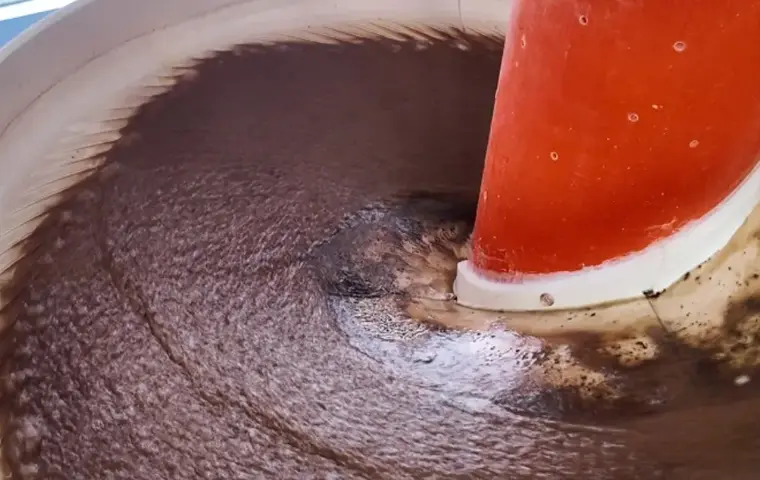
Raw Material: Iron ore tailings Processing Capacity: 800 tons per day
Raw Material: Sulfide Flotation Copper Tailings Metal Concentrate: Copper: 0.8%,Gold: 0.3 g/t,Silver: 5 g/t,Iron: 25%
Raw Ore: Alluvial Tin Ore (Cassiterite) Tin Grade: 0.8% Concentrate Grade: 65%
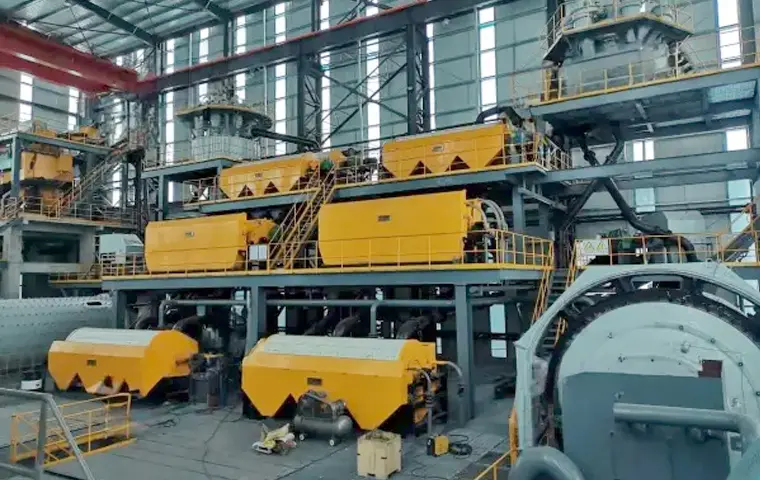
Raw Ore: Magnetite Iron Ore with Hematite Banding Fe Grade: 28-32% Final Product: High-Grade Iron Concentrate
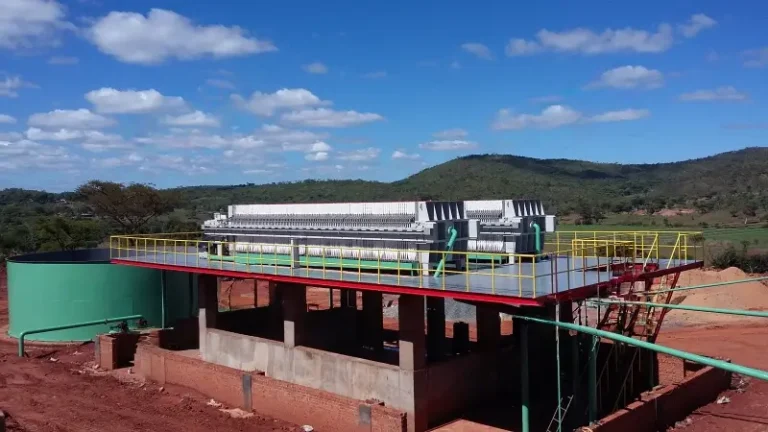
Raw Ore: Sulfide-Bearing Gold Ore (30% Sulfide) Gold Grade: 3.2 g/t Final Product: 98.99% Gold Ingot
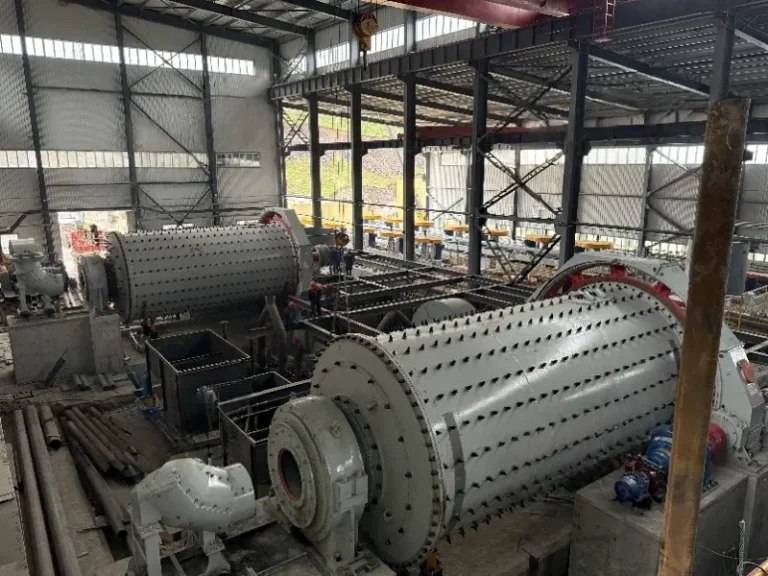
Raw Ore: Limonite Type Laterite Nickel Ore Ni Grade: 1.2% Co Grade: 0.12%
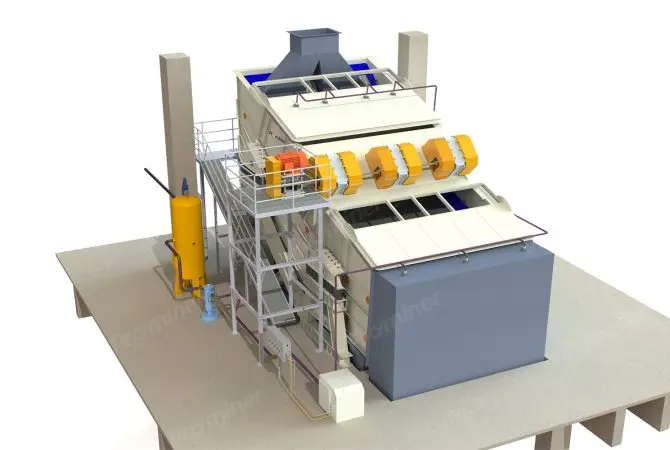
Flip-flow screen panel continues expanding and contracting so achieve a high acceleration rates
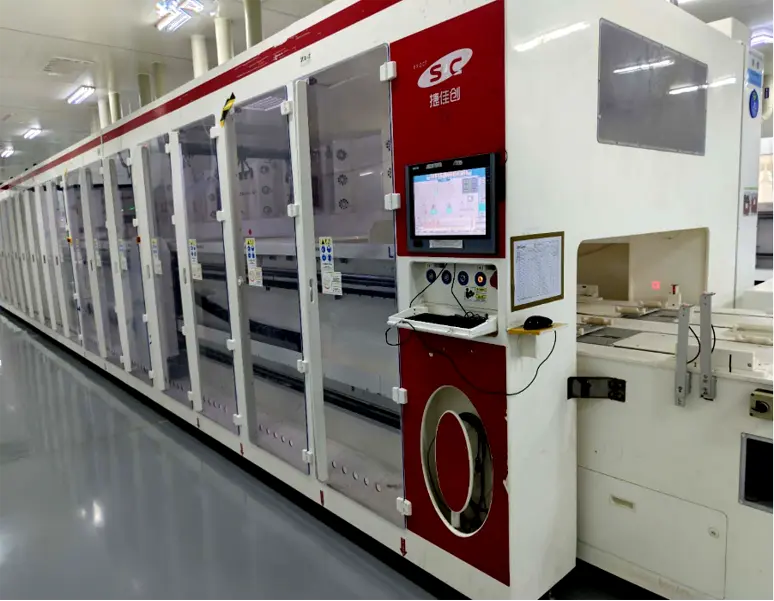
Such as: Boron diffusion furnace, BSG removal, Alkali polishing machine, PE-POLY…
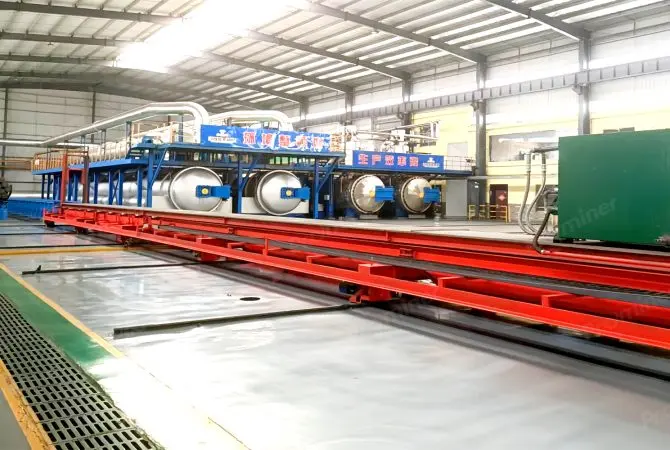
We can provide hot-in and cold-out type high-pressure impregnation of once-baked graphite
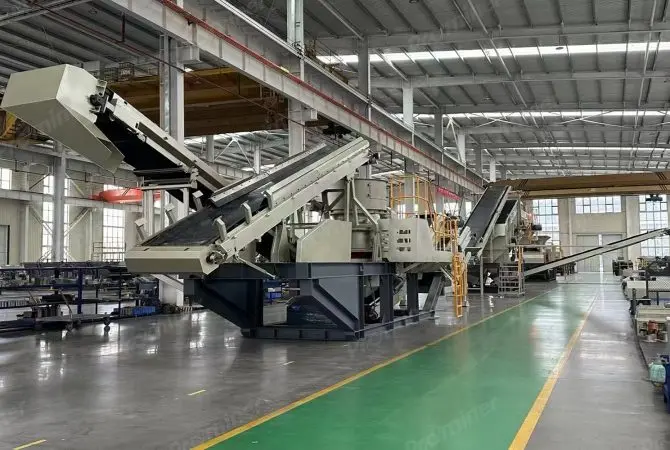
Skid mounted Portable Crusher, based on market requirements of easier moving from one site
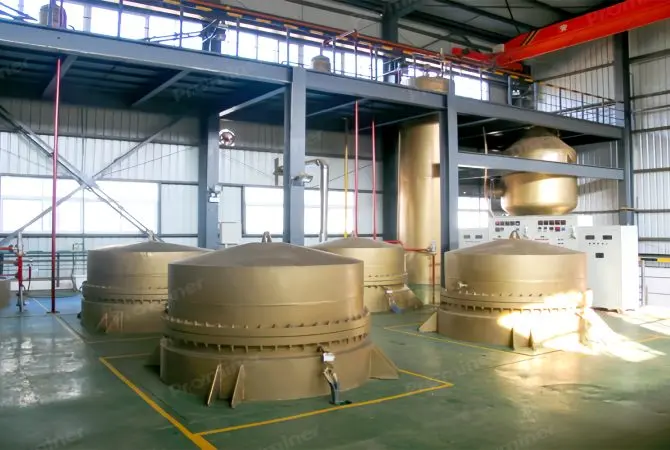
Prominer can design and provide the complete refinery and smelting system for gold CIL project
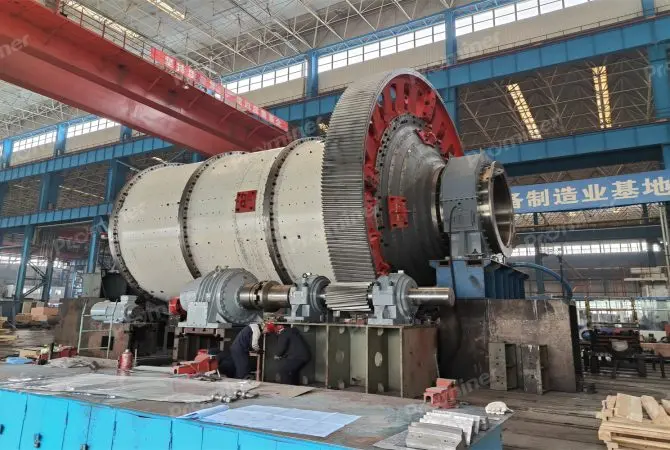
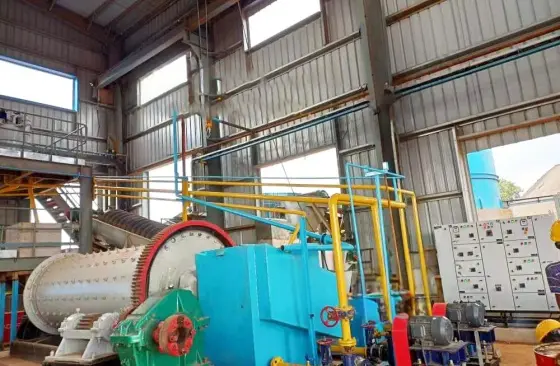
We can design and manufacture grate type ball mill for mineral primary grinding
To find out more about our products and solutions, please fll out the form below and one of our experts will get back to you shortly
3000 TPD Gold Flotation Project in Shandong Province
2500TPD Lithium Ore Flotation in Sichuan
Fax: (+86) 021-58779592
Address: No.2555,Xiupu Road, Pudong, Shanghai
Copyright © 2023. Prominer (Shanghai) Mining Technology Co.,Ltd.


