

Hard carbon anode material is the most preferred materials for commercialization of sodium-ion battery


/
/
What Differentiates Wet Process Acidulation from Calcination for Industrial Phosphate Rock?


Phosphate rock is a critical raw material for producing fertilizers, animal feed supplements, and industrial phosphates. Two primary methods are used to upgrade or process phosphate rock for industrial applications: wet process acidulation and calcination. While both methods aim to enhance the usability and value of phosphate rock, they differ significantly in purpose, chemistry, operating conditions, and end products.
Below is a detailed comparison of these two industrial processes.
Wet Process Acidulation
Wet process acidulation involves reacting phosphate rock with a strong mineral acid—most commonly sulfuric acid (H₂SO₄). This chemical reaction converts insoluble phosphate minerals (primarily fluorapatite) into soluble phosphoric acid and calcium sulfate (gypsum).
Key Reaction (Simplified):
Ca₅(PO₄)₃F + 5H₂SO₄ → 3H₃PO₄ + 5CaSO₄ + HF
This is a chemical transformation process where the phosphate values are extracted into phosphoric acid.
Calcination
Calcination is a thermal treatment process in which phosphate rock is heated to high temperatures (typically 800–1,200°C) in a rotary kiln or similar furnace. The goal is not acid extraction but physical and chemical modification through heat.
During calcination:
Calcination is primarily a thermal decomposition process, not an acid-based chemical conversion.
Wet Process Acidulation
The process focuses on chemical extraction of phosphorus.
Calcination
Calcination focuses on physical and compositional improvement of the ore.
Wet Process Acidulation
The process environment is corrosive and requires acid-resistant materials.
Calcination
The process environment is thermally intense and energy-driven rather than chemically corrosive.
Wet Process Acidulation
Excessive carbonate content makes the process less economical due to higher acid requirements.
Calcination
Calcination can make previously uneconomical deposits viable.
Wet Process Acidulation Produces:
This route supports large-scale fertilizer production globally.
Calcination Produces:
Calcined rock may be:
Wet Process Acidulation
Waste management is a major environmental challenge.
Calcination
While calcination avoids gypsum stacks, it has a larger direct carbon footprint.
Wet Process Acidulation
Calcination
The economic choice depends heavily on:
Wet Process Acidulation is Preferred When:
Calcination is Preferred When:
In some operations, both processes are used sequentially to maximize resource efficiency.
Wet process acidulation and calcination differ fundamentally in chemistry, temperature, objectives, and outputs.
The selection between the two methods depends on ore characteristics, economic considerations, environmental regulations, and the intended final product. Understanding these differences is essential for optimizing phosphate rock utilization in modern industrial operations.
A: Mineral characteristics vary significantly even within the same ore body. A professional test (such as chemical analysis, XRD, and SEM) ensures the flowchart is optimized for your specific ore grade and liberation size. This prevents costly equipment mismatches and guarantees the highest possible recovery rates for your project.
A: We maintain a permanent stock of core wear parts (such as crusher liners, screen meshes, and grinding media). For international clients, we provide a recommended “2-year spare parts list” with the initial purchase. Technical support is available 24/7 via remote video, and site visits can be arranged for complex maintenance needs.
A: Yes. We send a team of senior mechanical and electrical engineers to the site to oversee the installation, commissioning, and load testing of the equipment. We also provide comprehensive on-site training for your local operators to ensure smooth long-term operation.
A: Absolutely. We specialize in providing EPCM (Engineering, Procurement, Construction Management) services. This includes everything from initial ore testing and mine design to equipment manufacturing, logistics, and full-scale plant integration, ensuring a seamless transition from greenfield to production.
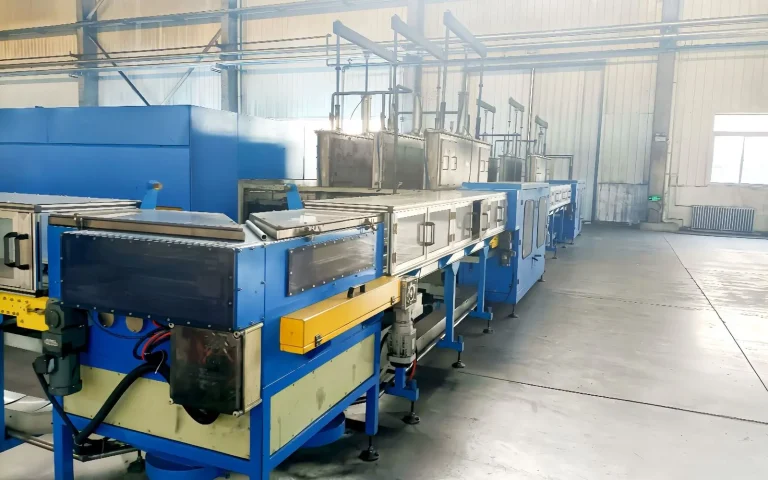
Hard carbon anode material is the most preferred materials for commercialization of sodium-ion battery
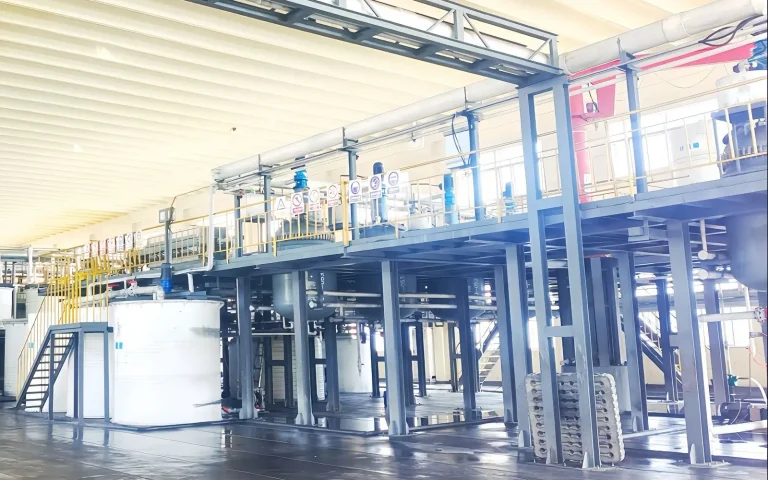
Flake graphite can be used to produce high carbon graphite, high purity graphite, expandable graphite
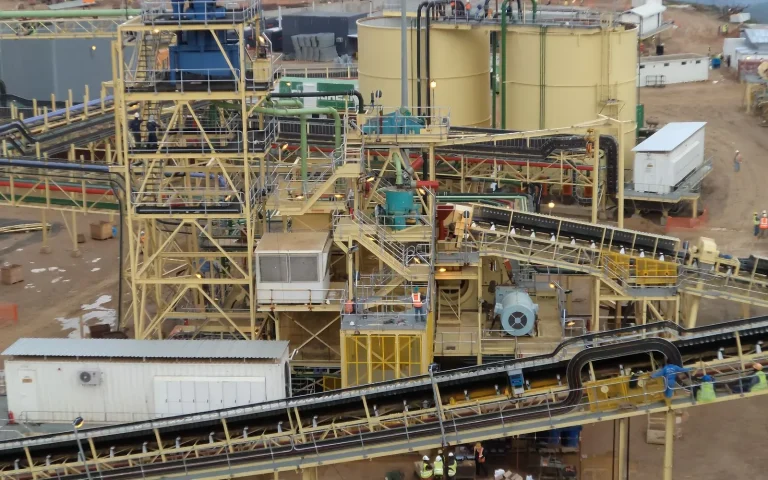
Flotation is the most popular processing way in gold ore processing project. Because the flotation process

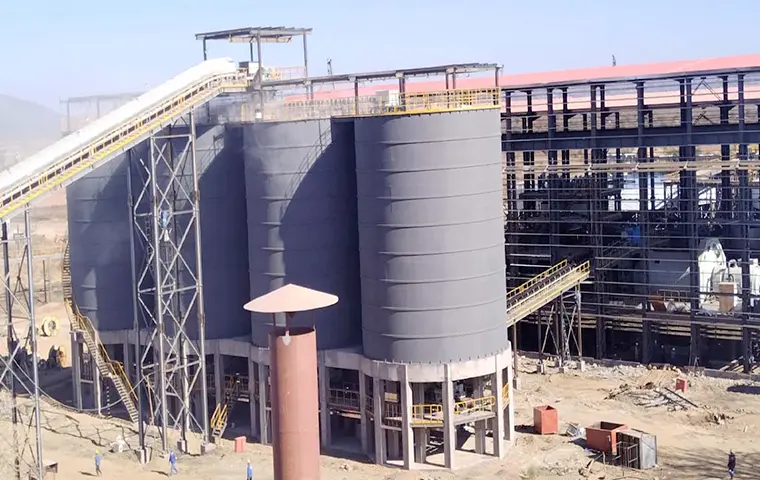
Raw Ore: Lithium-bearing pegmatite ore (mainly Spodumene) Li₂O Grade: 1.15% Concentrate Grade: 5.5% Li₂O
Raw Ore: Lithium-bearing pegmatite ore (spodumene) Li₂O Grade: 1.0–1.5% Target Concentrate Grade: ≥5.5% Li₂O
Raw Ore: Sulfide Type Gold Ore Gold Grade: 1.2 g/t Operating Altitude: 4,200 meters
Raw Ore: Lithium Spodumene Ore Li₂O Grade: 1.45% Concentrate Grade: 6.20%
Raw Ore: Oxide-Sulfide Mixed Gold Ore Gold Grade: 3.5-7 g/t Gold Ingot Purity: 99.5%
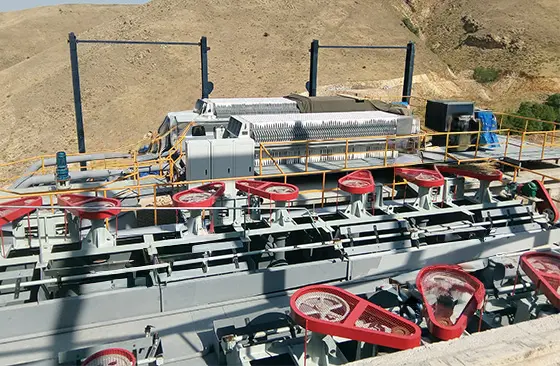
Raw Ore: Siliceous-Phosphate with Magnetite Inclusions Feed Composition: P₂O₅: 19-23%;Fe₂O₃: 8-12%;SiO₂: 25-35%;CaO: 32-38%
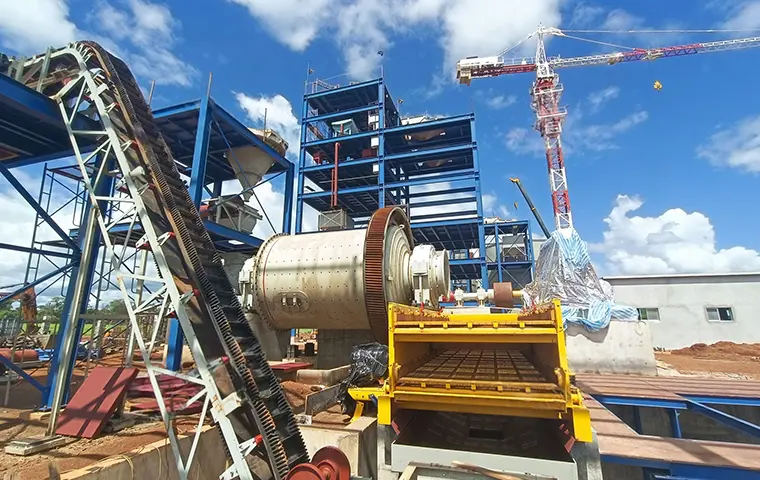
Raw Ore: Oxide Type Gold Ore Gold Grade: 3.5 g/t Gold Ingot Purity: 96%
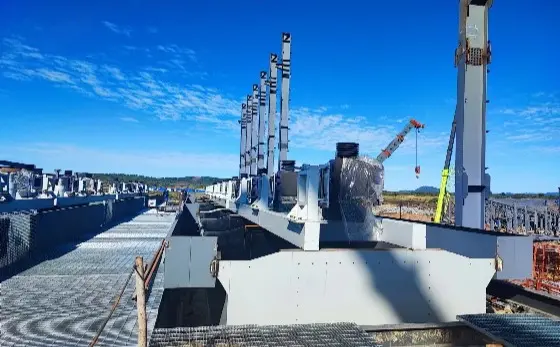
Raw Feed: Lithium Pegmatite Ore (Spodumene Dominant) Li₂O Grade: 1.2% Final Product: Battery-Grade Lithium
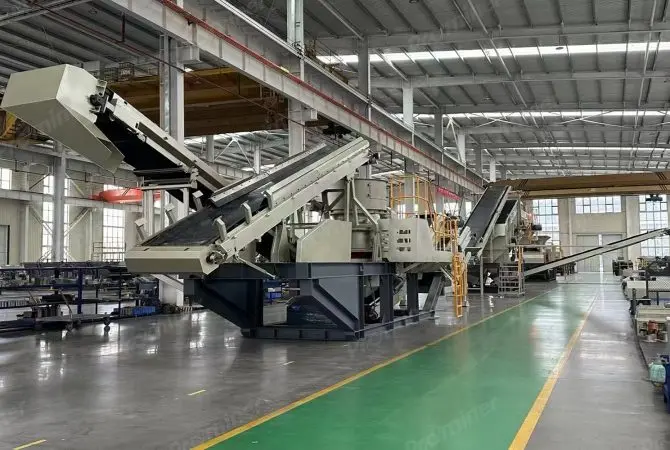
Skid mounted Portable Crusher, based on market requirements of easier moving from one site
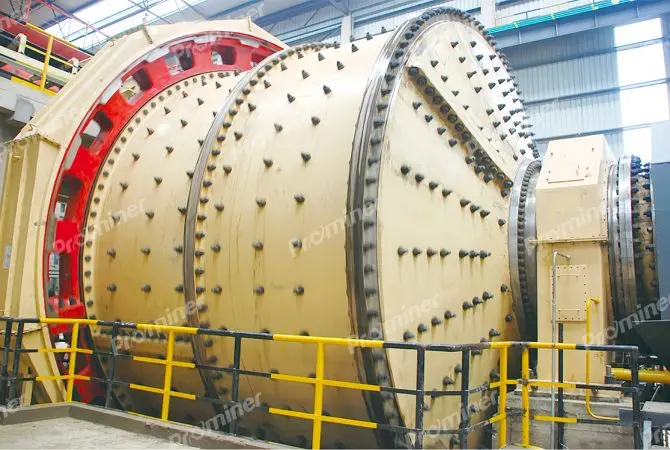
AG/SAG is short for autogenous mill and semi-autogenous mill, it combines with two functions of crushing
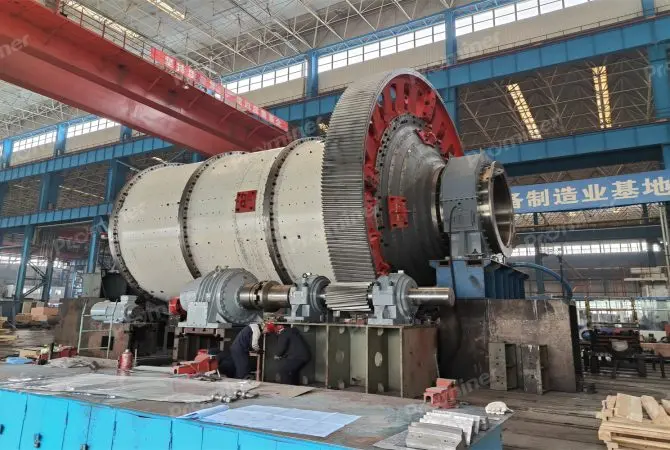
We can design and manufacture grate type ball mill for mineral primary grinding
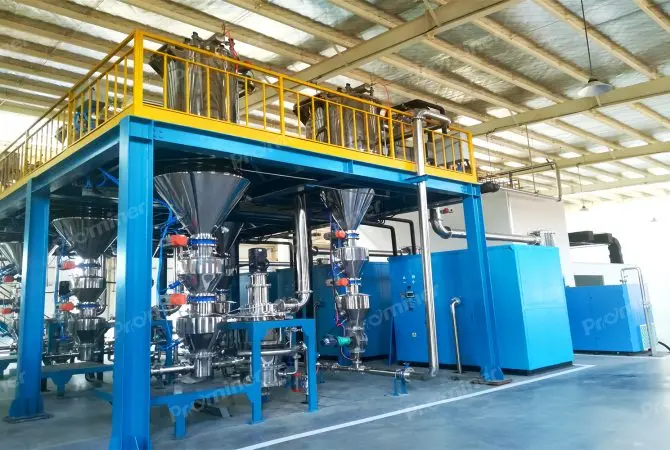
Jet mill is also called fluidized bed jet mill by using multiple nozzles to form sonic speed air flow
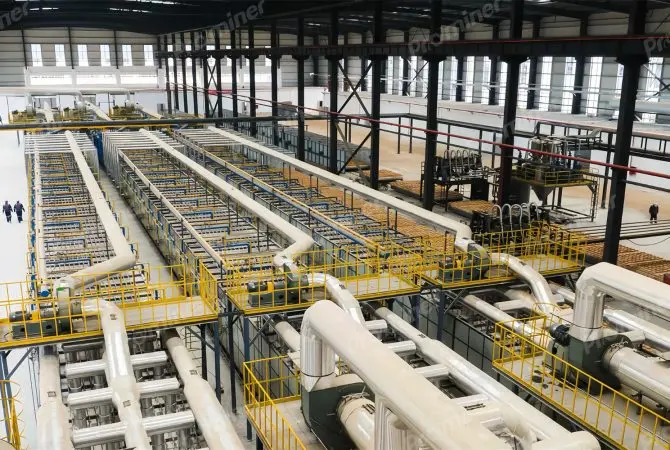
Prominer provides various types of furnaces for primary and secondary baking of carbon
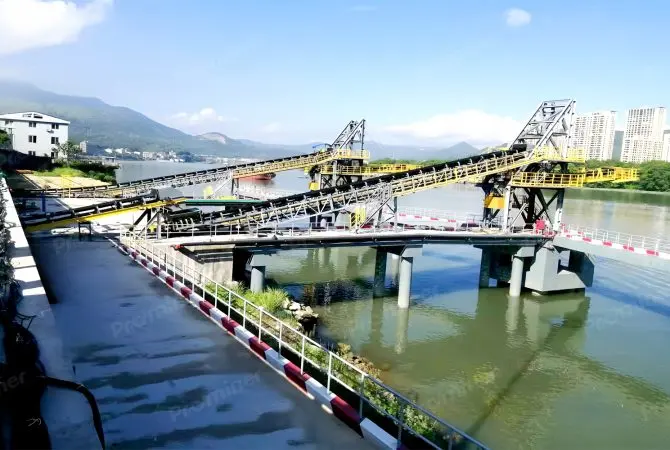
We can provide the solution of belt conveyors for different purposes include steeply inclined belt conveyor
To find out more about our products and solutions, please fll out the form below and one of our experts will get back to you shortly
3000 TPD Gold Flotation Project in Shandong Province
2500TPD Lithium Ore Flotation in Sichuan
Fax: (+86) 021-58779592
Address: No.2555,Xiupu Road, Pudong, Shanghai
Copyright © 2023. Prominer (Shanghai) Mining Technology Co.,Ltd.


