

Provide the complete solution for making graphite anode materials include grinding, shaping, purification…


/
/
Which Grinding-Chemical Combination Maximizes TiO₂ Recovery in Ilmenite Processing?


Ilmenite (FeTiO₃) is the most important commercial source of titanium dioxide (TiO₂), widely used in pigments, ceramics, aerospace alloys, and photocatalysts. Maximizing TiO₂ recovery during processing depends heavily on the interaction between grinding strategy and chemical treatment. Selecting the optimal combination improves liberation, enhances reaction efficiency, and reduces reagent consumption and energy costs.
Below, we examine the most effective grinding-chemical combinations for maximizing TiO₂ recovery from ilmenite.
Grinding is the first critical step in ilmenite processing. Its primary goal is to liberate ilmenite grains from gangue minerals such as silica, alumina, and iron oxides.
Key considerations include:
Best Practice:
A staged grinding approach using a rod mill followed by a ball mill often provides superior liberation while minimizing slimes formation.
One of the most effective chemical routes for enhancing TiO₂ recovery is acid leaching, particularly with sulfuric acid (H₂SO₄) or hydrochloric acid (HCl).
Fine grinding:
Fine grinding (<75 µm) + Sulfuric acid leaching
This combination:
However, excessive ultrafine grinding may:
An alternative route involves alkaline roasting (NaOH or Na₂CO₃) before or after grinding.
Moderate grinding (75–150 µm) + Alkaline roasting + Water/acid leaching
Advantages:
This method is particularly effective for complex ores containing magnesium or chromium impurities.
For ilmenite with significant iron content, reductive roasting followed by magnetic separation is highly effective.
Controlled grinding (100–150 µm) + Reductive roasting
Benefits:
This approach is often more energy-intensive but cost-effective for high-iron ilmenite ores.
Attrition grinding differs from conventional milling by focusing on surface cleaning rather than size reduction.
When combined with mild acid leaching:
Attrition grinding + Dilute HCl leaching
is particularly effective in improving concentrate purity.
| Grinding Method | Chemical Treatment | TiO₂ Recovery | Best For |
|---|---|---|---|
| Fine Ball Milling | Sulfuric Acid Leaching | Very High | High-grade synthetic rutile production |
| Moderate Grinding | Alkaline Roasting | High | Complex ores |
| Controlled Grinding | Reductive Roasting | High | High-iron ilmenite |
| Attrition Grinding | Mild Acid Leaching | Moderate-High | Surface-contaminated ores |
For maximum TiO₂ recovery under controlled industrial conditions, the most widely successful combination is:
This pairing delivers:
However, the optimal solution ultimately depends on:
There is no universal solution for all ilmenite ores. The highest TiO₂ recovery is achieved when:
In modern processing plants, integrated optimization—combining mineralogical analysis, particle size control, and tailored chemical treatment—offers the most reliable path to maximizing TiO₂ recovery from ilmenite.
If needed, pilot-scale testing remains the gold standard for determining the ideal grinding-chemical combination for a specific deposit.
A: Mineral characteristics vary significantly even within the same ore body. A professional test (such as chemical analysis, XRD, and SEM) ensures the flowchart is optimized for your specific ore grade and liberation size. This prevents costly equipment mismatches and guarantees the highest possible recovery rates for your project.
A: We maintain a permanent stock of core wear parts (such as crusher liners, screen meshes, and grinding media). For international clients, we provide a recommended “2-year spare parts list” with the initial purchase. Technical support is available 24/7 via remote video, and site visits can be arranged for complex maintenance needs.
A: Yes. We send a team of senior mechanical and electrical engineers to the site to oversee the installation, commissioning, and load testing of the equipment. We also provide comprehensive on-site training for your local operators to ensure smooth long-term operation.
A: Absolutely. We specialize in providing EPCM (Engineering, Procurement, Construction Management) services. This includes everything from initial ore testing and mine design to equipment manufacturing, logistics, and full-scale plant integration, ensuring a seamless transition from greenfield to production.
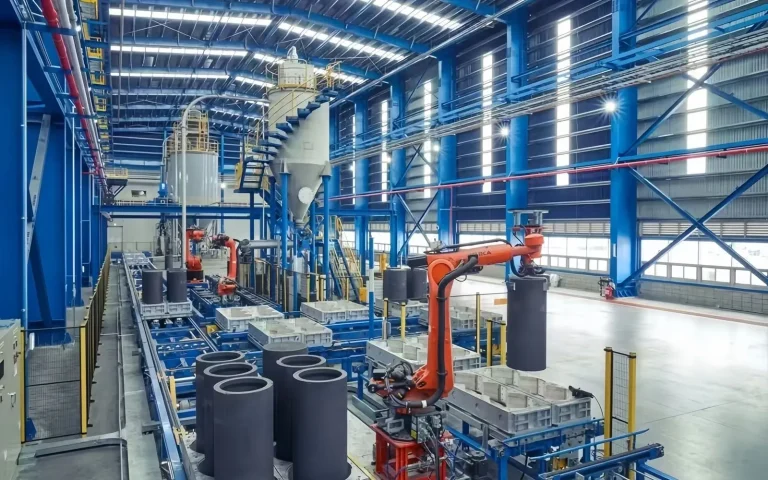
Provide the complete solution for making graphite anode materials include grinding, shaping, purification…
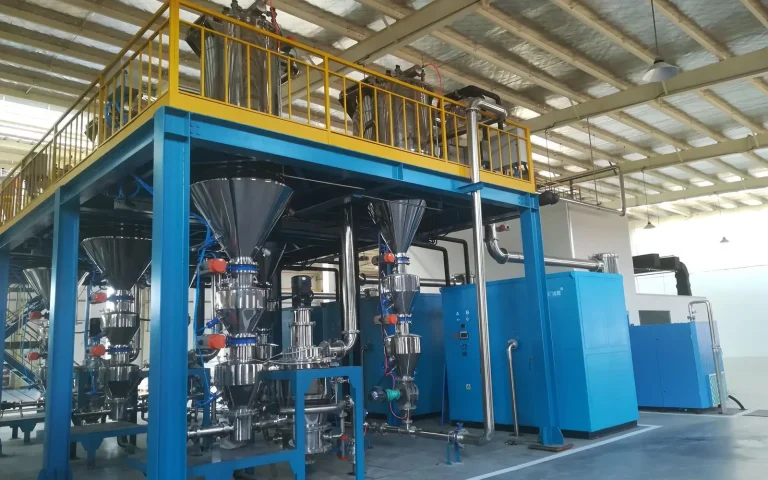
Silicon based anode is one kind of composite anode material by compounding silicon
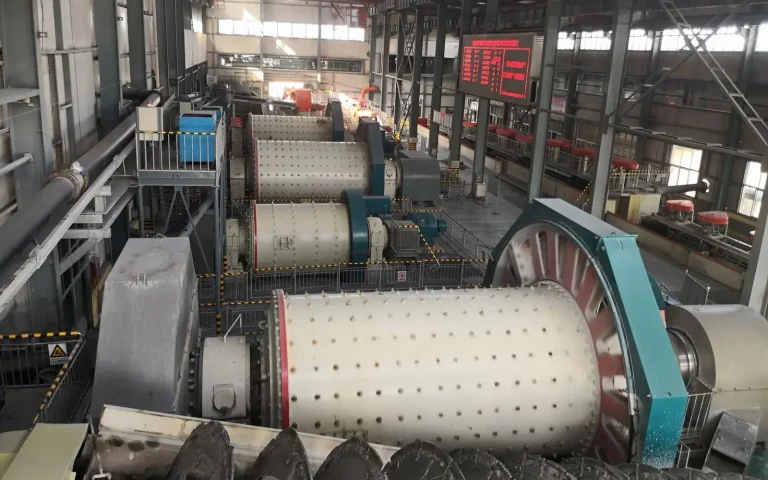
Spodumene and lepidolite are very important lithium bearing minerals and they are very easy to recover

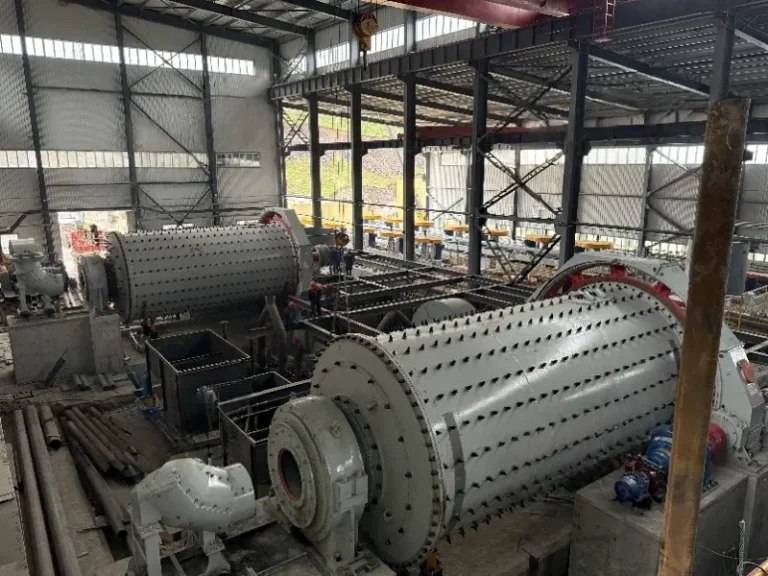
Raw Ore: Limonite Type Laterite Nickel Ore Ni Grade: 1.2% Co Grade: 0.12%
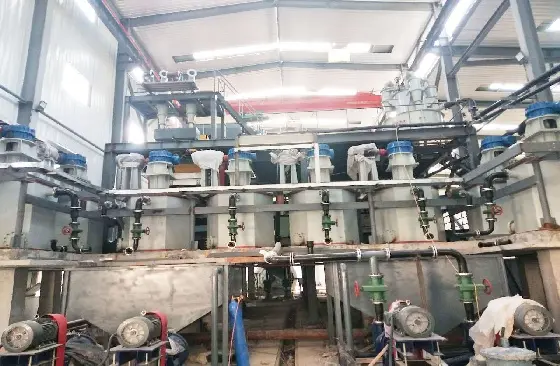
Raw Material: Quartzite Rock (SiO₂: 97.8%) Photovoltaic Grade: SiO₂≥99.99%, Fe₂O₃≤10ppm
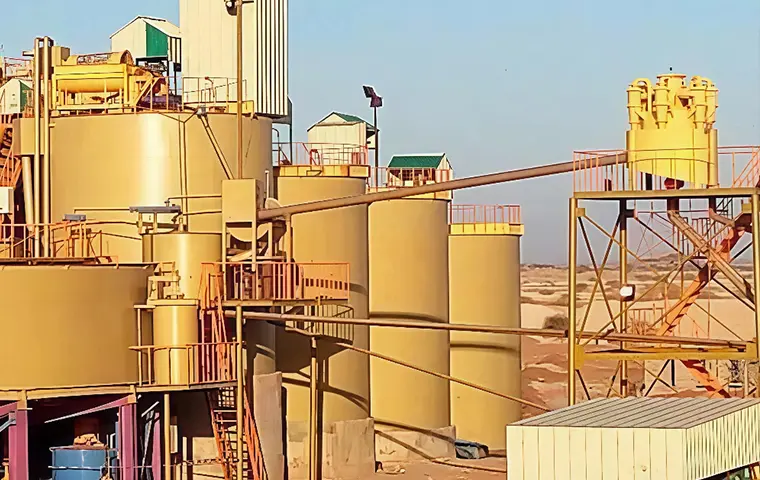
Raw Material: Spent gold leaching solution (cyanide-based) Gold Concentration in Solution 2-5 ppm
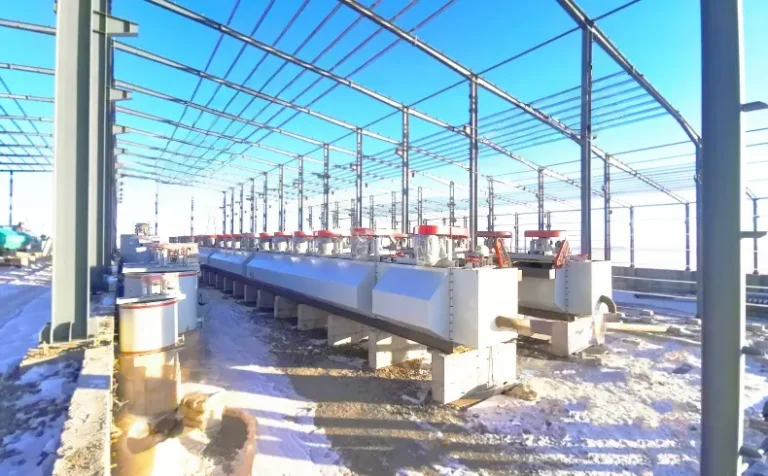
Raw Ore: Copper Sulfide Ore Copper Grade: 0.85% Final Product: Copper Concentrate
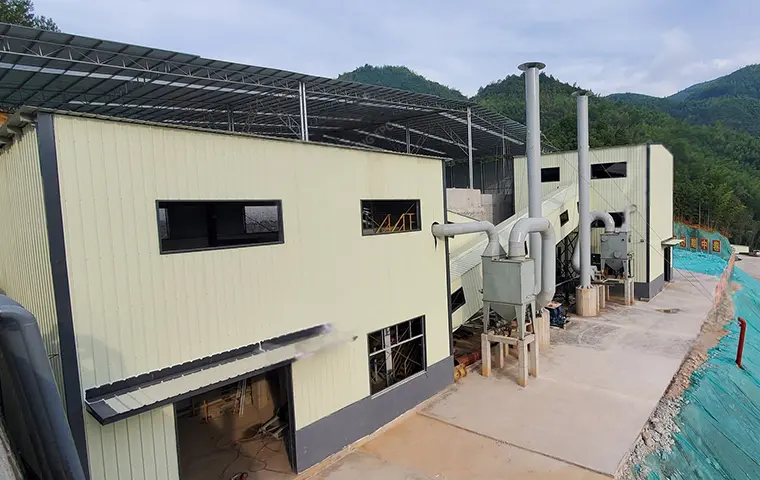
Raw Ore: High-Grade Fluorite Ore from Deep Veins Fluorspar Grade: 38% CaF₂ Concentrate Grade: 97.2% CaF₂
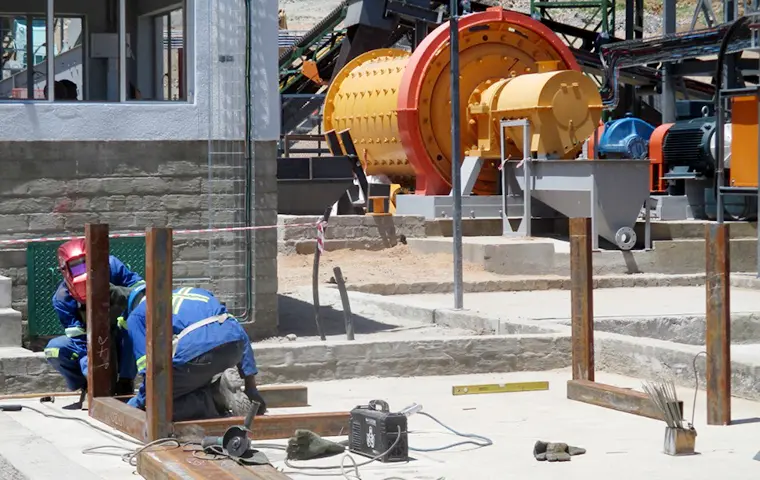
Raw Ore: High-Grade Crystalline Vein Graphite Ore Feed Grade: 18% C Concentrate Grade: 95% C (TGC)
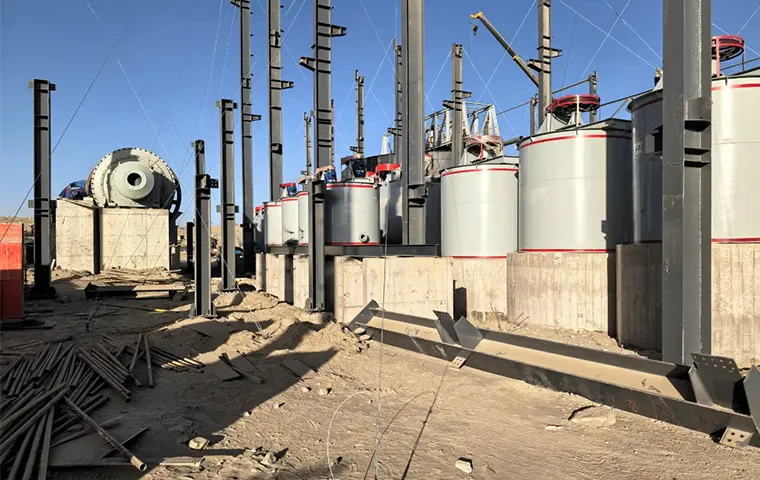
Raw Ore: Transitional & Oxide Gold Ore (with minor sulfides) Feed Gold Grade: 2.5 g/t Final Product: Gold Doré Ingot
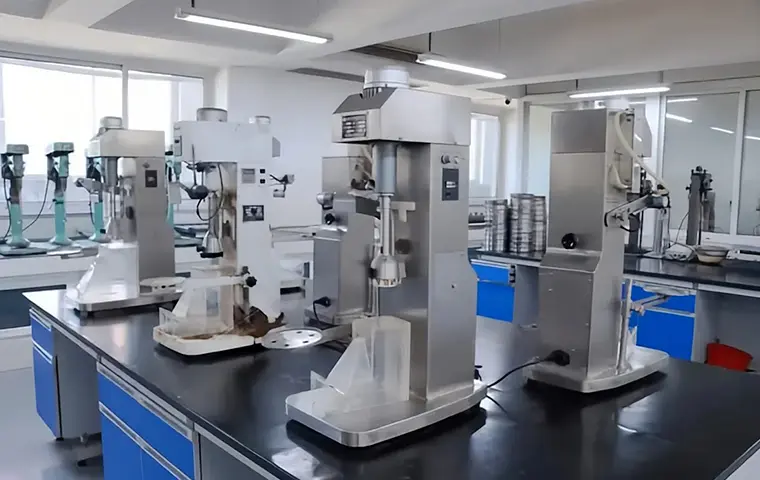
Raw Material: Various types of ore samples (gold, lithium, graphite, etc.) Lab Capacity: 50–100 samples per day
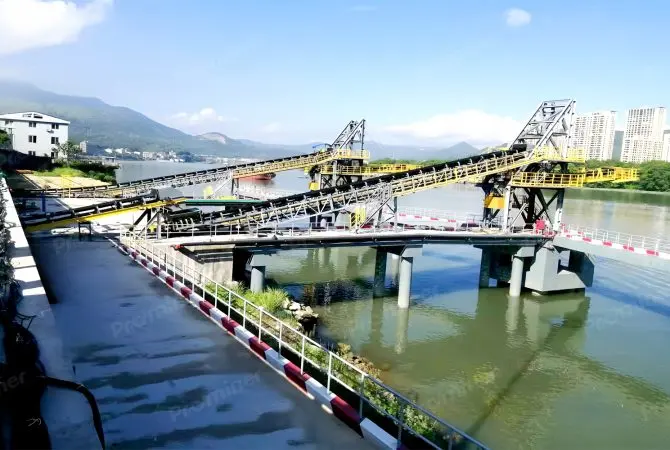
We can provide the solution of belt conveyors for different purposes include steeply inclined belt conveyor
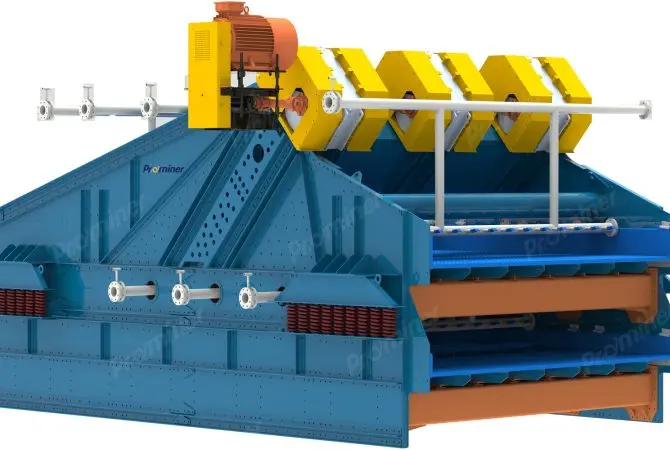
Prominer can provide all kinds of linear screen for mineral grading, material sizing, dewatering
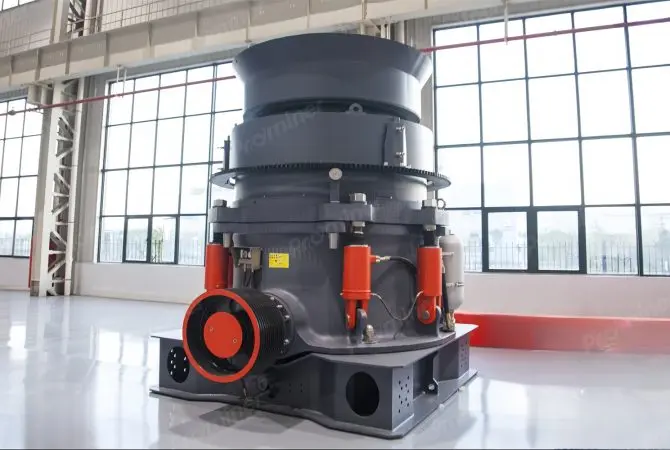
Multi-cylinder hydraulic cone crusher combines crusher speed, eccentricity and cavity profile
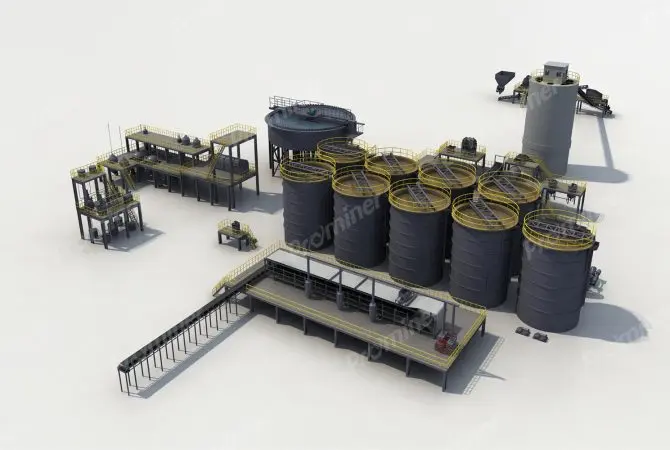
Prominer can provide the complete solution for CIL (carbon in leaching) system
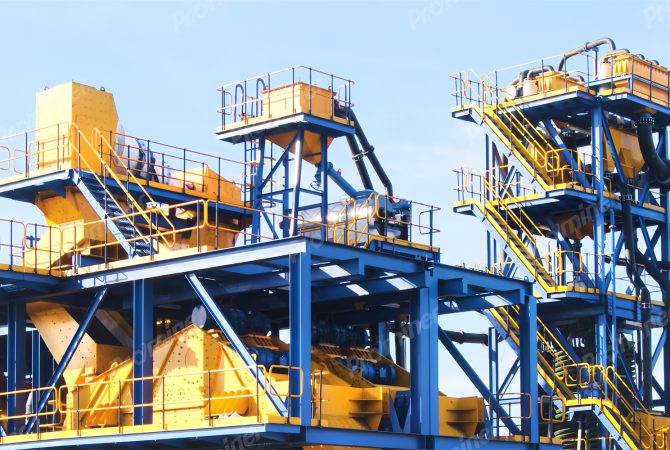
Prominer can provide different LIMS (Low Intensity Magnetic separator) magnetic separators
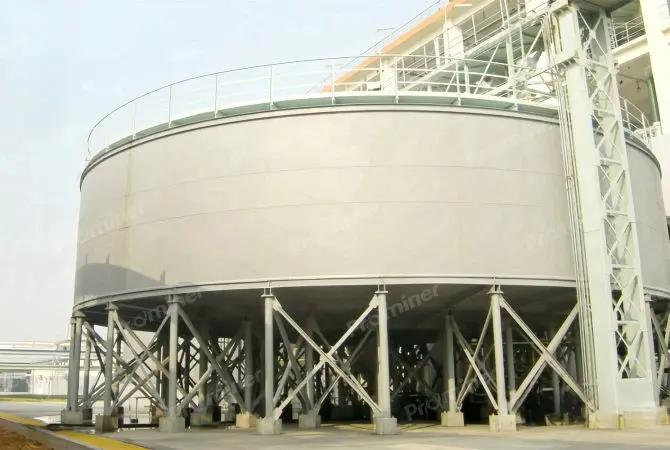
Prominer can provide different kinds of thickeners include center driving thickener, peripheral traction thickener
To find out more about our products and solutions, please fll out the form below and one of our experts will get back to you shortly
3000 TPD Gold Flotation Project in Shandong Province
2500TPD Lithium Ore Flotation in Sichuan
Fax: (+86) 021-58779592
Address: Room 606, Building D3, Phase II, Chuansha Business Center, 777 Long, Miaochuan Road, Pudong New Area, Shanghai,China
Copyright © 2023. Prominer (Shanghai) Mining Technology Co.,Ltd.


