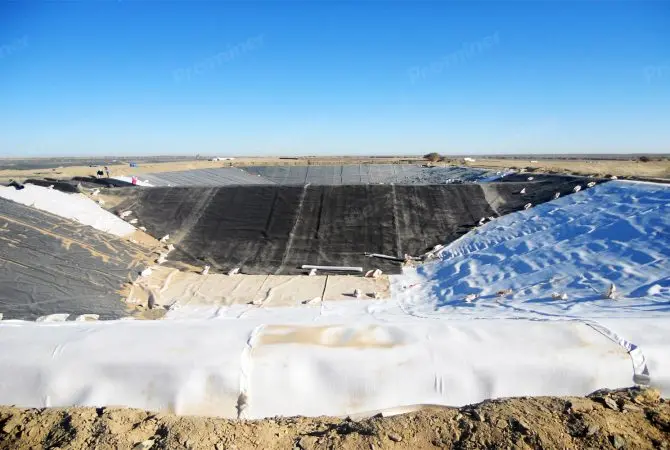
The best-known of the exogenetic ores is alluvial gold which also called placer gold. Alluvial gold refers




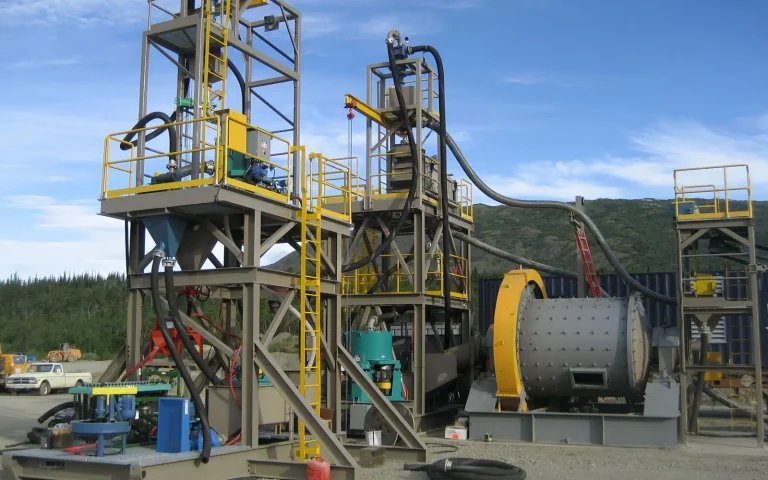
Graphite mineral beneficiation is a crucial process for transforming raw graphite ore into high-quality concentrates suitable for industrial applications such as lithium-ion batteries, refractories, lubricants, and expandable graphite products. Because graphite is naturally hydrophobic and occurs in various forms—flake, amorphous, and vein—its beneficiation process requires carefully selected techniques and equipment to maximize recovery and purity.
Below are the essential processes and equipment involved in graphite mineral beneficiation.
The first step in graphite beneficiation is size reduction. The goal is to liberate graphite flakes from the surrounding gangue minerals while preserving flake size, which directly affects product value.
Key Equipment:
Grinding must be carefully controlled. Excessive grinding can damage graphite flakes and reduce their market value, especially for large-flake graphite.
After crushing and grinding, the material is screened and classified to separate appropriately sized particles and prepare them for flotation.
Key Equipment:
Proper classification ensures optimal flotation performance and minimizes over-grinding.
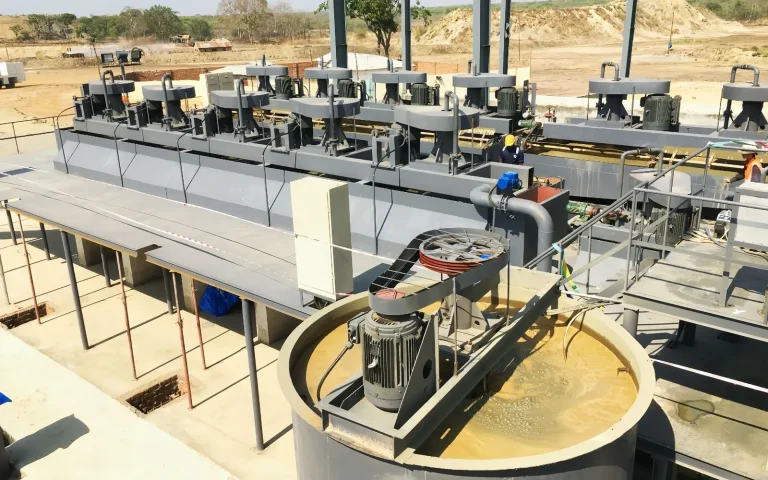
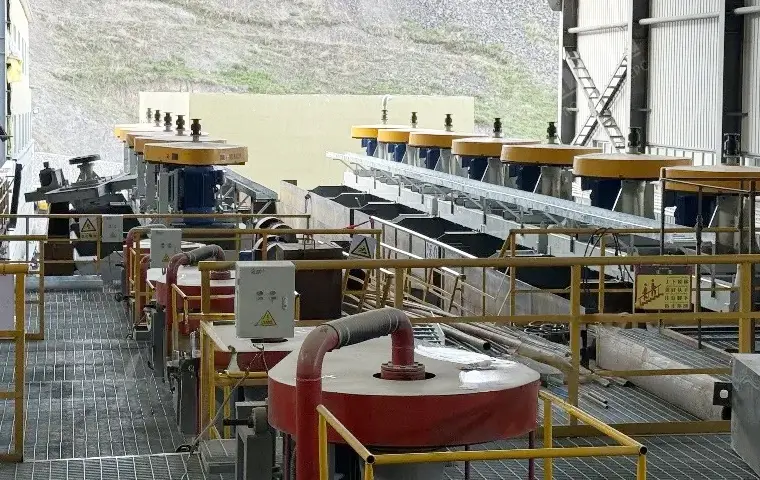
Flotation is the core process in graphite beneficiation. Because graphite is naturally hydrophobic, it responds well to froth flotation, allowing it to be separated from hydrophilic gangue minerals.
Process Overview:
Key Equipment:
Multiple flotation stages—roughing, scavenging, and cleaning—are often required to achieve high-grade graphite concentrate.
To improve concentrate grade, intermediate graphite concentrates may undergo regrinding followed by additional flotation stages.
Key Equipment:
This step is especially important when producing high-purity flake graphite for battery applications.
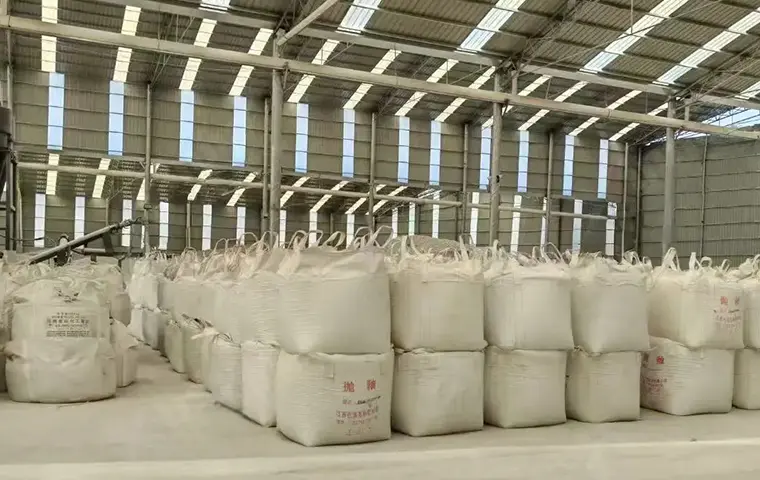
After flotation, the graphite concentrate must be dewatered and dried before further processing or packaging.
Key Equipment:
Efficient dewatering improves handling, storage, and transportation of the final product.
For high-end applications such as lithium-ion battery anodes, graphite must reach purities of 99.9% or higher. Additional purification methods are used after flotation.
Common Purification Methods:
Key Equipment:
The choice of purification method depends on required purity levels, environmental considerations, and cost.
Graphite beneficiation also requires proper management of tailings and environmental protection systems.
Key Equipment and Systems:
Sustainable beneficiation practices reduce environmental impact and improve regulatory compliance.
Graphite mineral beneficiation involves a combination of crushing, grinding, flotation, regrinding, dewatering, and purification processes. The most critical stage is flotation, leveraging graphite’s natural hydrophobicity for efficient separation. Carefully selected equipment—such as crushers, mills, flotation cells, thickeners, and dryers—ensures optimal recovery, high product quality, and cost-effective operation.
As demand for high-purity graphite continues to grow, especially in battery and energy storage industries, advanced beneficiation technologies and efficient equipment selection play an increasingly vital role in maximizing resource value and meeting market specifications.
A: For graphite resources, a complete solution should cover both natural graphite flotation and deep processing. The ball mill and hydrocyclone system serve as the basic grinding stage. For advanced anode material production, the shaping mill is essential to improve tap density and reduce specific surface area. Additionally, the Prominer coating system, which combines coating and granulation functions, is a key step in processing high-profit anode materials.
A: Process selection depends entirely on the ore’s characteristics. The Gold CIL/CIP process is a very popular and effective way to process high-grade oxide type gold ore. For many other gold projects, flotation remains the most popular processing method. For owners looking to save investment at the initial stage, vat leaching or heap leaching are flexible and economic options. We recommend starting with a lab & pilot test to determine the most efficient and scientific process flow.
A: Magnetic separation is critical for mineral upgrading. We provide both HIMS (High Intensity) and LIMS (Low Intensity) magnetic separators to handle different mineral magnetic properties. In an optimized plant design, this technology is integrated with a high-performance crushing system—utilizing single-cylinder or multi-cylinder hydraulic cone crushers—and a grinding system. This ensures that waste rock is rejected early, significantly improving productivity and saving energy.
A: Designing a successful plant requires a comprehensive EPC (Engineering, Procurement, and Construction) service. Key considerations include engineering design (site surveys, sampling guidance, and PFD drawings) and equipment customization to ensure machinery matches the specific ore characteristics. For example, Prominer can customize linear screens up to 5.1m in width for large-scale grading and dewatering. Finally, professional on-site services, including civil work supervision and commissioning, are vital for long-term stable operation.
The best-known of the exogenetic ores is alluvial gold which also called placer gold. Alluvial gold refers
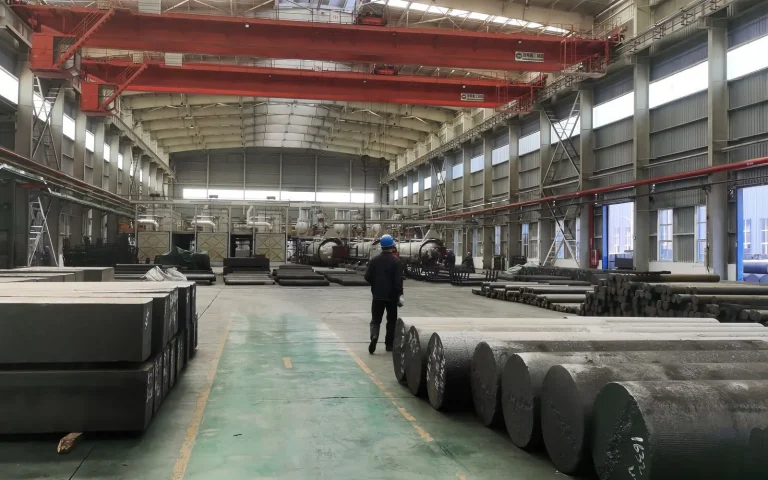
UHP graphite electrode is mainly used for ultra high power electric arc furnaces in steel smelting industry
There are two types natural graphite ore include crystalline graphite and amorphous graphite

Raw Ore: Sulfide Type Gold Ore (with associated Pyrite and Arsenopyrite) Gold Grade: 4.2 g/t
Raw Ore: High-grade Wollastonite ore with associated Garnet and Diopside Feed Grade: 65-70% Wollastonite
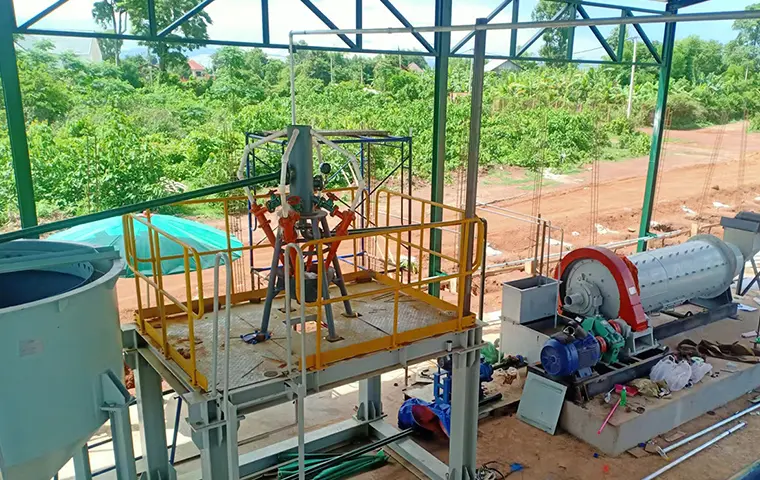
Features: Compact layout, full process coverage, low investment cost, and fast deployment. Designed for Startups & Small Mines — Your flexible and efficient gold solution!
Raw Ore: Antimony sulfide ore with quartz vein Sb Grade: 3.5% Concentrate Grade: 55%
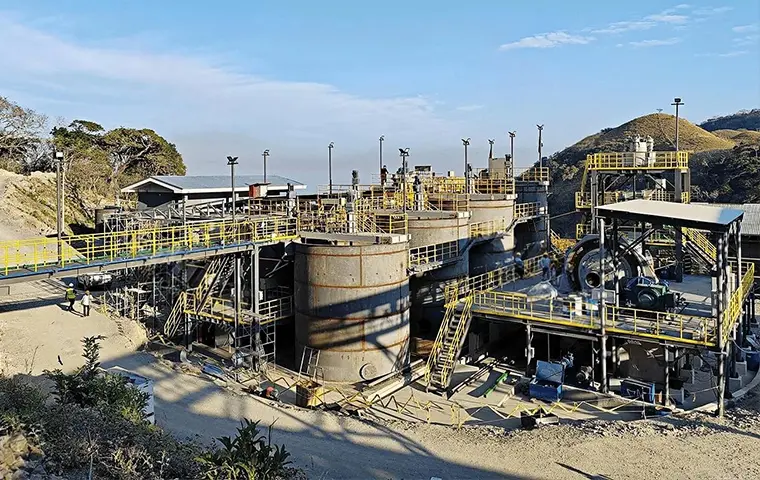
Raw Ore: Sulfide Type Copper Ore (Low-grade, heterogeneous) Feed Copper Grade: 0.45% Concentrate Copper Grade: 25%
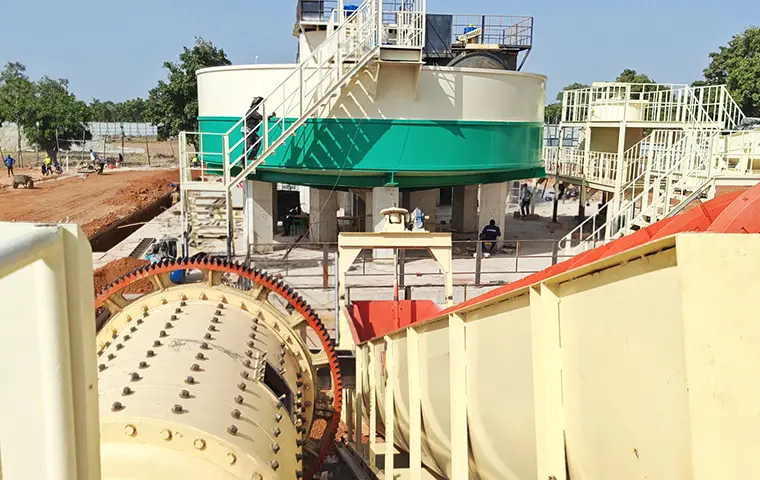
Raw Ore: Oxide and Sulfide Type Gold Ore Gold Grade: 2.5 g/t Final Product: Gold Bullion
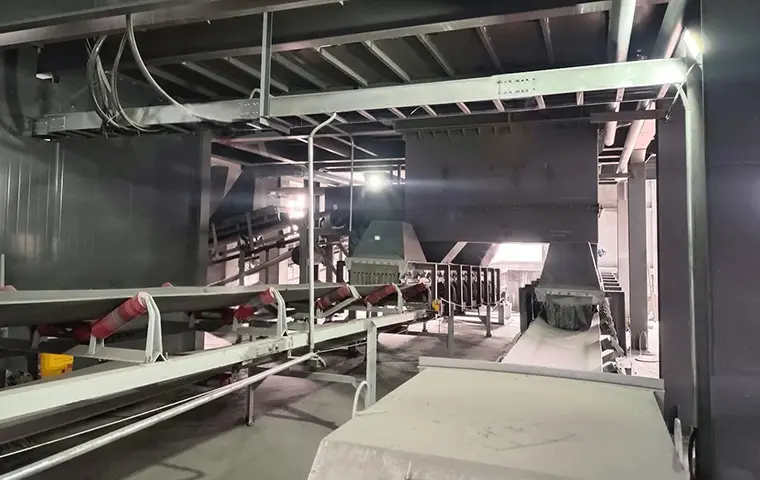
Boosting copper recovery and reducing energy consumption through cutting-edge pre-concentration and Prominer’s 15+ years of EPC expertise
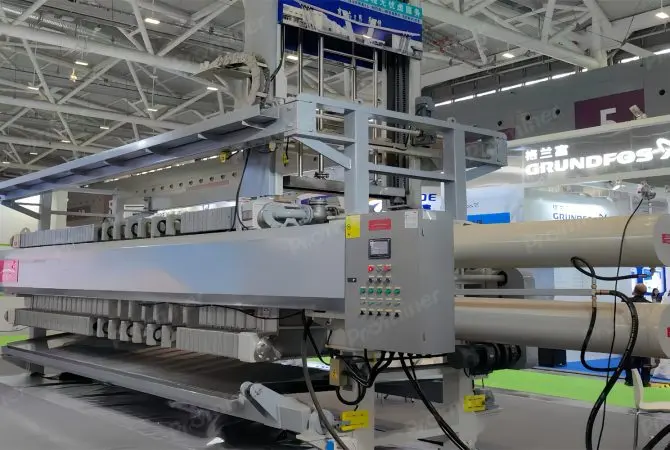
Prominer can provide press filter, belt vacuum filter, disk vacuum filter and ceramic filter
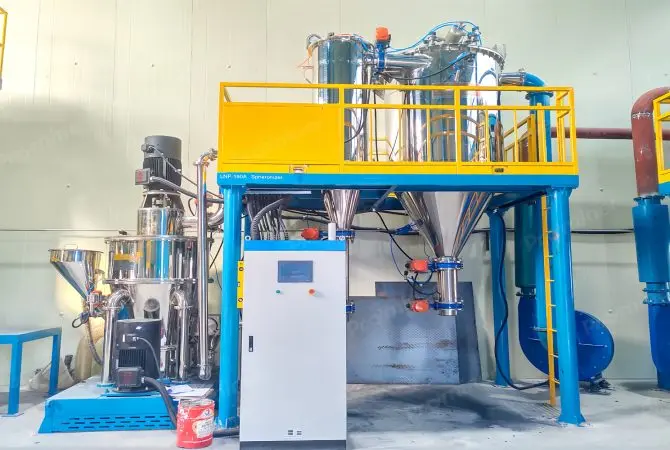
Besides strict PSD requirements, Anode Graphite also requires a spherical shape in order
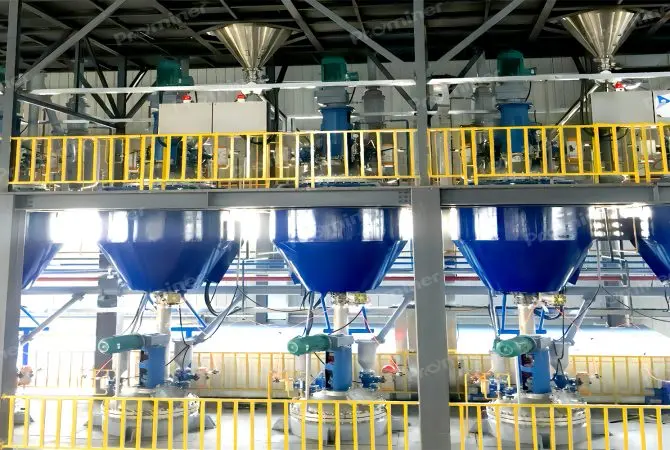
Our granulation reactor combines the coating and granulation processing functions together
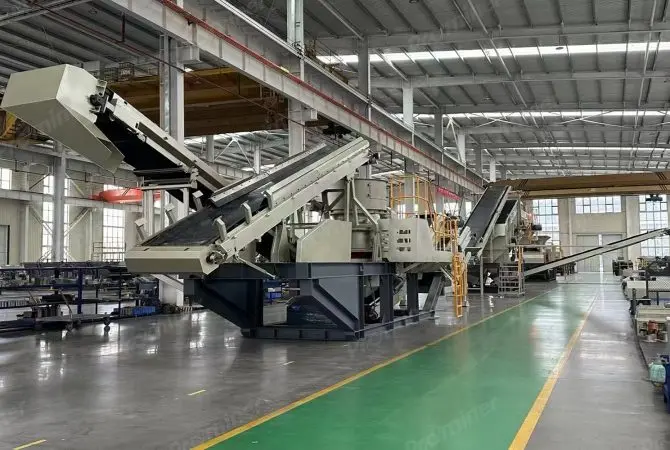
Skid mounted Portable Crusher, based on market requirements of easier moving from one site
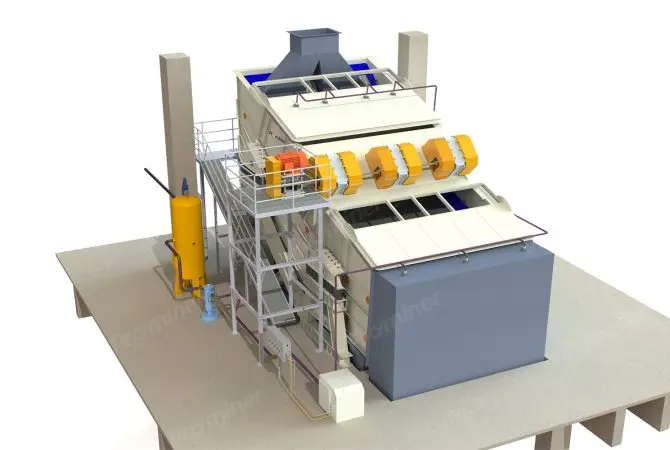
Flip-flow screen panel continues expanding and contracting so achieve a high acceleration rates
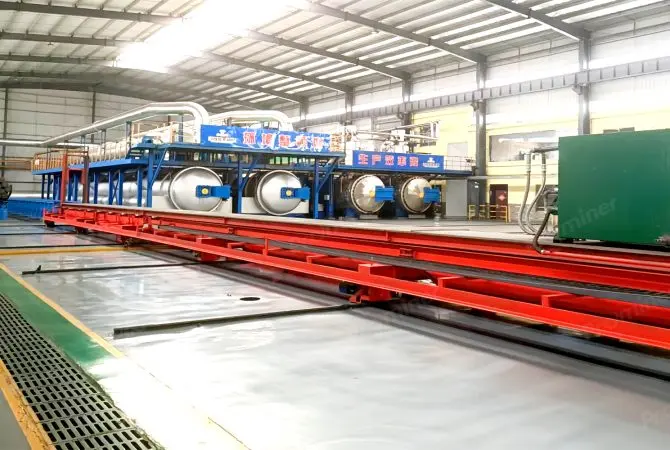
We can provide hot-in and cold-out type high-pressure impregnation of once-baked graphite
To find out more about our products and solutions, please fll out the form below and one of our experts will get back to you shortly
3000 TPD Gold Flotation Project in Shandong Province
2500TPD Lithium Ore Flotation in Sichuan
Fax: (+86) 021-58779592
Address: No.2555,Xiupu Road, Pudong, Shanghai
Copyright © 2023. Prominer (Shanghai) Mining Technology Co.,Ltd.