

Provide important equipment in the gold ore processing process, such as CIL/CIP System, Flotation Cell…




Copper-lead-zinc (Cu-Pb-Zn) sulfide ores are among the most common and economically valuable polymetallic deposits. Because these metals often occur together in closely associated mineral phases—such as chalcopyrite (CuFeS₂), galena (PbS), and sphalerite (ZnS)—their separation can be technically challenging.
Selective flotation is the most widely used and effective method to separate these sulfide minerals. This article explains the principles, process flow, reagents, and key operational considerations for successfully separating copper, lead, and zinc from sulfide ores.
Before designing a flotation process, it is essential to conduct a detailed mineralogical study. Key aspects include:
Copper typically exists as:
Lead mainly occurs as:
Zinc typically appears as:
Because galena and chalcopyrite have similar floatability, and sphalerite can be activated by copper ions, selective separation requires precise reagent control.
Selective flotation works by:
The separation relies on differences in surface chemistry, which are manipulated using flotation reagents such as:
The most common process strategy is sequential flotation, usually in this order:
However, in many plants, bulk flotation of Cu-Pb followed by separation, and then Zn flotation, is preferred.
The ore is crushed and ground to liberate valuable minerals from gangue. Proper liberation is critical for effective separation.
In many operations, copper and lead are first floated together as a bulk concentrate.
Reagents used:
Zinc and iron sulfides are depressed during this stage using:
After obtaining a Cu-Pb bulk concentrate, selective flotation is used to separate them.
Option A: Depress Lead, Float Copper
Copper floats while galena is depressed.
Option B: Depress Copper, Float Lead
The choice depends on mineralogy, environmental constraints, and reagent availability.
After removing copper and lead, zinc is recovered from tailings.
Since sphalerite is often depressed during earlier stages, it must be activated before flotation.
Activation:
Collectors:
pH Control:
Successful selective flotation depends on precise control of:
Online monitoring systems and automated reagent addition systems are commonly used in modern plants to maintain stability.
Problem: Dissolved copper ions activate zinc prematurely.
Solution:
Problem: Poor liberation reduces selectivity.
Solution:
Problem: Reduced flotation response.
Solution:
Problem: Cyanide and dichromate use is limited.
Solution:
Although flowsheets vary, a common and effective strategy is:
Pilot testing is strongly recommended before finalizing the process design, as each ore body behaves differently.
Separating copper, lead, and zinc from sulfide ores using selective flotation requires a well-designed flowsheet, proper reagent selection, and precise process control. The key lies in manipulating mineral surface chemistry to selectively float one mineral while depressing others.
With proper mineralogical analysis, laboratory testing, and optimized reagent schemes, high-grade copper, lead, and zinc concentrates can be efficiently produced, maximizing metal recovery and economic returns.
A: Mineral characteristics vary significantly even within the same ore body. A professional test (such as chemical analysis, XRD, and SEM) ensures the flowchart is optimized for your specific ore grade and liberation size. This prevents costly equipment mismatches and guarantees the highest possible recovery rates for your project.
A: We maintain a permanent stock of core wear parts (such as crusher liners, screen meshes, and grinding media). For international clients, we provide a recommended “2-year spare parts list” with the initial purchase. Technical support is available 24/7 via remote video, and site visits can be arranged for complex maintenance needs.
A: Yes. We send a team of senior mechanical and electrical engineers to the site to oversee the installation, commissioning, and load testing of the equipment. We also provide comprehensive on-site training for your local operators to ensure smooth long-term operation.
A: Absolutely. We specialize in providing EPCM (Engineering, Procurement, Construction Management) services. This includes everything from initial ore testing and mine design to equipment manufacturing, logistics, and full-scale plant integration, ensuring a seamless transition from greenfield to production.
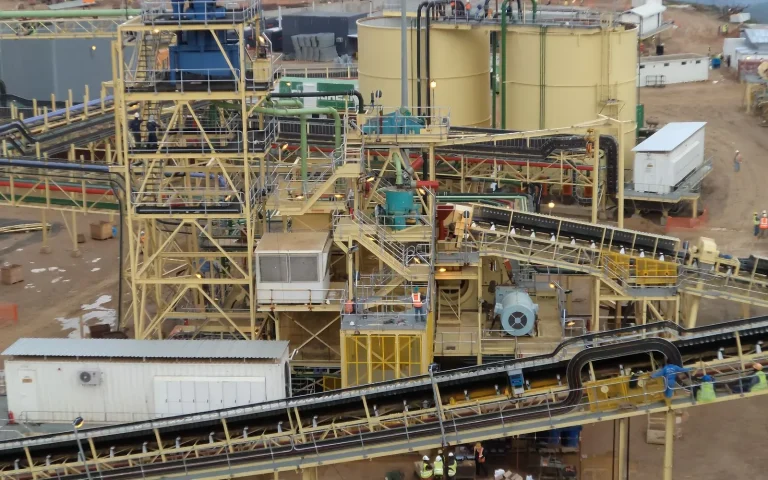
Provide important equipment in the gold ore processing process, such as CIL/CIP System, Flotation Cell…
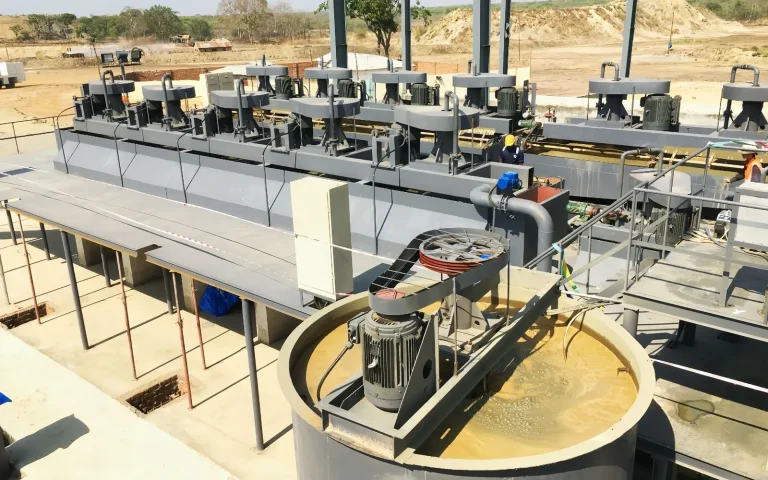
Flotation is the most popular processing way in gold ore processing project. Because the flotation process
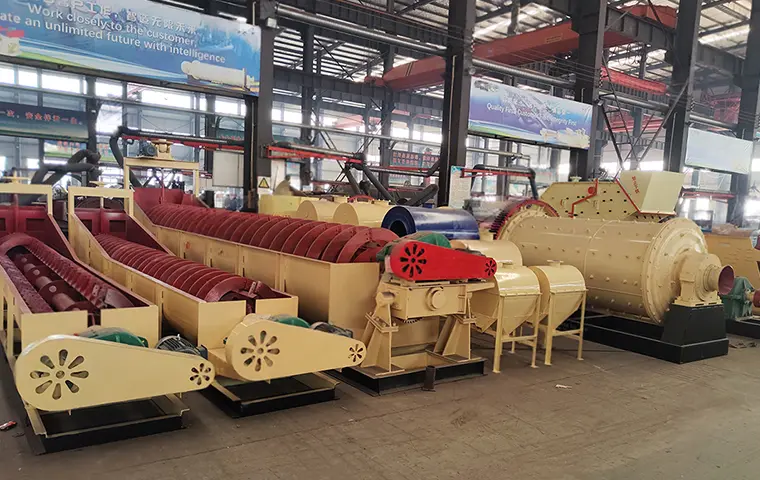
There are two types natural graphite ore include crystalline graphite and amorphous graphite

Raw Ore: Alluvial Gold Ore & Primary Hard Rock Gold Ore (Mixed Feed Capability) Feed Gold Grade: 1.2 – 3.5 g/t (variable)
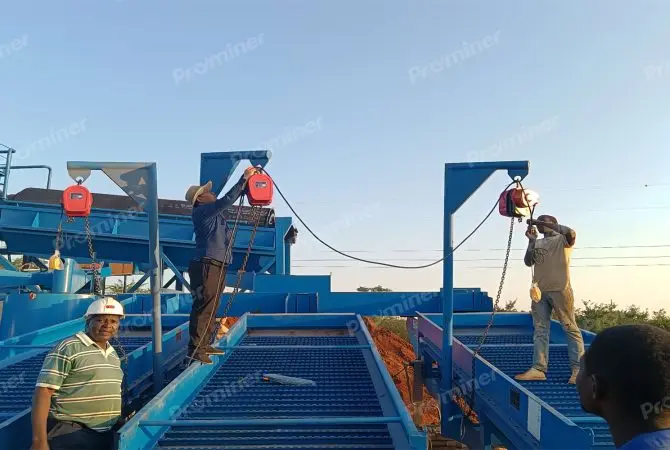
Raw Ore: Alluvial gold ore from river bed Gold Grade: 0.8 g/t
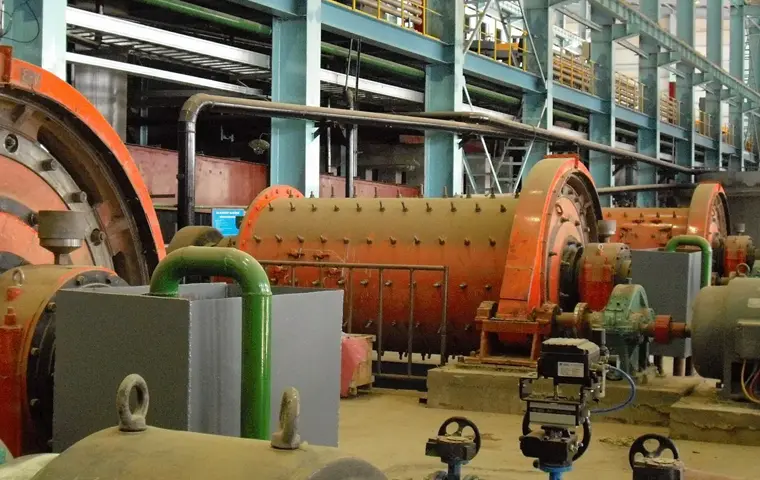
Raw Ore: Sulfide Type Molybdenum Ore (Mainly Molybdenite) Mo Grade: 0.15% Concentrate Grade: 45% Mo
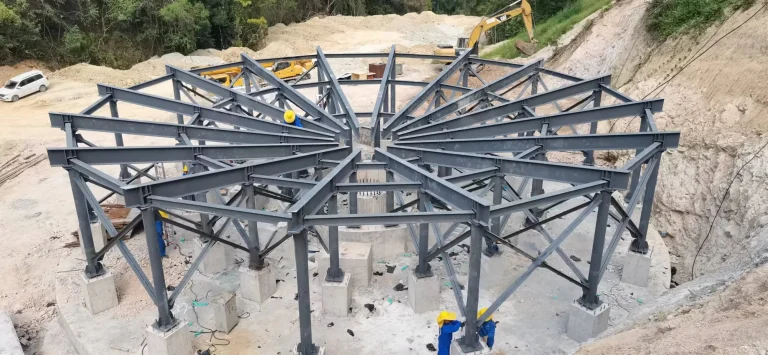
Raw Material: Fluorite Ore (CaF₂) Fluorite Grade: 35-40% Concentrate Grade: ≥97% CaF₂
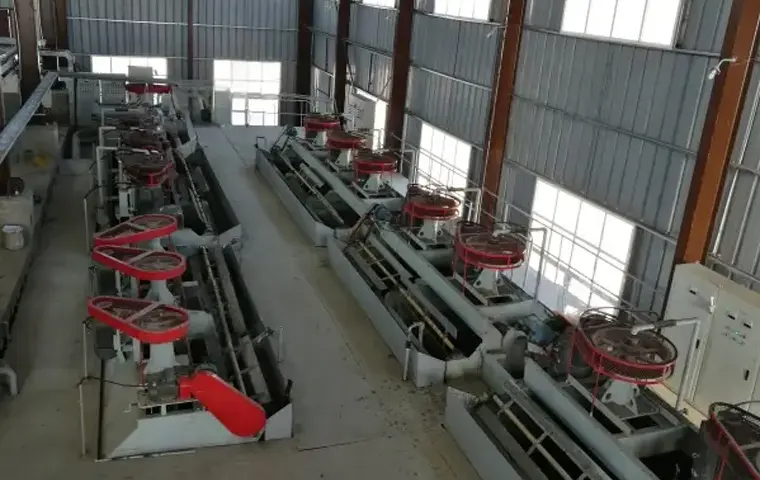
Raw Ore: Sedimentary Phosphate Rock P2O5 Grade: 22-26%
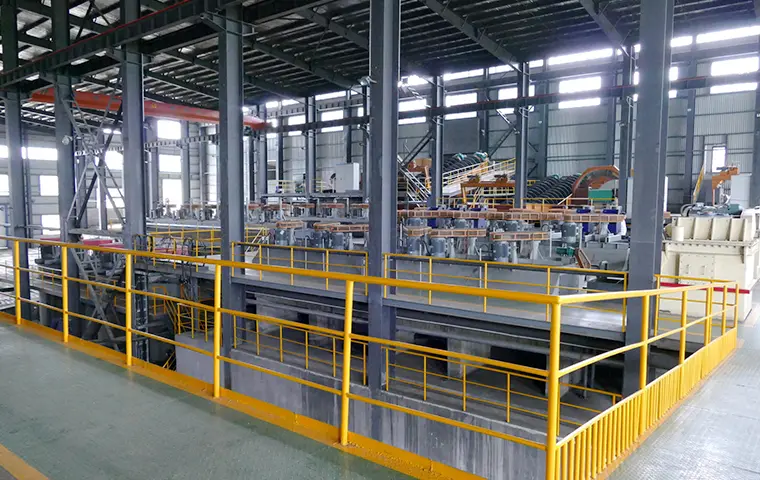
Raw Material: Spherical Graphite, Pitch Binder, Additives Project Capacity: 5,000 tons anode material; 20 tons graphene per annum
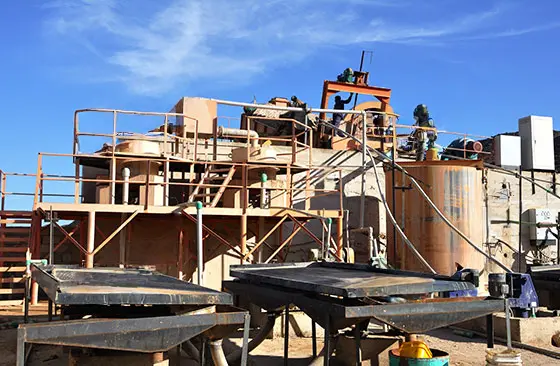
Raw Ore: Sulfide Gold-Copper Ore (Au-Cu ratio: 1:1.2) Gold Grade: 2.8 g/t Copper Grade: 0.85%
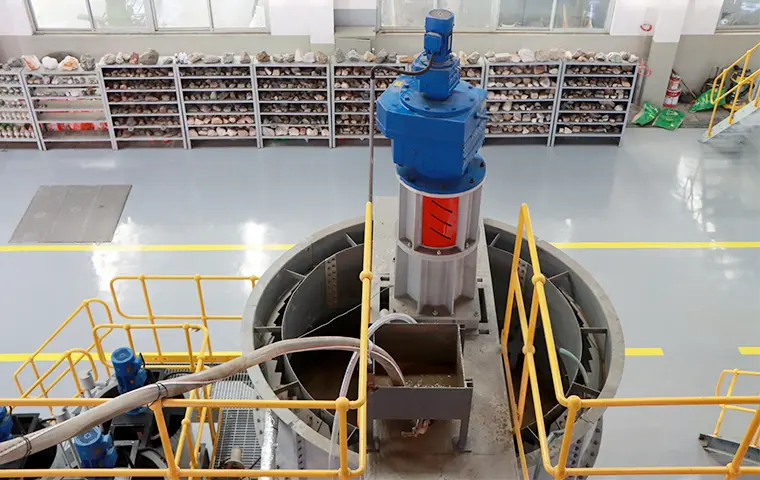
Raw Ore: High-Silica Phosphate Ore P2O5 Grade: 22% SiO2 Content: 35%
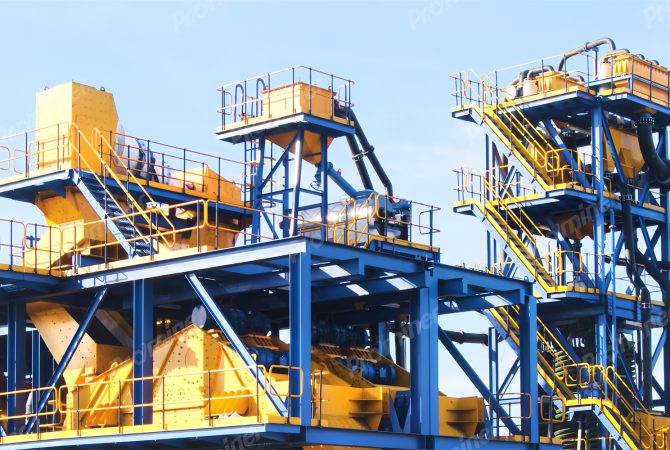
Prominer can provide different LIMS (Low Intensity Magnetic separator) magnetic separators
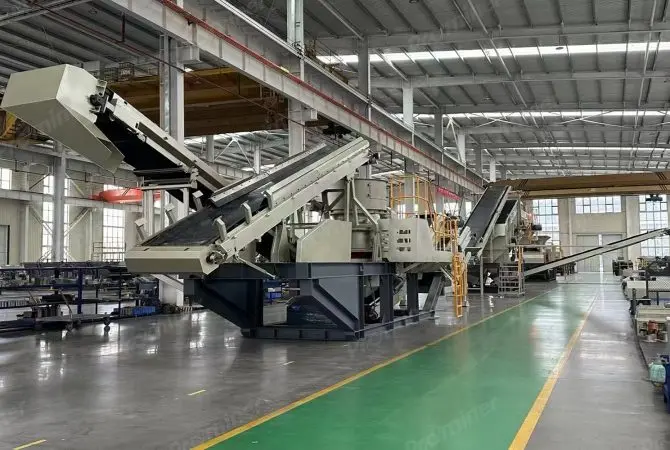
Skid mounted Portable Crusher, based on market requirements of easier moving from one site
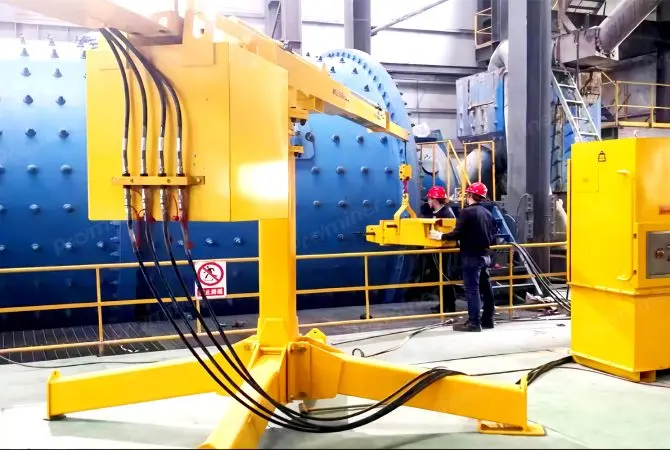
We can manufacture the highly automated and powerful recoilless Bolt Hammer to remove
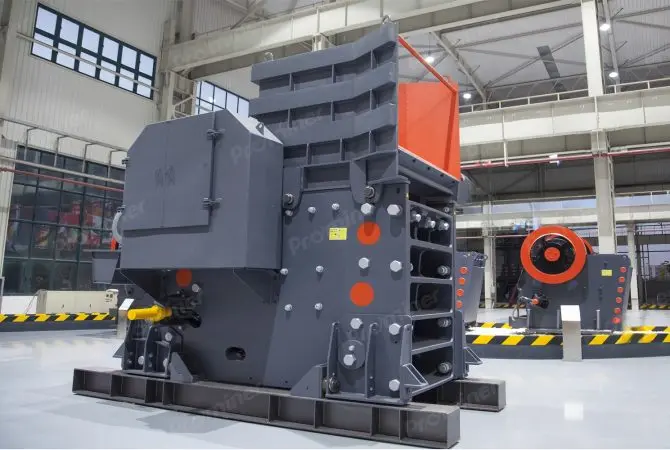
Jaw Crusher, its opening size determines its max feeding size. The crushing chamber of a jaw crusher
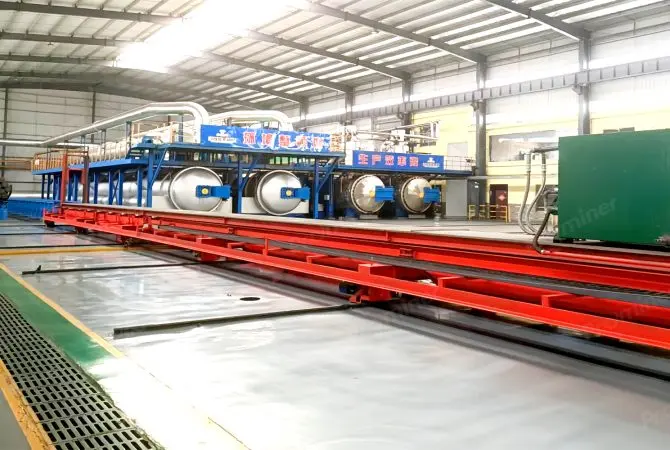
We can provide hot-in and cold-out type high-pressure impregnation of once-baked graphite
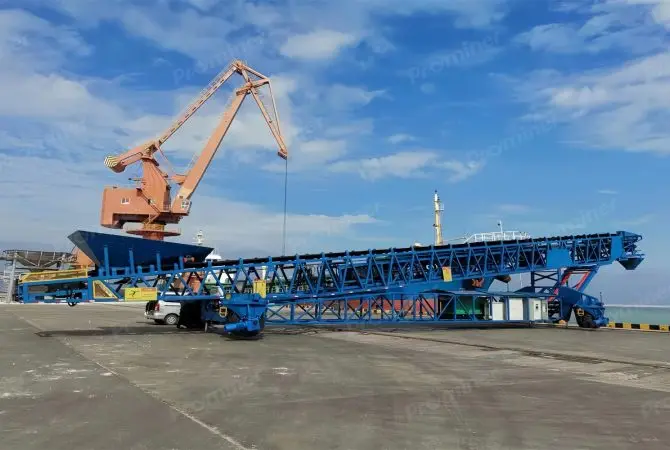
Our engineer team can design and manufacture the mobile type radial stacker, loader
To find out more about our products and solutions, please fll out the form below and one of our experts will get back to you shortly
3000 TPD Gold Flotation Project in Shandong Province
2500TPD Lithium Ore Flotation in Sichuan
Fax: (+86) 021-58779592
Address: Room 606, Building D3, Phase II, Chuansha Business Center, 777 Long, Miaochuan Road, Pudong New Area, Shanghai,China
Copyright © 2023. Prominer (Shanghai) Mining Technology Co.,Ltd.


