1200 TPD Gold Processing Plant in East Africa (Kenya, Tanzania, Sudan)

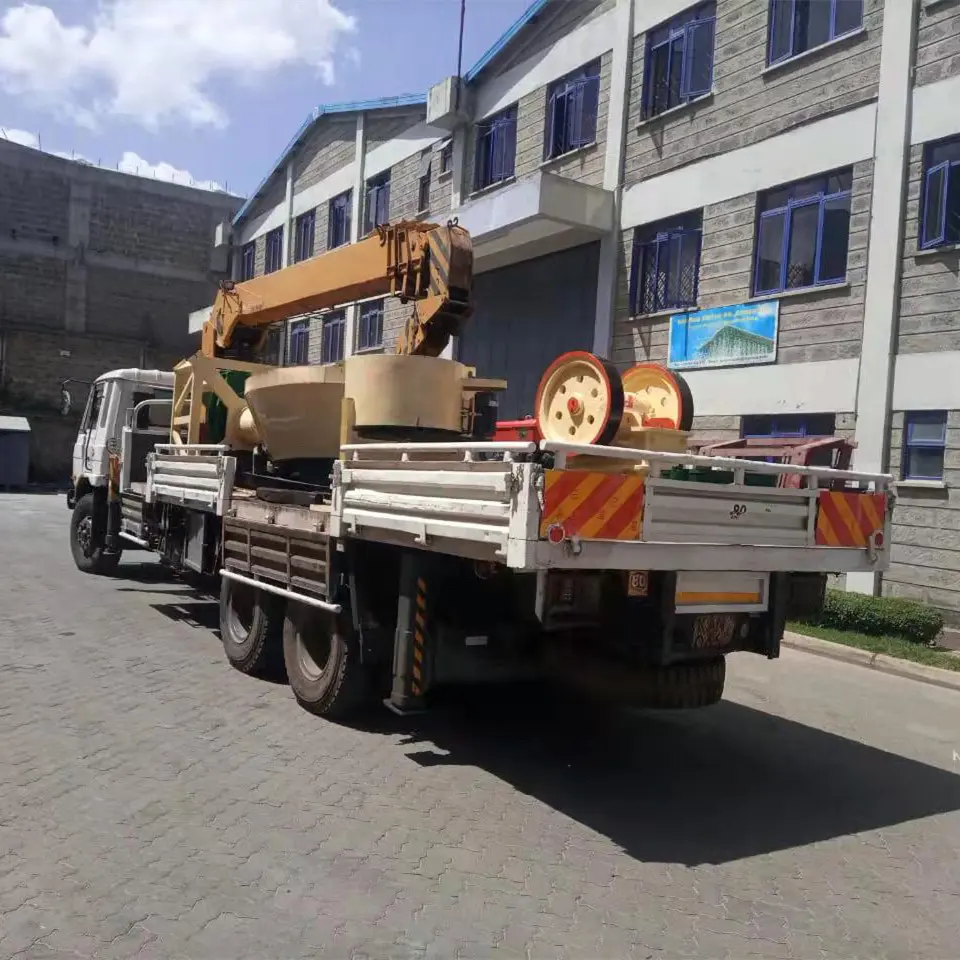
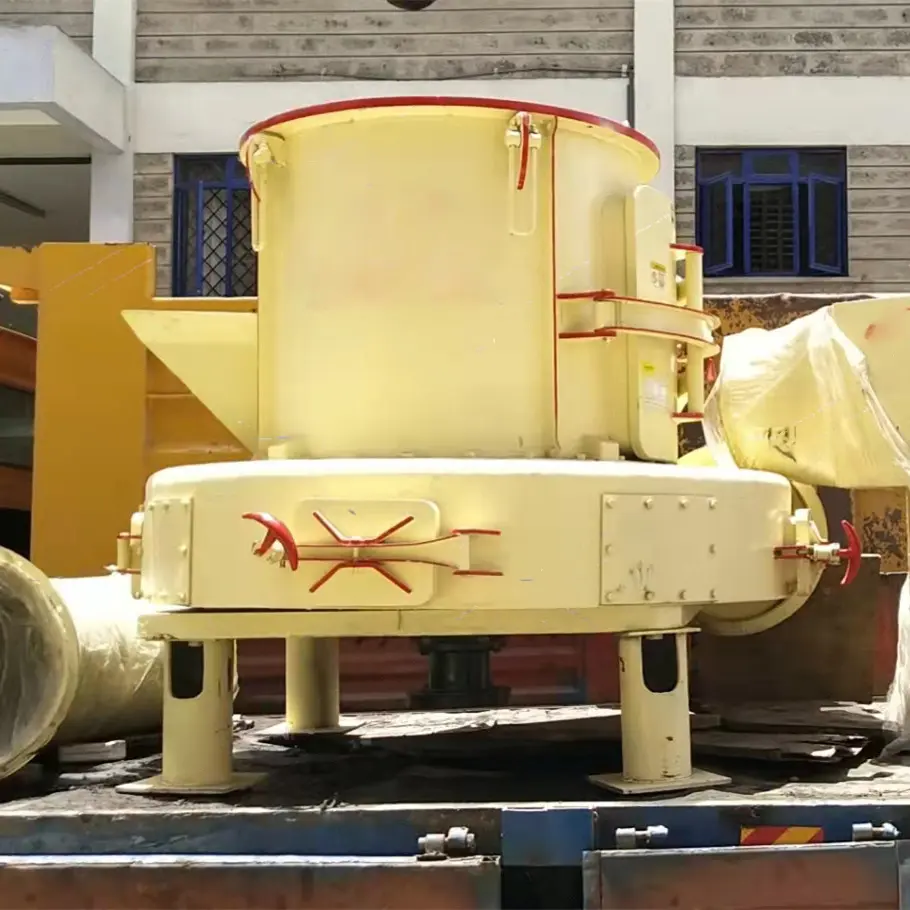
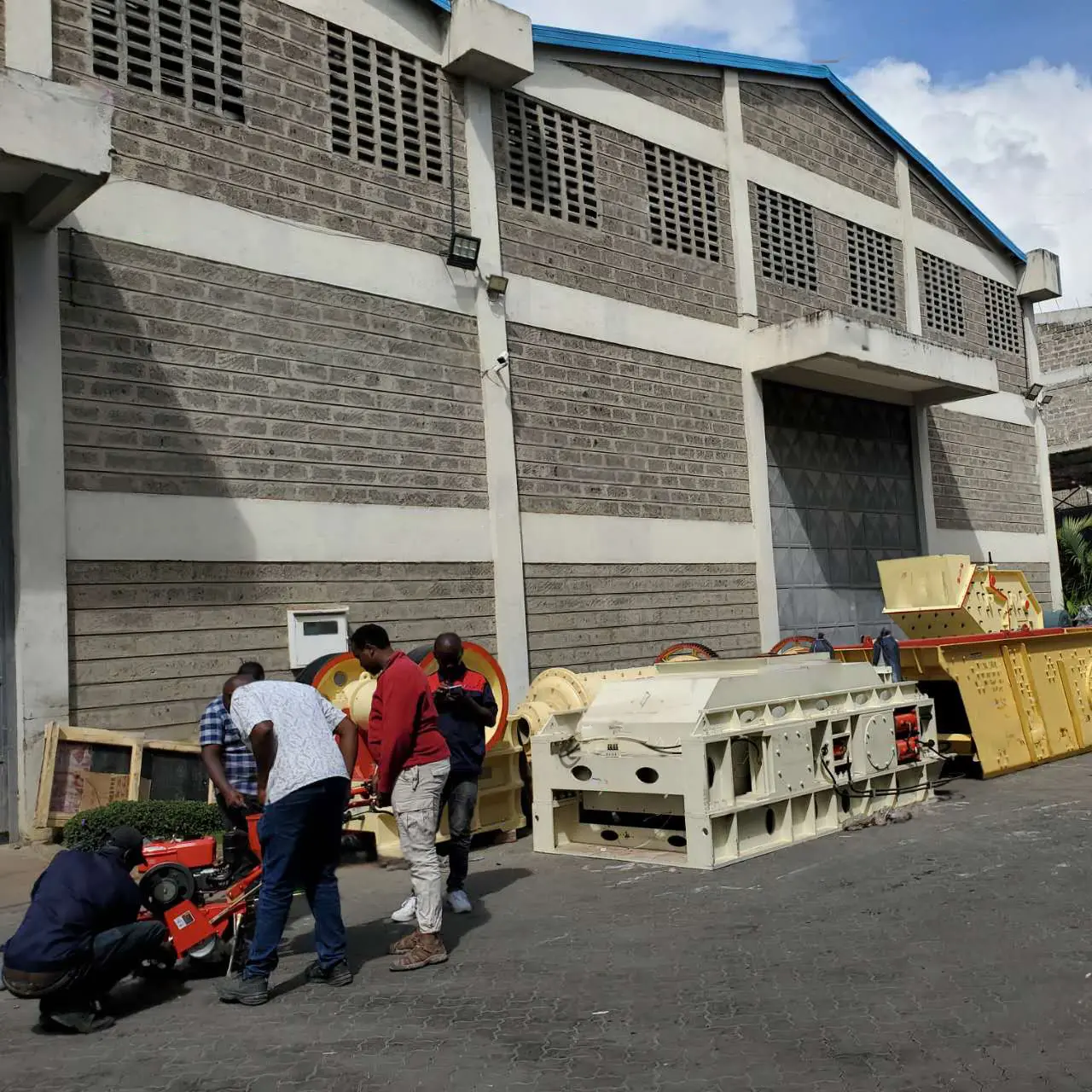
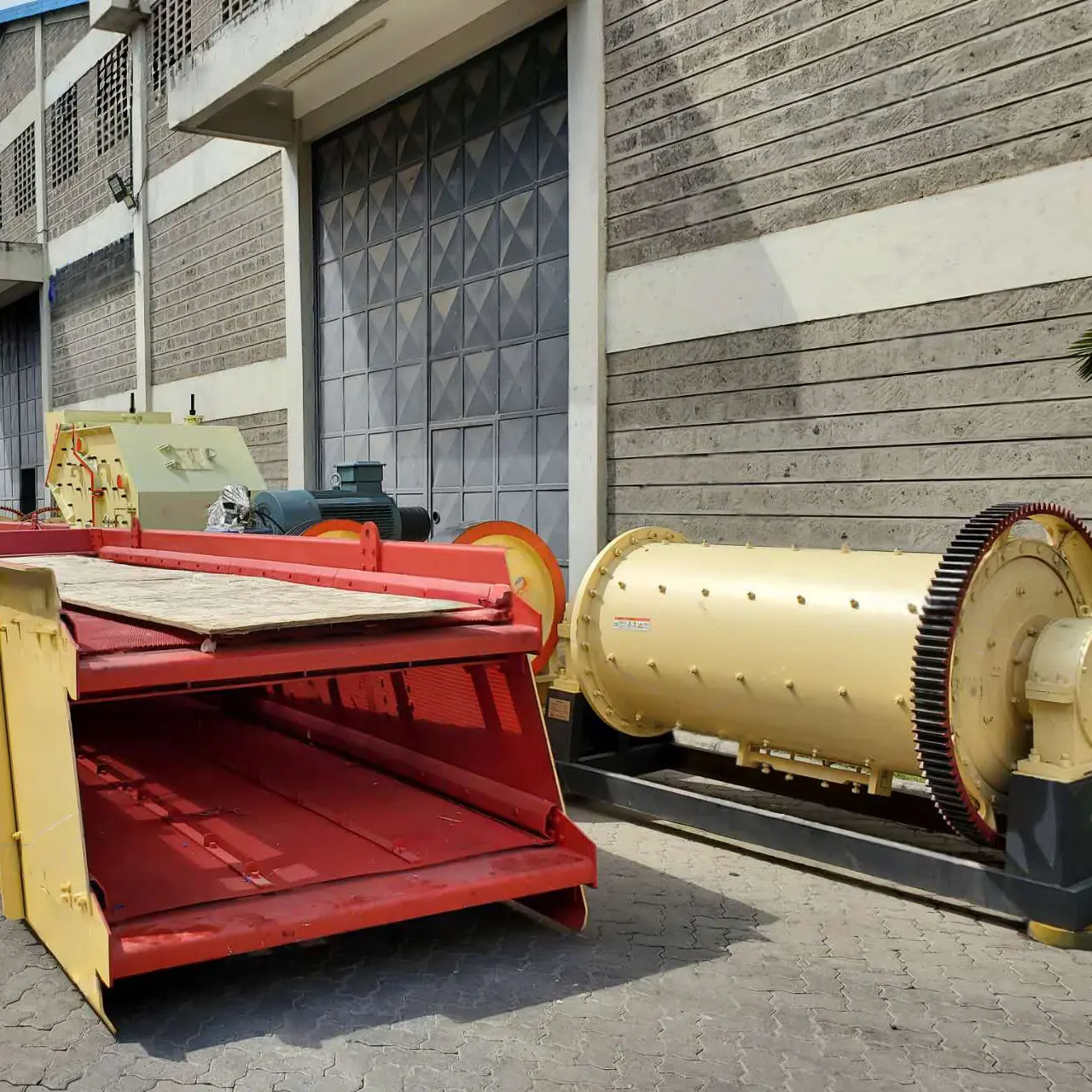
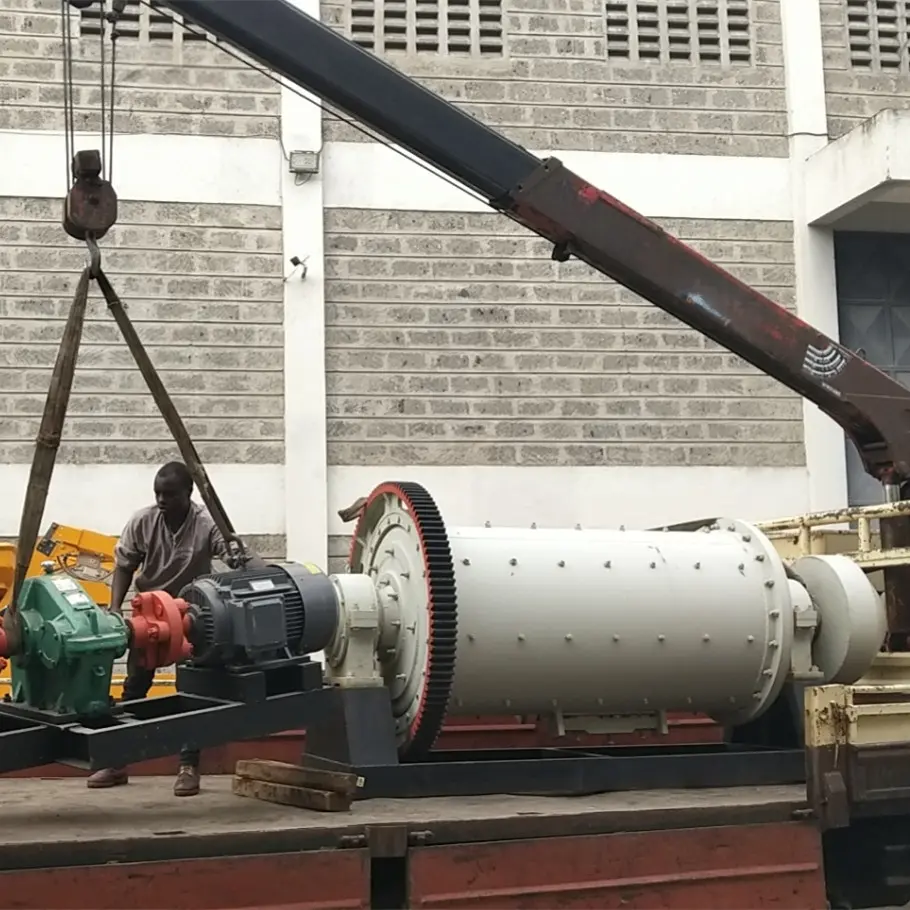
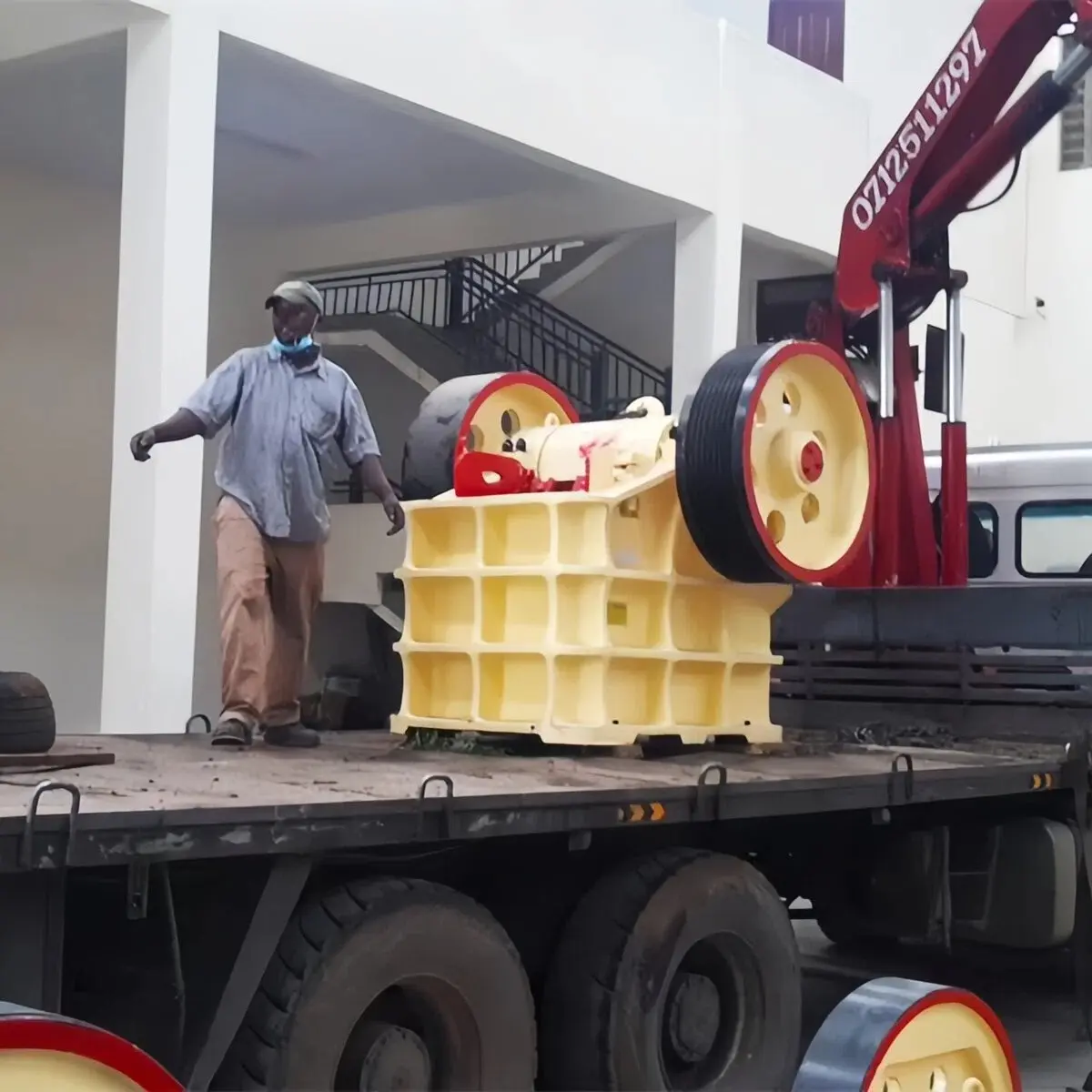
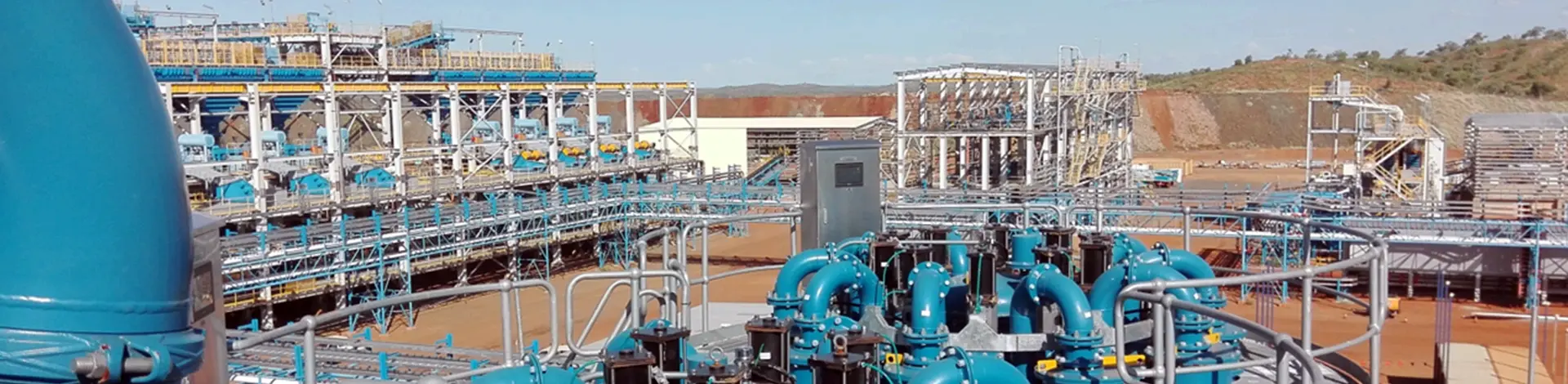
Case site photos

Processing Way

  • Two-stage crushing circuit: Primary crushing with a jaw crusher to reduce ore to below 200 mm, followed by a cone crusher for secondary crushing to obtain a product size of 25 mm below.
  • Vibrating screen for closed-circuit crushing to ensure controlled feed size for the grinding mill.
  • A centrifugal concentrator is installed to recover coarse free gold from the ball mill discharge, improving overall recovery and reducing downstream processing load.
  • Gold-loaded carbon is transferred to the elution column where high-temperature and high-pressure solution strips the gold from the carbon.
  • The rich eluate is then sent to the electrowinning system to deposit gold onto steel wool cathodes.
  • The gold-loaded cathodes are smelted in a furnace to produce gold doré bars.
  • A complete reagent preparation and dosing system.
  • A PLC-based central control system is provided for monitoring and optimizing the entire process, ensuring stable operation and ease of management.
  • A closed-circuit grinding system with a ball mill as the core component.
  • The ball mill grinds the crushed ore with water to form a slurry.
  • A spiral classifier is equipped to separate the ground slurry; oversized particles are returned to the ball mill for further grinding, while the overflow (target product) achieves a fine particle size of 74㎛ and D80.
  • The fine slurry flows into a series of Leaching and Adsorption tanks (Carbon-in-Leach, CIL).
  • Sodium cyanide is added to dissolve the gold.
  • Activated carbon is introduced to adsorb the dissolved gold from the slurry.
  • The leaching and adsorption process is designed with a total retention time of over 20 hours to ensure high gold recovery.
  • The barren slurry from the CIL circuit is pumped to a thickener for dewatering.
  • The underflow from the thickener is further dewatered by a filter press to form dry cake for safe, eco-friendly dry stack disposal.
  • The clarified water from the thickener is recycled back into the process, minimizing fresh water consumption.

Products

Solutions

Case

contact us

WhatsApp

Contact Form