

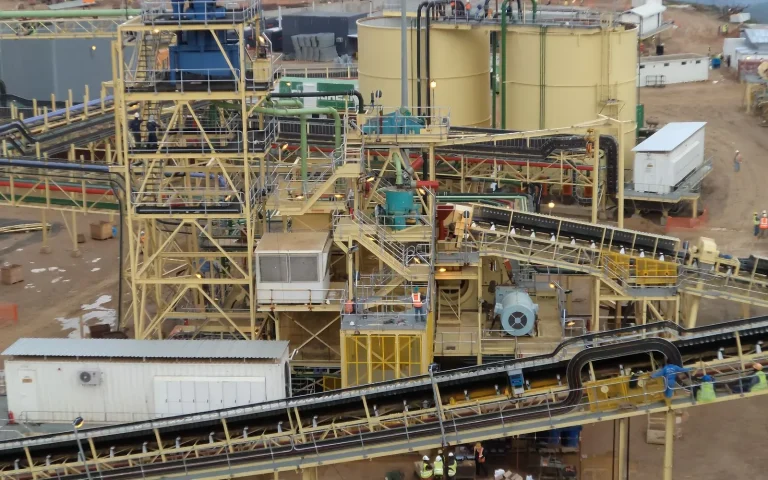
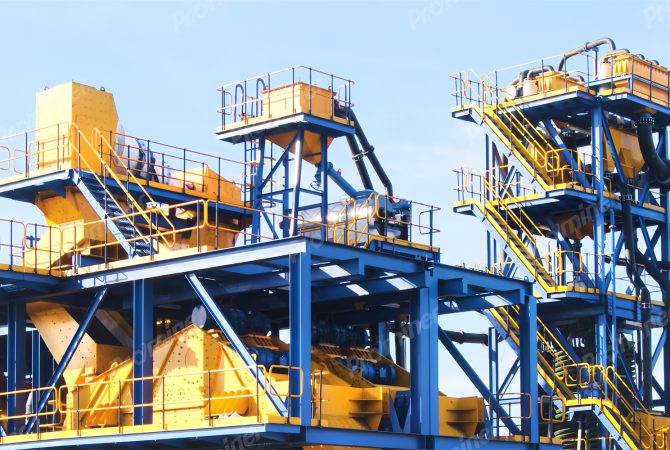
Provide important equipment in the gold ore processing process, such as CIL/CIP System, Flotation Cell…




Gold cyanidation remains one of the most widely used methods for extracting gold from ore due to its efficiency, scalability, and cost-effectiveness. However, increasing environmental regulations, rising operational costs, and declining ore grades have made optimization essential. Improving cyanidation performance involves enhancing recovery rates, reducing reagent consumption, minimizing environmental impact, and improving overall process efficiency.
Below are key strategies for optimizing gold cyanidation processes.
Effective cyanidation begins with proper ore preparation. Gold particles must be sufficiently liberated from surrounding minerals to allow cyanide solution access.
Optimizing crushing and grinding can:
Particle size distribution should be carefully controlled. Over-grinding increases energy costs and may create slimes that interfere with downstream processes, while under-grinding reduces gold recovery due to incomplete liberation.
Regular mineralogical analysis helps determine the ideal grind size for maximum recovery.
Cyanide concentration plays a crucial role in dissolution efficiency. Insufficient cyanide reduces gold recovery, while excessive cyanide increases costs and environmental risks.
Key optimization practices include:
pH control is equally important. Maintaining a pH between 10 and 11 prevents the formation of toxic hydrogen cyanide (HCN) gas and ensures stable leaching conditions. Lime is typically used to regulate pH levels.
Automated dosing systems can significantly improve both safety and reagent efficiency.
Gold dissolution in cyanide requires oxygen. Insufficient dissolved oxygen slows reaction rates and reduces overall recovery.
Optimization methods include:
In some operations, pure oxygen injection significantly improves leach rates compared to air, reducing leach time and increasing throughput.
Maintaining proper slurry density also enhances mass transfer between gold particles and the leaching solution.
Some ores contain gold locked within sulfide minerals or associated with preg-robbing carbonaceous material. These refractory ores require pre-treatment before cyanidation.
Common pre-treatment methods include:
These processes break down sulfide matrices, exposing gold particles and significantly improving cyanide leaching efficiency.
For preg-robbing ores, adding activated carbon during leaching (CIL process) can prevent gold loss.
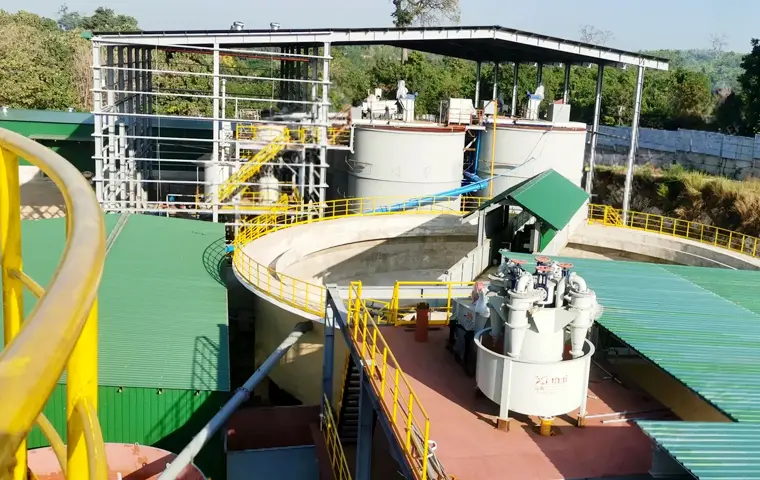
In Carbon-in-Pulp (CIP) and Carbon-in-Leach (CIL) systems, activated carbon adsorbs dissolved gold. Poor carbon management can result in gold losses and reduced efficiency.
Optimization strategies include:
Regular acid washing and thermal reactivation restore carbon adsorption capacity and improve overall gold recovery.
Cyanide consumption can increase due to reactions with base metals such as copper and zinc. Identifying and managing cyanide-consuming minerals is critical.
Strategies include:
The SART (Sulphidization, Acidification, Recycling, and Thickening) process is particularly effective in operations with high copper content, allowing cyanide recovery and copper by-product generation.
Modern gold plants increasingly rely on digital technologies and automation to enhance cyanidation performance.
Advanced tools include:
Data-driven optimization enables faster response to process fluctuations, stabilizes recovery rates, and reduces operating costs.
Environmental compliance is a major driver of cyanidation optimization. Proper detoxification of tailings reduces environmental risks and improves sustainability.
Common detoxification methods include:
Optimizing detoxification ensures residual cyanide levels meet regulatory standards while minimizing reagent consumption.
Water recycling from tailings storage facilities also reduces freshwater usage and operating costs.
Optimizing gold cyanidation processes requires a comprehensive approach that integrates mineralogical understanding, process control, reagent management, and environmental stewardship. By improving ore preparation, managing cyanide and oxygen levels, implementing appropriate pre-treatment, and leveraging automation technologies, operations can achieve higher recovery rates, lower costs, and improved sustainability.
As ore grades decline and environmental expectations rise, continuous optimization is no longer optional—it is essential for maintaining profitability and long-term operational success.
A: For graphite resources, a complete solution should cover both natural graphite flotation and deep processing. The ball mill and hydrocyclone system serve as the basic grinding stage. For advanced anode material production, the shaping mill is essential to improve tap density and reduce specific surface area. Additionally, the Prominer coating system, which combines coating and granulation functions, is a key step in processing high-profit anode materials.
A: Process selection depends entirely on the ore’s characteristics. The Gold CIL/CIP process is a very popular and effective way to process high-grade oxide type gold ore. For many other gold projects, flotation remains the most popular processing method. For owners looking to save investment at the initial stage, vat leaching or heap leaching are flexible and economic options. We recommend starting with a lab & pilot test to determine the most efficient and scientific process flow.
A: Magnetic separation is critical for mineral upgrading. We provide both HIMS (High Intensity) and LIMS (Low Intensity) magnetic separators to handle different mineral magnetic properties. In an optimized plant design, this technology is integrated with a high-performance crushing system—utilizing single-cylinder or multi-cylinder hydraulic cone crushers—and a grinding system. This ensures that waste rock is rejected early, significantly improving productivity and saving energy.
A: Designing a successful plant requires a comprehensive EPC (Engineering, Procurement, and Construction) service. Key considerations include engineering design (site surveys, sampling guidance, and PFD drawings) and equipment customization to ensure machinery matches the specific ore characteristics. For example, Prominer can customize linear screens up to 5.1m in width for large-scale grading and dewatering. Finally, professional on-site services, including civil work supervision and commissioning, are vital for long-term stable operation.
Provide important equipment in the gold ore processing process, such as CIL/CIP System, Flotation Cell…
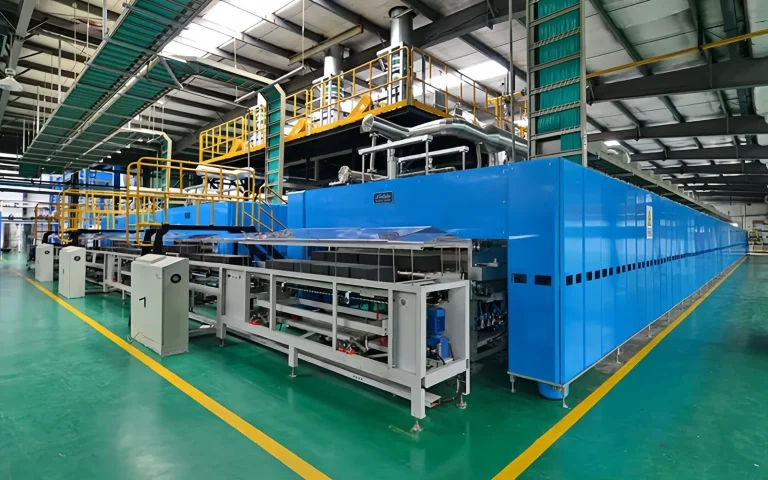
Artificial graphite anode material are mainly made from high quality low sulphur content petroleum coke
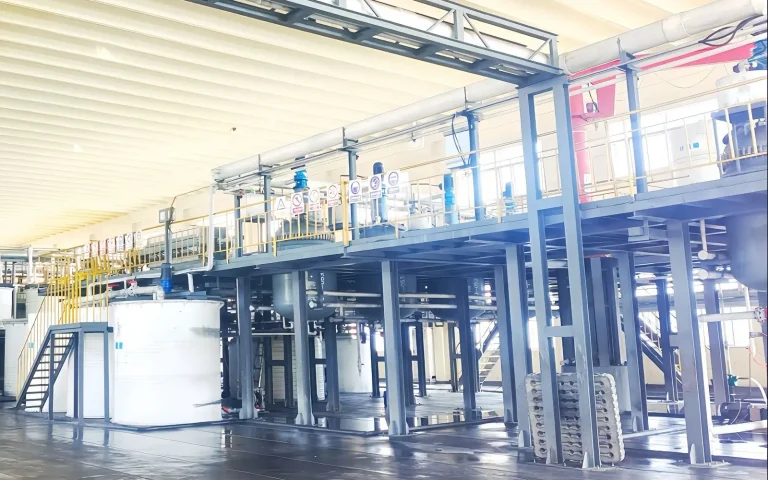
Flake graphite can be used to produce high carbon graphite, high purity graphite, expandable graphite

Raw Ore: Dual Oxide & Sulfide Gold Ore (Refractory in parts) Gold Grade: 3.5-4.2 g/t Final Product: Gold Doré (Au ≥96.5%)
Raw Ore: Copper-Gold Ore Copper Grade: 1.2% Gold Grade: 1.5 g/t Recovery Rate: Copper 89%, Gold 88%
Raw Ore: Alluvial Tin Ore (Cassiterite) Tin Grade: 0.8% Concentrate Grade: 65%
Raw Ore: Limonite Type Laterite Nickel Ore Ni Grade: 1.2% Co Grade: 0.12%
Raw Ore: Antimony sulfide ore with quartz vein Sb Grade: 3.5% Concentrate Grade: 55%
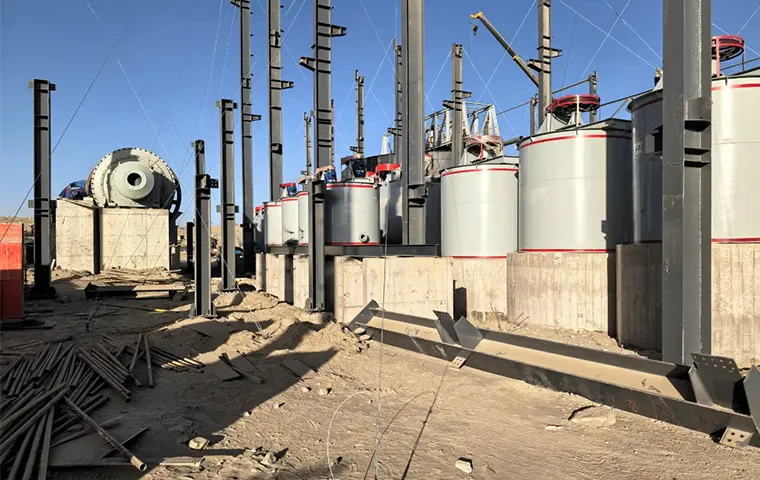
Raw Ore: Transitional & Oxide Gold Ore (with minor sulfides) Feed Gold Grade: 2.5 g/t Final Product: Gold Doré Ingot
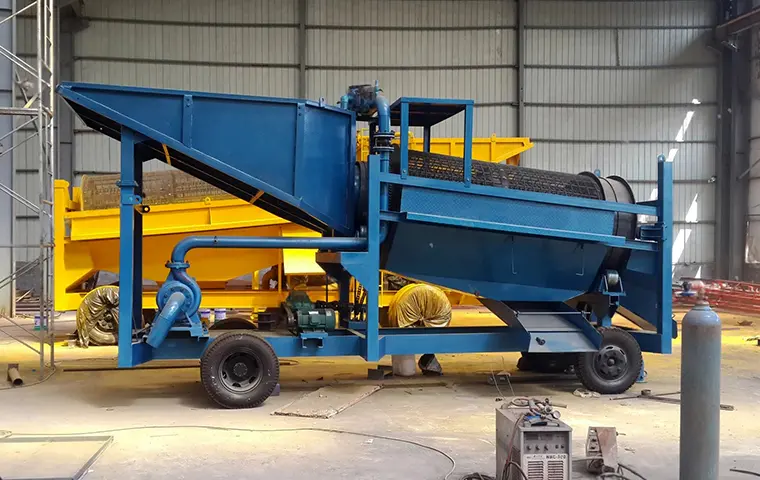
Raw Ore: Alluvial gold ore from riverbed and terrace deposits Gold Grade: 1.5 g/t Gold Recovery Rate: 92%
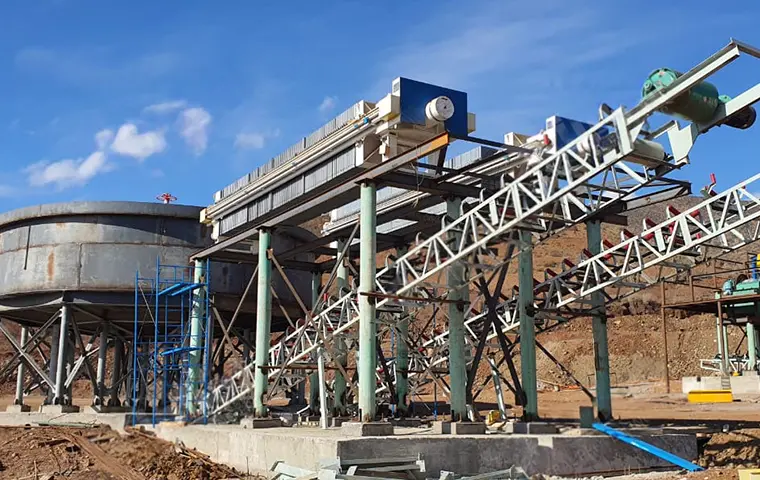
From laboratory testing to final commissioning, Prominer delivered a customized 20 TPH solution
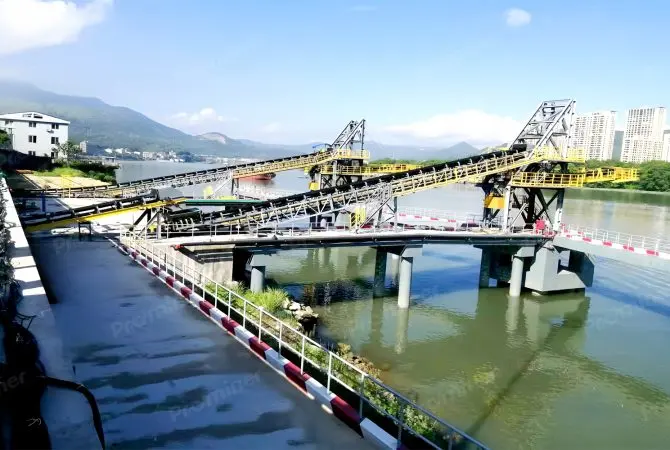
We can provide the solution of belt conveyors for different purposes include steeply inclined belt conveyor
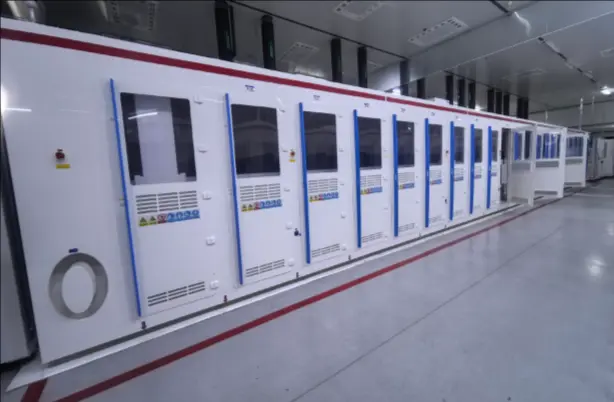
Include: Monocrystalline Batch Texturing Equipment, Batch Texturing Loader/Unloader, Low-Pressure…
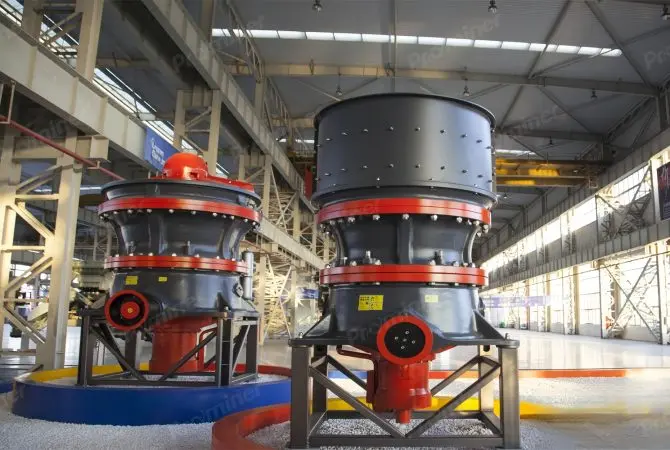
Single-cylinder hydraulic cone crusher have two series based on different cavity, S-cavity is designed
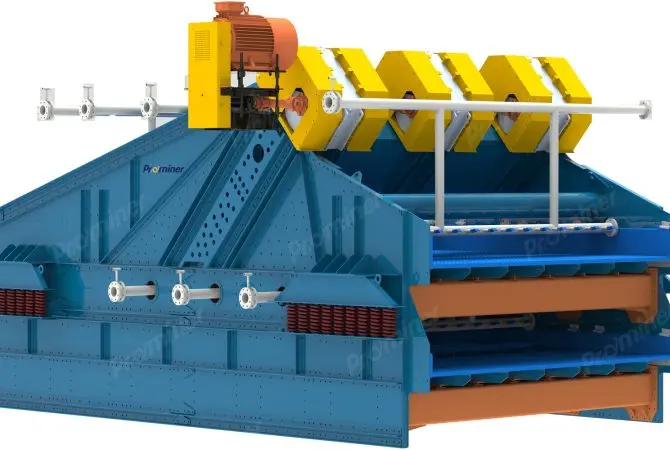
Prominer can provide all kinds of linear screen for mineral grading, material sizing, dewatering
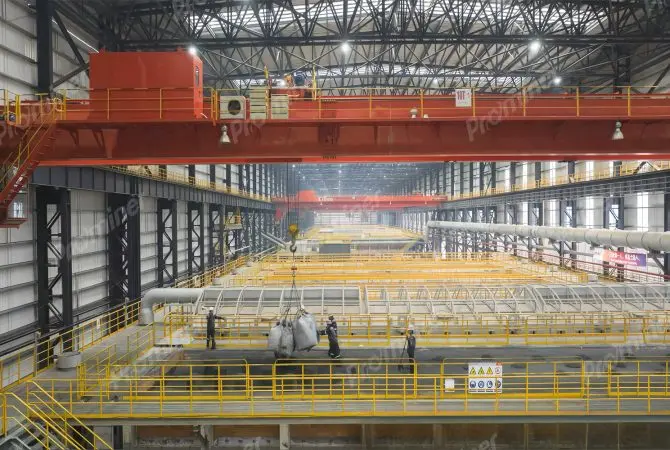
We can provide different type graphitization furnace for changing carbon material
Prominer can provide different LIMS (Low Intensity Magnetic separator) magnetic separators
To find out more about our products and solutions, please fll out the form below and one of our experts will get back to you shortly
3000 TPD Gold Flotation Project in Shandong Province
2500TPD Lithium Ore Flotation in Sichuan
Fax: (+86) 021-58779592
Address: Room 606, Building D3, Phase II, Chuansha Business Center, 777 Long, Miaochuan Road, Pudong New Area, Shanghai,China
Copyright © 2023. Prominer (Shanghai) Mining Technology Co.,Ltd.


